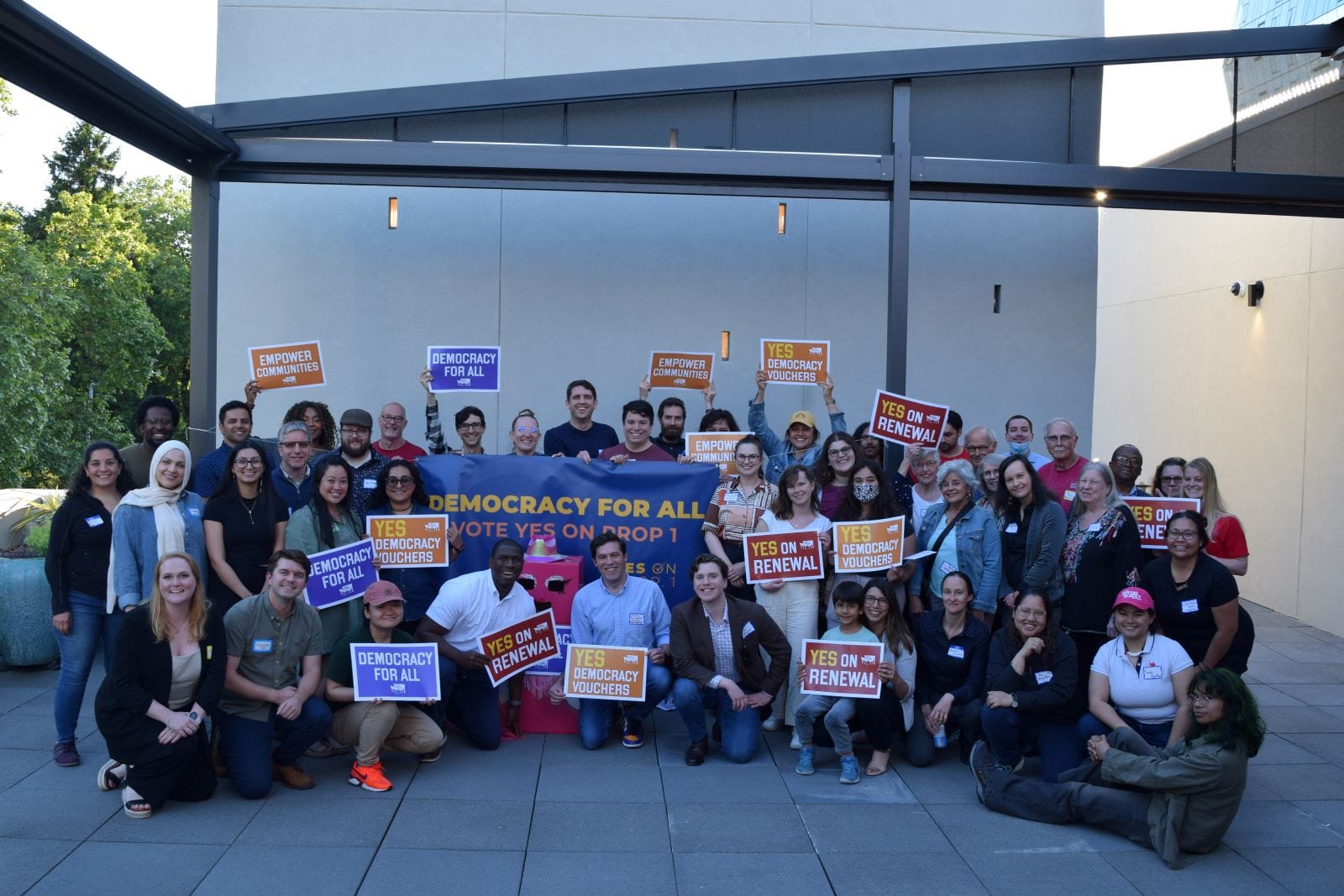
Op-Ed: Renew Democracy Vouchers, Vote Yes on Seattle Prop 1
It is vital that Seattleites vote yes on Proposition 1 in the August 5 primary to renew the democracy voucher program for another 10 years. Here’s Jazmine Smith’s case for why.
It is vital that Seattleites vote yes on Proposition 1 in the August 5 primary to renew the democracy voucher program for another 10 years. Here’s Jazmine Smith’s case for why.
The Urbanist unveils top advocacy priorities for 2025 and offers some ways to get involved.
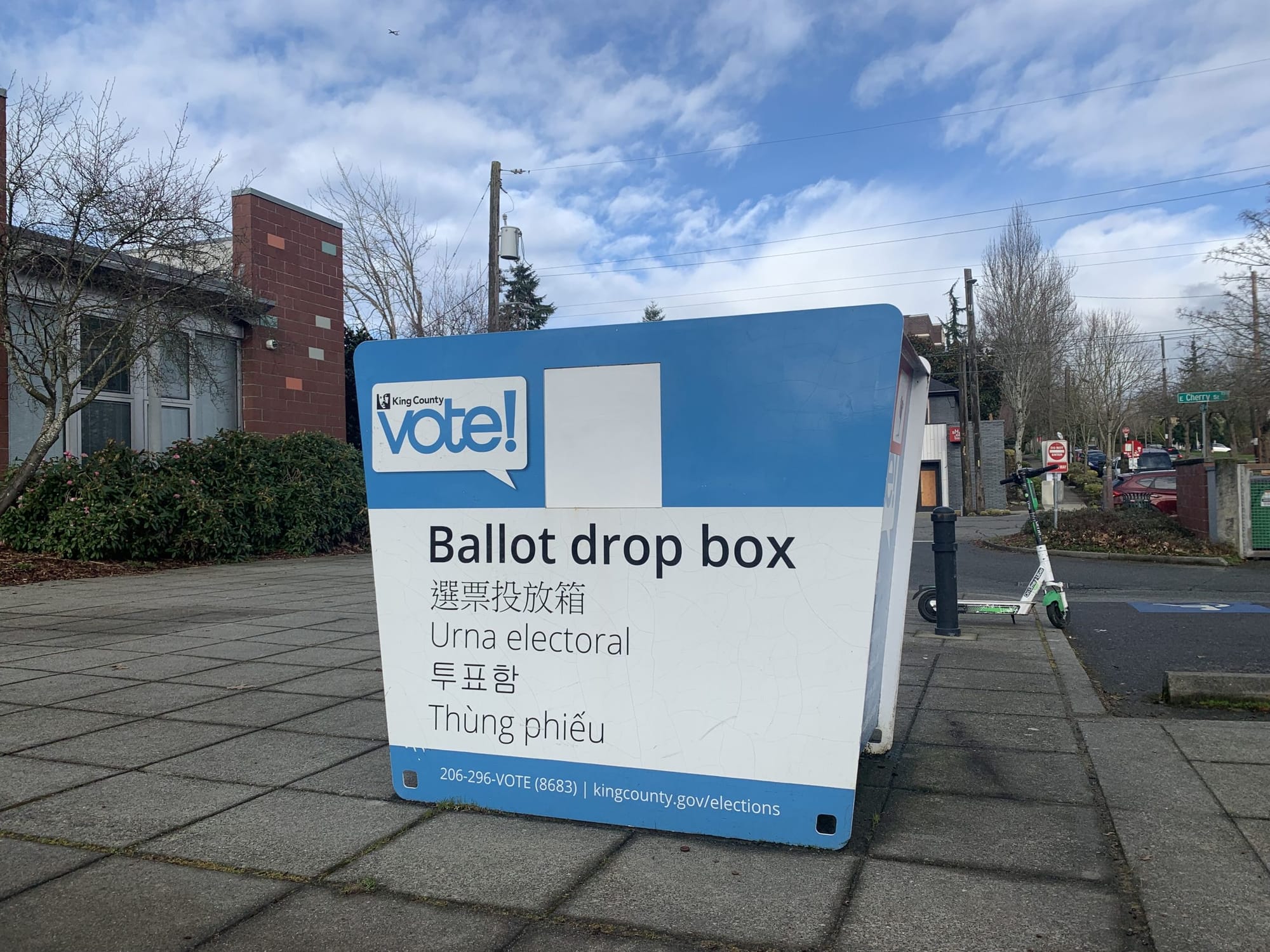
April 25 Ballot to Decide Operations and Construction Measures around Puget Sound. Ballots have reached voters for the upcoming April special election, with the off-season, off-year vote focusing on funding districts and services in all corners of the region. The ballots are due April 25 by 8pm. The useful mnemonic
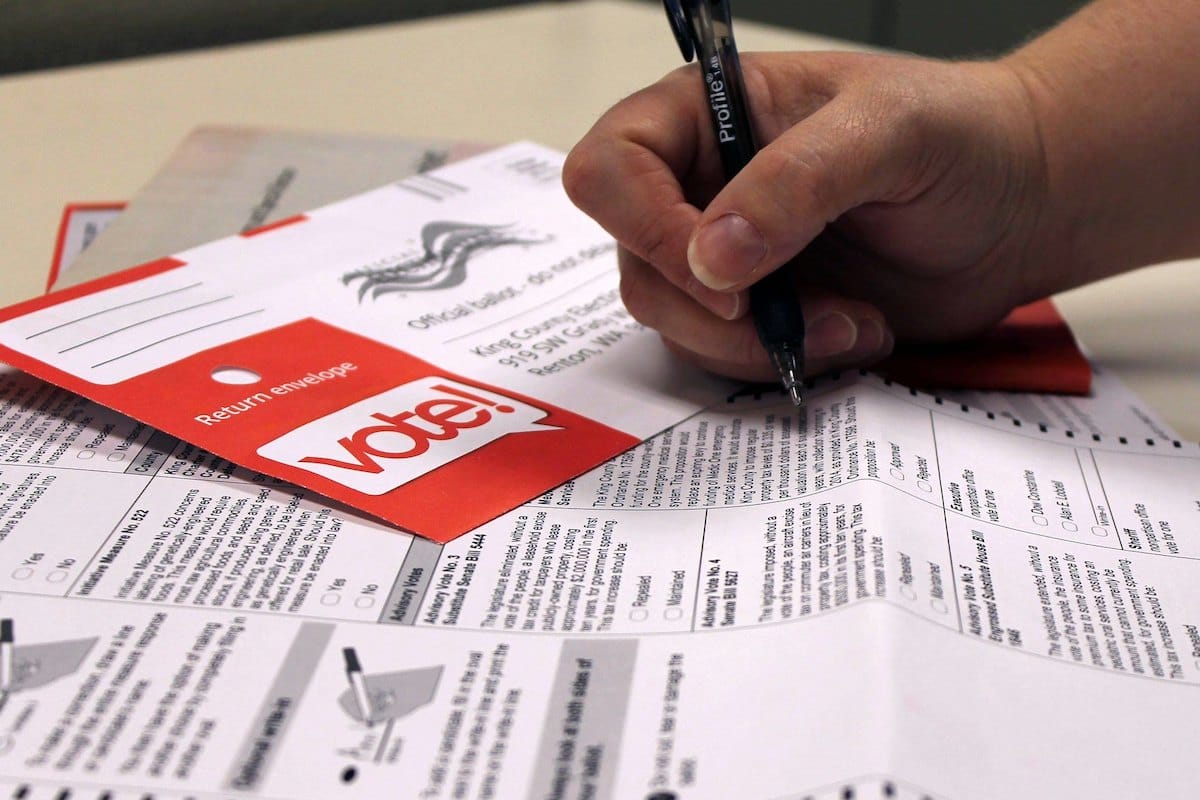
With only 13 days to go before the General Election, ballots are officially in the hands of Washington voters. This is your reminder that your ballot is sitting on the kitchen counter. Find it. Fill it out. Mail it in or drop it off by November 8. Here are your

Move aside pickleball, it’s time to give another rapidly growing sport in the Puget Sound the limelight. “Cricket has seen an exponential growth in our region,” longtime Bellevue resident Yatin Aras said during an interview with The Urbanist. “The number of cricket teams has grown from six when I
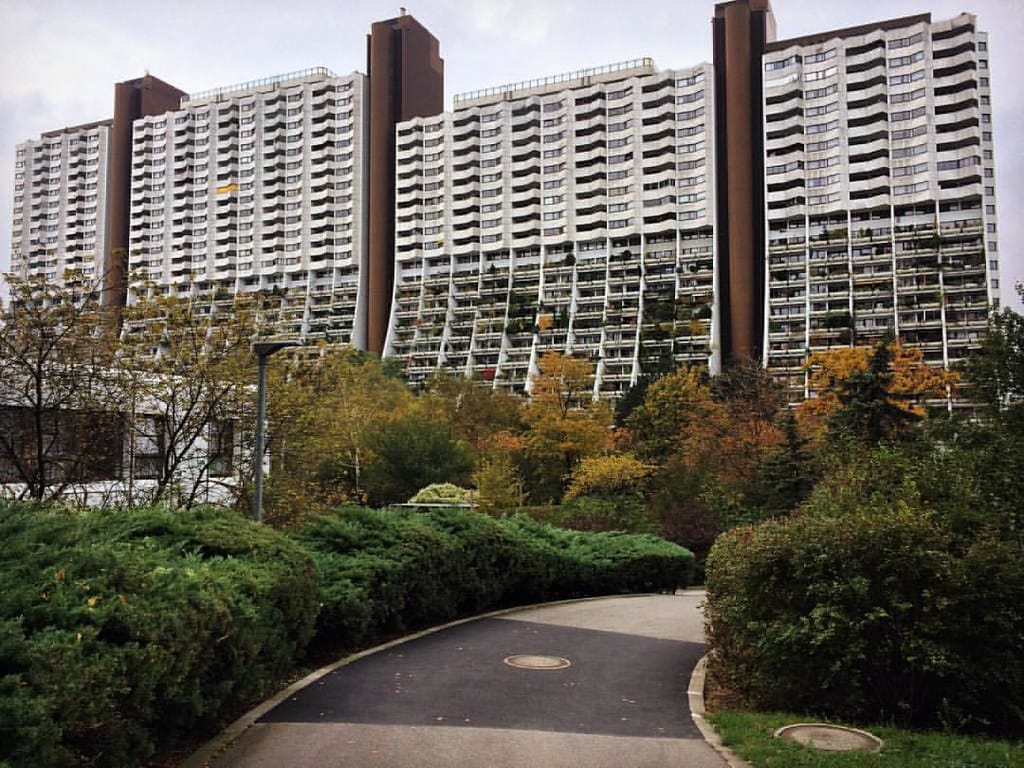
In this podcast episode, Ray and I discuss the current proposed ballot initiative to create a public development authority (PDA) that would be tasked with constructing and owning mixed-income social housing in Seattle. It’s an ambitious plan modeled after social housing elsewhere in the world, notably Vienna, Austria, that
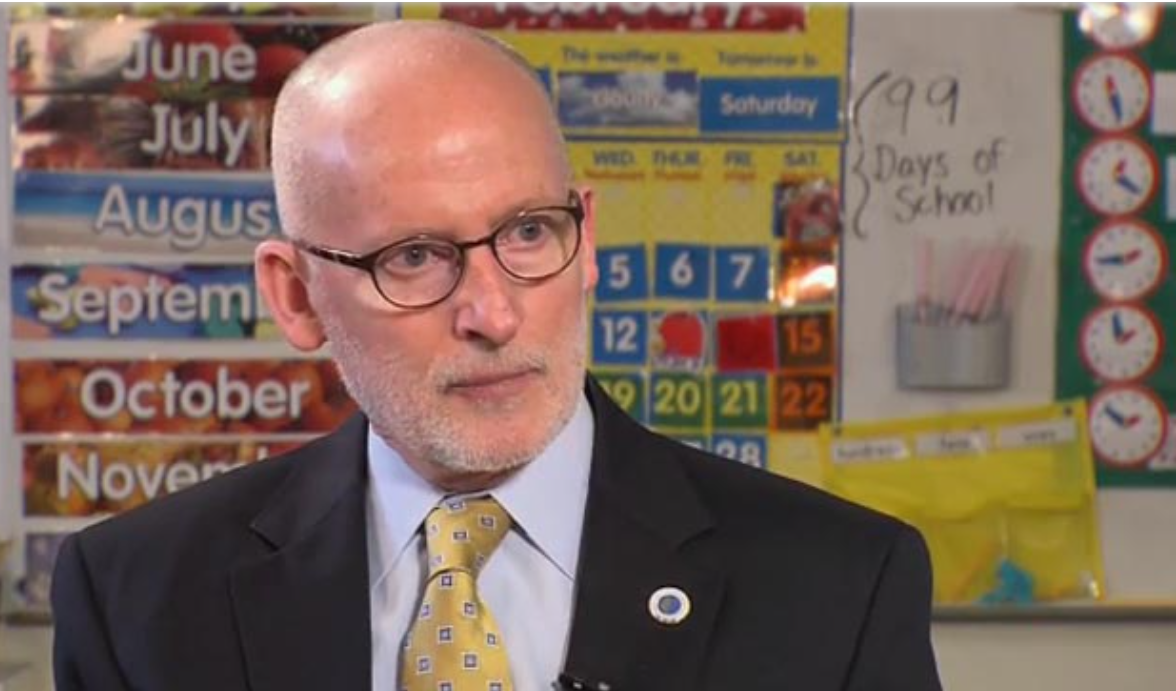
CA 29 is over, but the debate over how to end homelessness is not A three-judge panel from the Washington State Court of Appeals has declined a stay request from the campaign for “Compassion Seattle” City Charter Amendment 29 (CA29) that would have blocked King County Superior Court Judge Catherine
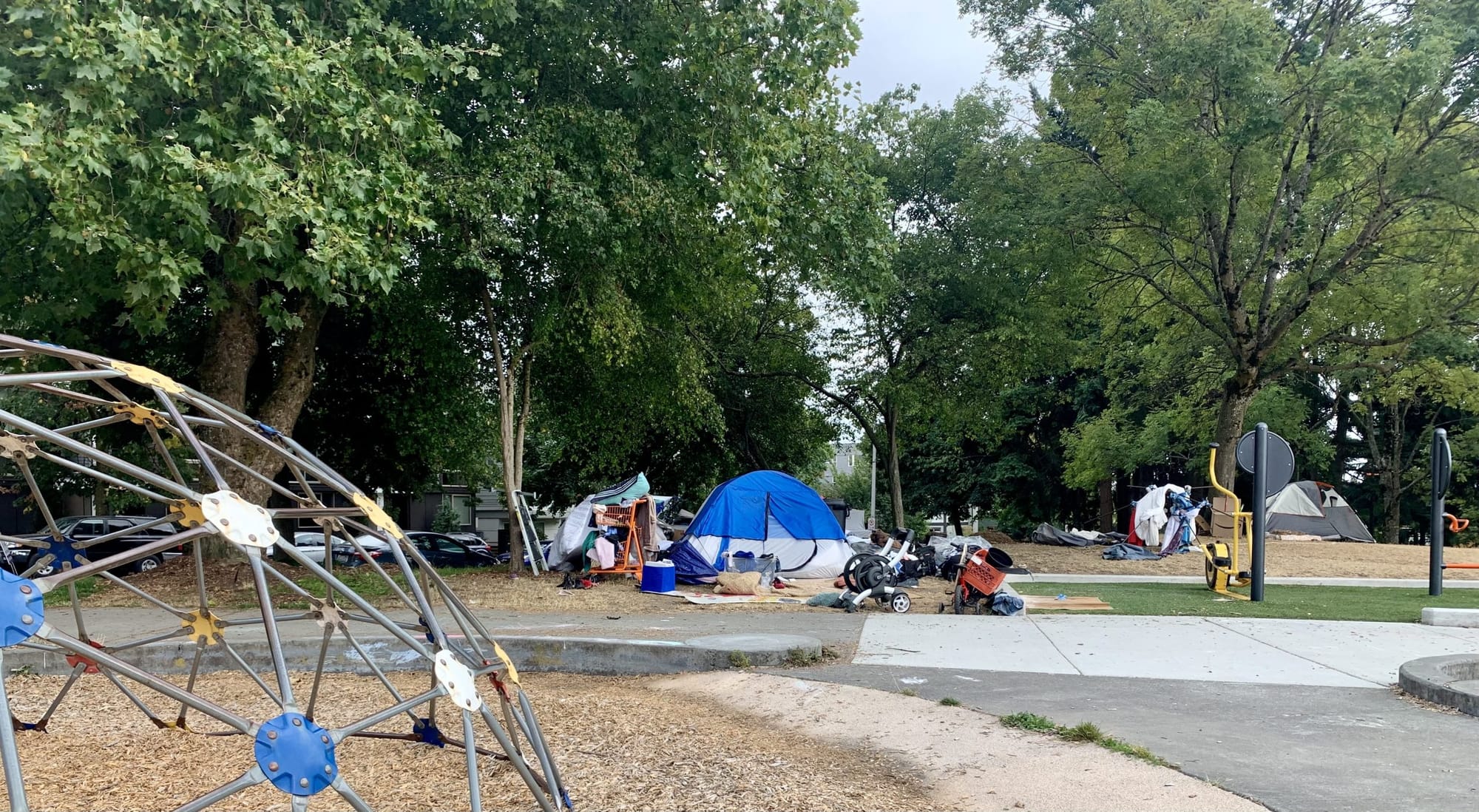
Seattle voters wait for a judicial decision that will determine if the controversial city charter amendment critics call an unfunded mandate masquerading as a homelessness solution will appear on the November ballot. In a recent mass email calling for donations, campaigners for the Compassion Seattle city charter amendment (CA29) asked
Marijuana legalization and drug decriminalization took a big leap forward this year. Arrests and prosecution of drug possession and sale has been disproportionate, but decriminalization can go a long way to undoing this paradigm. So far, politicians have not caught up with public opinion, Vox explai
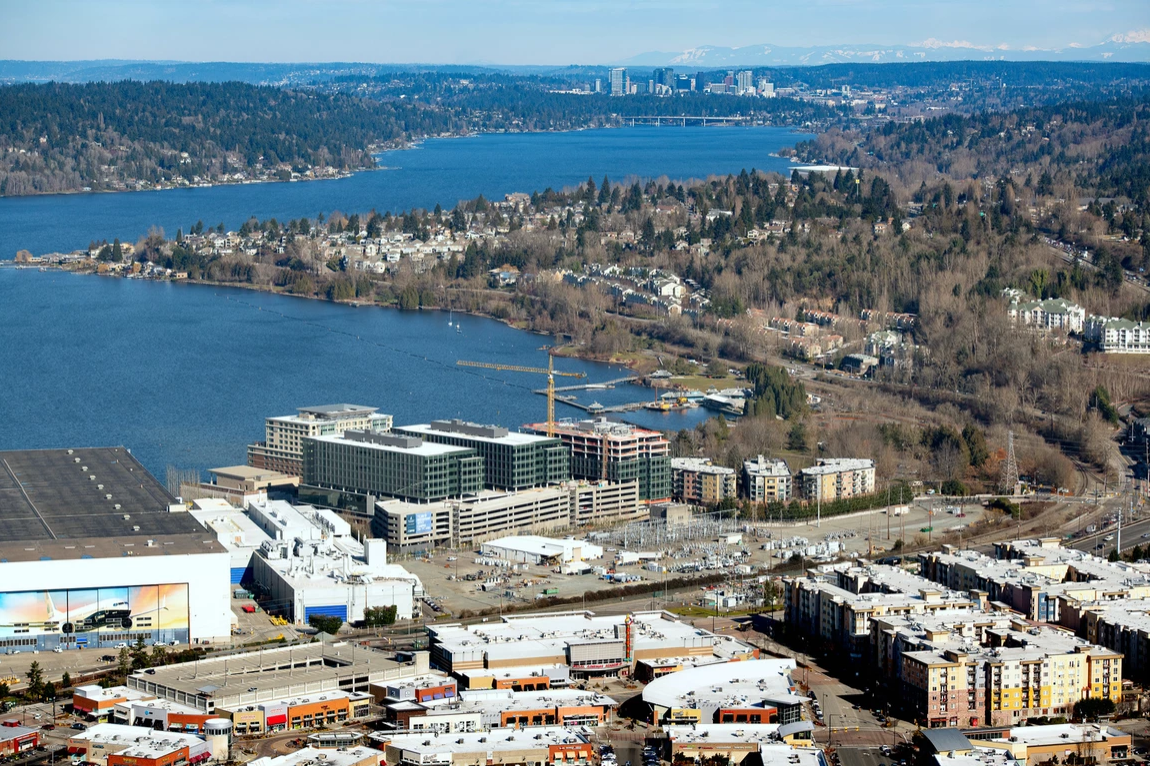
I. Those Left Out: Skyway and Bryn Mawr It is budget season. Throughout Washington, cities are creating budgets that reflect the dual impacts of pandemic and economic recession. Tax revenue is down. Rainy day funds are depleted. Community groups are applying important pressure to reconsider how we spend our tax
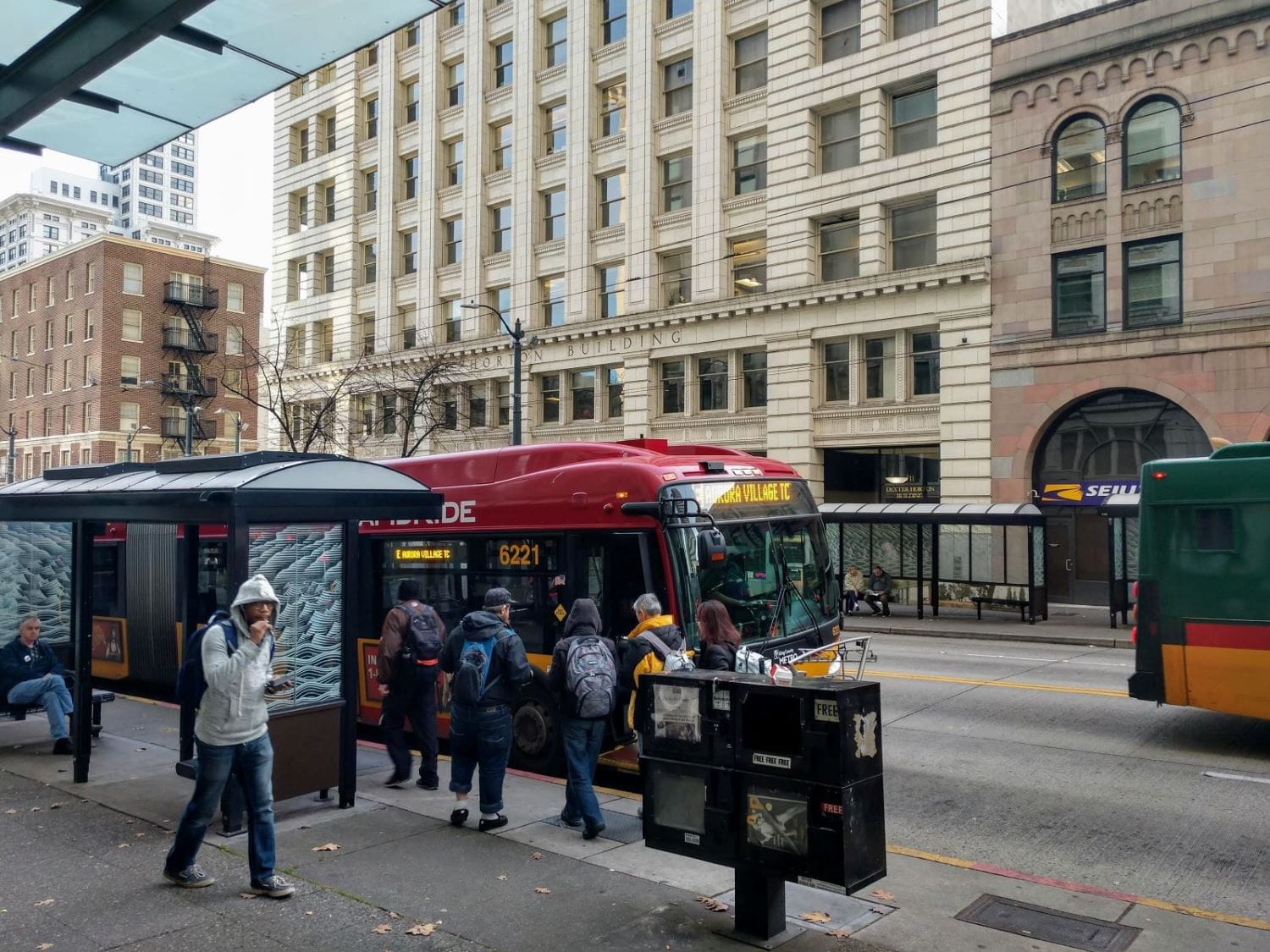
The Seattle City Council will decide the fate of the Seattle Transportation Benefit District (STBD) on July 27th. The Urbanist has partnered with Seattle Subway in a letter-writing campaign urging the City Council to support Councilmember Tammy Morales’ amendment doubling the size of the STBD renewal measure. Without Morales’ amendment,
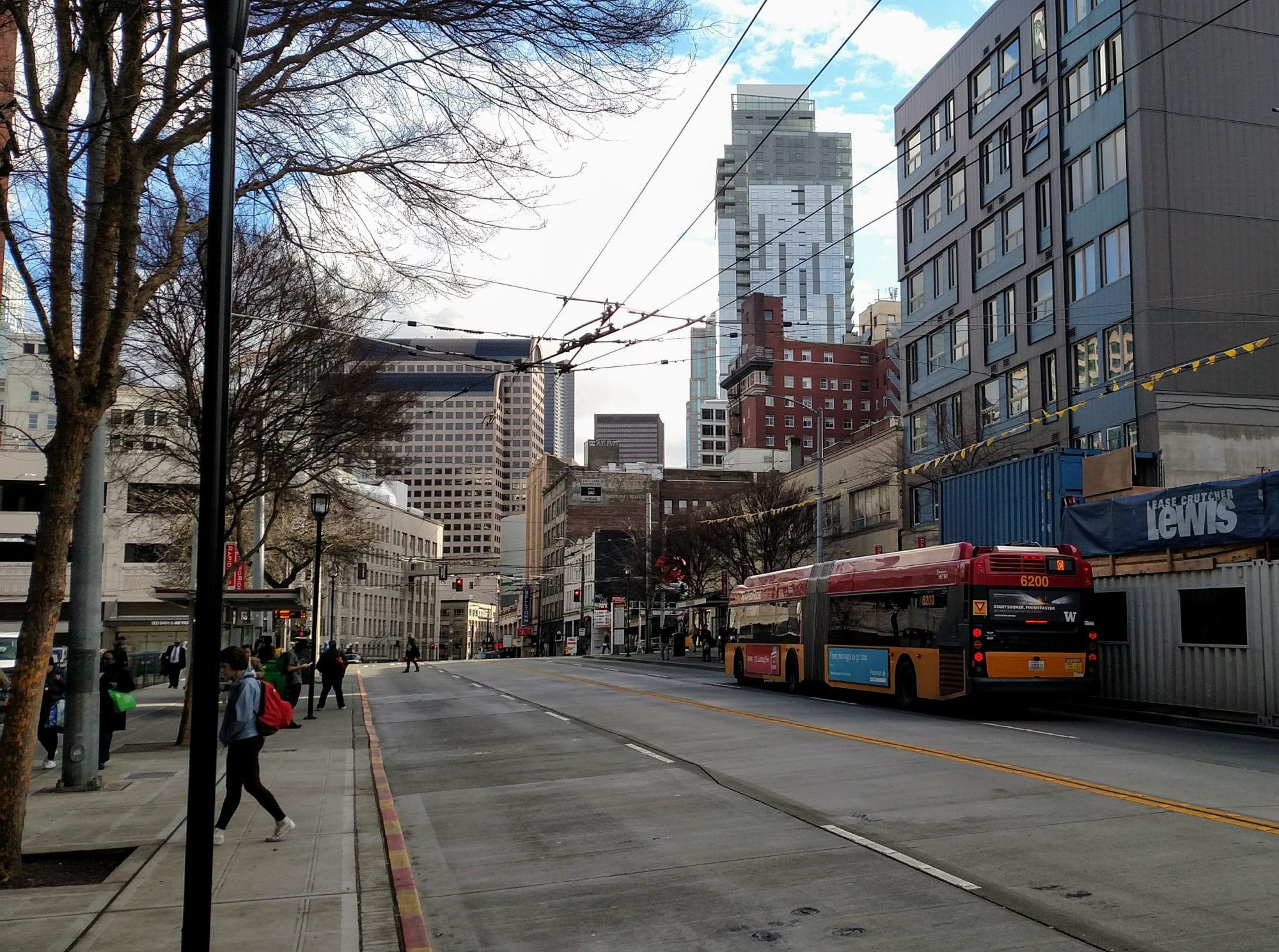
King County Council Chair Claudia Balducci announced yesterday that the County would not be advancing plans to run a transit package ballot measure in August. Since the measure was to be funded by a 0.2% sales tax, there was a fear it would exacerbate economic hardship from the novel
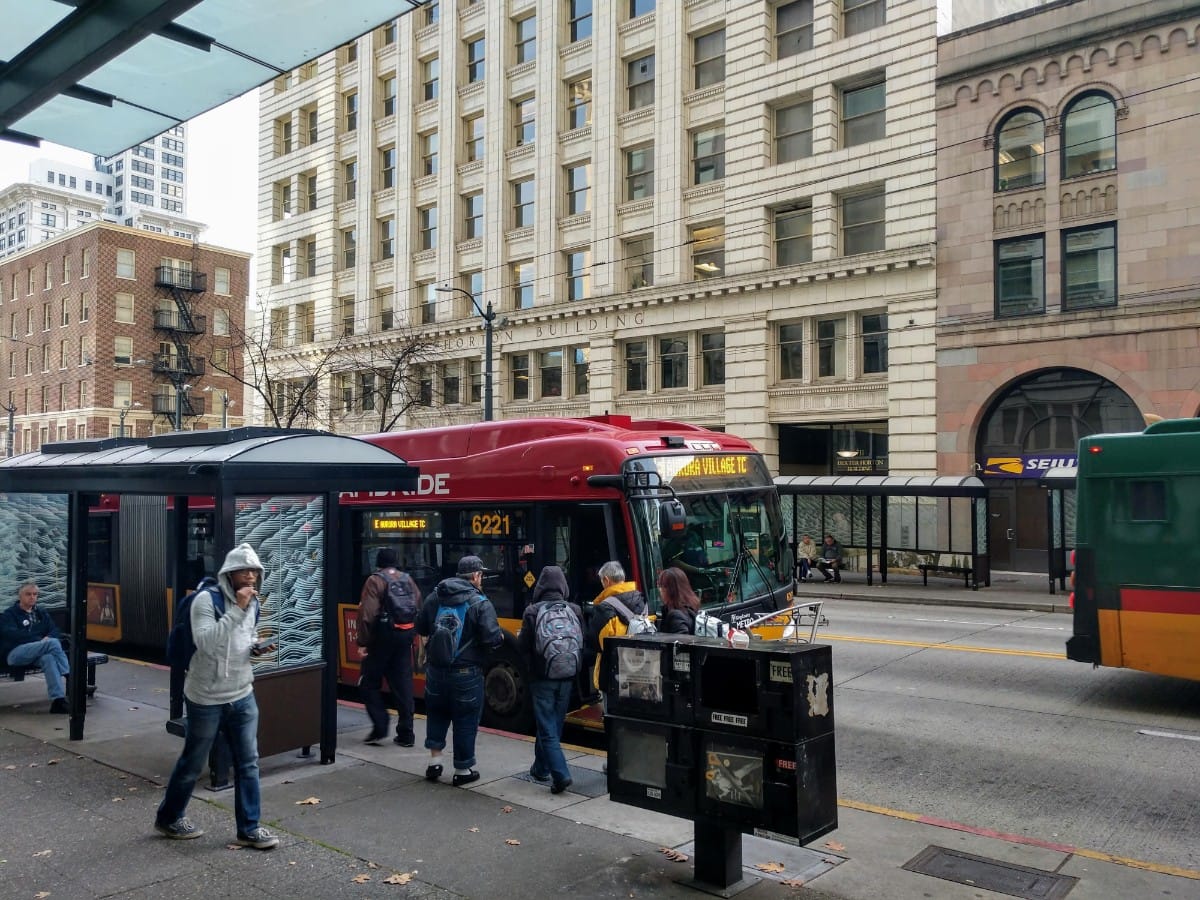
The King County Council unveiled some transit investment concepts for a countywide ballot measure at its full council meeting yesterday. The measure could jumpstart King County Metro’s efforts to electrify its fleet or it could focus on expanding conventional transit service. Either way, at $160 million per year, it
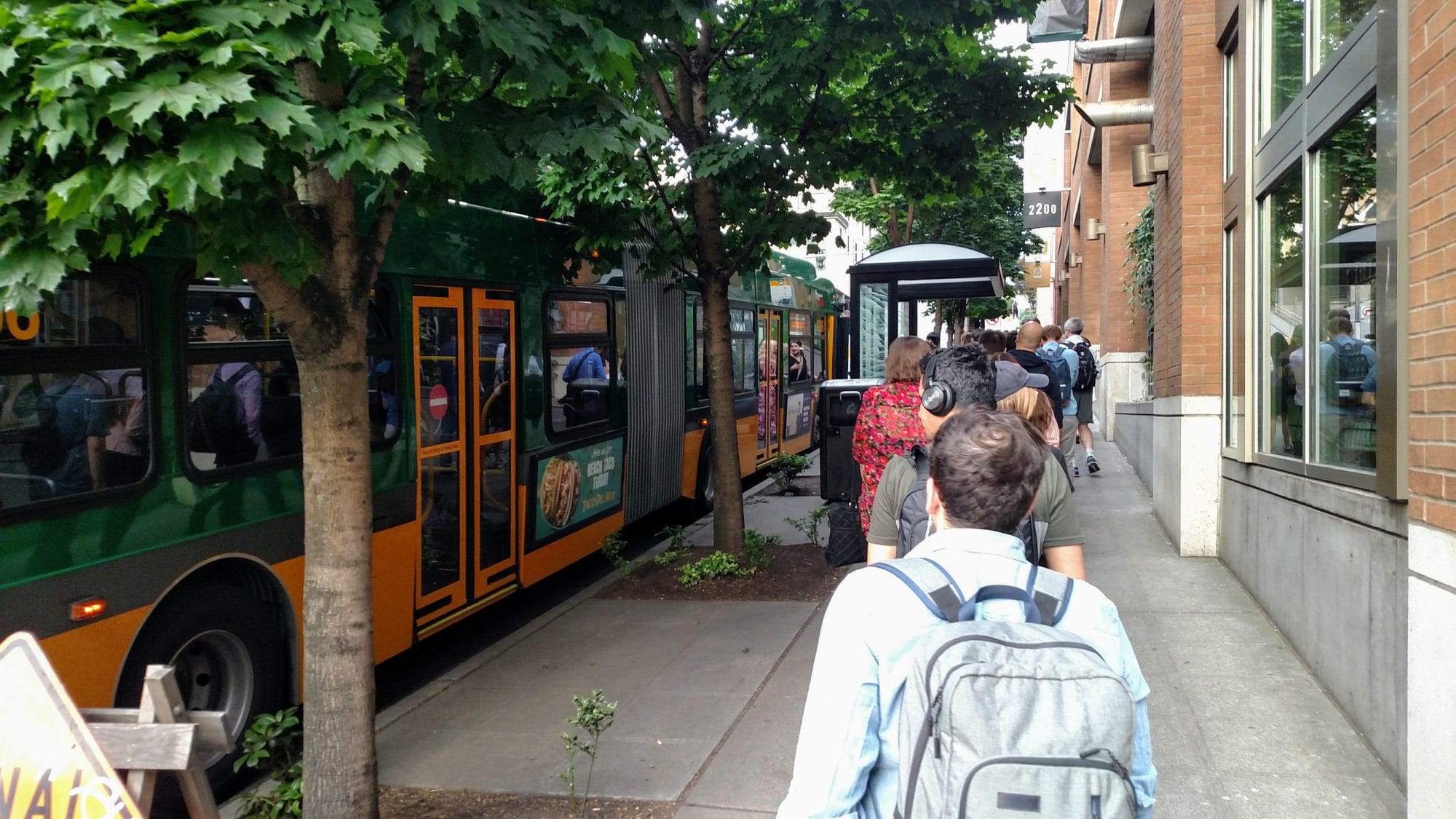
King County Superior Court Judge Marshall Ferguson granted an injunction on Initiative 976 this morning, pausing 175,000 hours worth of transit service cuts in the county and countless more impacts statewide. Timed just before the Thanksgiving holiday, the injunction should put transit advocates in a thankful mood. An injunction
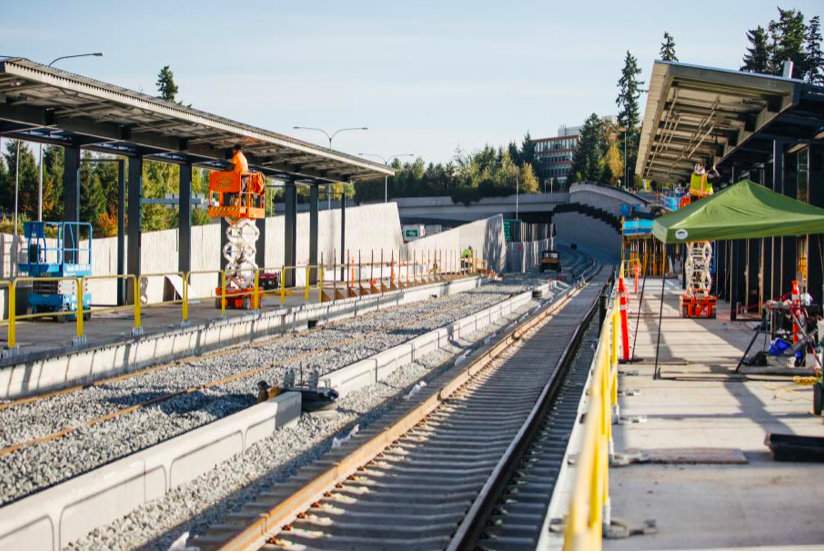
It is often said in American society that money talks, and this statement often seems doubly true when applied to politics. So what does it mean, then, when big campaign spending is defeated in the political arena? The failure of 2019’s two most expensive ballot measures, Initiative 976 in
Today, Seattle Subway launched a campaign to pressure state legislators to fund transit and undo the damage that Tim Eyman did by passing “$30 car tabs” via Initiative 976. Use this Action Network tool to make it quick and easy to email Governor Jay Inslee and your respective state legislators.
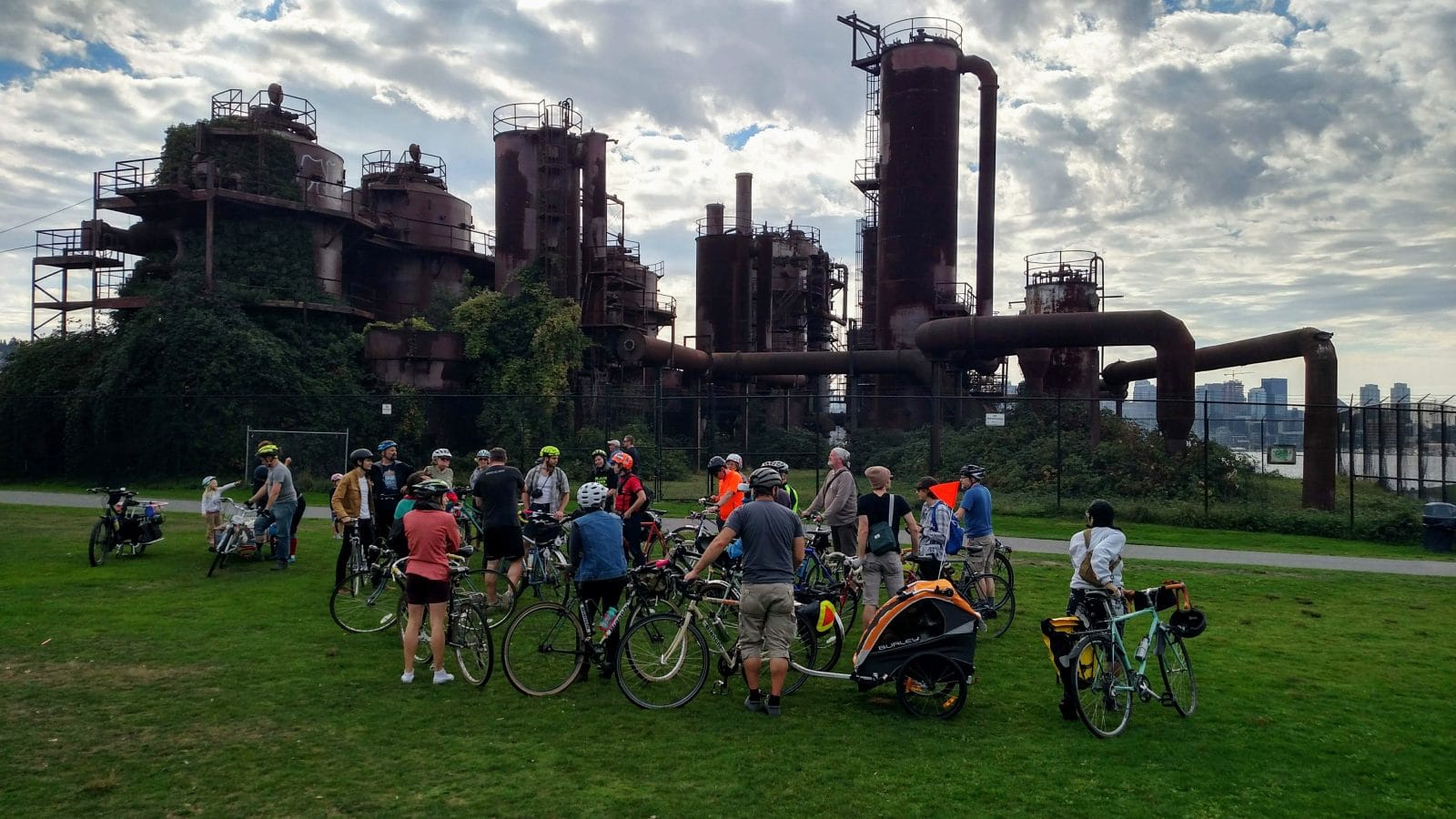
Team Urbanism took some lumps in 2018, but there’s plenty of opportunities to turn the tables and advance the cause in 2019. Our writers each lay out their hopes for progress in the coming year and what emerges is a bold vision of social justice urbanism that could well
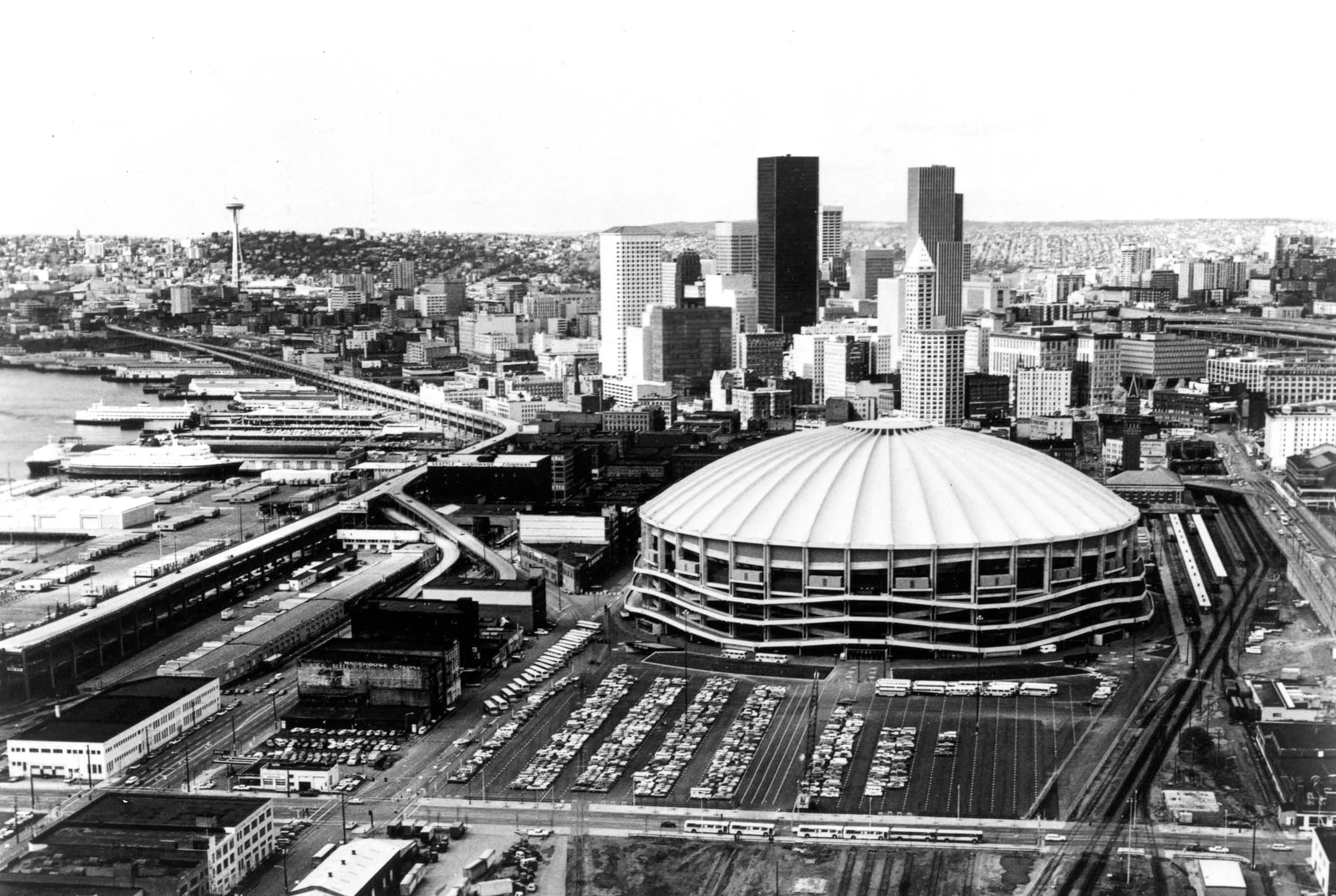
The disappointment that urbanists feel about Seattle’s failure to obtain a subway system in 1968 (see part one and part two of the Forward Thrust series) reminds me of… professional sports: the aspirations and the disappointment; the recrimination and lost opportunities; the parsing over stats and precinct data for
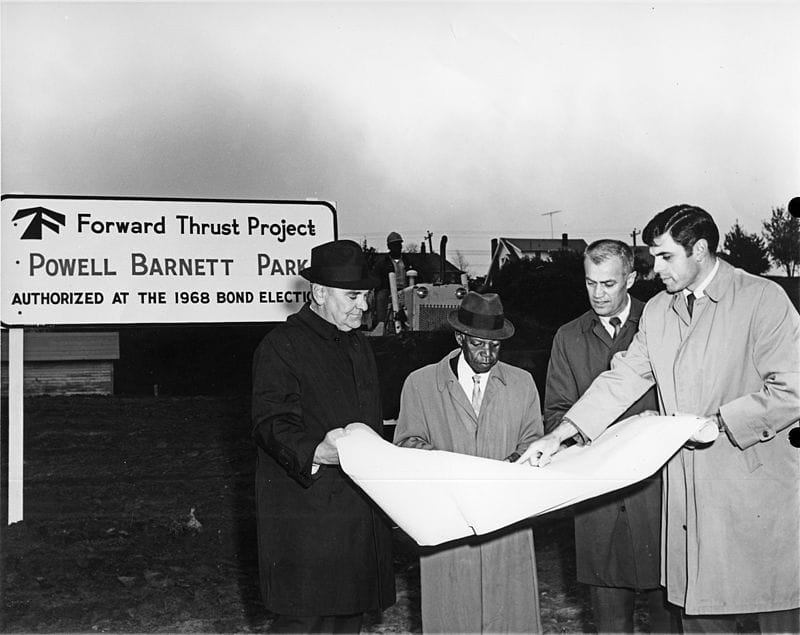
The Forward Thrust bond initiatives of 1968 and 1970 were a success because of their ambition. They were also failures because of their myopia. In this essay—the second installment of a four-part series I’m proud to have published here in The Urbanist—I want to take a look
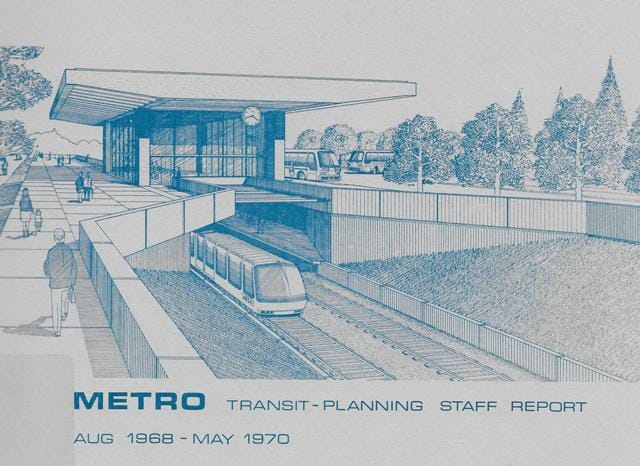
In December 2017 I had the fortune to pen, in my capacity as a columnist for City Arts Magazine, a retrospective essay about the impact of the Forward Thrust ballot initiatives. I looked backwards to Forward Thrust because I thought history could provide political answers that the self-proclaimed “progressive” present
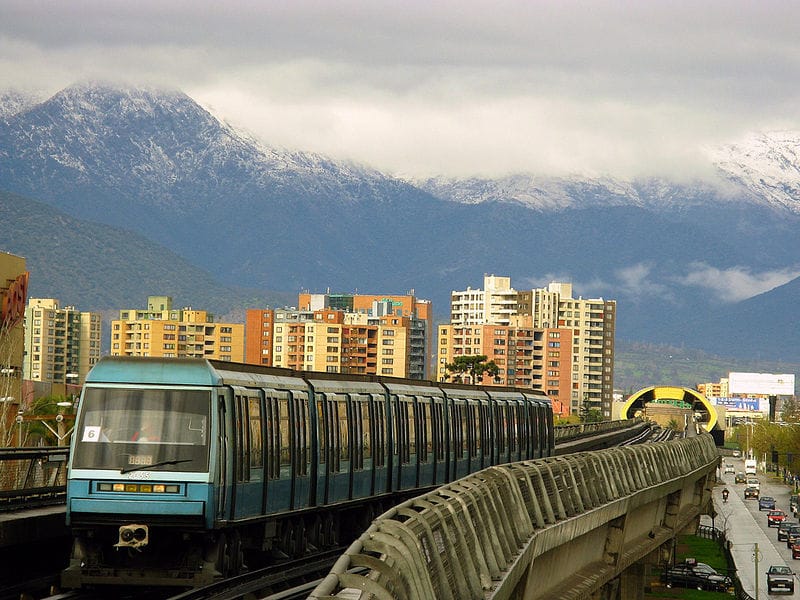
Awhile back I wrote about adding a RapidRide E rail line that continues to First Hill to Seattle Subway’s Vision Map, and the idea caught fire a bit. Seattle Subway proposed that by using rubber-tired metro technology, the project–which they dubbed the Magenta Line–could qualify to use
Washington’s perennial anti-tax troll Tim Eyman is back, fresh off of his failure to hurl another initiative (I-1550) across the finish line and reeling from a $2 million state lawsuit against him for campaign violations. In his latest affront to state and local finances, Eyman is taking aim at
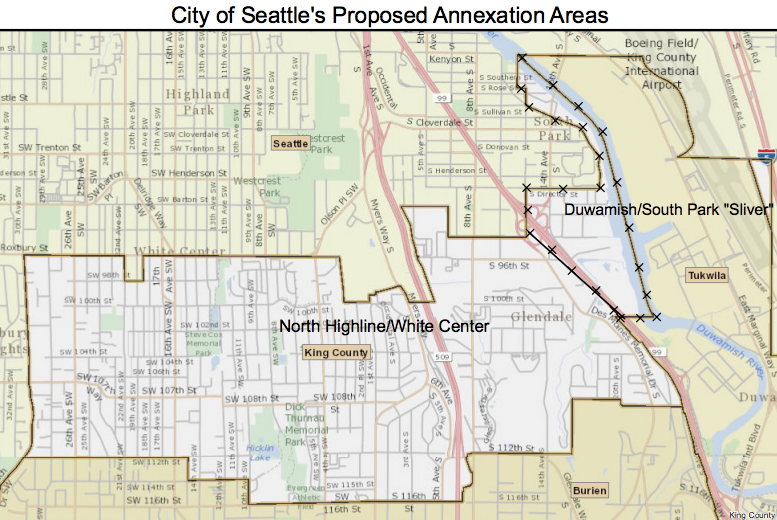
The City of Seattle is evaluating two proposed annexations near the southwest city limits that collectively could add more than 17,600 residents and 2,265-acres of land to the city. The city’s southern most neighborhoods in the area are comprised of Highland Park, South Park, and Roxbury Heights.
Editor’s note: On Monday we published a “Vote No On I-732” argument by Rebecca Saldaña. Today the second op-ed of our two-part series will make the case for I-732, a proposed initiative that would create a carbon tax, reduce some taxes, and make other related changes to state law.
Editor’s note: On Monday and Tuesday this week, two op-eds will appear on the publication making the cases for and against I-732, a proposed initiative that would create a carbon tax, reduce some taxes, and make other related changes to state law. The Urbanist did not weigh in on
Seattle Subway has been working hard lately to let folks know about Regional Proposition 1. Better known as Sound Transit 3, Proposition 1 is a transportation measure on the November ballot that guarantees expansion of light rail, commuter rail, and bus service throughout the Puget Sound over the next 25
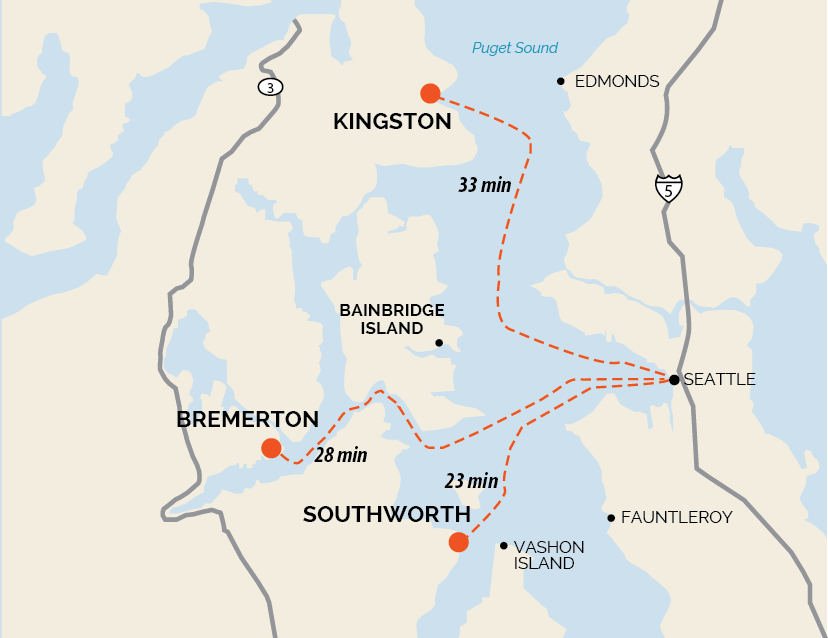
Kitsap Transit, an independent agency that operates bus and ferry service in Kitsap County, has a new website summarizing its plan to revive high-speed passenger ferry service. As we reported previously, if voters approve a 0.3 percent sales tax (3 cents on a $10 purchase) the plan would start