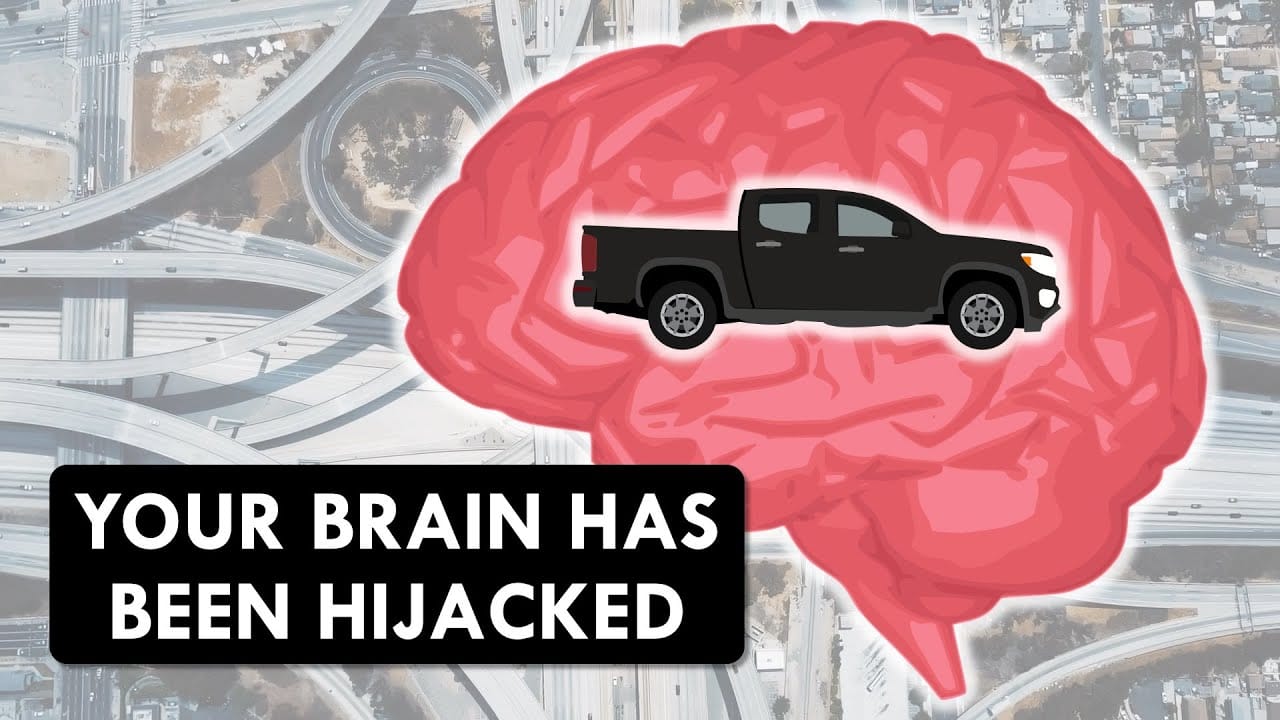
Sunday Video: What is ‘Carbrain’?
In this video, Ray Delahanty of CityNerd takes a dive into what “carbrain” is and how it affects how roads and highways are designed.
In this video, Ray Delahanty of CityNerd takes a dive into what “carbrain” is and how it affects how roads and highways are designed.
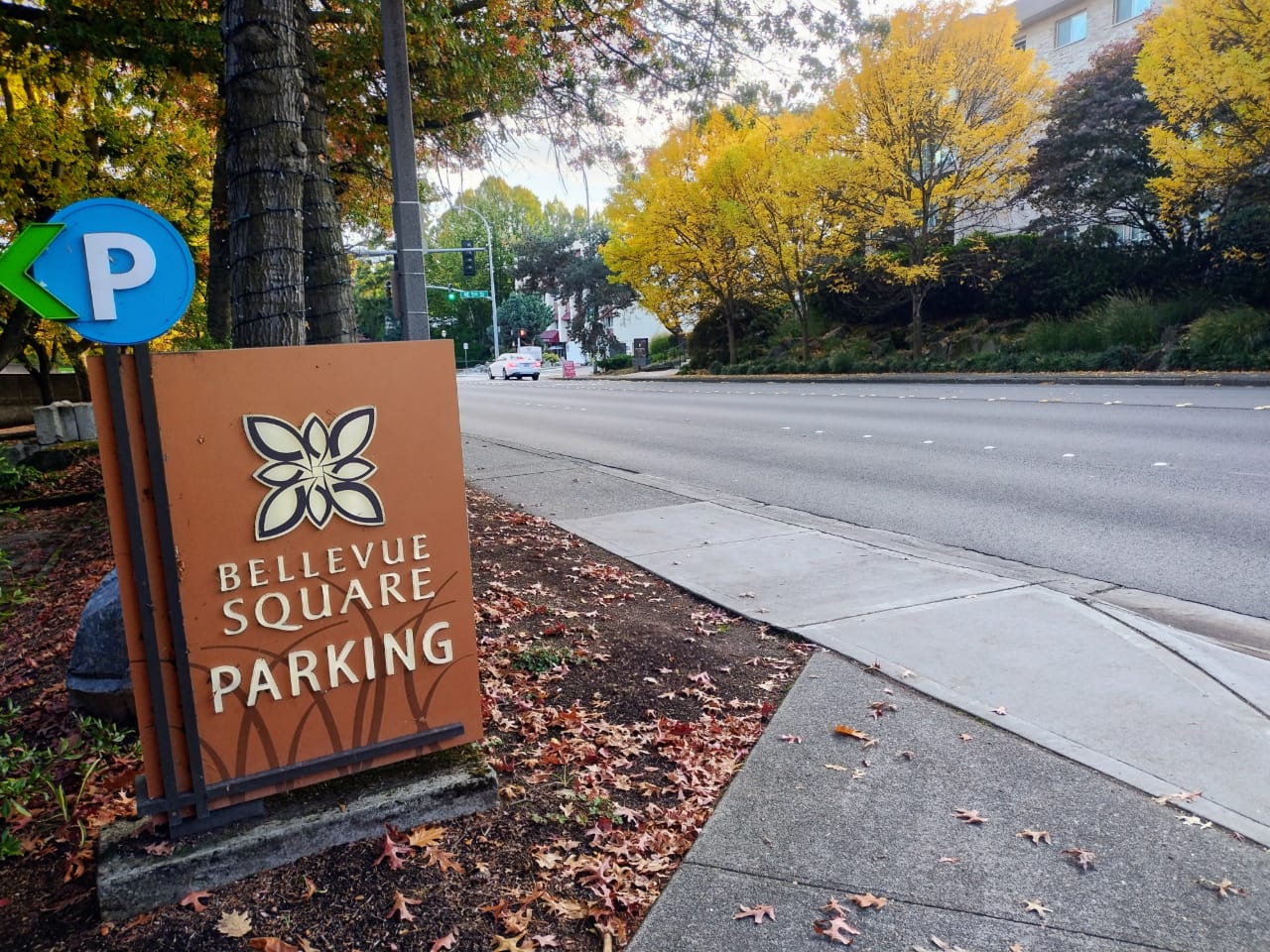
The Eastside’s largest city could ultimately go much further than the new statewide baseline in providing flexibility for builders when it comes to costly off-street parking stalls. Recent elections in Bellevue have likely changed the conversation that’s ahead.
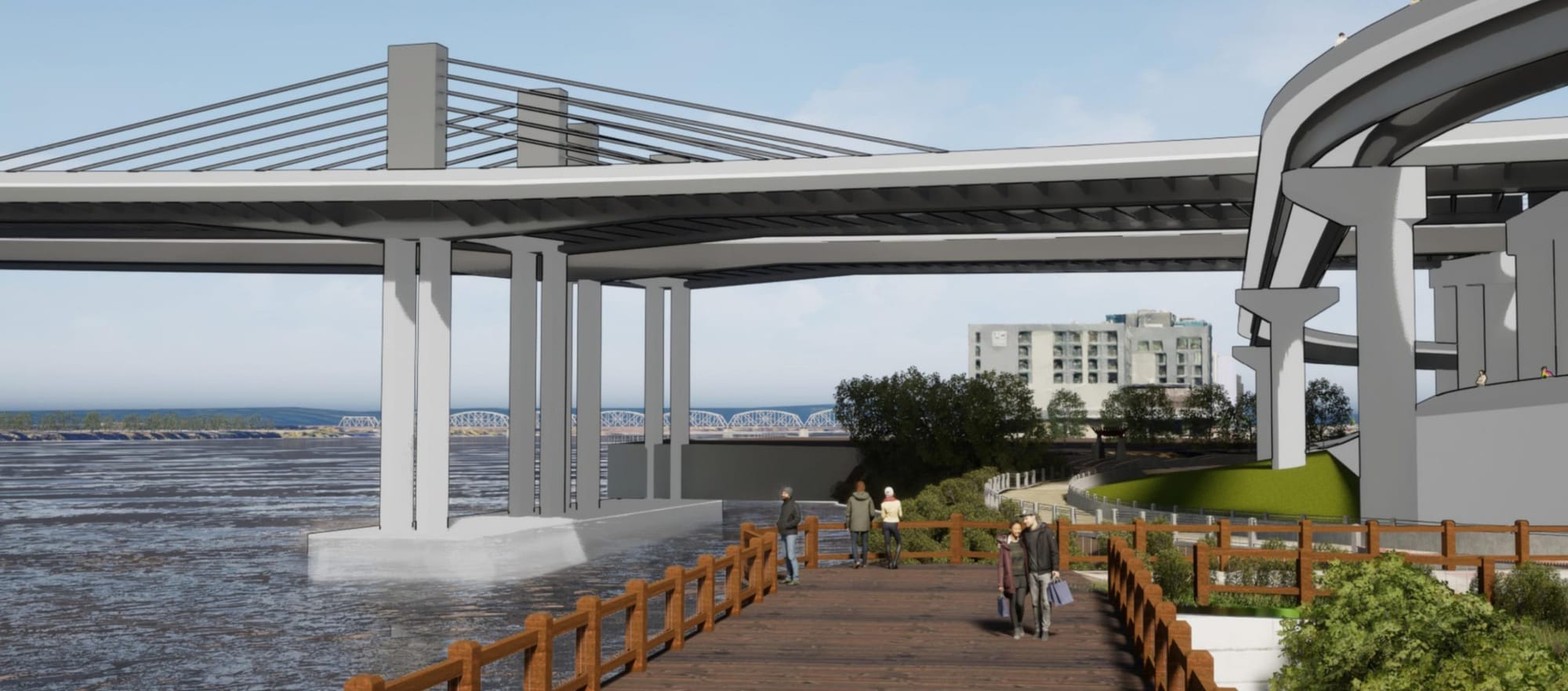
New cost estimates on the long-planned Interstate Bridge Replacement over the Columbia River reveal a funding gap that could range from $5 billion to a staggering $13 billion, an amount that neither Washington nor Oregon is prepared to absorb. The project looks poised to meet the same fate as a simi
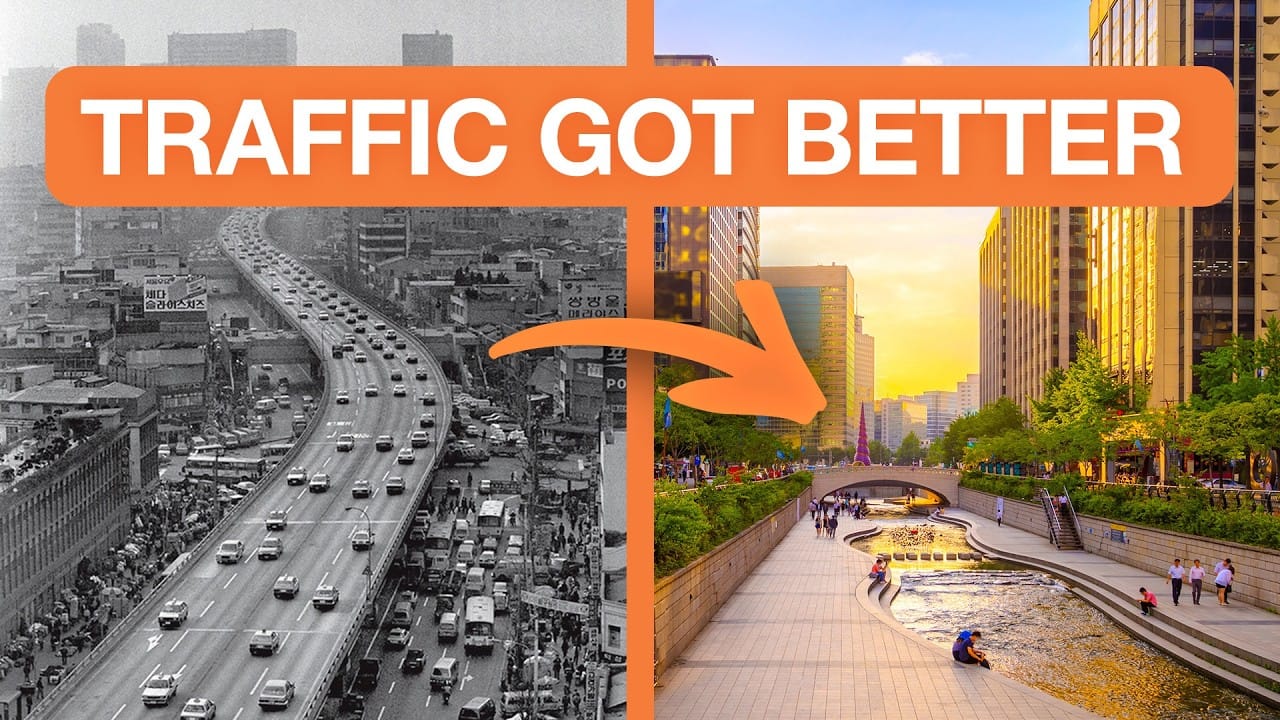
Jason Slaughter of Not Just Bikes showcases what Cheonggyecheon Expressway is like today, after being converted back to a creek and pedestrian pathway, including newer improvements in recent years.
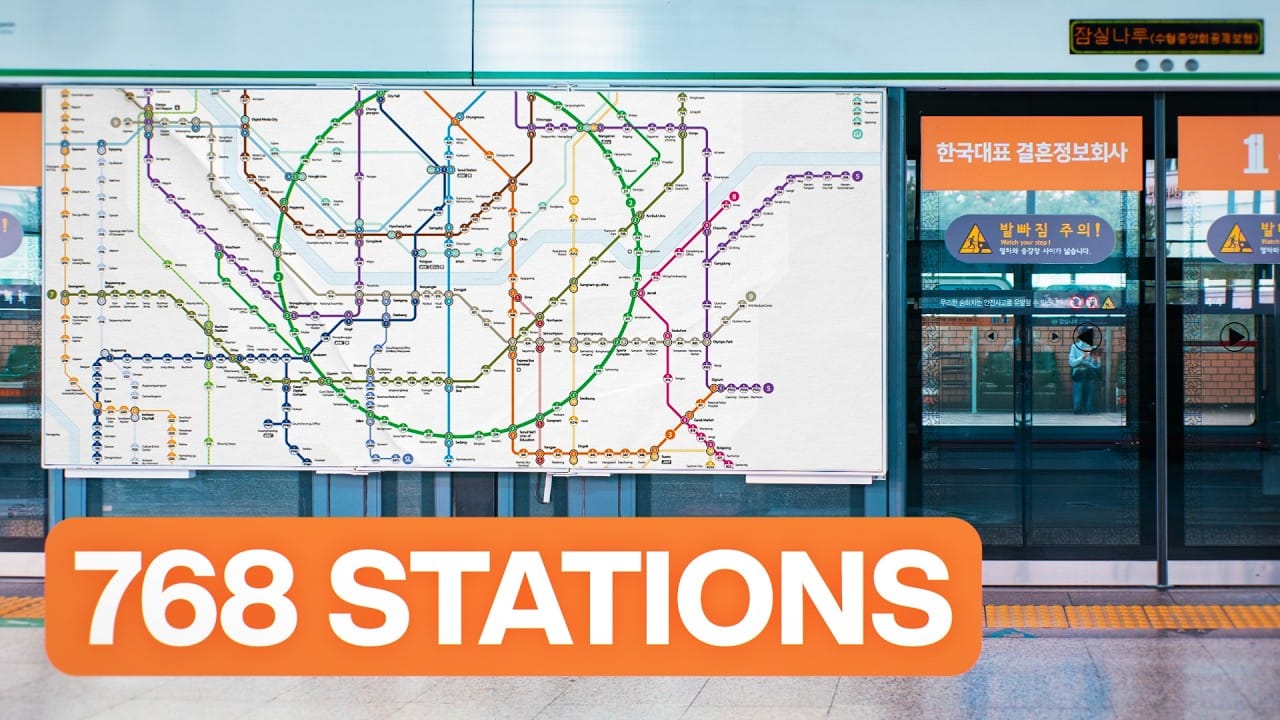
Seoul consists of a very densely populated region in South Korea with more than 26 million people — about half the country’s total population. Consequently, public transportation is critically important in moving people within and beyond the metropolitan area. The Seoul Metro alone has well over 600 stations crisscrossing the
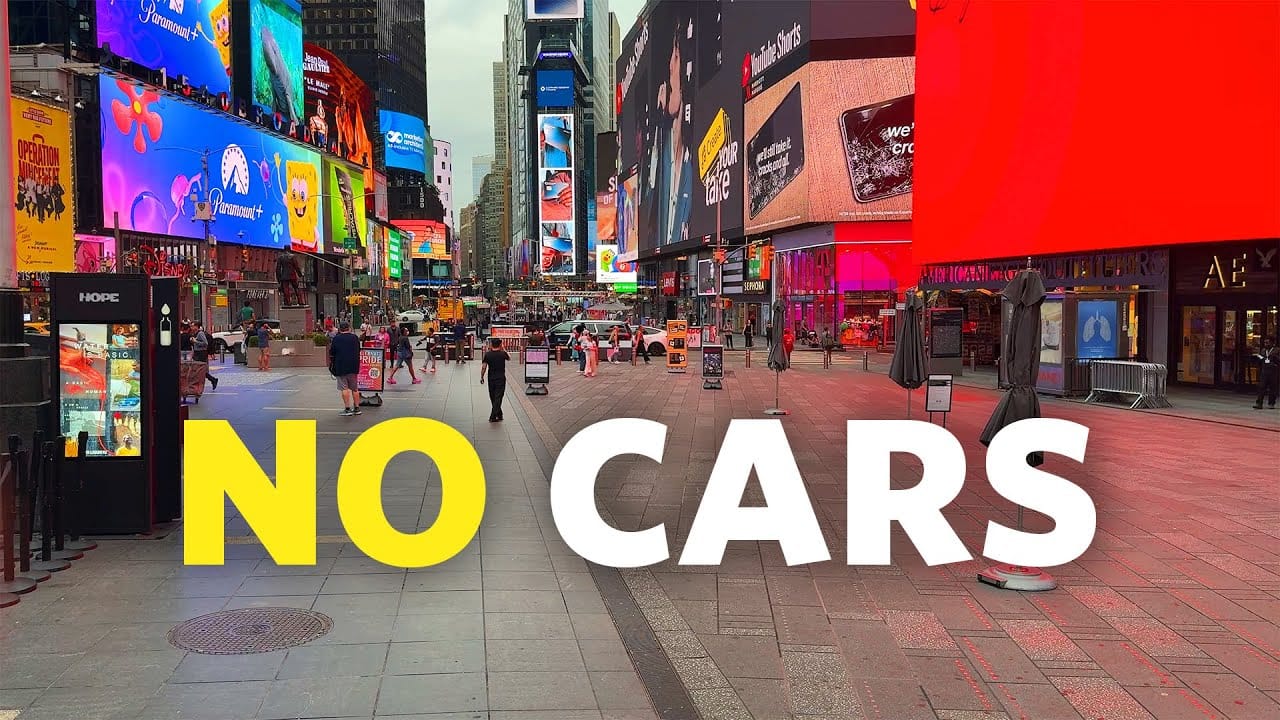
Dave Amos explains how New York City has increasingly moved toward pedestrianizing Broadway and how the effort is transpiring.
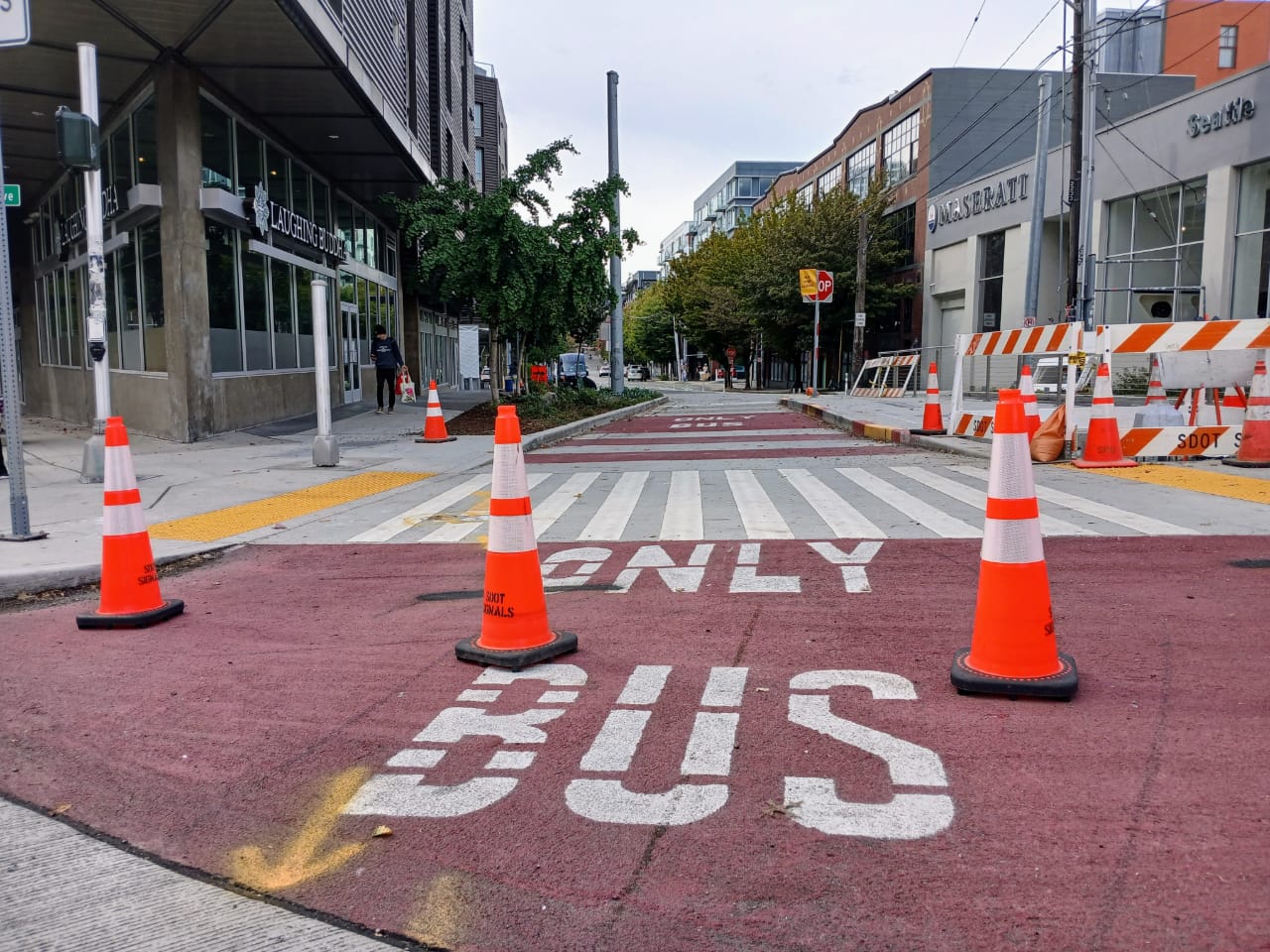
The City of Seattle will be removing an East Union Street bus only lane set aside for the Route 2 this weekend, ceding to requests from nearby property owners who have complained about traffic changes in the area. Bus riders are chagrined.
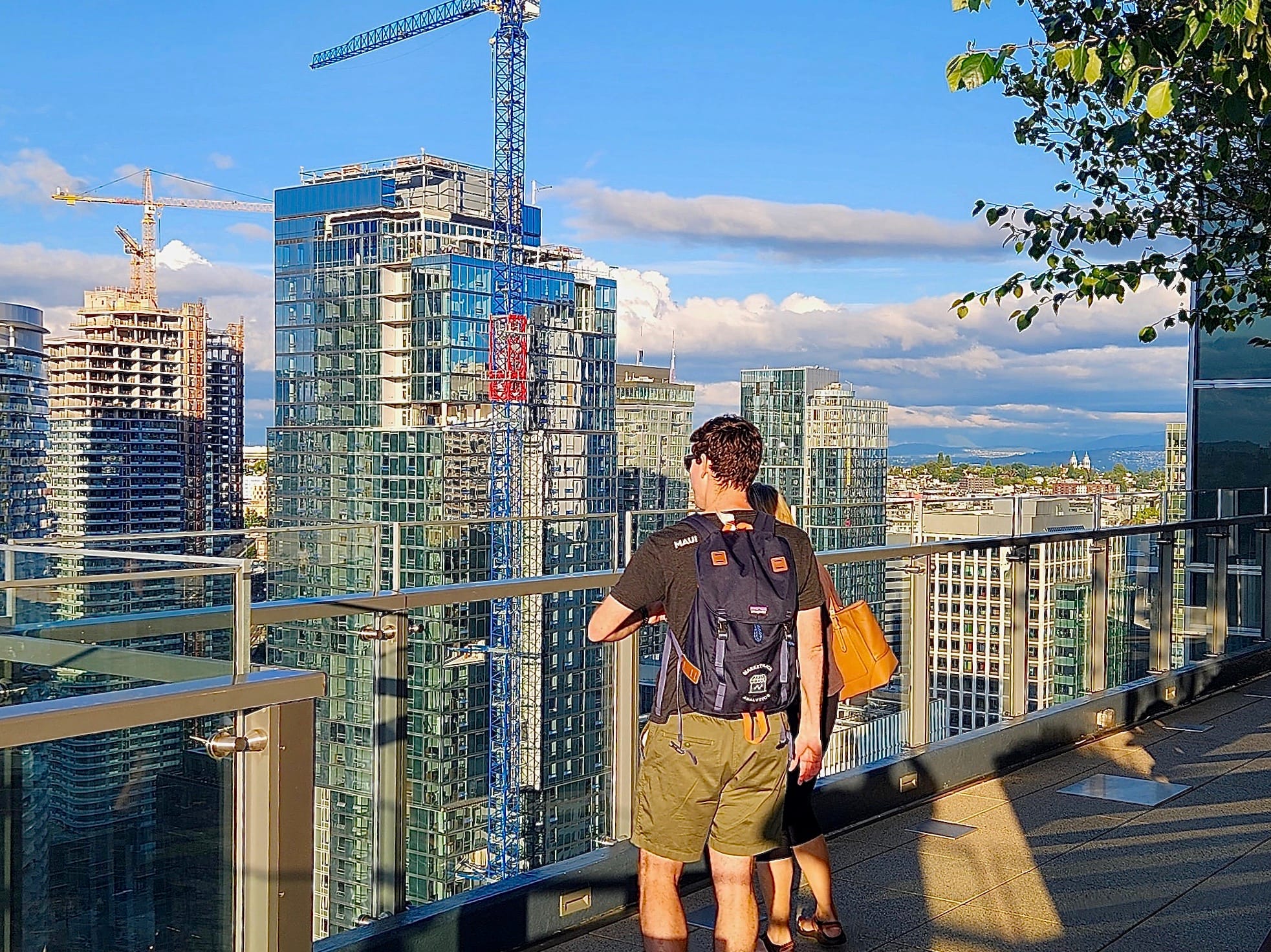
Seattle’s human population is growing fast, but its car population has stalled out. Between 2017 and 2023, Seattle added 35,000 households and about 80,000 residents, but just 3,300 cars, new Census data has revealed — in news that is music to urbanist ears.
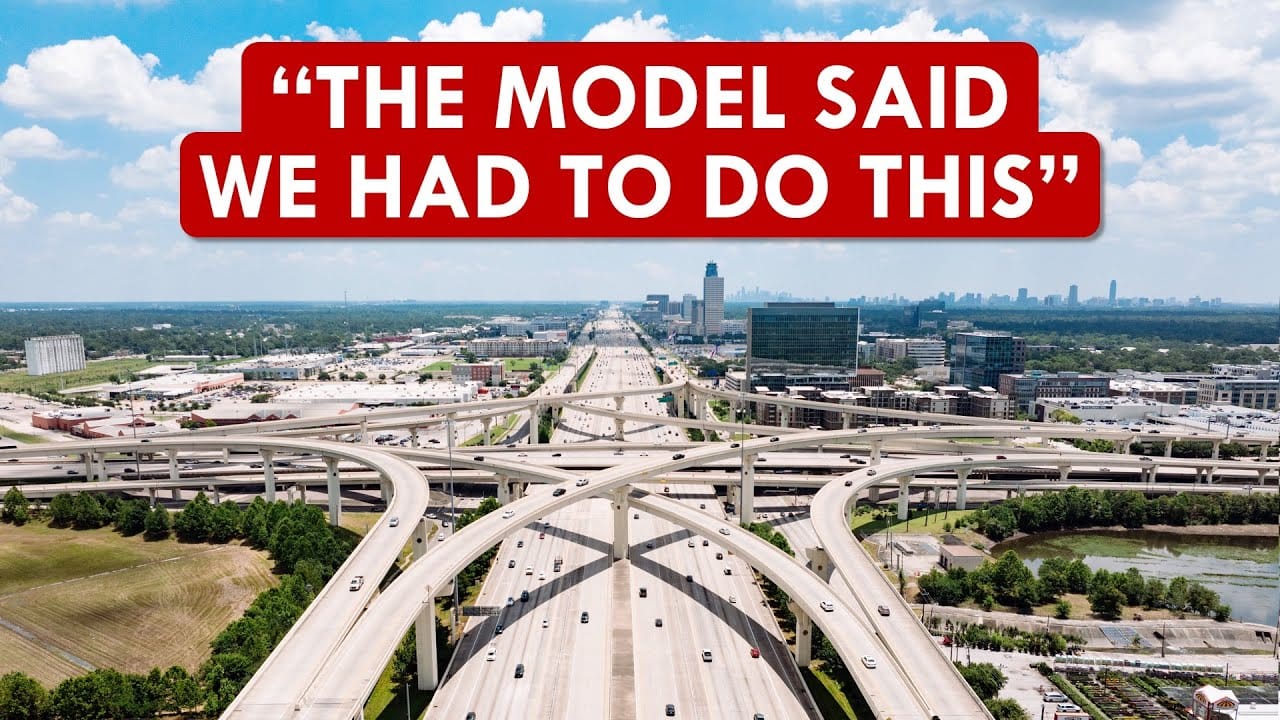
Ray Delahanty of CityNerd illuminates how traffic models work to reinforce bad assumptions and create inaccurate modeling that supercharges highway expansion. The result is a self-fulfilling prophecy that keep the U.S. trapped in a car-centric world, rather than investing in a greener future with mo
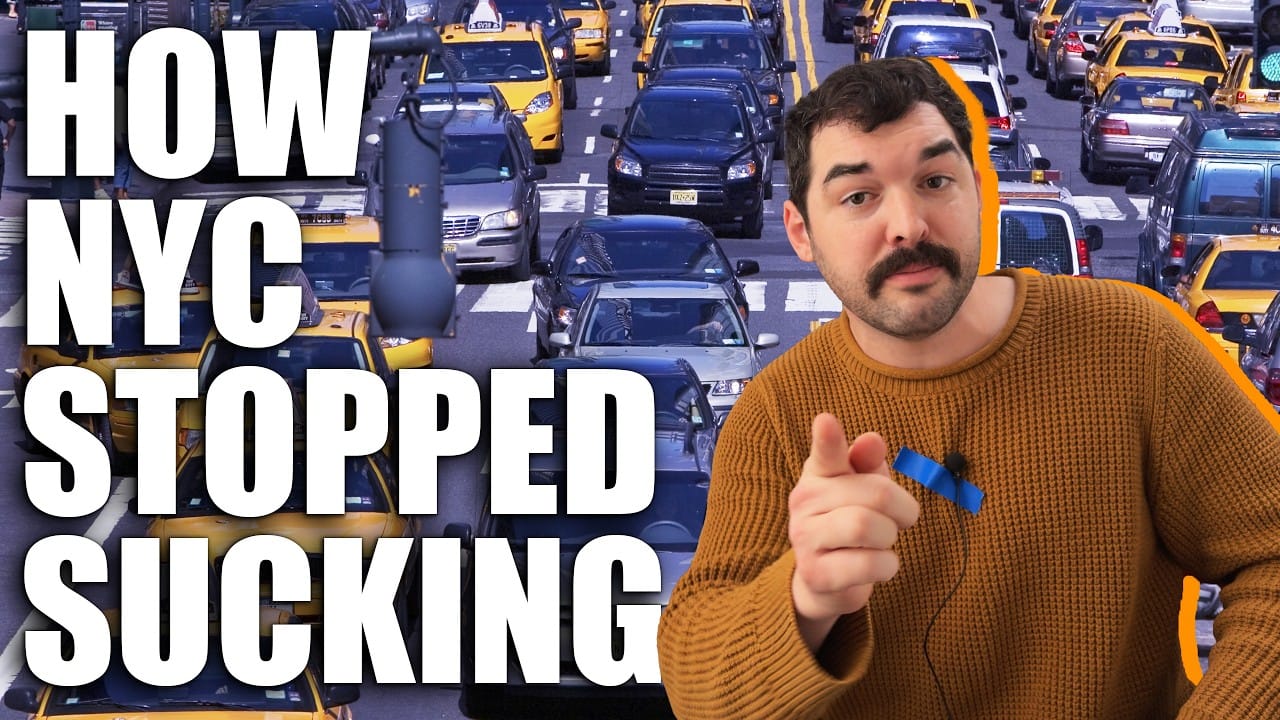
Rollie Williams of Climate Town dives into the long history of how road congestion pricing came to be and why it provides so many social, economic, and environmental upsides for the New York region.
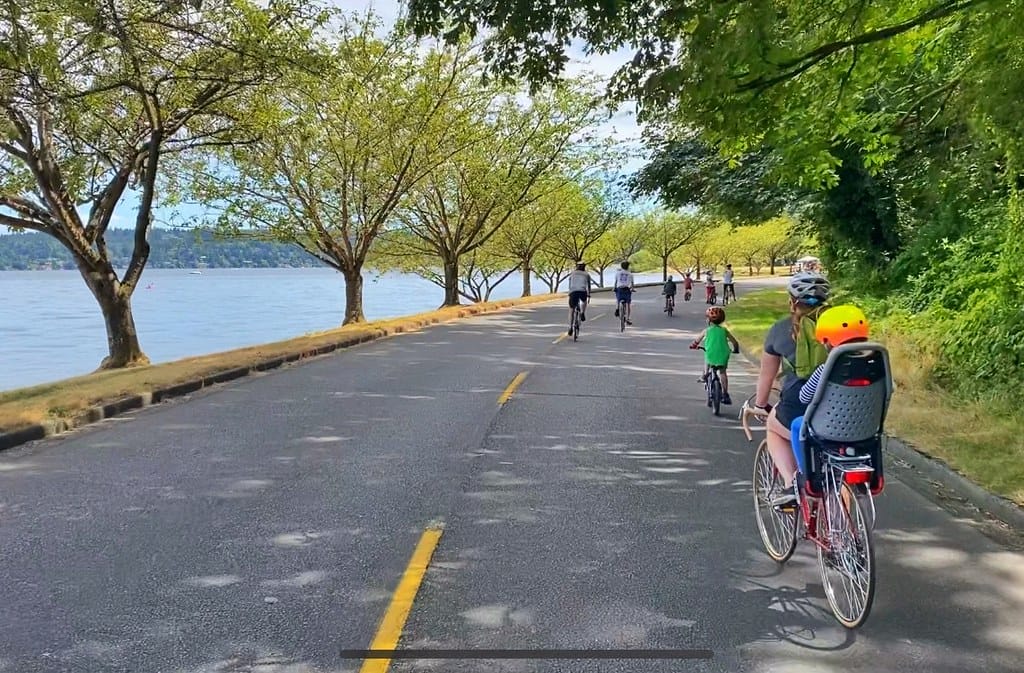
A June 15th hit-and-run crash on Lake Washington Boulevard during a Bicycle Weekend makes the case for expanding the event and improving safety features on the boulevard. The reticence of police to investigate hit-and-run collisions may also be contributing to a culture of motorist impunity.
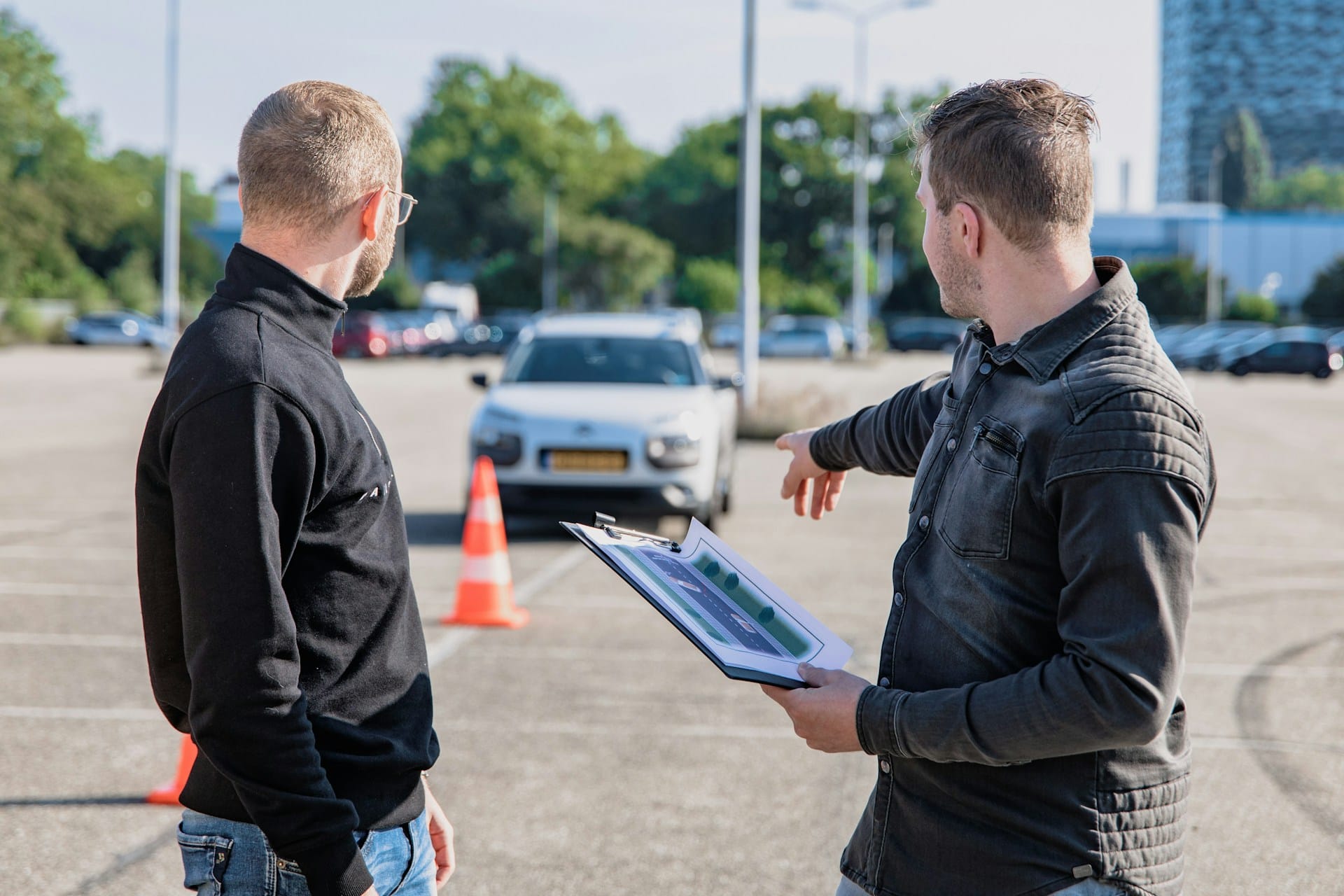
A newly signed Washington State law aims to “improve safety for young drivers” by expanding access to driver’s education and raising the minimum age at which new drivers can get a license without completing a formal driver’s education course.
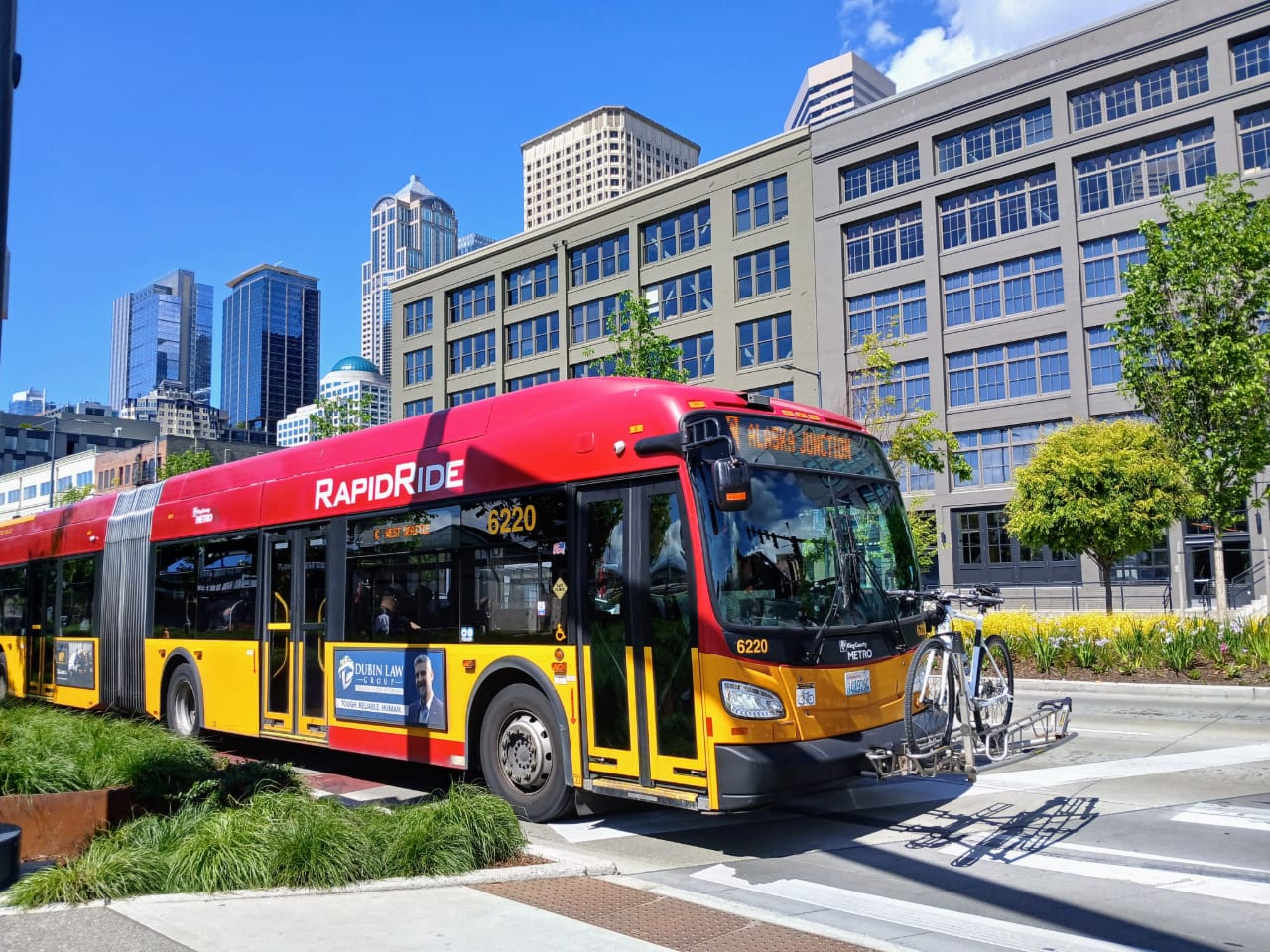
The proposal for a 0.1% sale tax hike comes in response to structural issues with King County’s budget, and would generate around $100 million annually. Half would fund maintenance on unincorporated roads, and the other half is likely to go to safety upgrades at Metro.
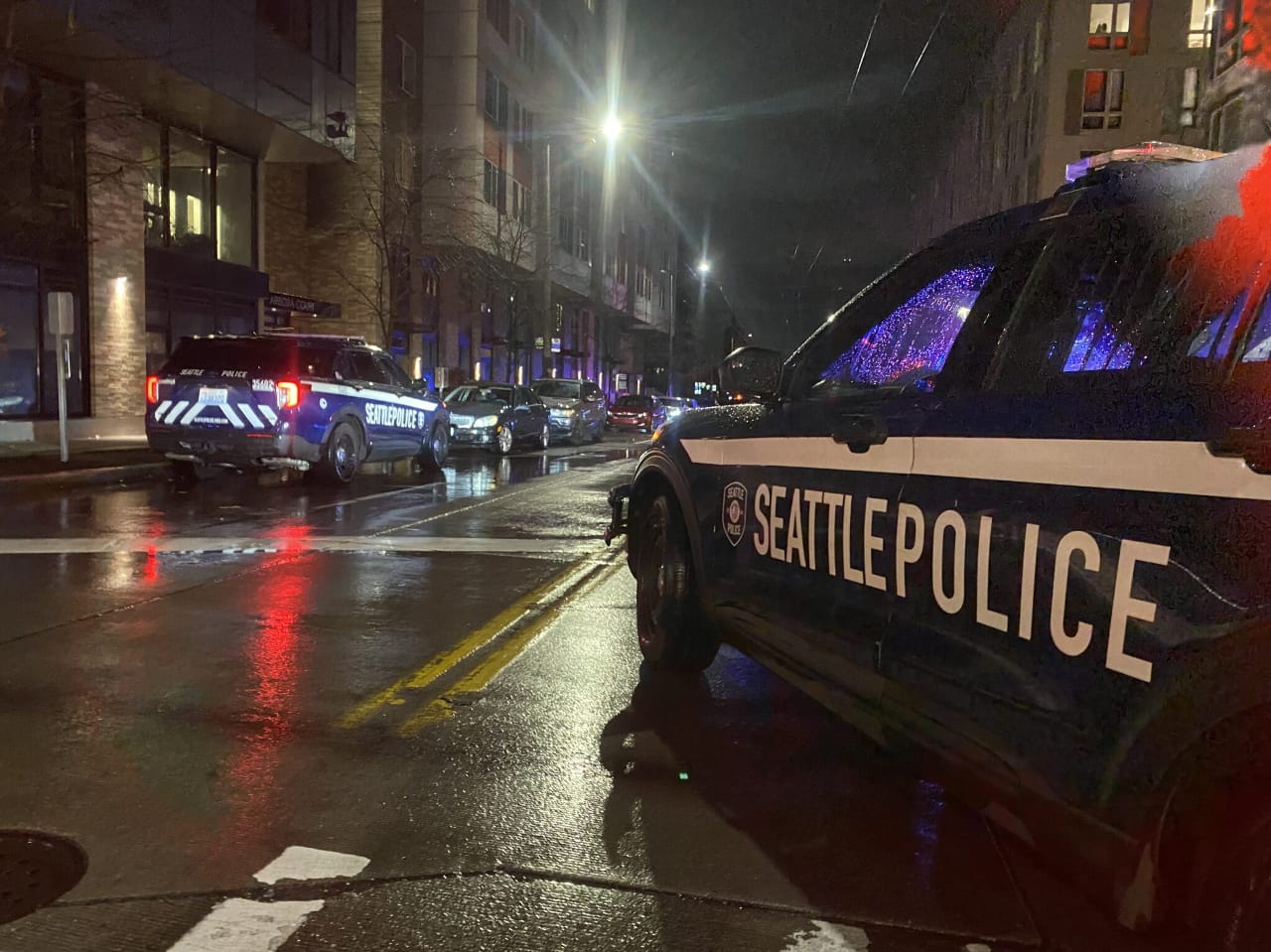
StarChase consists of GPS tracker launchers attached to police patrol cars that can deploy a GPS tracking tag onto another vehicle. The Seattle Police Department contends that acquiring this technology will help apprehend criminals without dangerous high-speed chases, but critics argue StarChase’s e
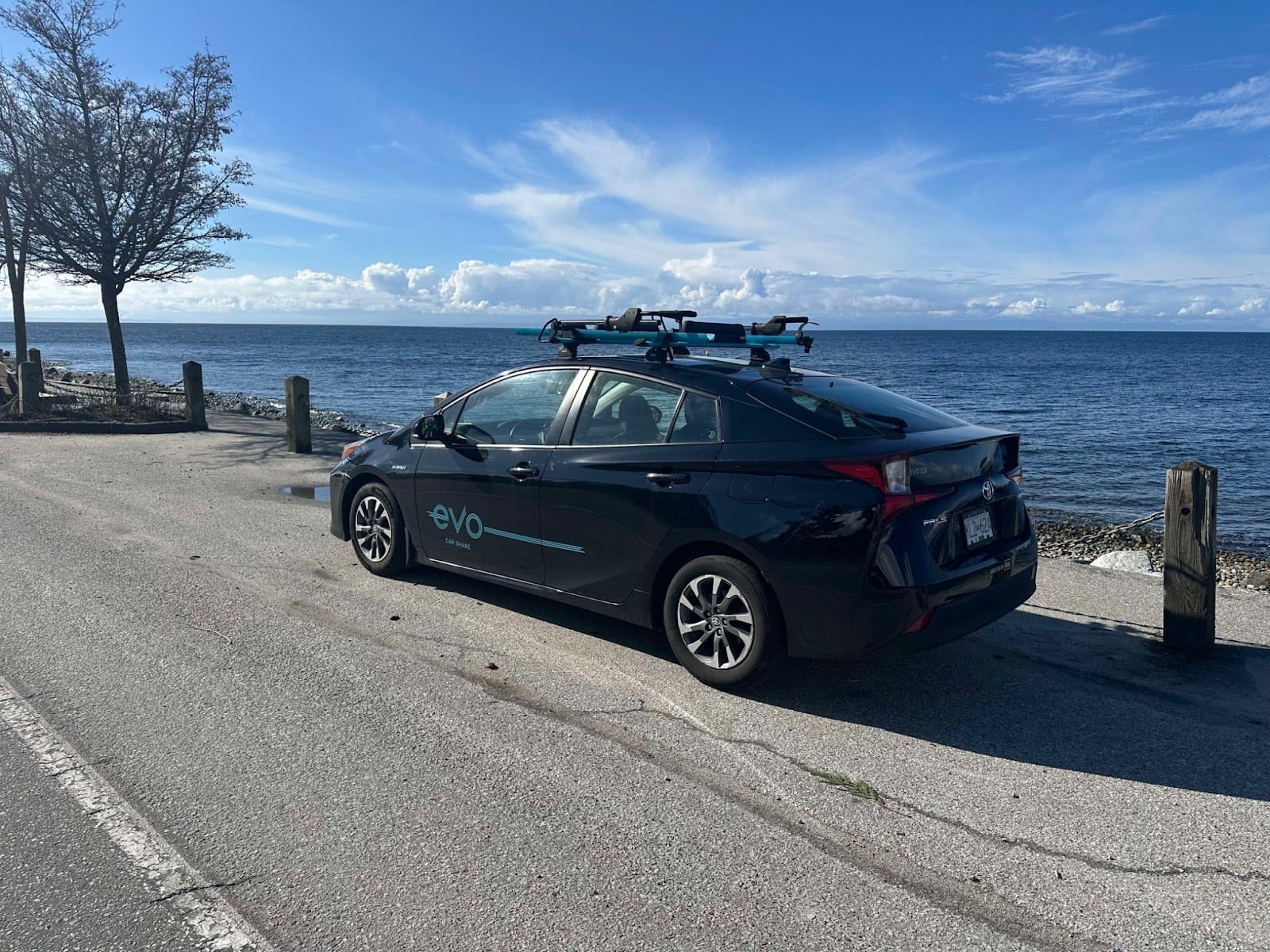
While Seattle has cycled through carshare startups, Vancouver’s Evo carshare program has grown into a big success, aided by strong transit and less competition from ridehailing in British Columbia.

Dave Amos of City Beautiful dives into the thorny issue of punishing bad drivers and the many challenges that stem from lawlessness and impunity on roadways.
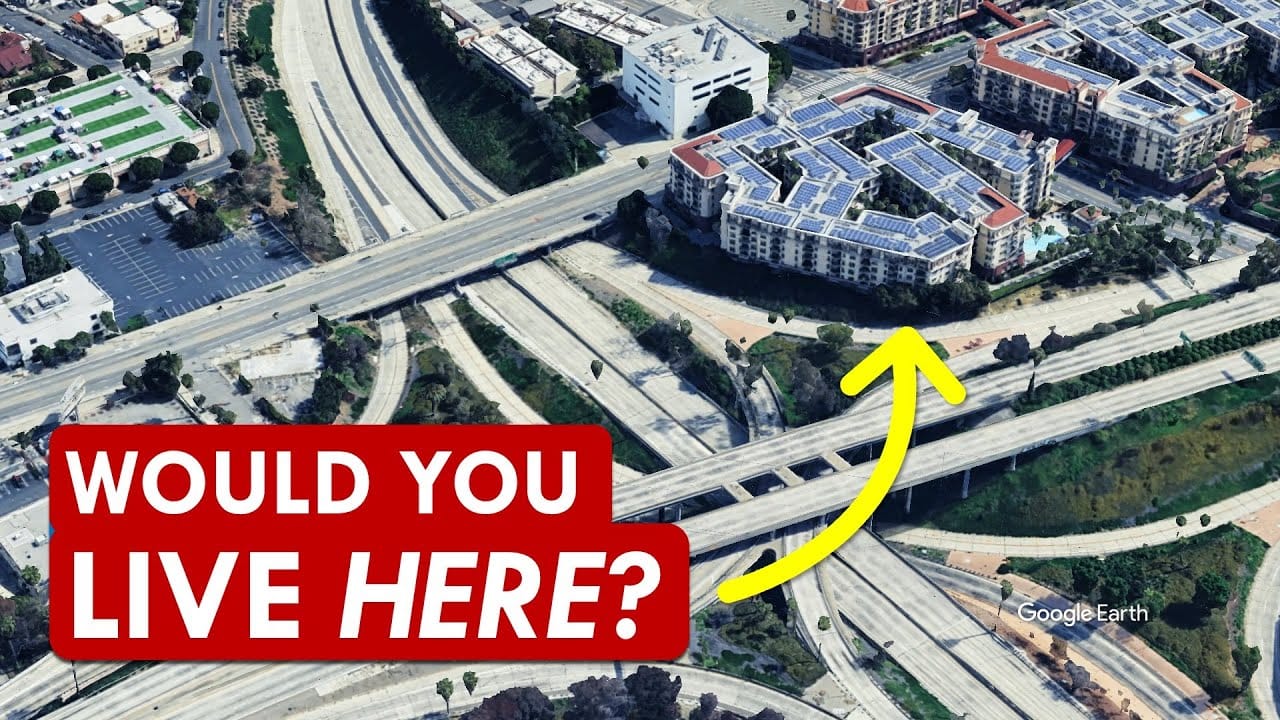
In this video, CityNerd’s Ray Delahanty digs into the public health effects of freeways. Pollution impacts fall most heavily on people who live near freeways.
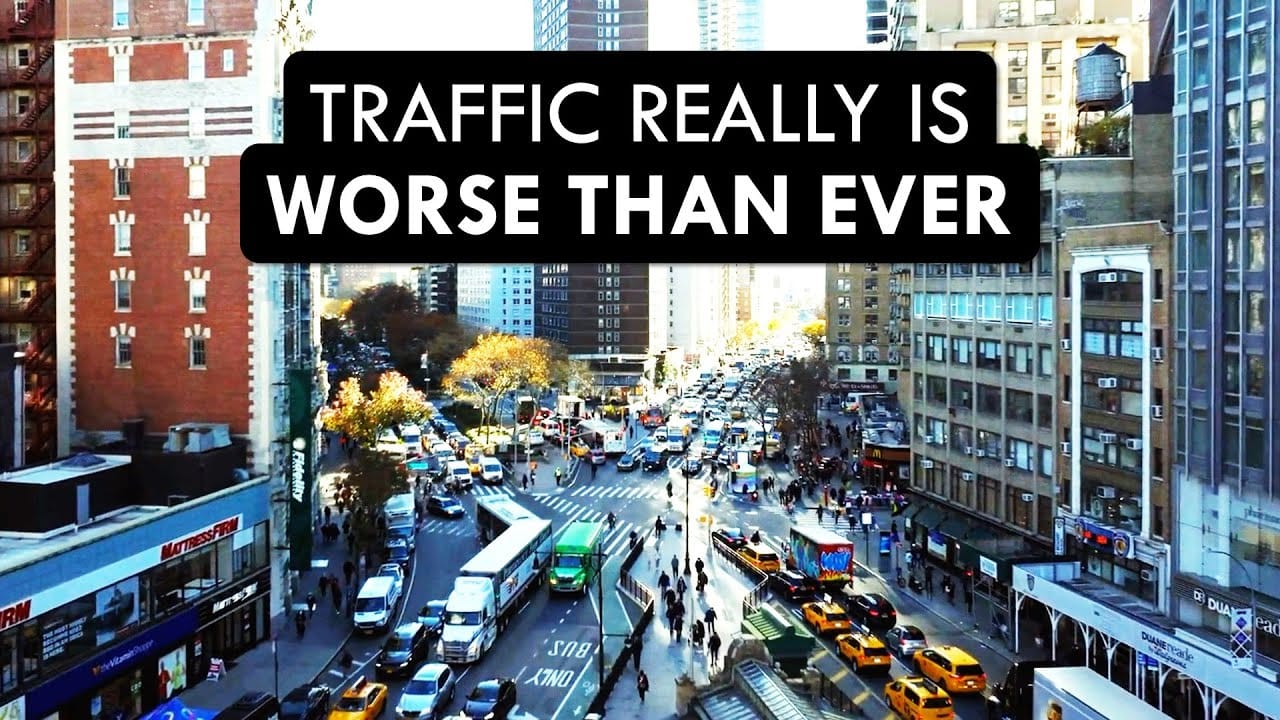
CityNerd dives into rising traffic congestion and Manhattan’s congestion pricing system that just went into effect, seeking to address the issue.
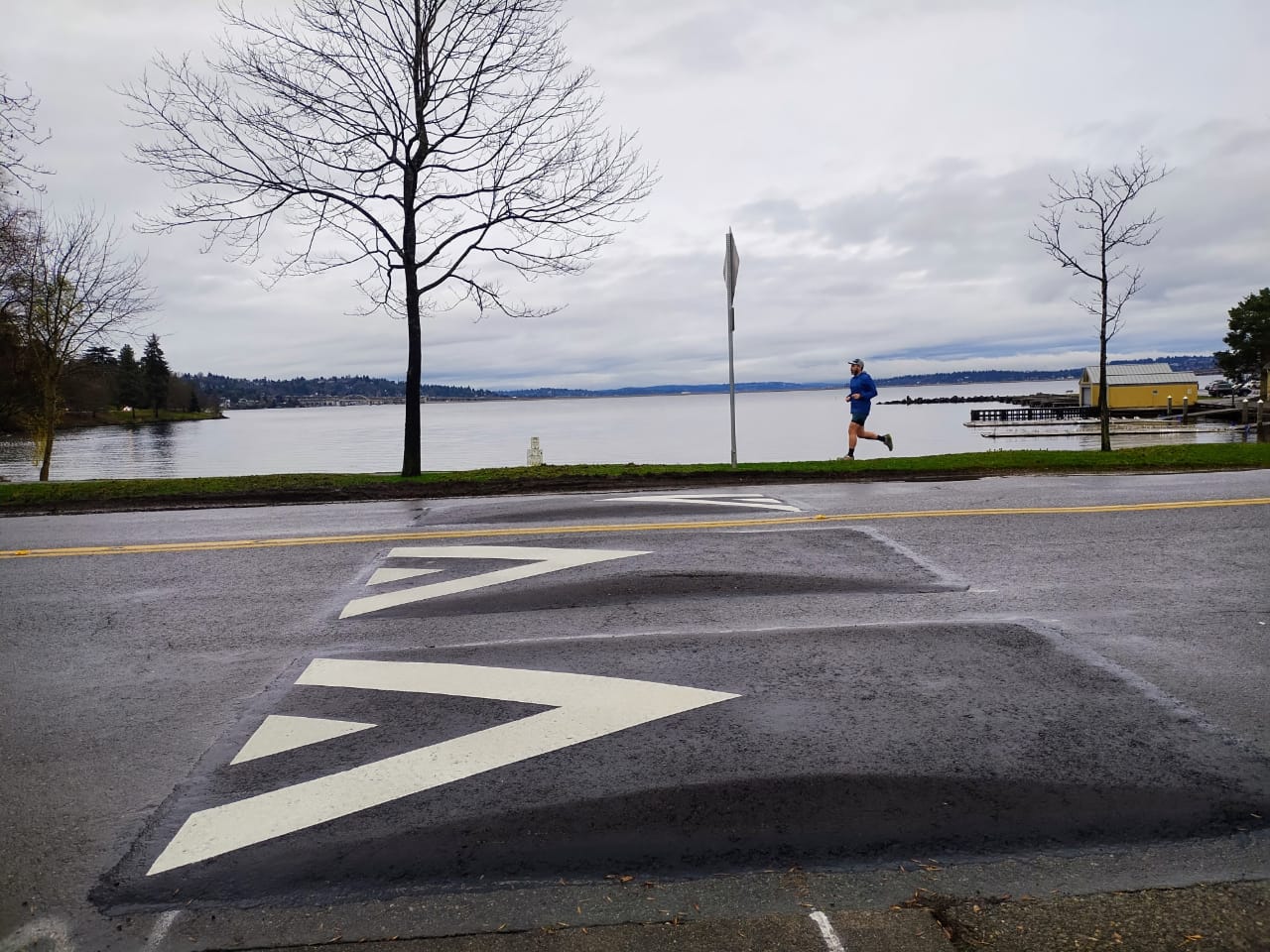
The idea of slowing drivers along one of the city’s most scenic waterfront routes had been seen as the compromise position, in the face of competing visions for Lake Washington Boulevard. But behind-the-scenes, the upgrades have been under attack.
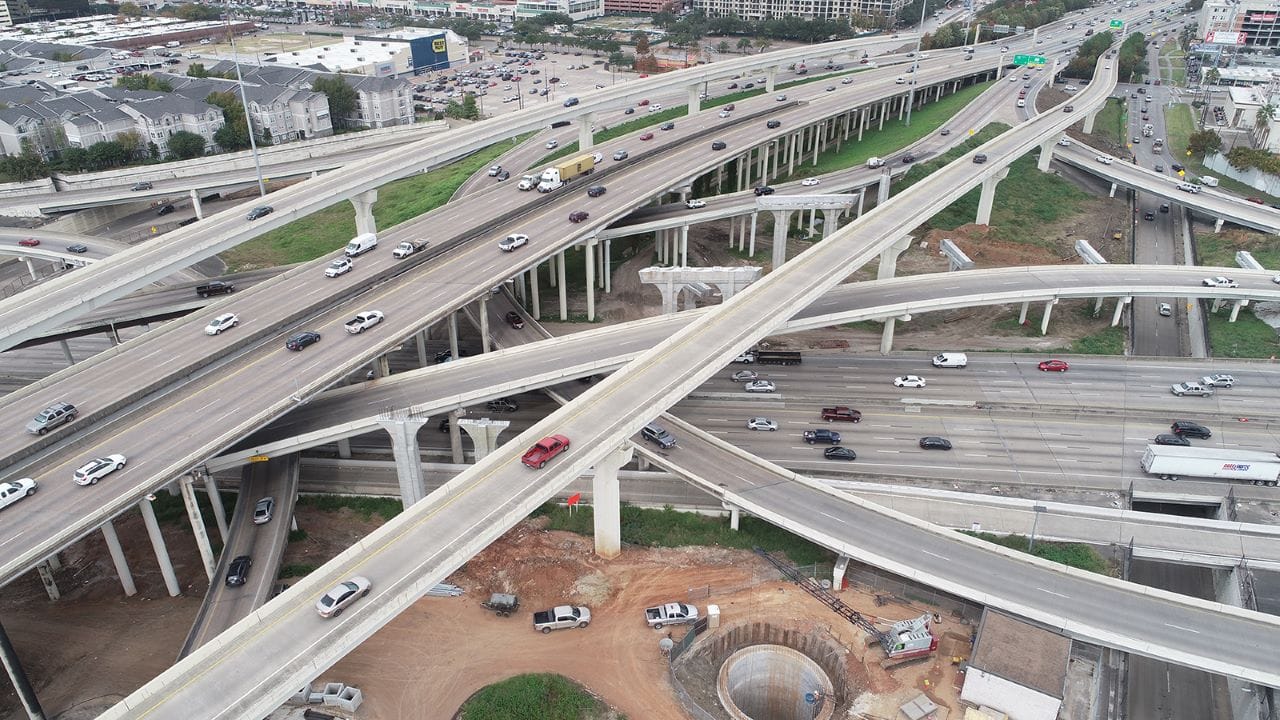
A new report shows most states continue to funnel money toward highway expansion, locking in climate pollution, despite new tools to fund transit and other forms of climate action. This is a losing strategy for both the environment and increasing mobility options.
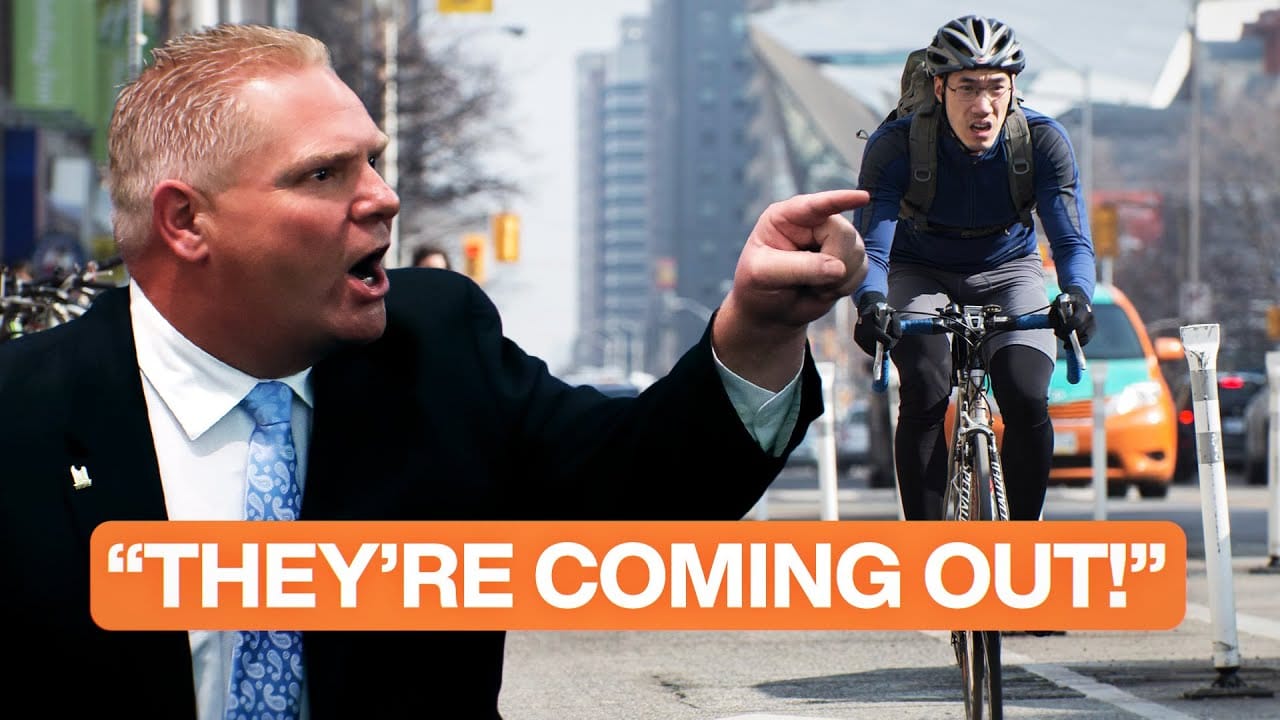
The right-wing populist provincial government in Ontario, Canada has voted to remove bike lanes and make it difficult to install them in the future in Toronto, the largest city in the Maple Leaf country. The effort is a mix of political distraction for a floundering government administration and cynical self-interest
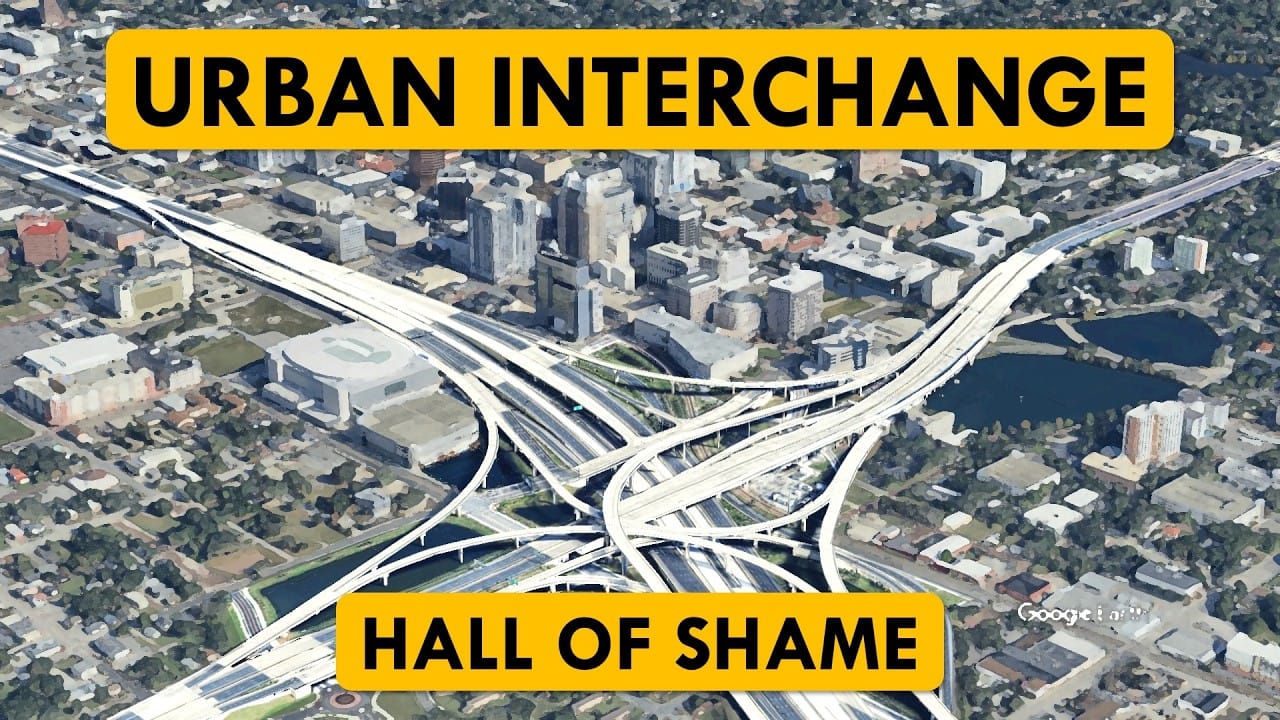
Ray Delahanty of CityNerd runs through a shame list for the worst downtown interchanges. Seattle doesn’t make the list, but the unfortunate prevalence of highway interchanges in North American cities does offer ample competition for worst.
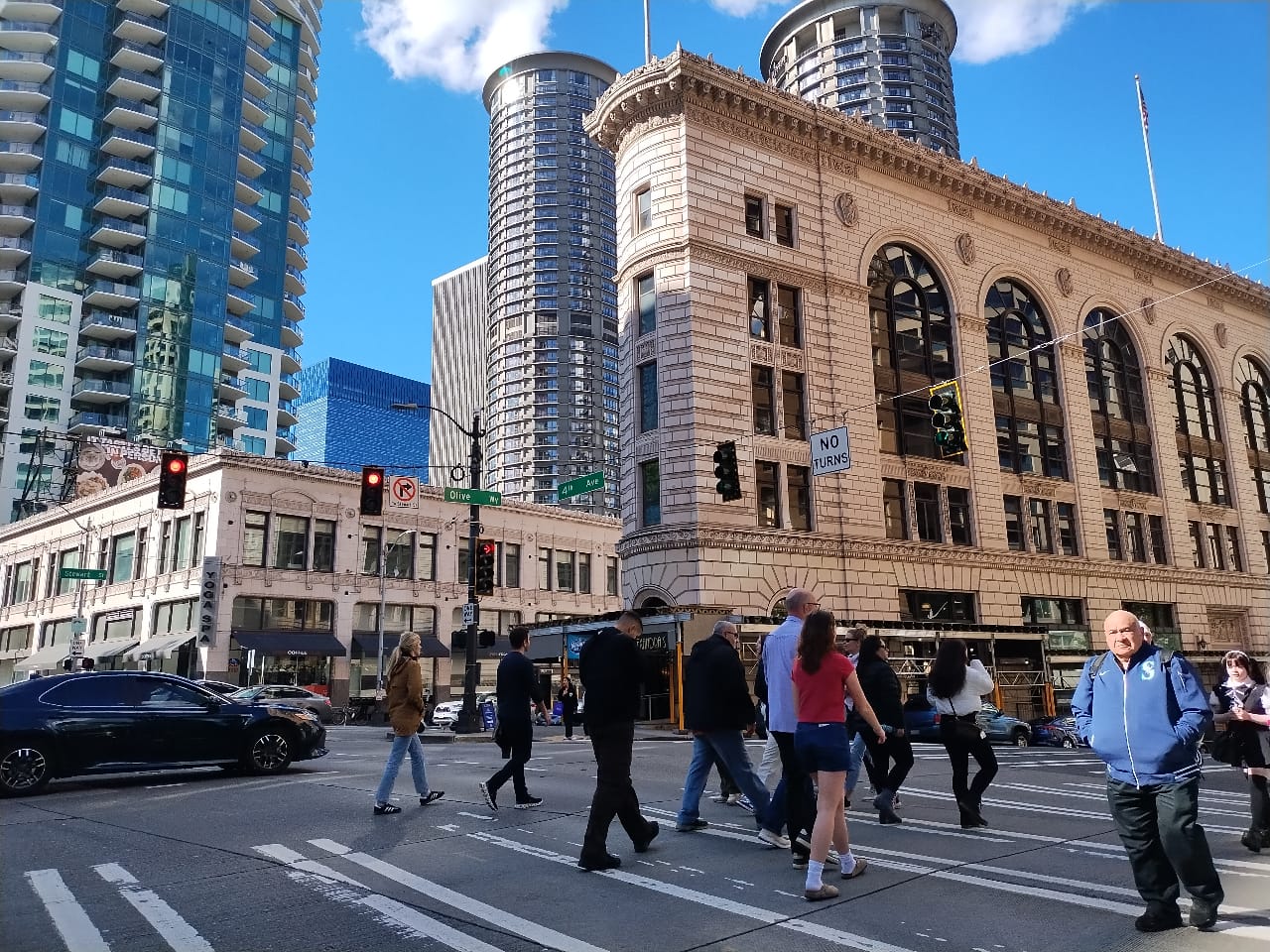
A new “Target Zero” safety roadmap for reducing serious injuries and fatalities on Washington’s roads includes some clear, evidence-based recommendations. But implementation could be challenging given political realities.
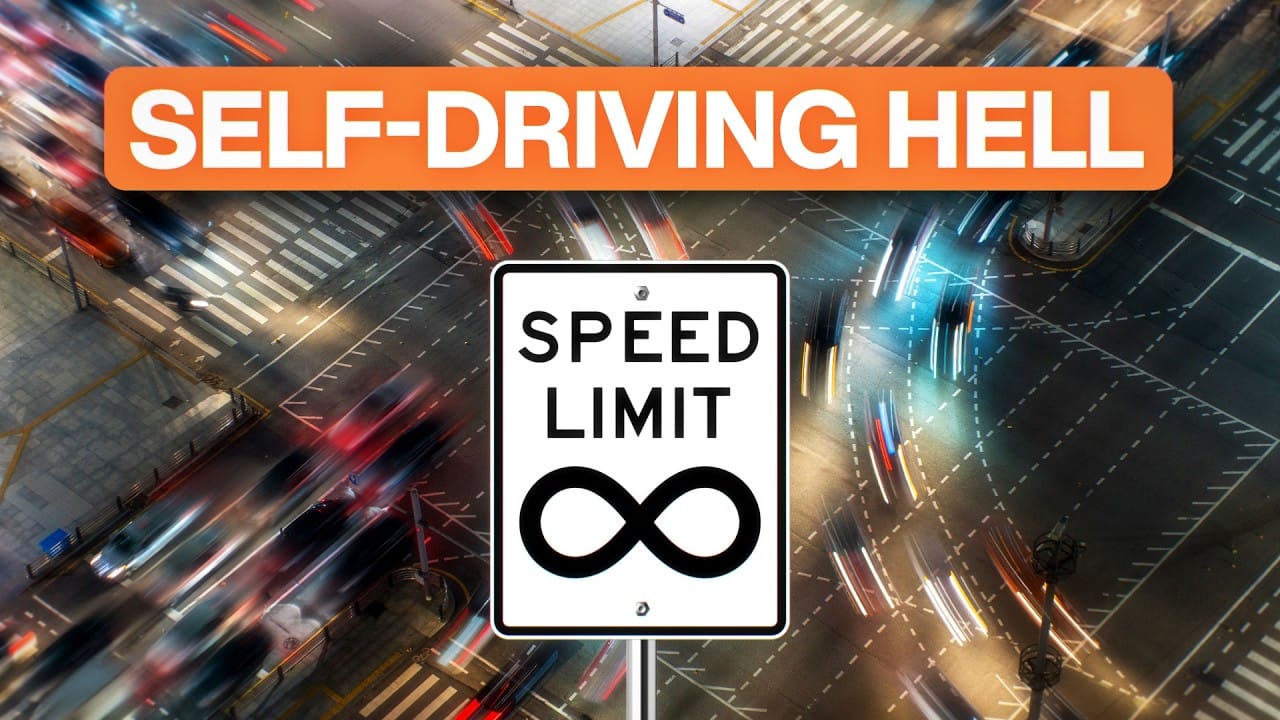
Urbanist circles differ in how they see autonomous vehicles, particularly as they move toward wider adoption. Some see them being a tool that builds up urban communities and improves safety while others worry that they could have exactly the opposite effect. Jason Slaughter of Not Just Bikes falls into the
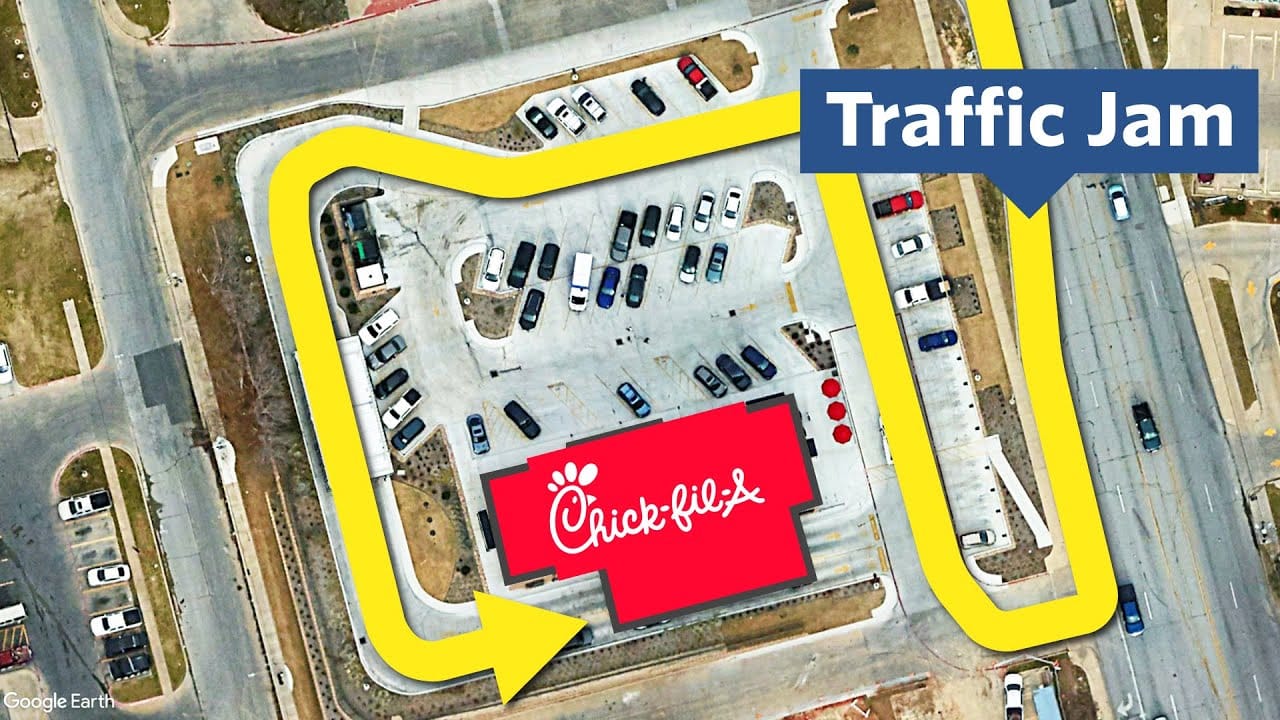
Dave Amos of City Beautiful discusses drive-thru businesses and how they are evolving to create more vehicle throughput. As part of this, Amos discusses the merits of banning them in cities, offering San Luis Obispo as an example.
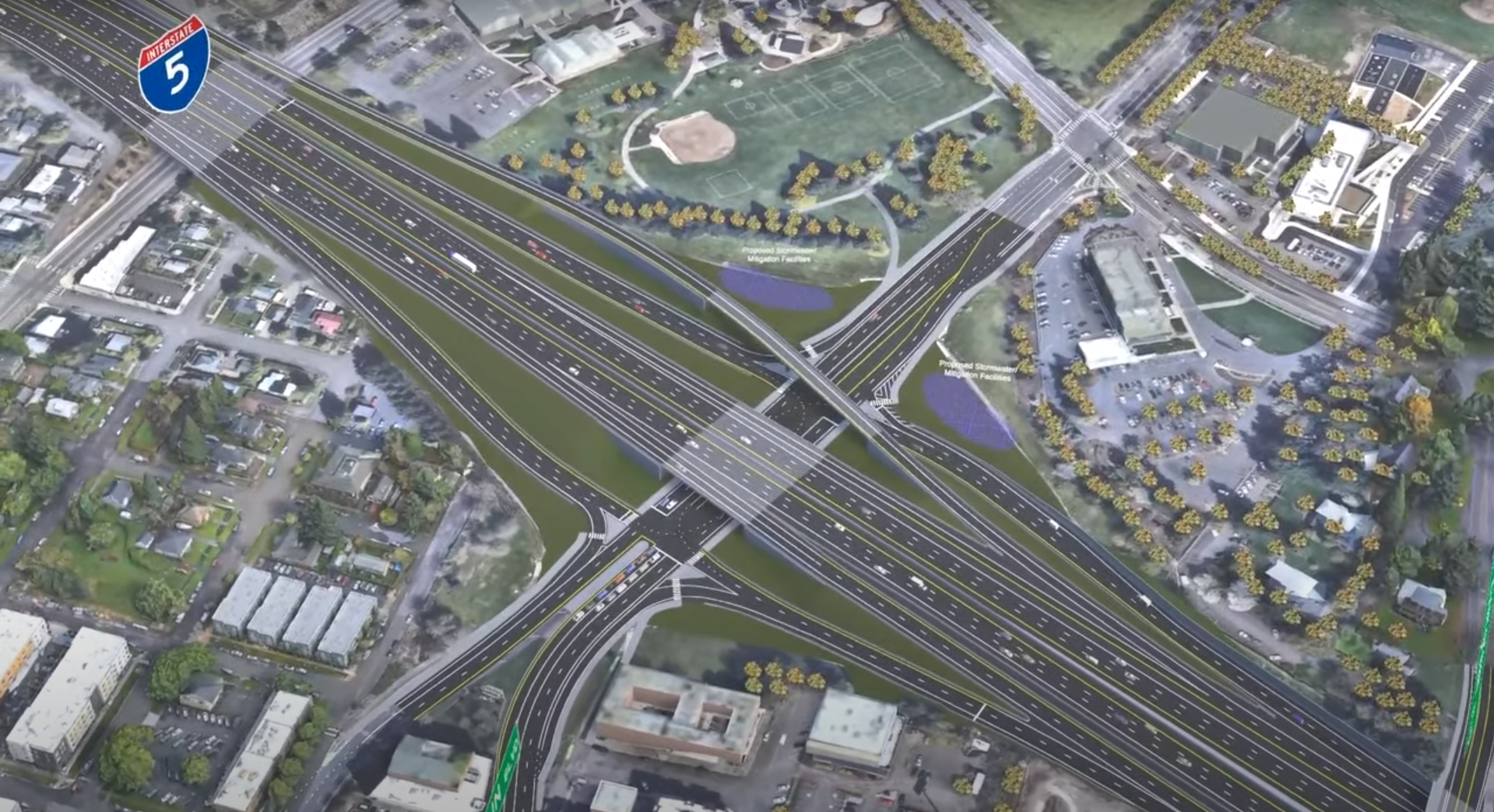
Proponents of a $7.5 billion project to widen I-5 and replace the Columbia River bridge are ignoring induced demand, creating faulty traffic models that obscure its real environmental impact.
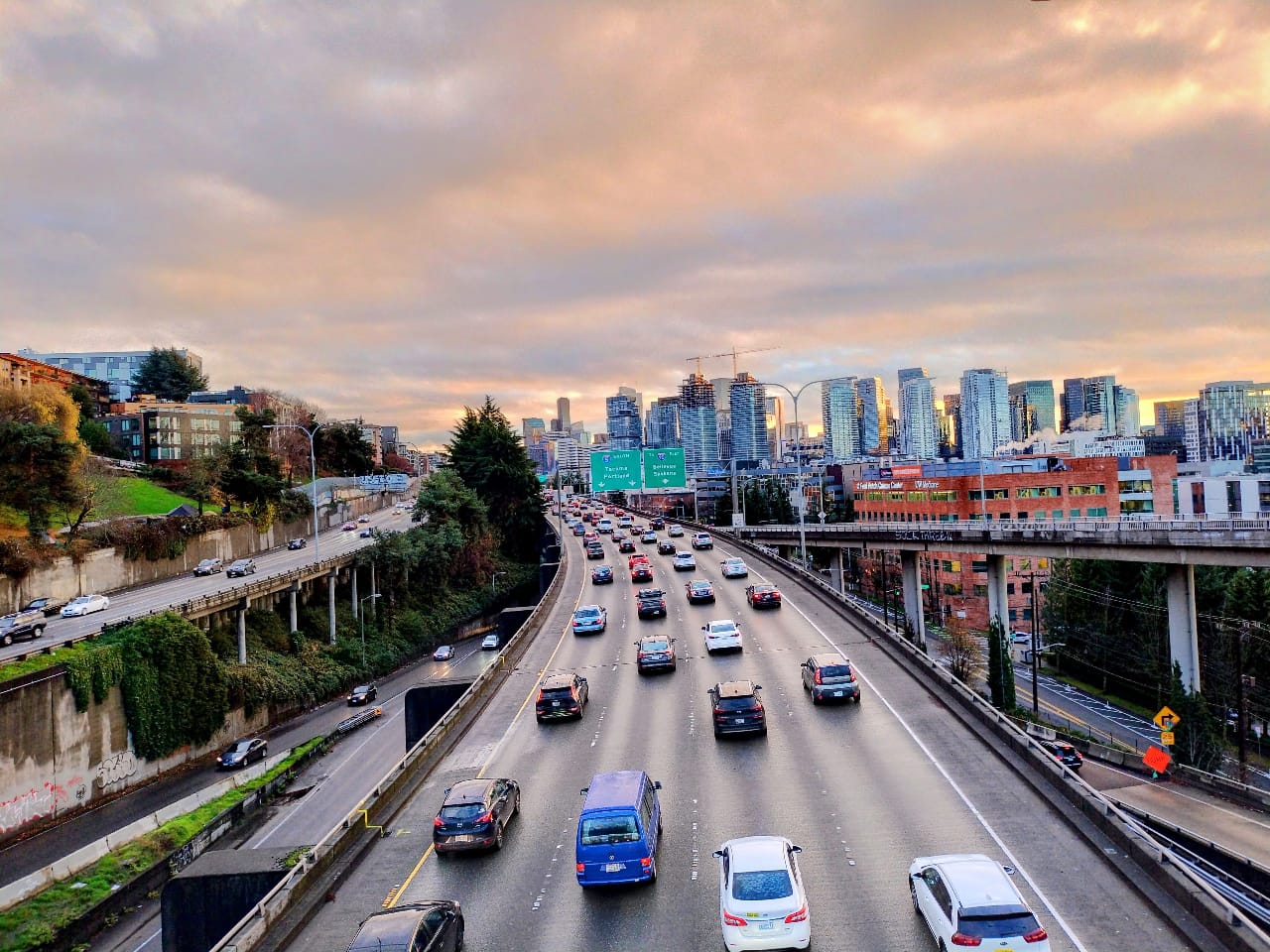
Several high profile officials are pushing for the next update to the central Puget Sound’s Regional Transportation Plan to be more transformative than it might otherwise have been. The plan sways which projects get grants.
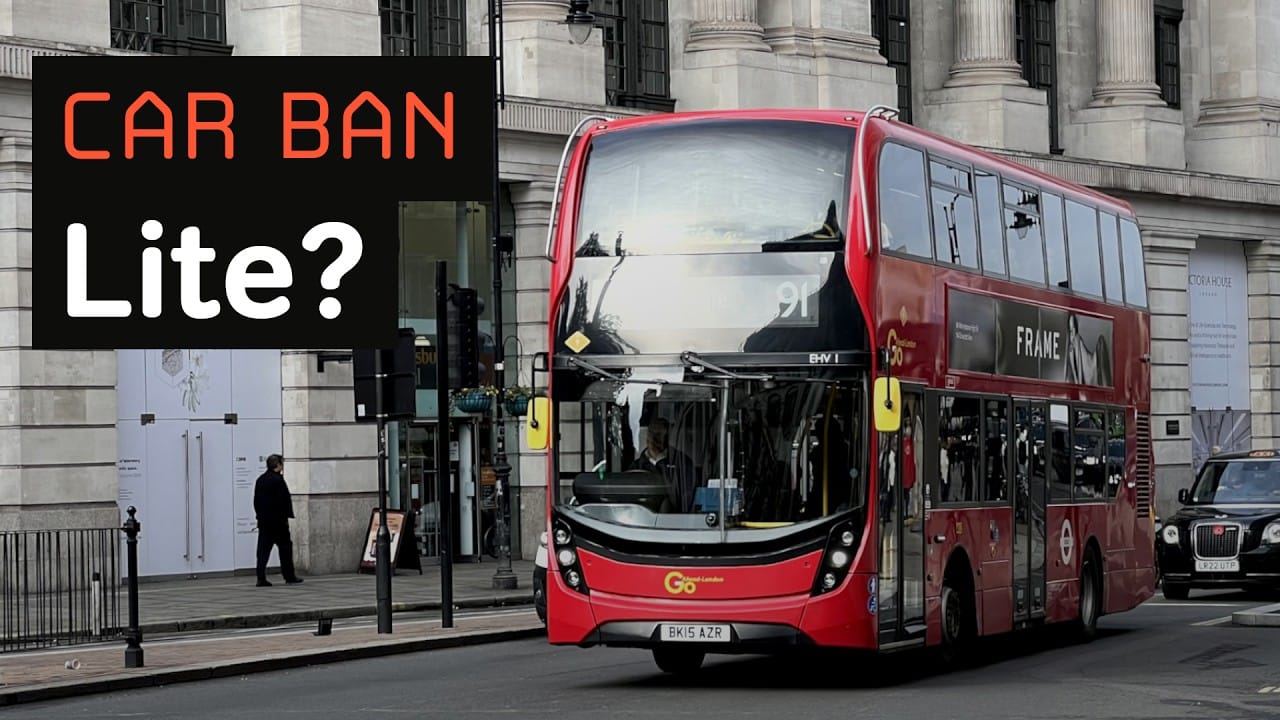
New York City’s decongestion pricing program has hit an unexpected roadblock with the state’s governor unilaterally imposing an indefinite pause. But decongestion pricing holds a lot of promise for cities across the globe, including in North America. Reece Martin at RM Transit dives into the different ways that
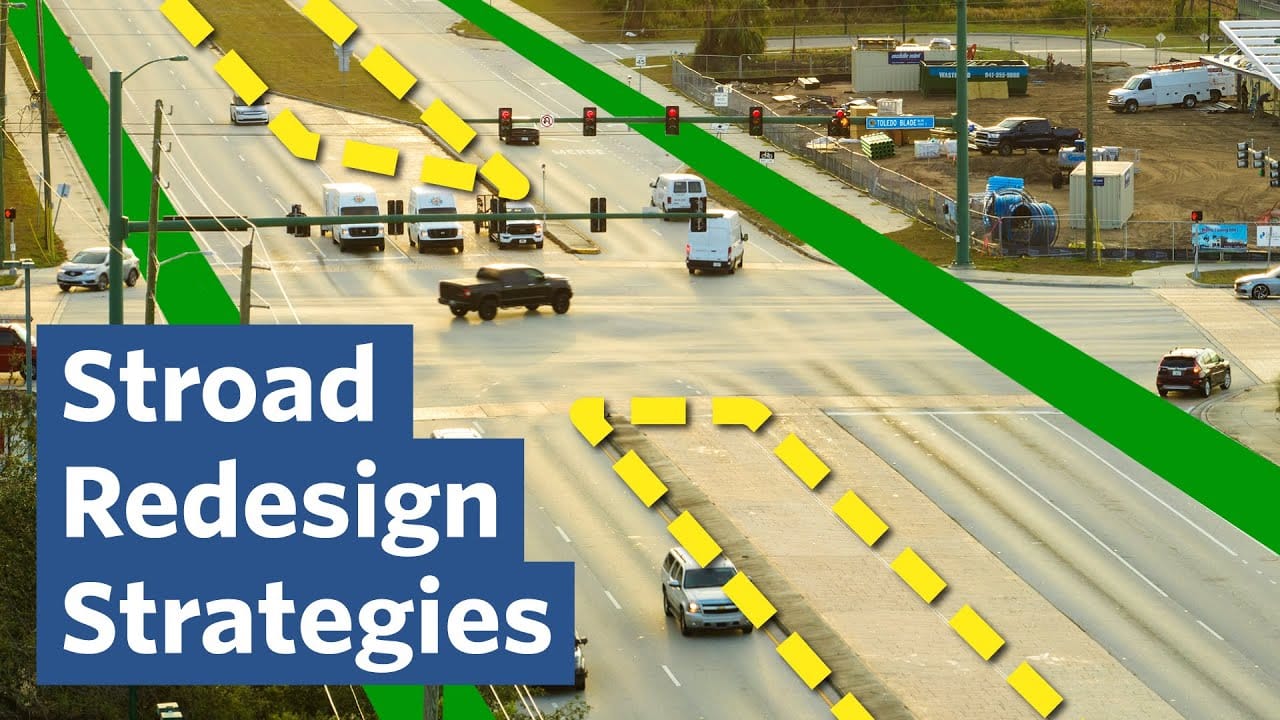
America’s suburbs are a land filled with stroads — street/road hybrids that are expensive to build and dangerous to use. Some communities want more walkability and bikeability, but making changes to stroads can be highly controversial and difficult to achieve. Dave Amos of City Beautiful picks out some egregious
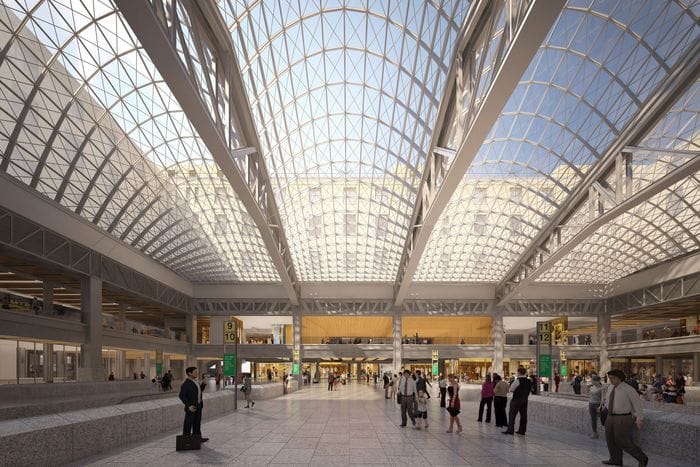
New York had been all geared up to become the first American city to implement congestion pricing later this month until Governor Kathy Hochul announced a stunning reversal, saying she intended to shelve the program on Wednesday. Transit riders and climate advocates are fighting back and aiming to b
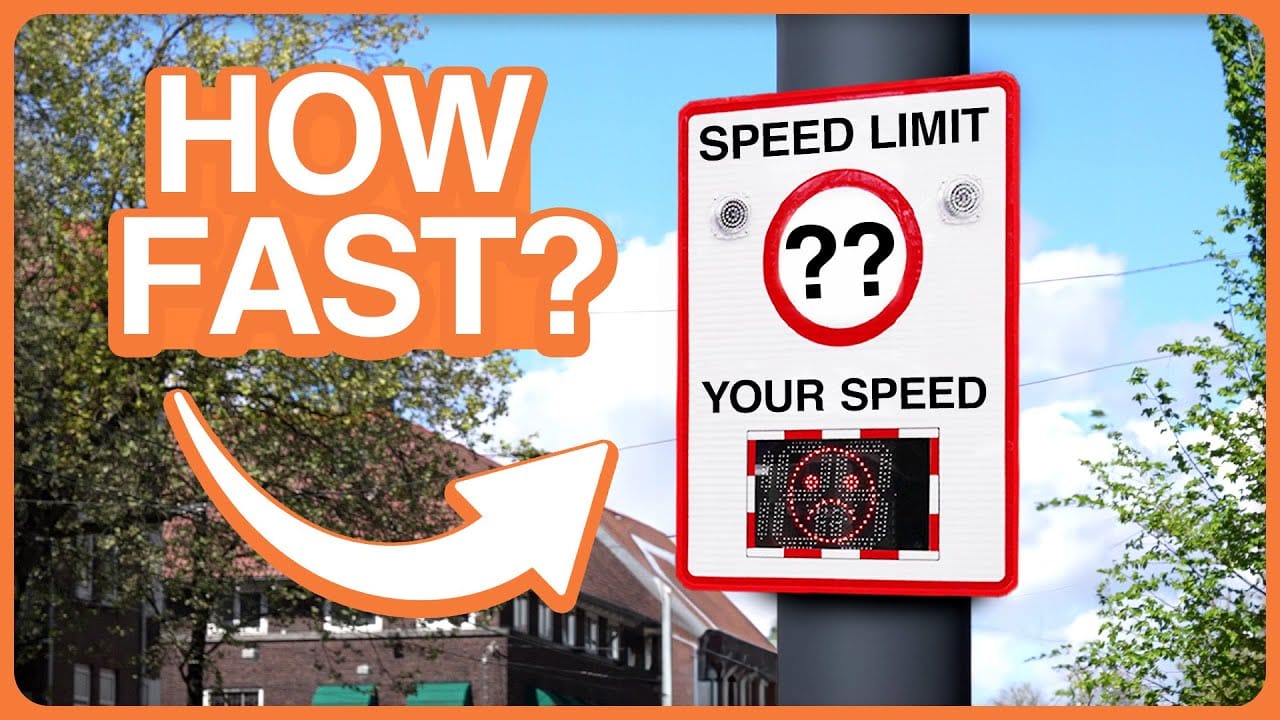
Jason Slaughter of Not Just Bikes dives into why lower speeds limits are good society and what the best speed limits are for cities. Slaughter provides research and analysis on safety, environmental, economic, and social benefits by reducing speed limits.
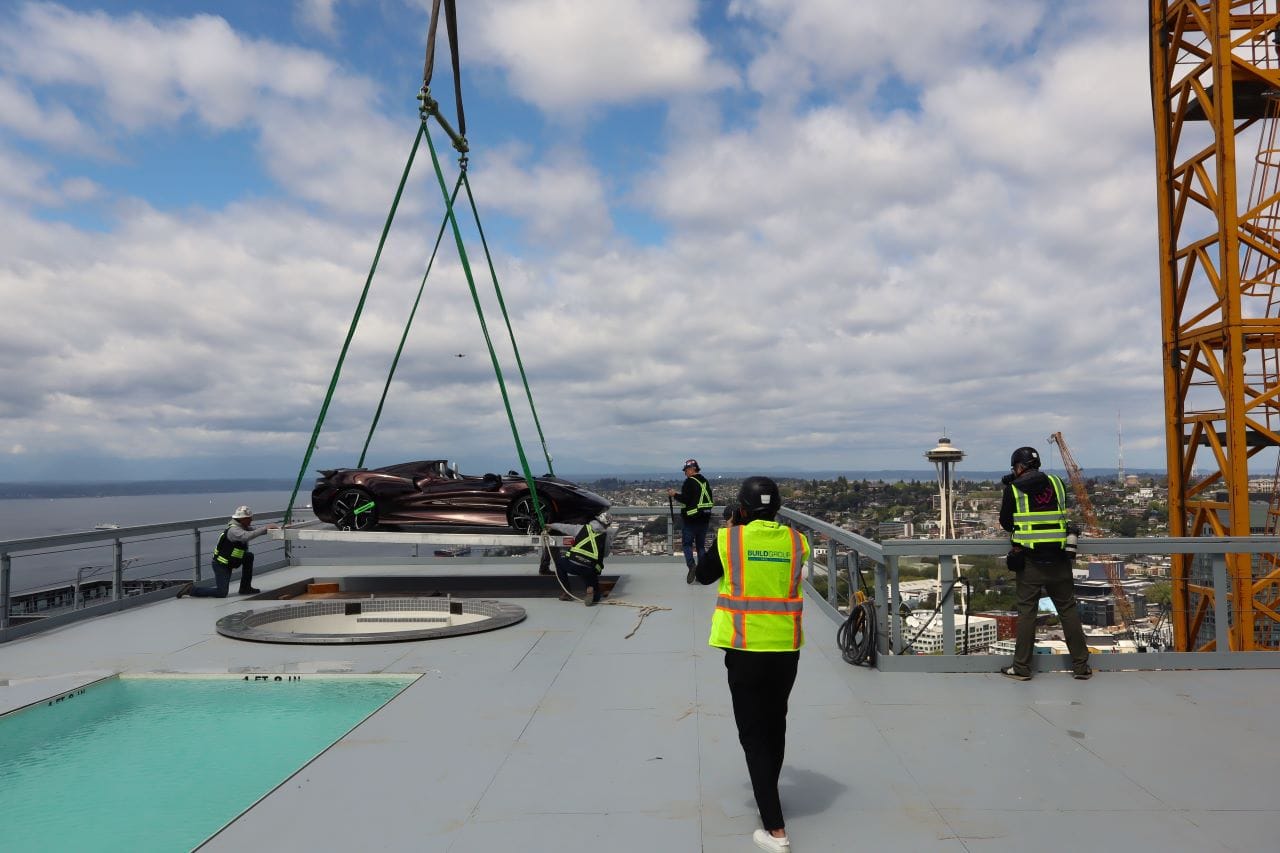
A million-dollar McLaren Elva briefly graced the 47th floor rooftop next to the jacuzzi to promote the “First Light” condo tower opening this summer. The housing market is working quite well for the rich, how about for the rest of us?
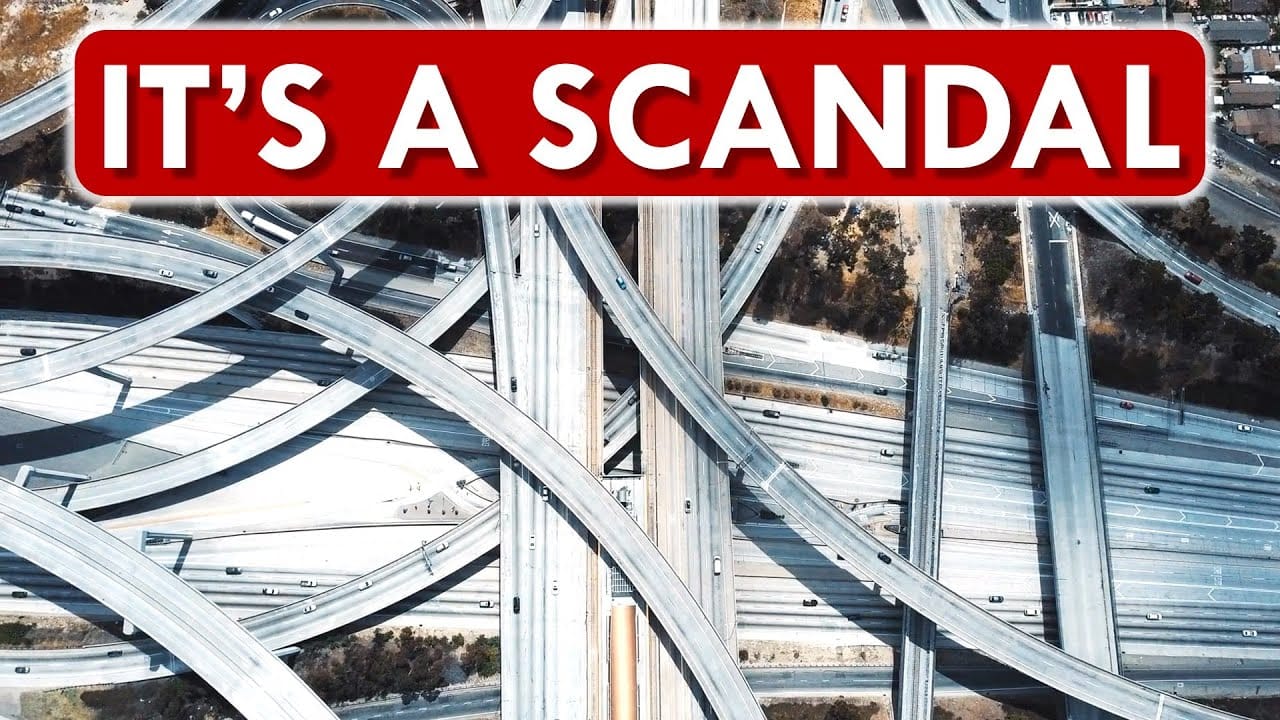
Ray Delahanty of CityNerd goes through a litany of reasons why car dependency makes American society worse off from public health and environmental quality to public safety and economic security. This video may trigger petroheads.
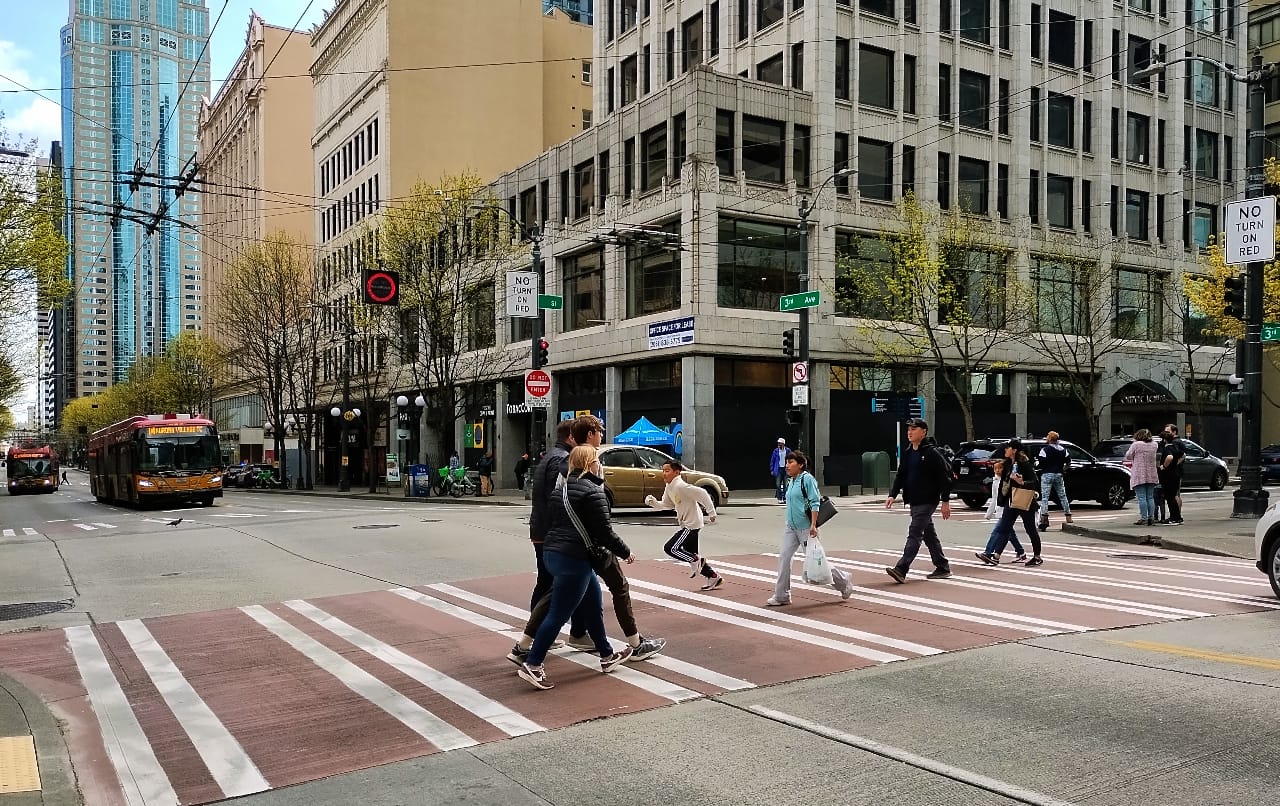
The mayor’s levy proposal is focused on preserving the existing car-focused system rather than promising transformative changes. Advocates asked for at least $1.7 billion focused on pedestrians, bikes, and transit, but didn’t get it.
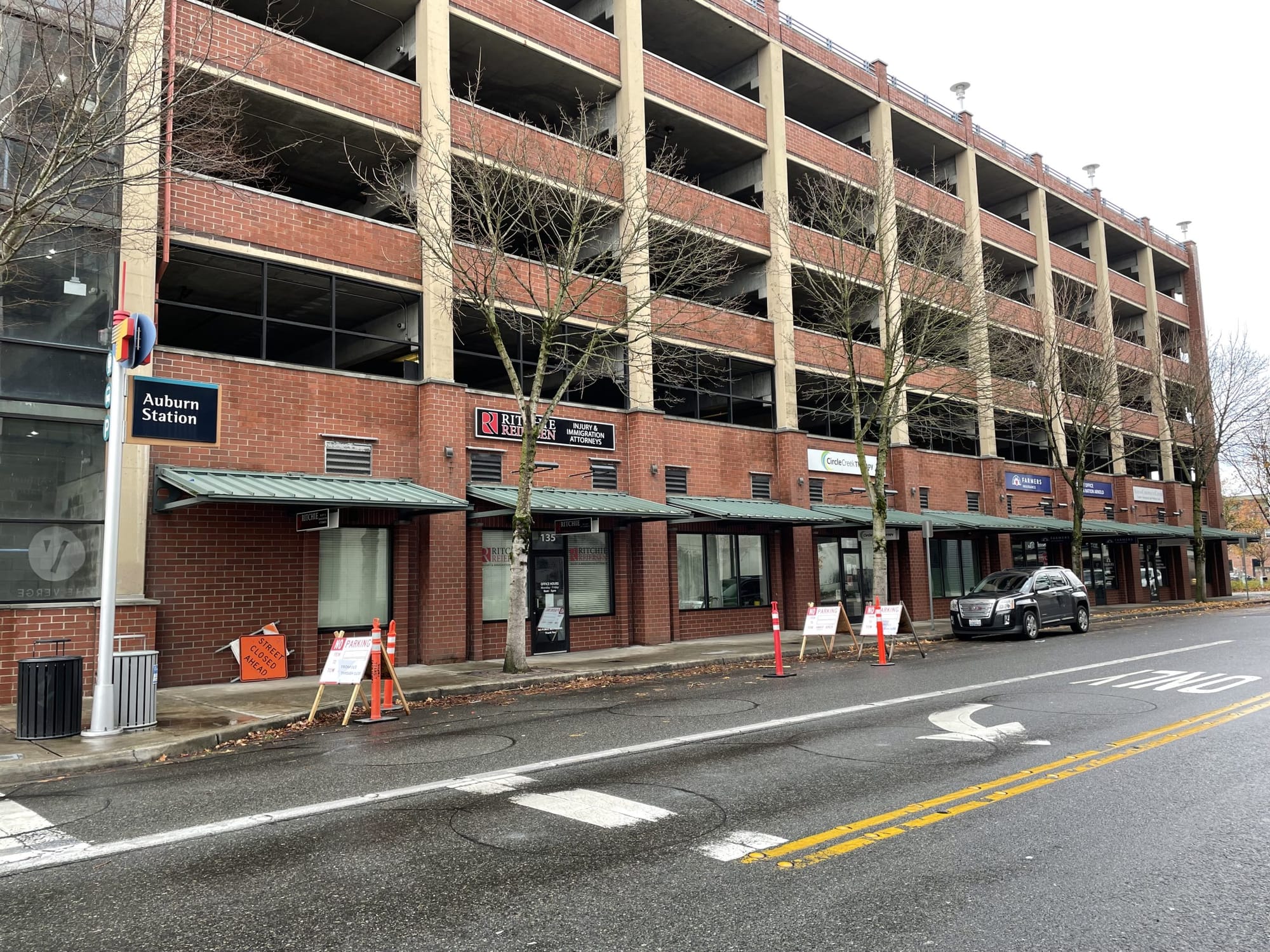
Up to 10 Sound Transit-owned parking facilities — including at all Link station parking facilities — could see daily paid parking begin around the time that the Lynnwood Link Extension opens.
The Seattle Transportation Plan, shows a lofty vision for the next two decades of city investment in transportation. The hard part comes next with funding it and effectively implementing it — plus, aligning it with a delayed comprehensive plan for land use.
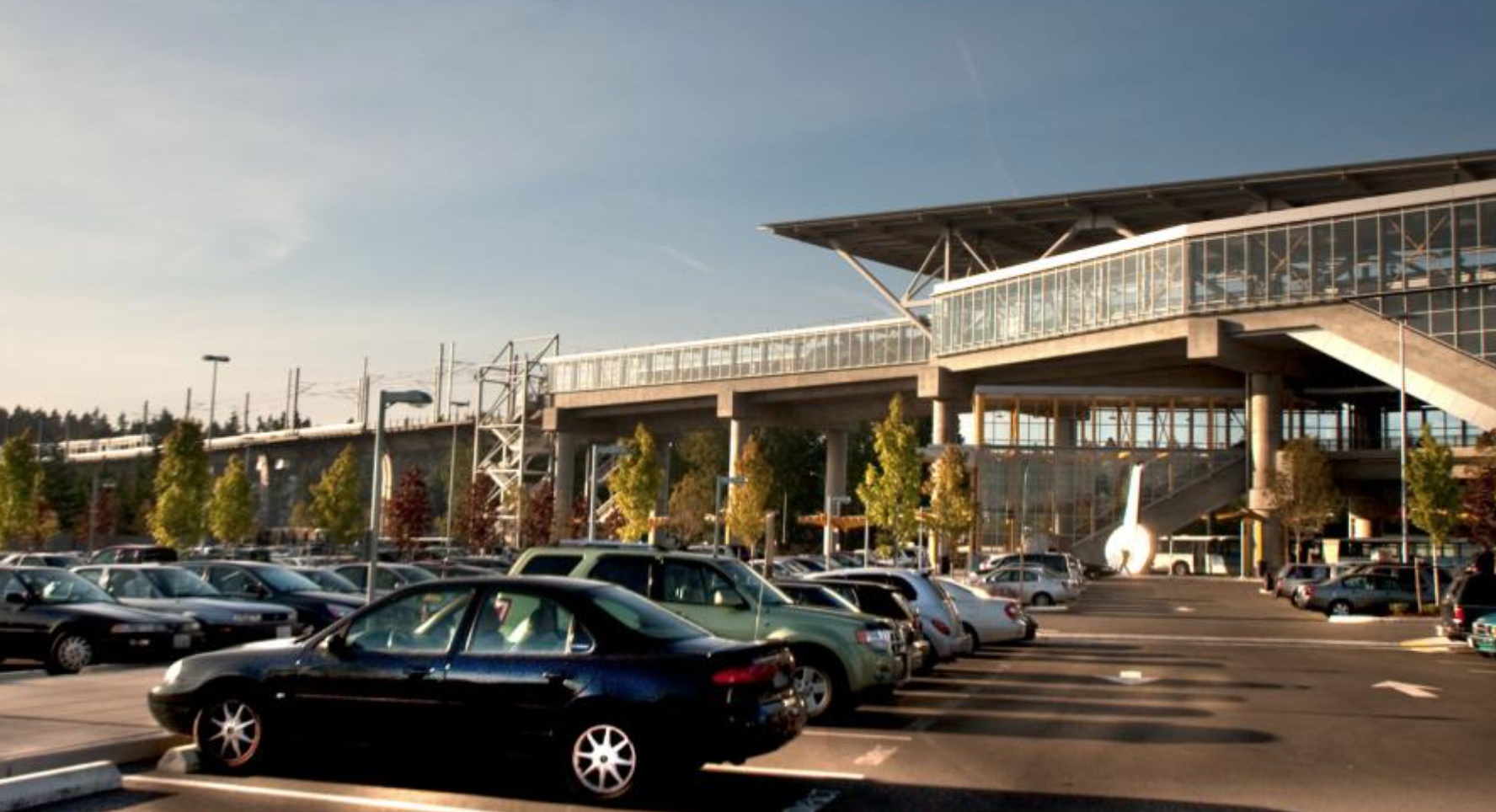
Sound Transit is weighing parking rate structures as it works to expand its fledgling paid parking program to a projected 21 facilities along Link and Sounder lines by 2026.
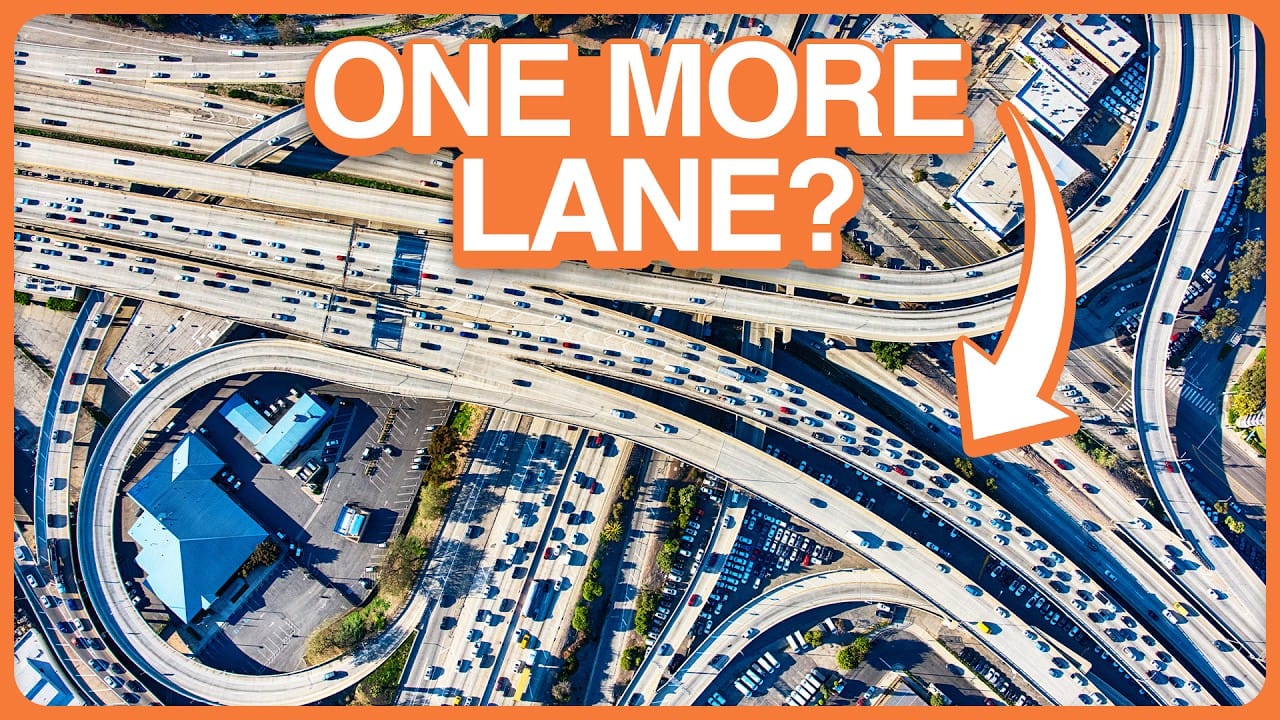
Will one more car lane really fix congestion? Jason Slaughter from Not Just Bikes digs into all those promises made by highway departments to reduce congestion and improve the environment by expanding roads.
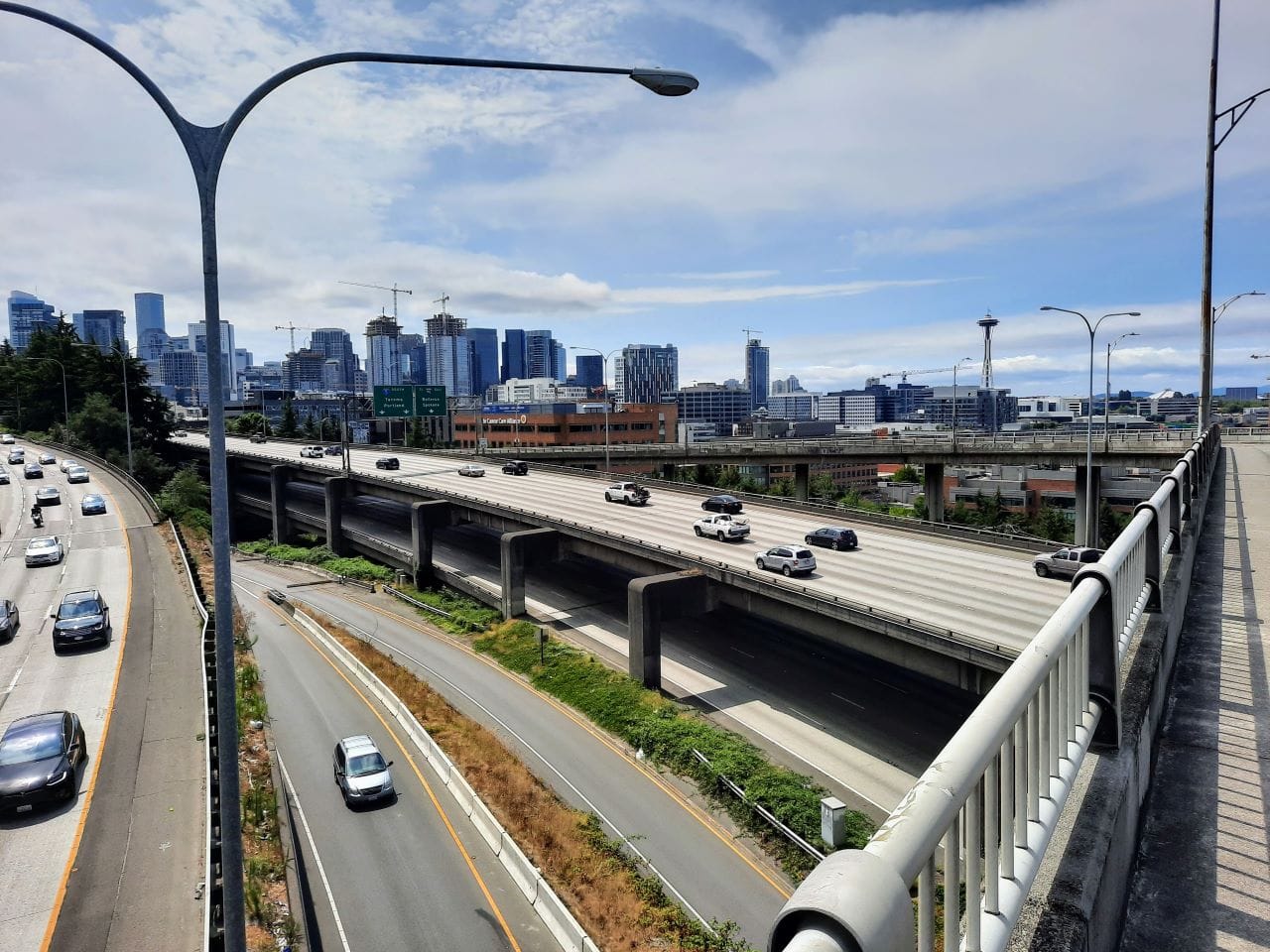
Protests that recently shut down I-5 have reignited a debate that goes back to the freeway’s beginning. Complicating the narrative of critics who believe major American thoroughfares should remain free of protest is the inconvenient fact that Interstate 5 was steeped in it from the beginning. A few years
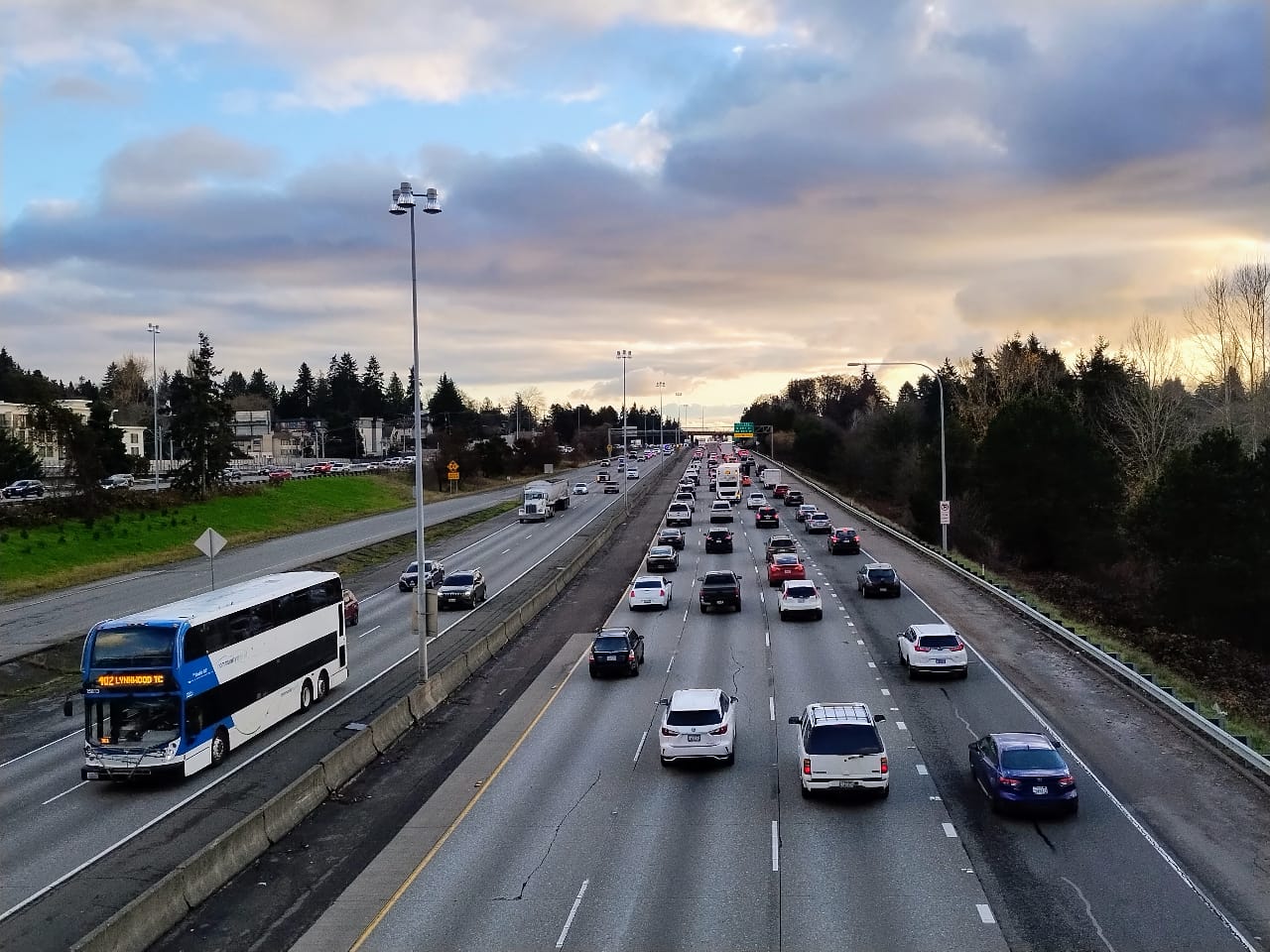
A small change around regional grant funding criteria could prove a bellwether for transportation policy in Puget Sound. Everywhere from Lynnwood to Puyallup, from Auburn to Silverdale, the long-range transportation plan for central Puget Sound calls for a significant expansion of the region’s roadways over the coming decades, even
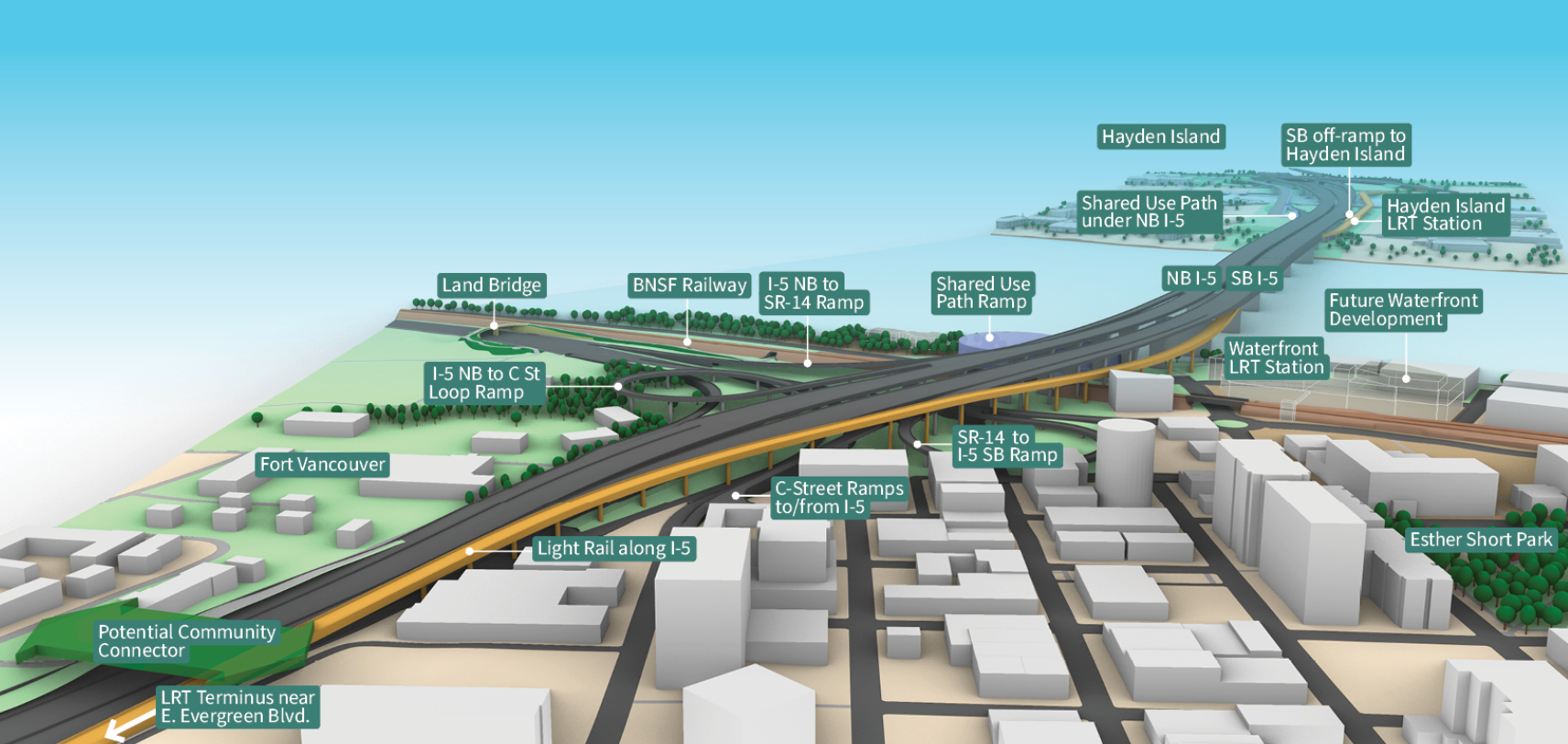
Barreling toward a boondoggle? Money piles up for freeway project, but key questions remain unanswered. Late last week, three members of Washington’s congressional delegation announced a $600 million grant that will fund the Interstate Bridge Replacement (IBR) project, a five-mile expansion of Interstate 5 that includes replacing the two
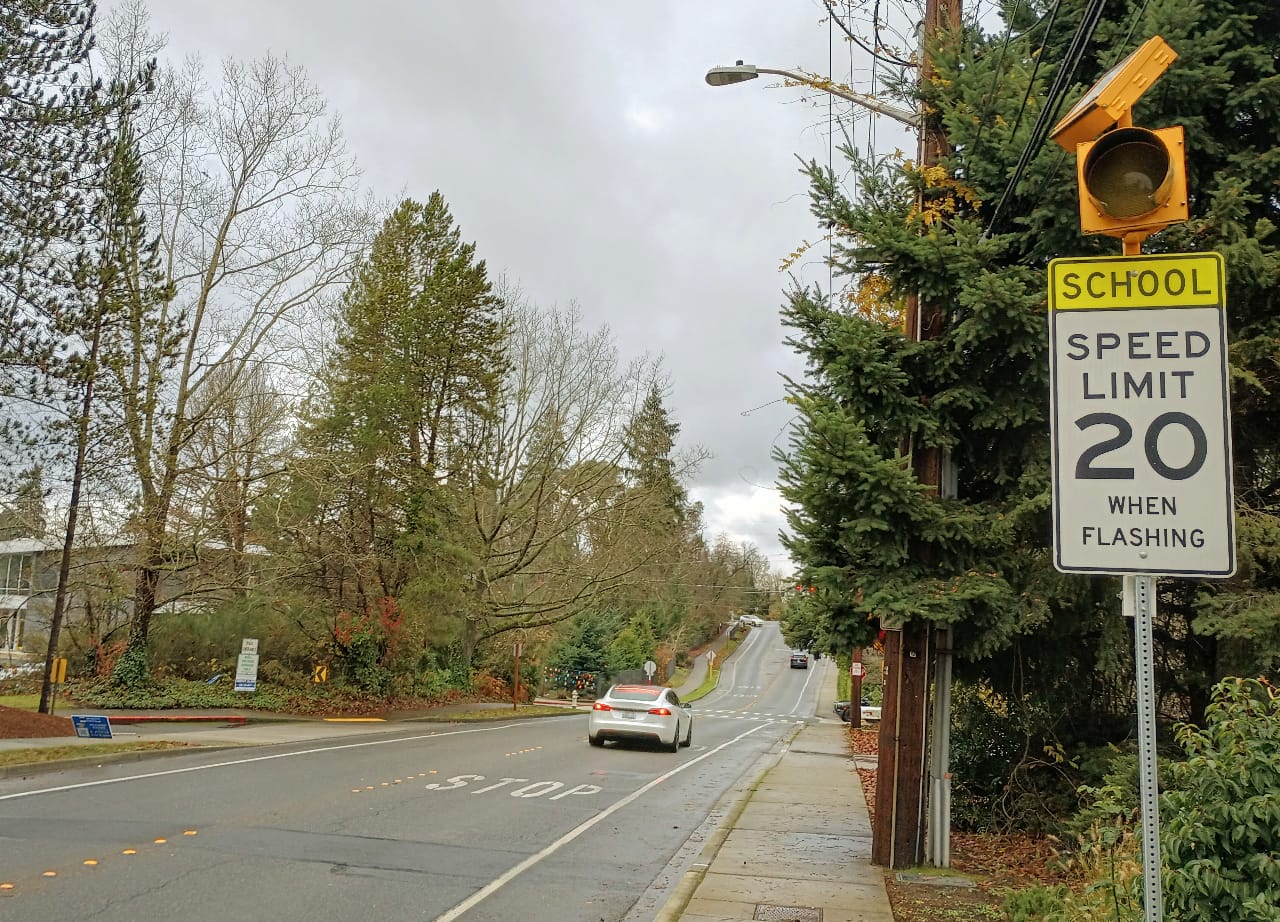
One of the “fatal four” behaviors seen in traffic crashes is becoming widely seen on Washington roadways, but fixes will likely need to happen at the local level, not in the legislature. In the fall of 2018, the City of Mercer Island and the Mercer Island School District celebrated completion
Chicago sold its on-street paid parking spaces for a small proportion of their value for decades. The city, however, is reeling from that fundamental error in so many ways beyond just revenues. Rollie Williams of Climate Town explains how, especially from a sustainability and urban standpoint.
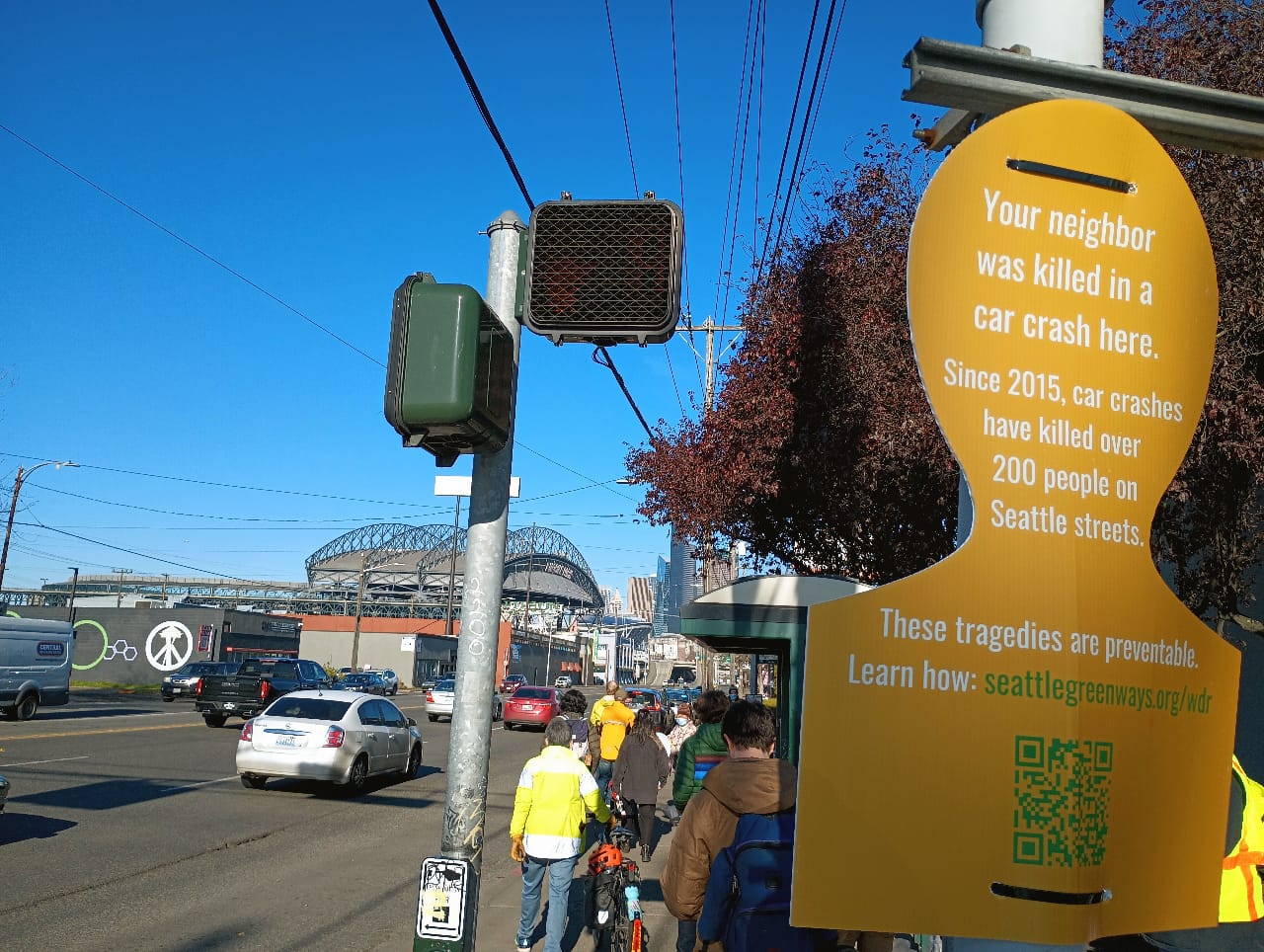
As Seattle approaches the ninth anniversary of its Vision Zero commitment to eliminate serious injuries and fatalities in traffic by the end of this decade, safe streets advocates marked the World Day of Remembrance for Road Traffic Victims on Sunday, November 19 with a renewed push for systemic redesign of
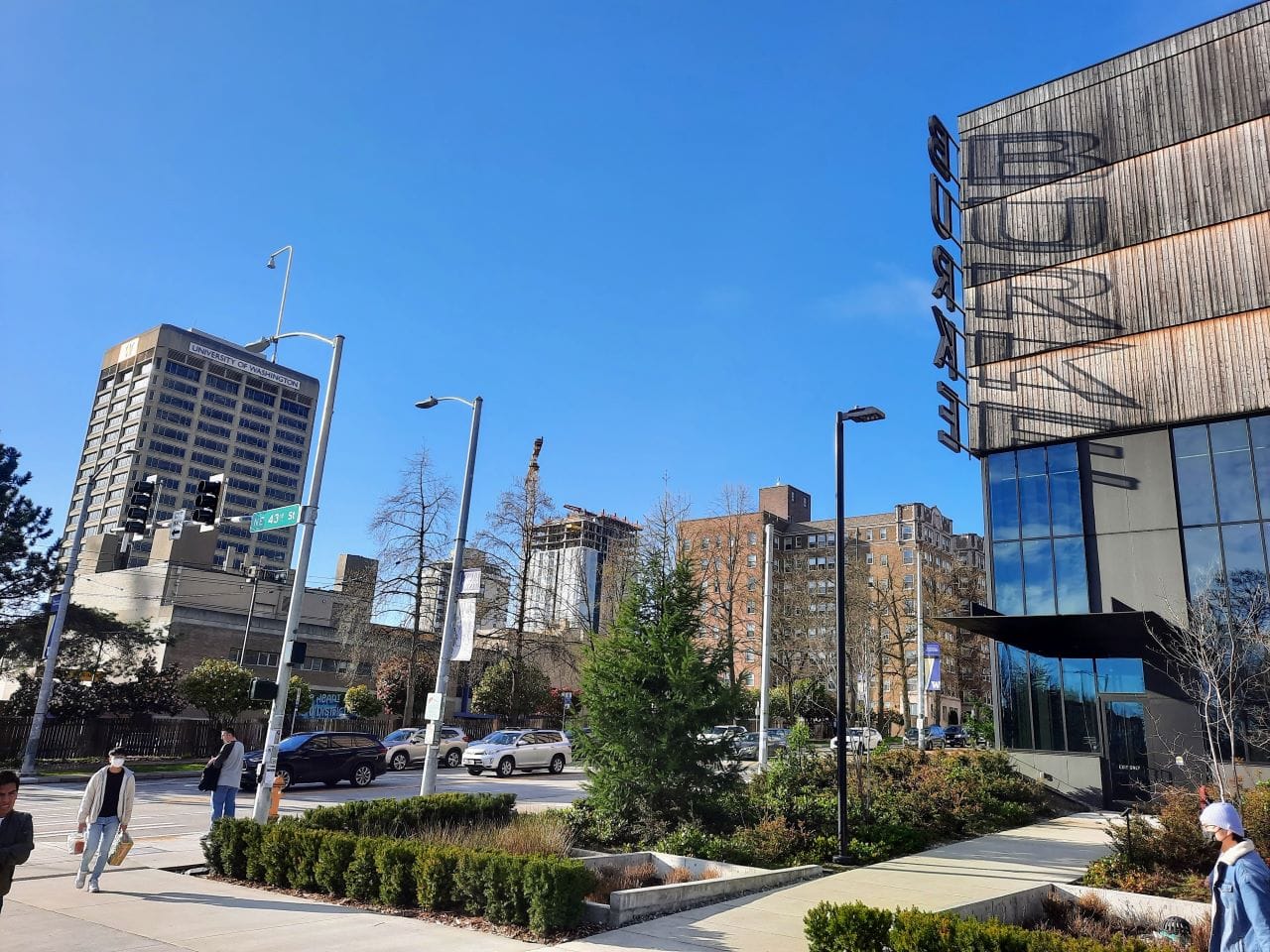
The University of Washington (UW) has been actively addressing transportation challenges inherent in operating a 60,000-student campus amidst Seattle’s already bustling street network. The vehicle which guides transportation planning is UW’s Campus Master Plan. While this plan encompasses more than transportation, this article will focus on UW
You hear it all the time, Seattle drivers are ‘Just The Worst.’ They’re terrible at navigating around the ubiquitous traffic circles. They’re incompetent on the highway. They’re unable to control their giant land yachts. “I’m great at driving,” people will say, “but all these other whack
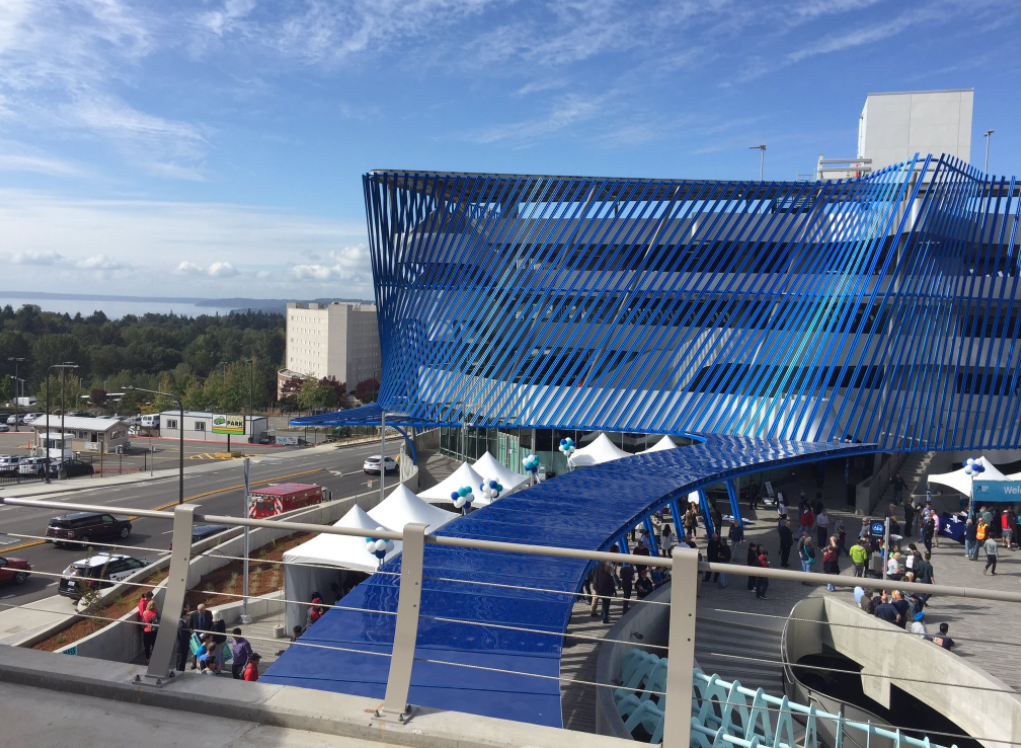
Sound Transit has outlined several alternatives to expand its parking management program with paid parking. Some or all stations with parking could be affected by the changes in the next year. Exactly what the program will look like is still up to debate with agency boardmembers having wide-ranging opinions on
Rollie Williams of Climate Town walks through the history of minimum parking laws and growth of parking in America with a few cameos from Jason Slaughter of Not Just Bikes. Williams highlights the many problems with such laws and the arbitrary nature of them.

Amsterdam is marching toward becoming a car-free city. In their latest effort, the city government is trialing a six-week closure of Weesperstraat, the busiest street in the city, to cars. The car lobby is predictably mad about this knip, but is it achieving goals? Jason Slaughter of Not Just Bikes
Traffic camera enforcement technology isn’t popular among motorists, but there’s a lot of upsides to camera enforcement of traffic regulations, such as speed limits. Dave Amos of City Beautiful dives into the lifesaving technology. Amos also highlights other lifesaving technologies related to drivin
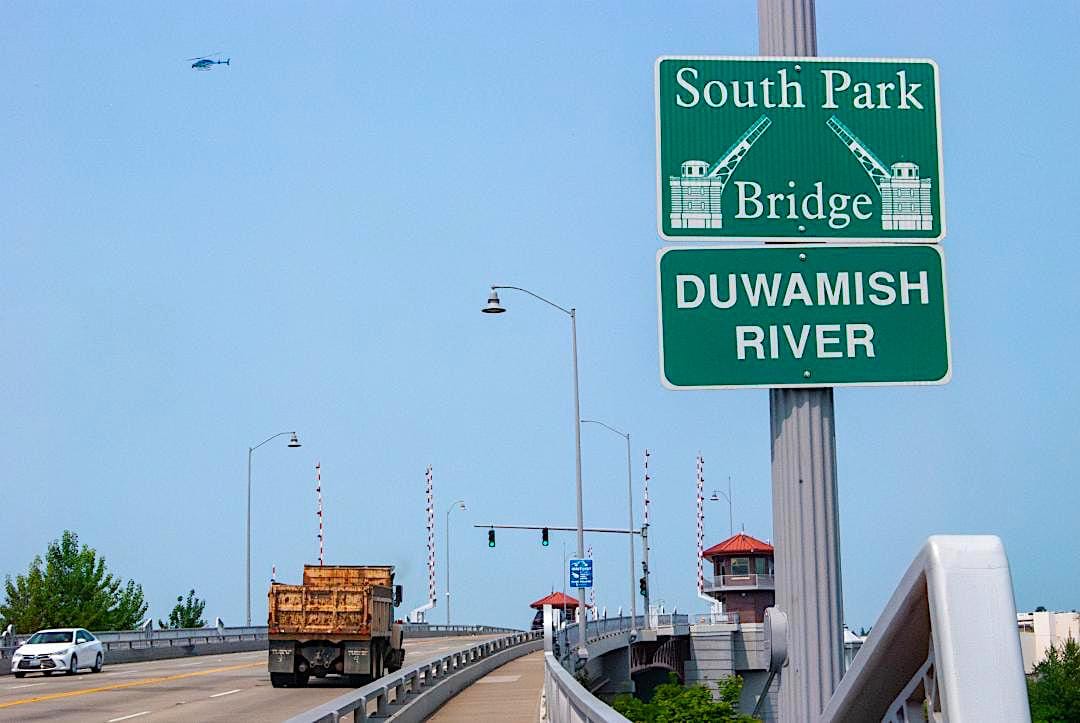
Often after Rosa Lopez picks up her son from school, they walk under a highway and half a mile to the South Park Community Center. She pointed to their route on a wooden display of the western Duwamish Valley, a mapping tool designed by the University of Washington’s Department
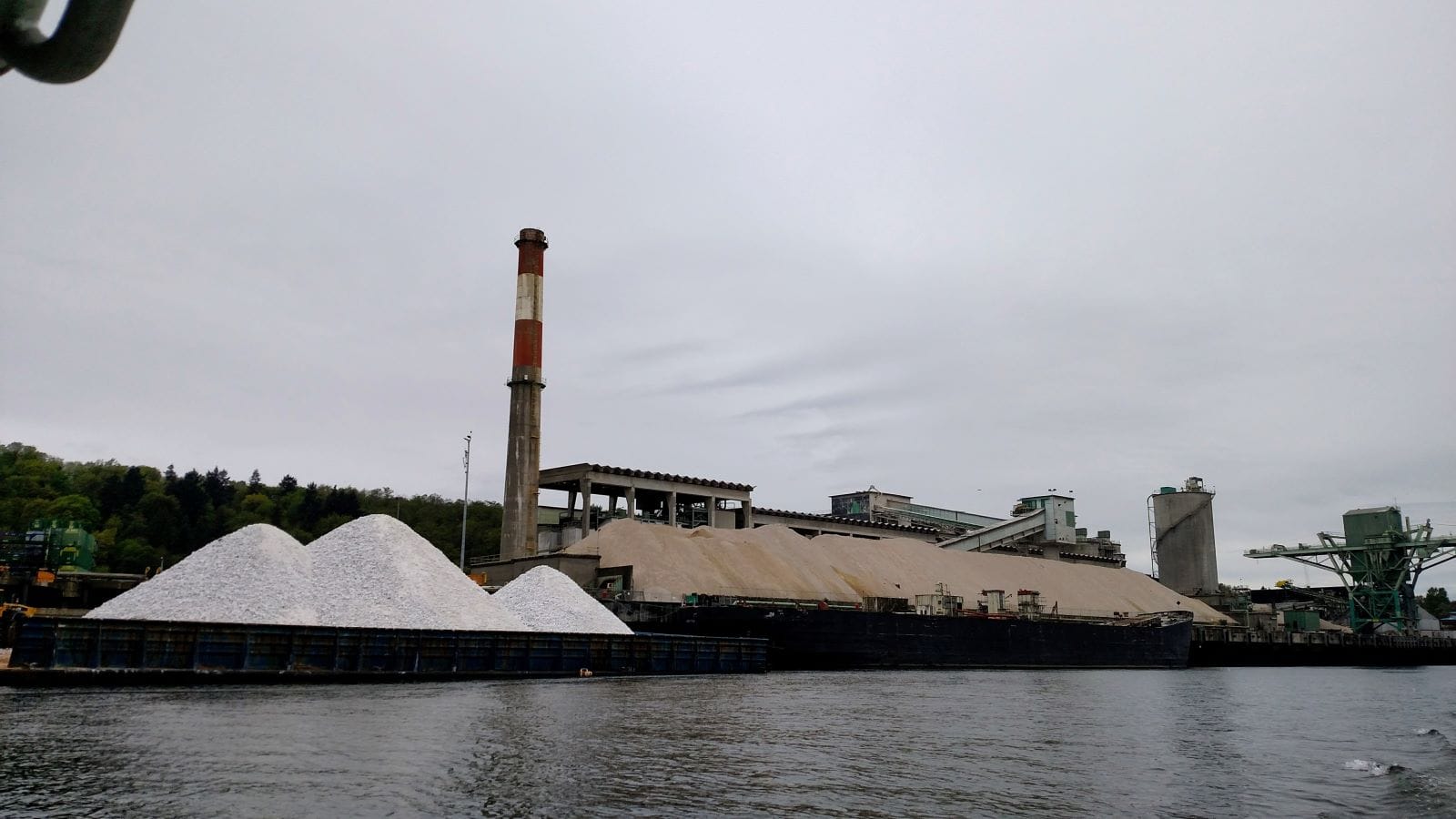
The Duwamish River Valley hosts three freeways, two international airports, an international seaport, and a river so polluted it was declared a federal Superfund site, with over 300 industries lining the banks. Seattle’s only majority people of color and immigrant neighborhoods are also the most vulnerable; with more families,
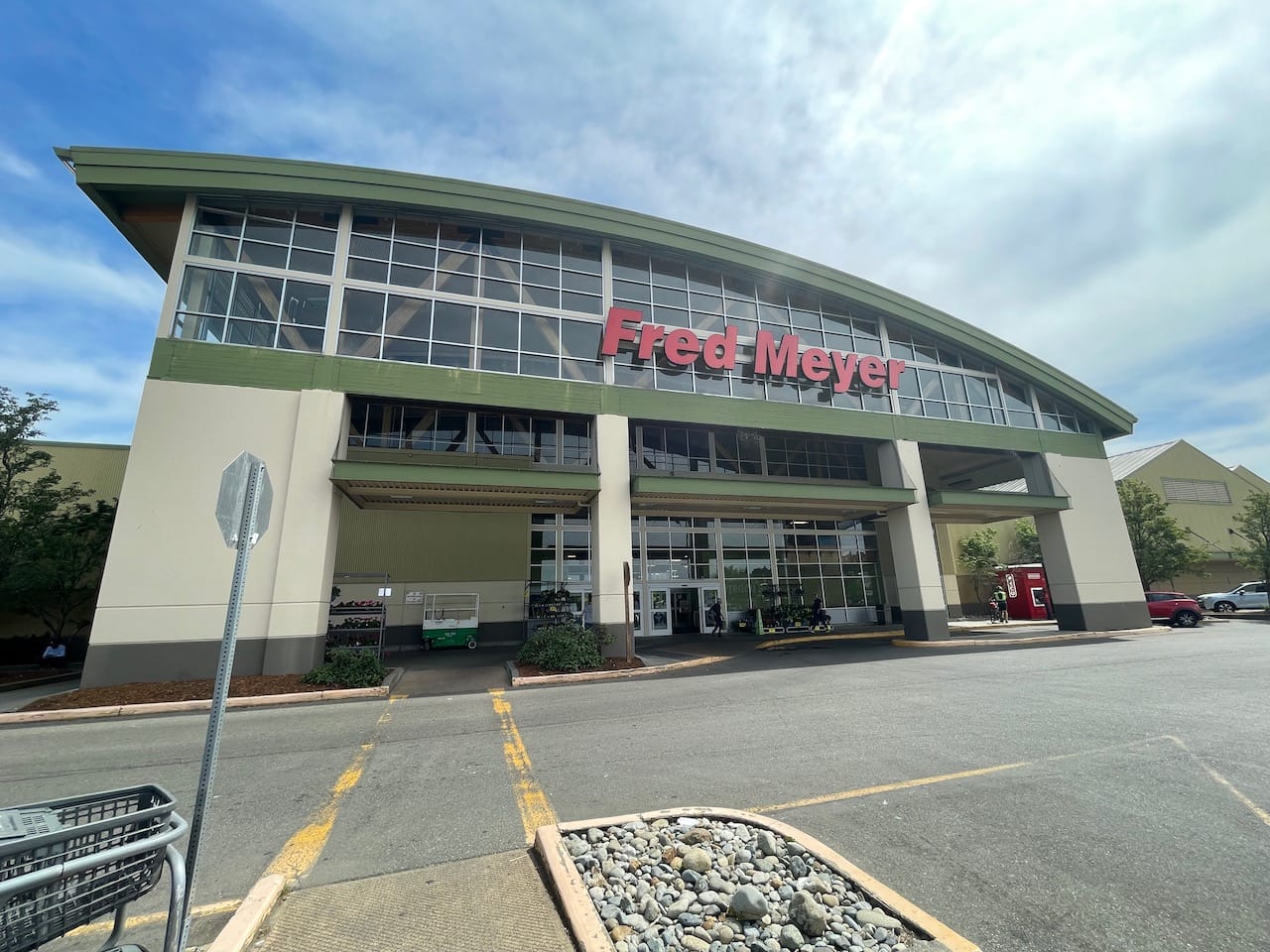
The distance to carry a bag of food is only argued against cities, never getting them to your car in the first place. Enter any discussion about slightly altering the number of cars in the city, and the first, often loudest, argument is “how will I get my groceries from
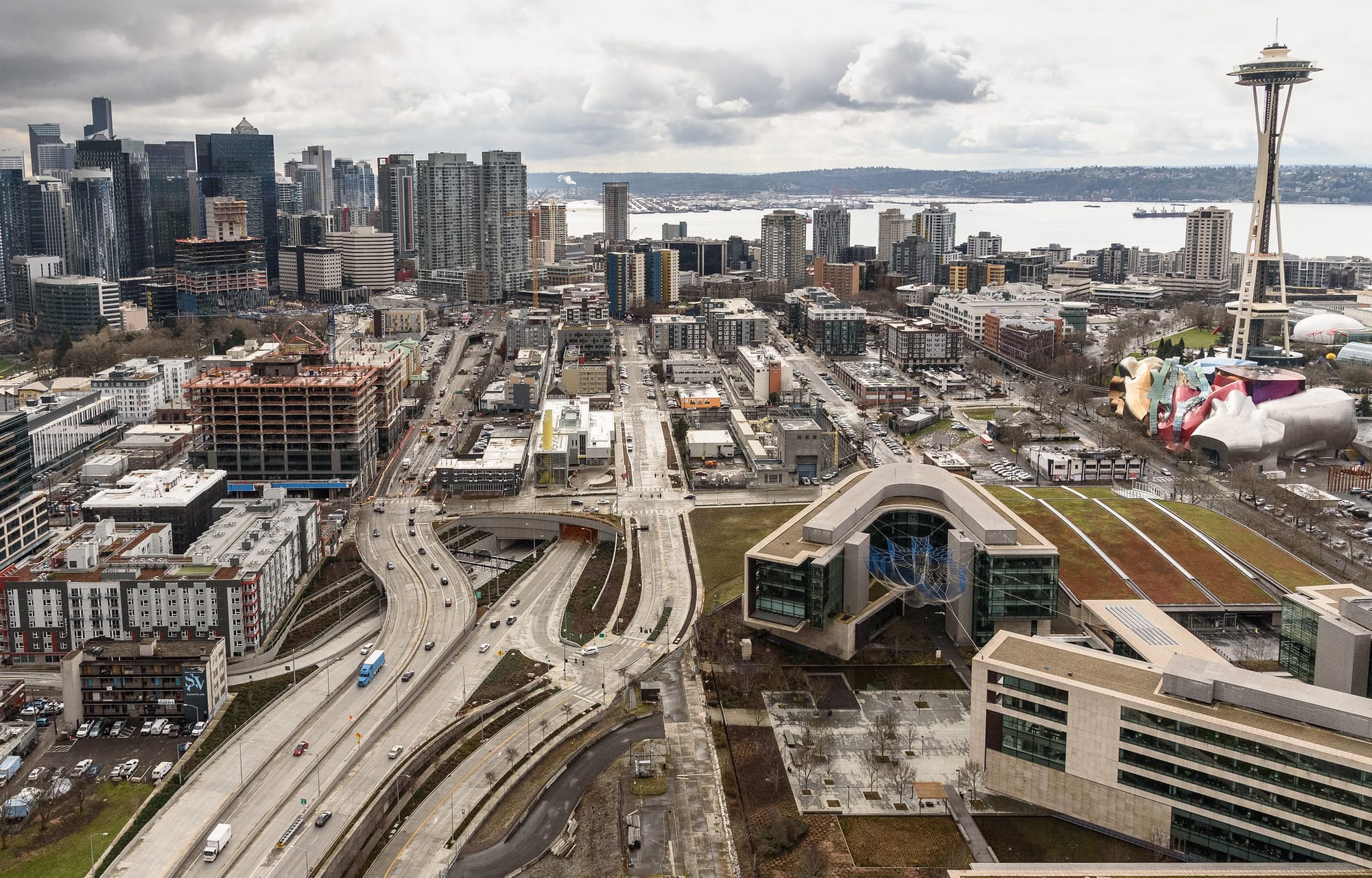
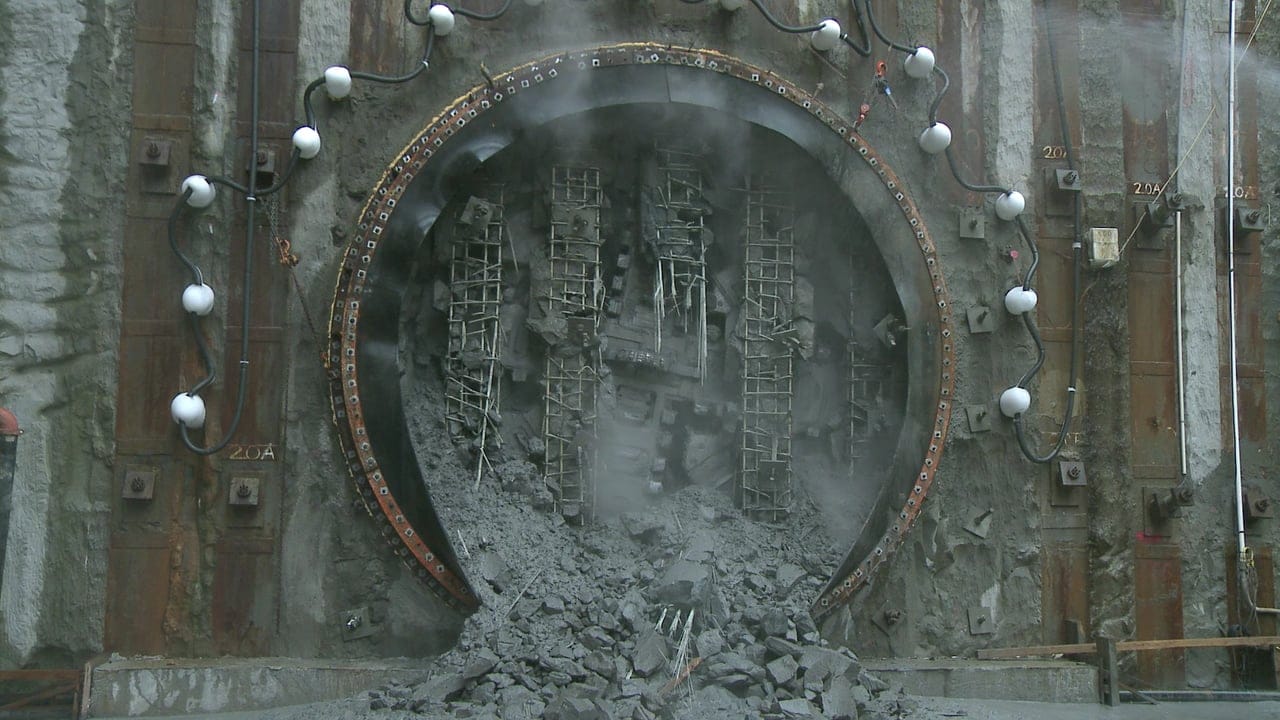
Thanks to a significant cash transfer from the state legislature and a reduction in operating expenses, the near-term financial outlook for the State Route 99 deep bore tunnel in Seattle is looking much rosier than dire economic forecasts suggested as recently as last year. But even these significant aids to
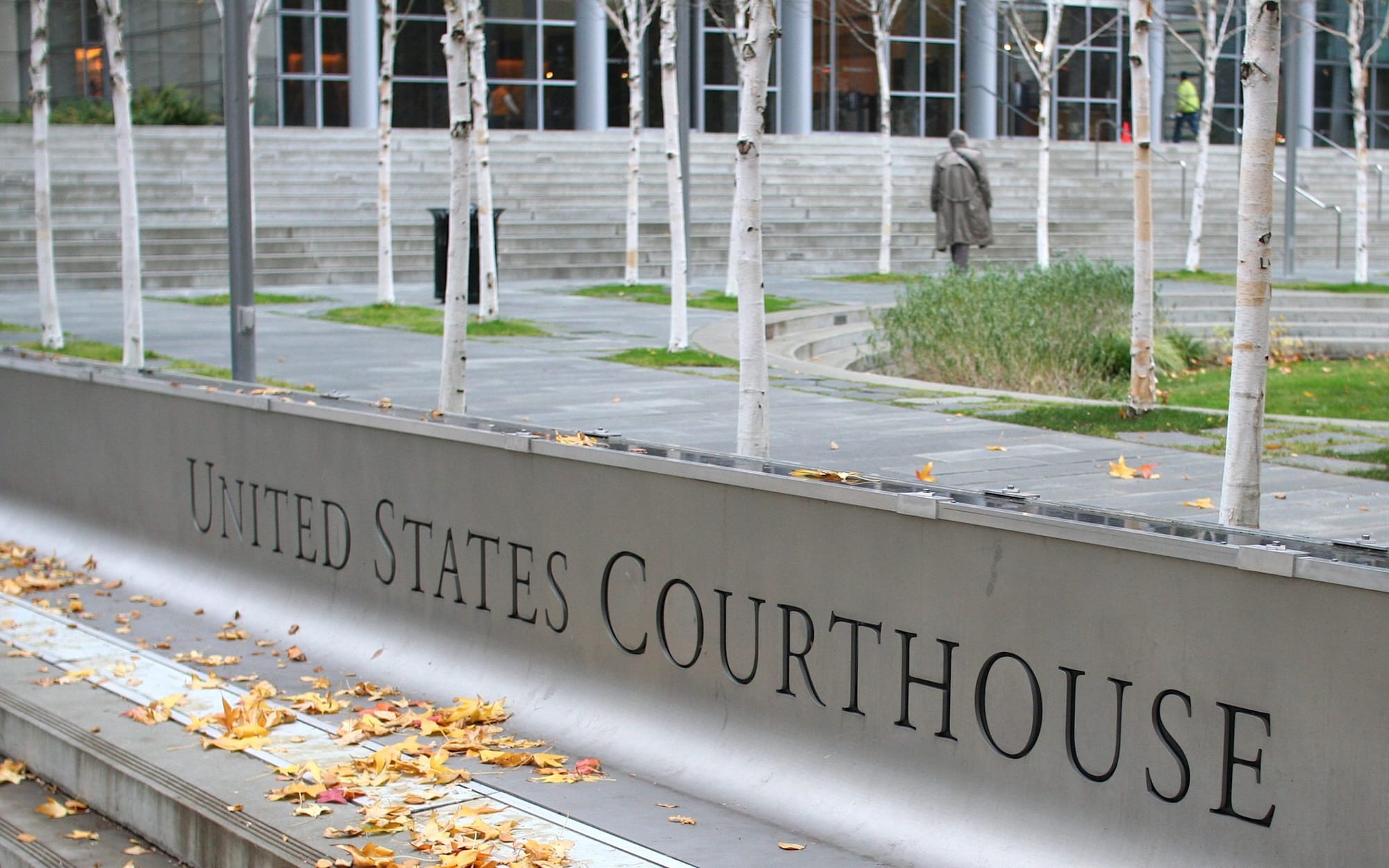
Seattle’s legal battle against Hyundai and Kia challenges traditional notions of city and corporate responsibility. Could it portend an era of tighter car regulation? Earlier this year, the City of Seattle filed a lawsuit against Hyundai and Kia in response to a wave of car thefts. The City’s
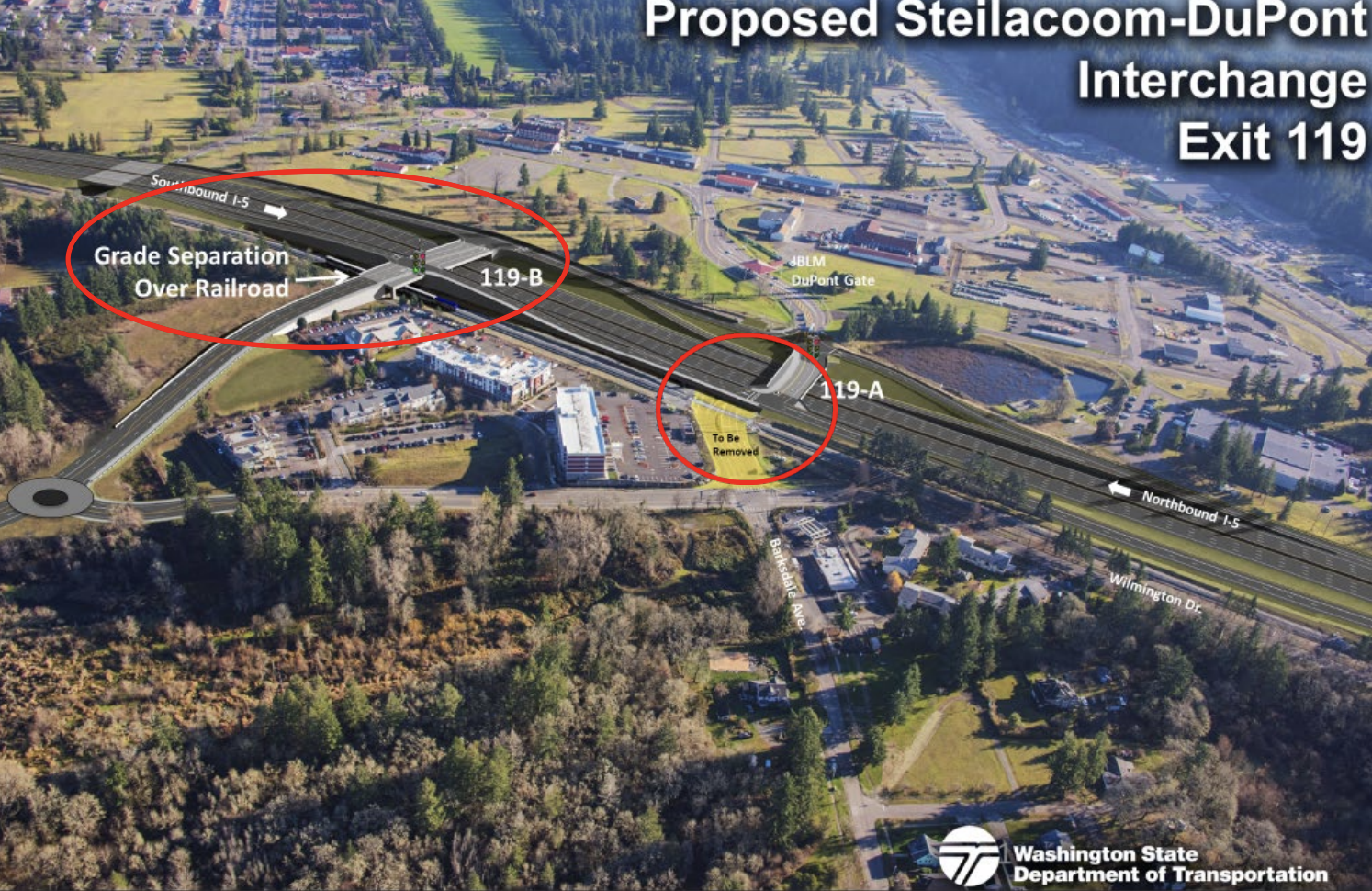
Sound Transit is partnering with the Washington State Department of Transportation (WSDOT) for a grade-separation project in Pierce County. The project is being led by the state transportation department as part of freeway expansion efforts near Joint Base Lewis-McChord (JBLM) and will benefit a railway that Sound Transit owns. The
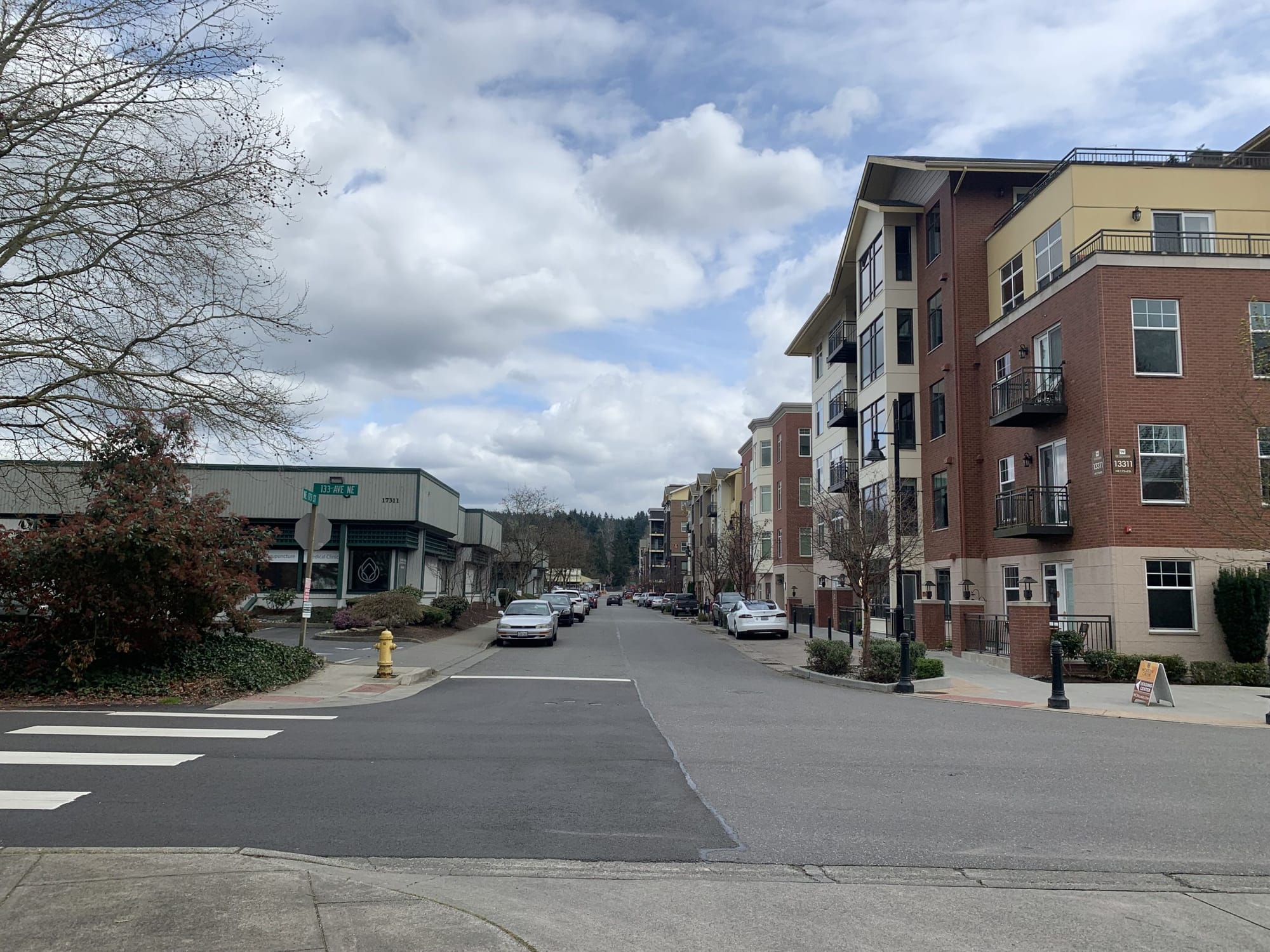
One parking stall per 1,000 square feet of racquetball facility. One stall for every five seats in a theater. One stall for every 300 feet of a veterinary clinic. One stall for every 400 square feet of a day care facility. One stall for every 250 square feet of
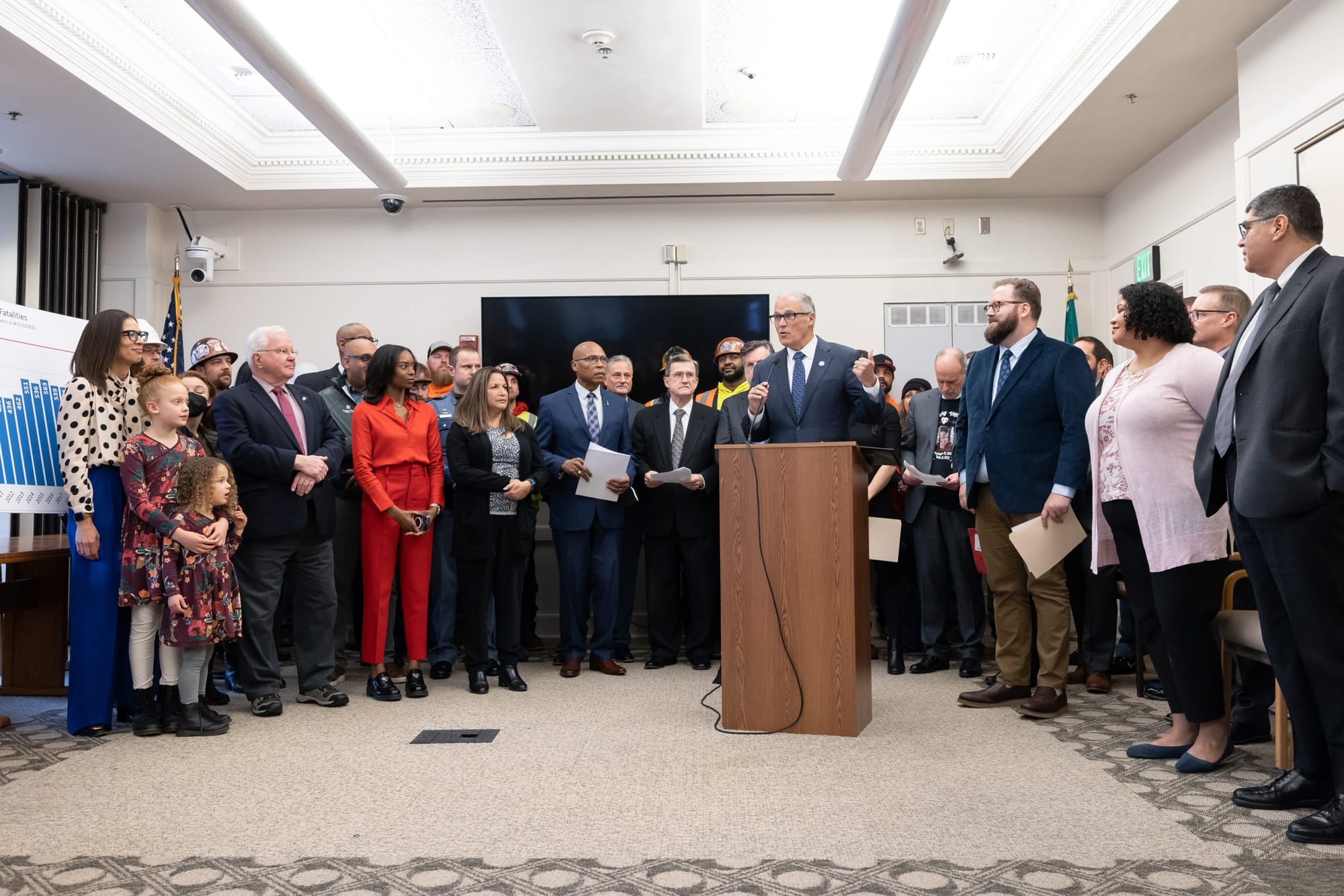
On Thursday, a bipartisan group of leaders held a press conference addressing a new focus on traffic safety during this legislative session. Sen. Marko Liias (D – Edmonds) and Governor Jay Inslee led the way in stressing the need for better education, stricter safety laws, and tighter enforcement of those laws.
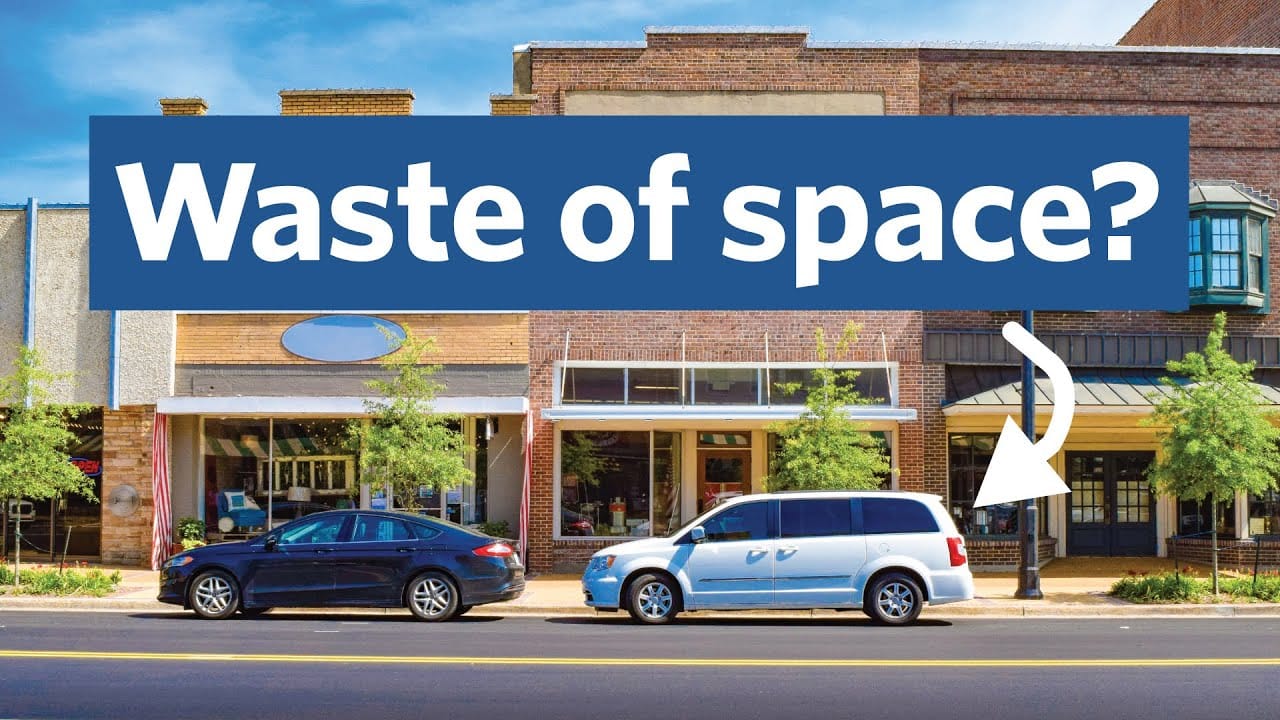
Dave Amos of City Beautiful takes on the topic of whether or not on-street parking is really the best use of limited street space.
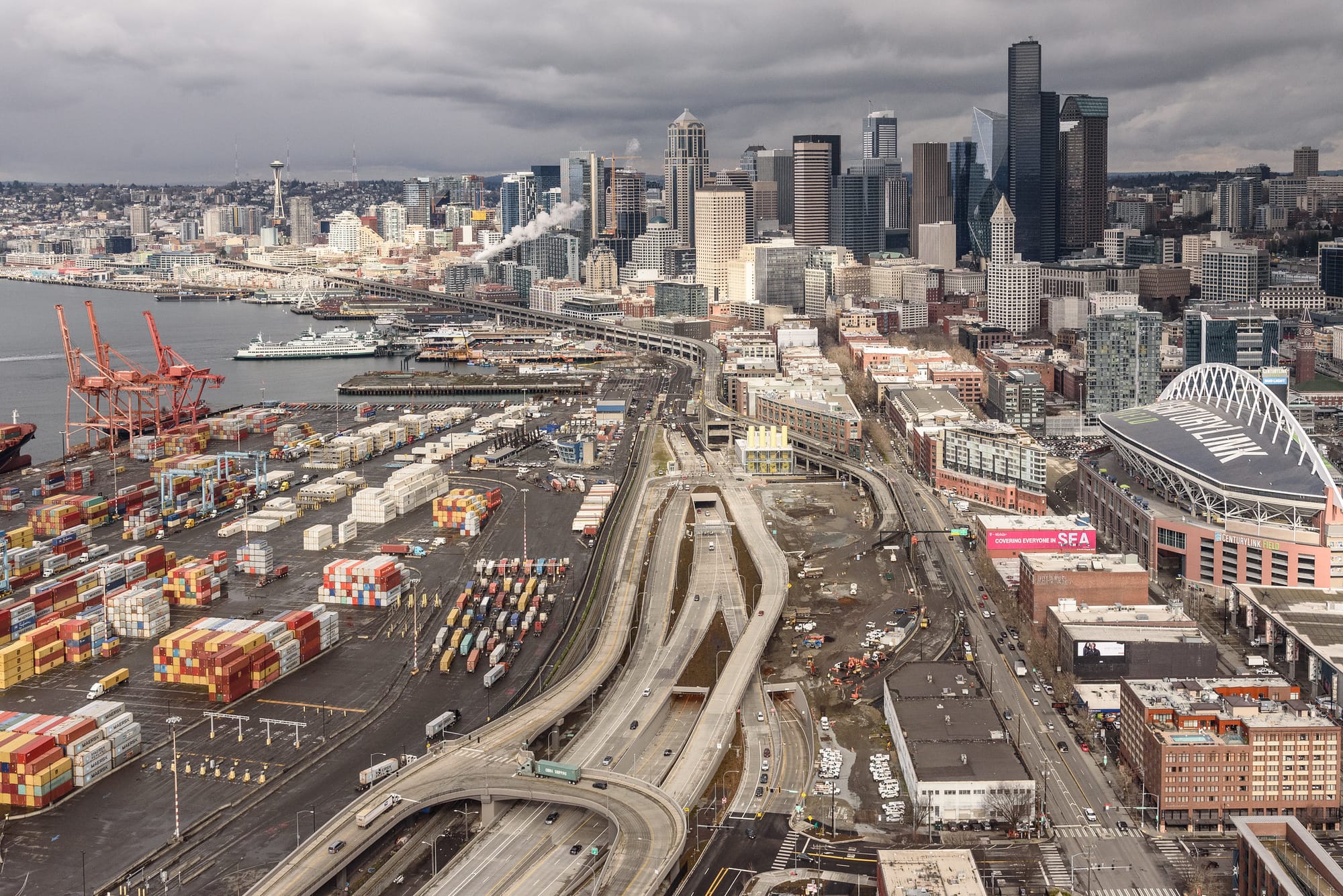
To stem a widening revenue gap impacting the SR 99 tunnel tolling program, the Washington Transportation Commission is poised to ask the state legislature for additional funds to make up for toll revenue. Tolls on the deep bore tunnel underneath downtown Seattle were originally set to contribute $200 million toward
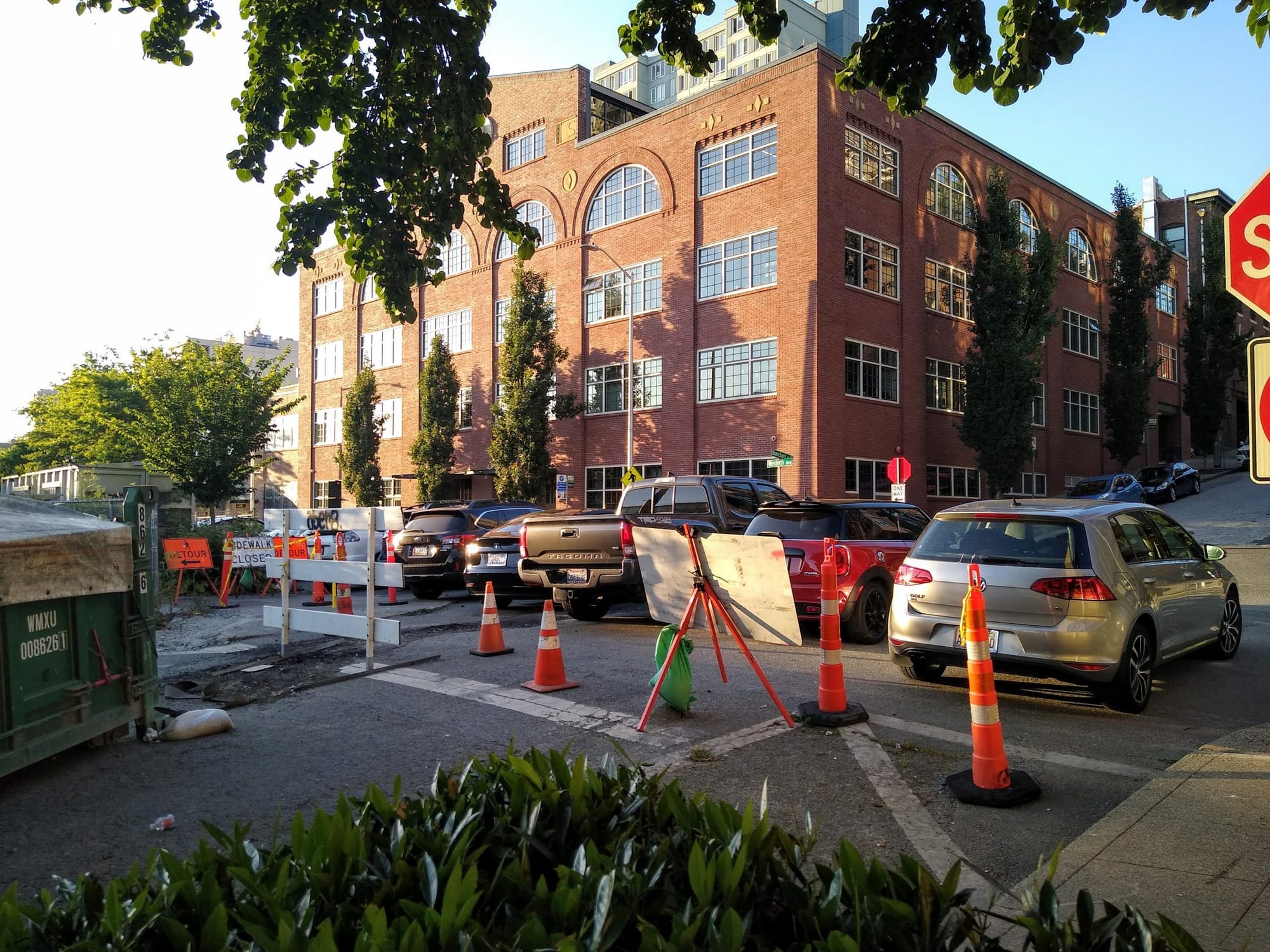
Seattle City Light has announced that plans will not move forward to build a new surface parking lot for electric vehicle (EV) charging on a city-owned property adjacent to the Seattle waterfront redevelopment in Belltown. The charging lot, which would have included approximately six to eight parking stalls, was intended
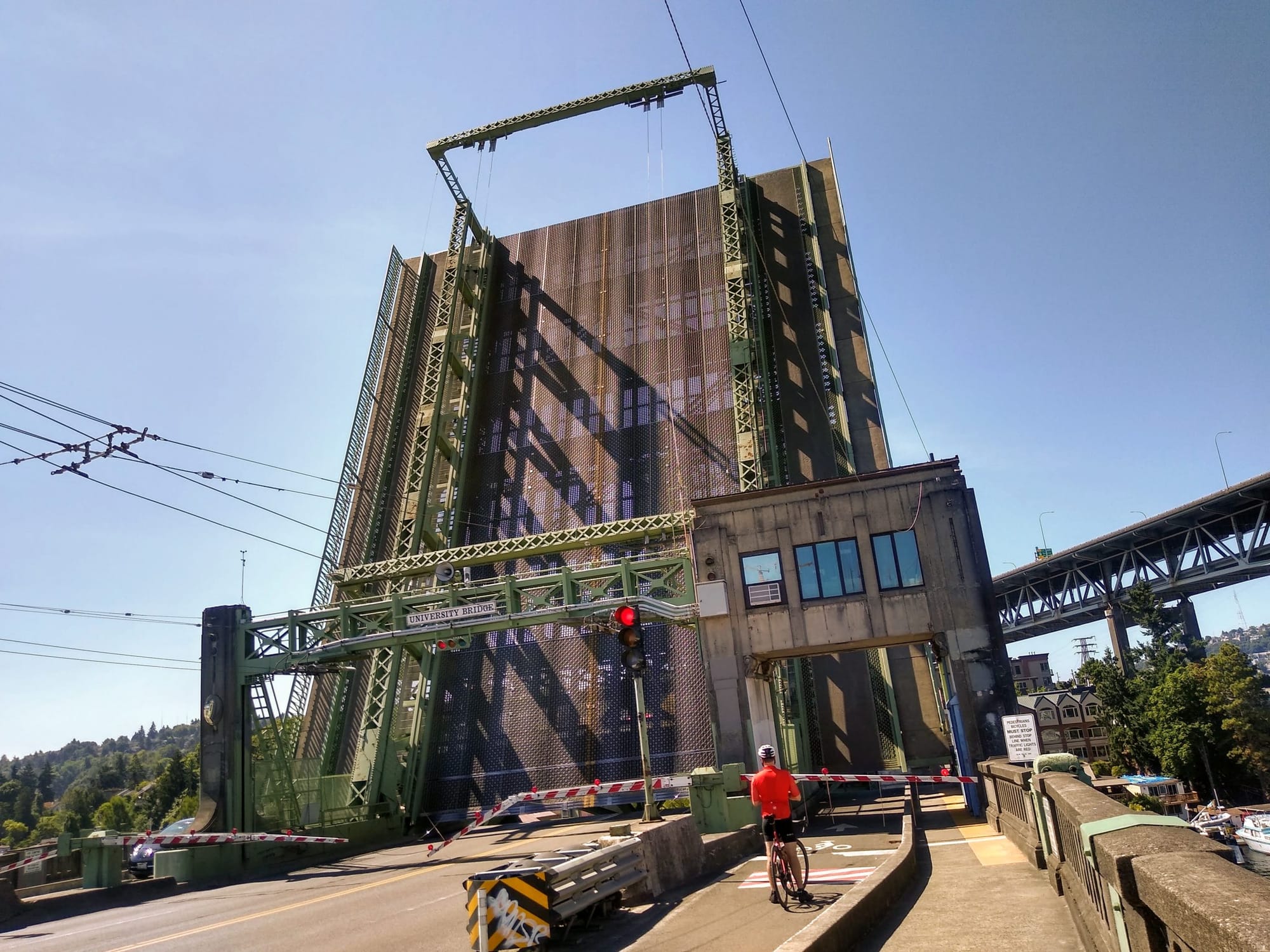
Seattle is poised to divert a major funding source away from public transit and into general transportation maintenance, thanks to an amendment put forward by Councilmember Alex Pedersen during this week’s budget deliberations and approved by a close 5-4 vote. The move could set a long-term precedent, impacting a
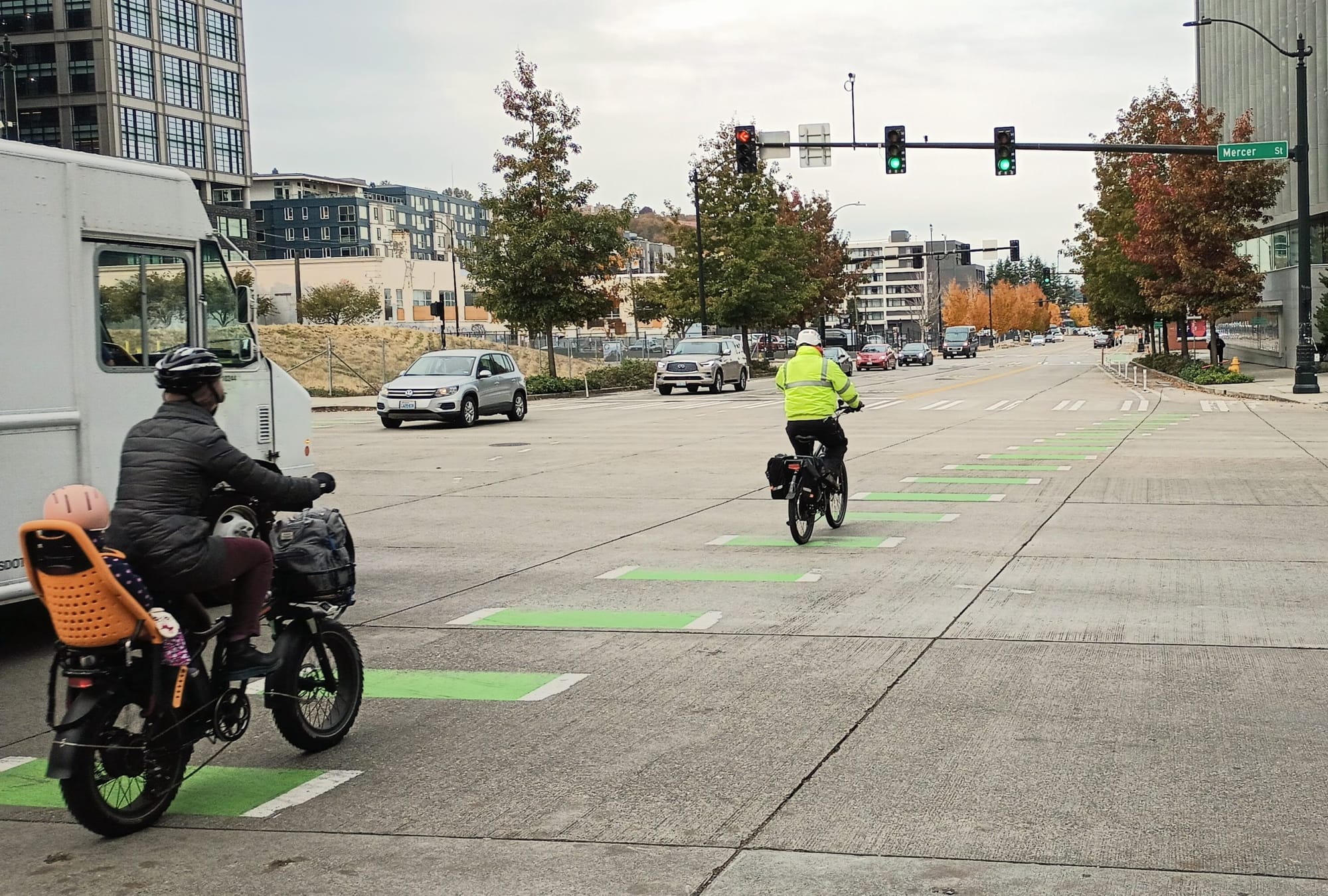
Washington State’s incentive programs for hybrid or fully electric vehicles give consumers a reason to choose those vehicles over gas power. To date, no program has implemented an incentive to entice buyers to go with an electric bike. That could change with a provision included in King County’s
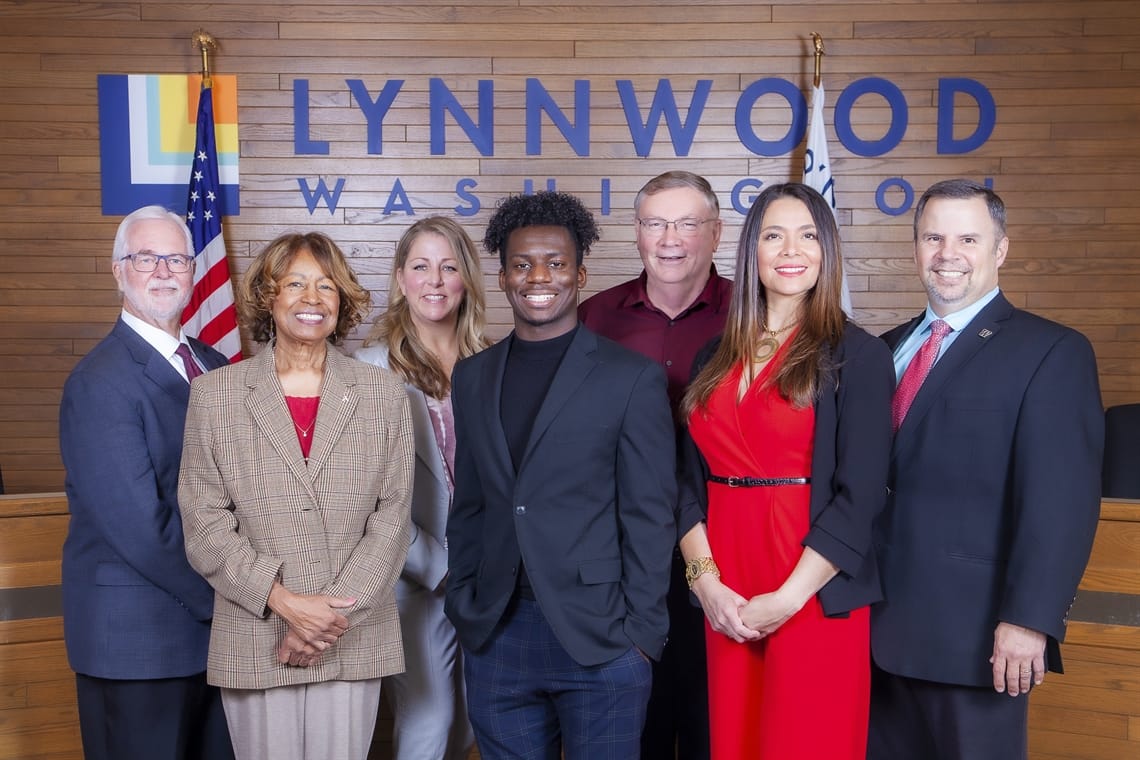
By close vote Monday, the Lynnwood City Council failed to override Mayor Christine Frizzell’s veto of a bill repealing a $40 car tab fee, which funds city streets. Mayor Frizzell issued her veto of the car tab ordinance at a October 31st meeting arguing the streets are a top
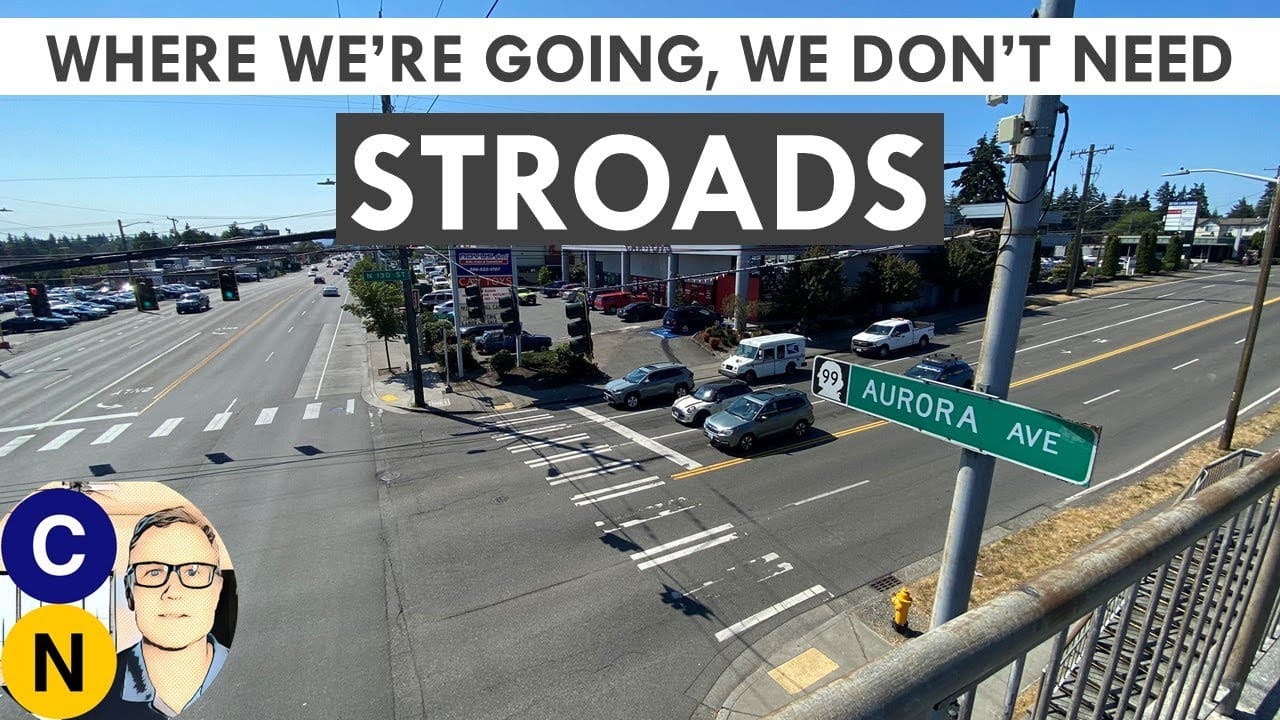
Ray Delahanty of CityNerd visited Seattle to showcase the city’s preeminent stroad: Aurora Avenue. Delahanty offers a sobering overview of the road, but he also discusses how it could be completely reimagined. The Urbanist and fellow local advocacy organizations make cameos in the video.
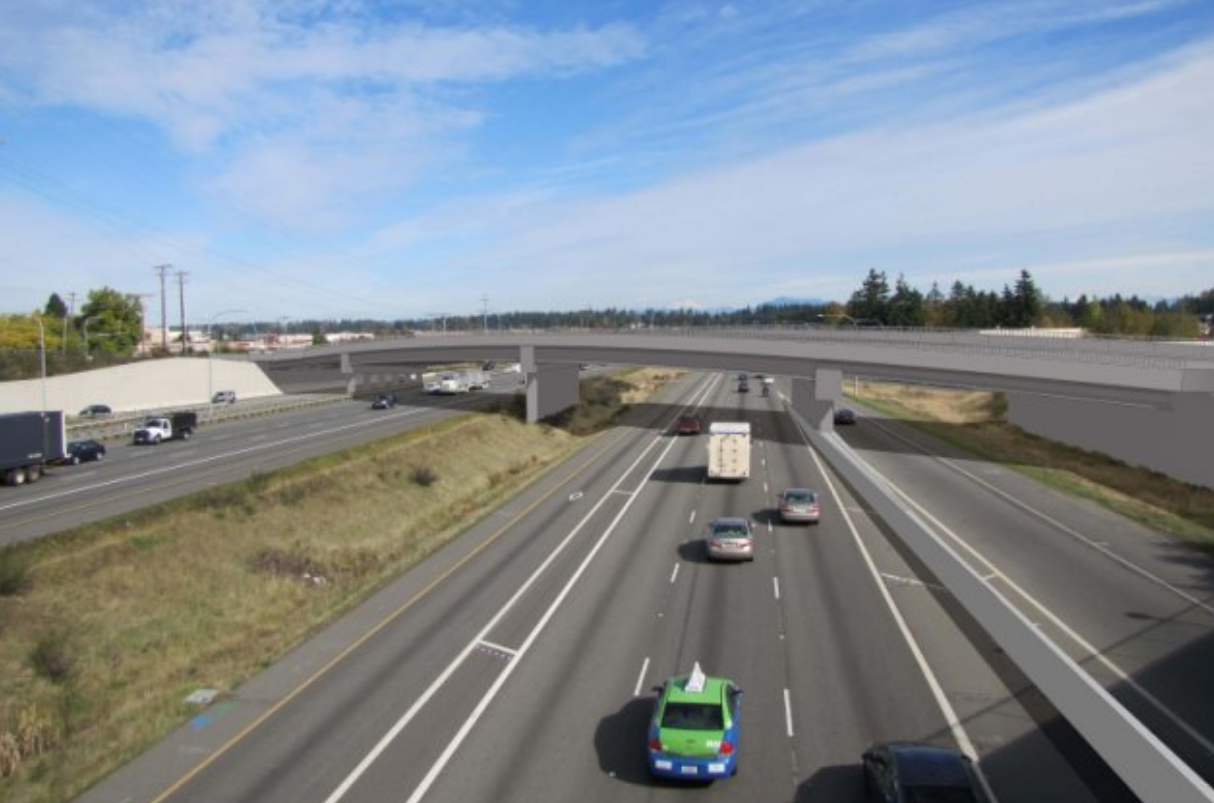
Last week, the US Department of Transportation (USDOT) announced 166 projects that have been selected to receive $2.2 billion dollars in Federal funding through the Rebuilding American Infrastructure with Sustainability and Equity (RAISE) grant program. One of USDOT’s largest discretionary grant programs, the awards are highly coveted. Due
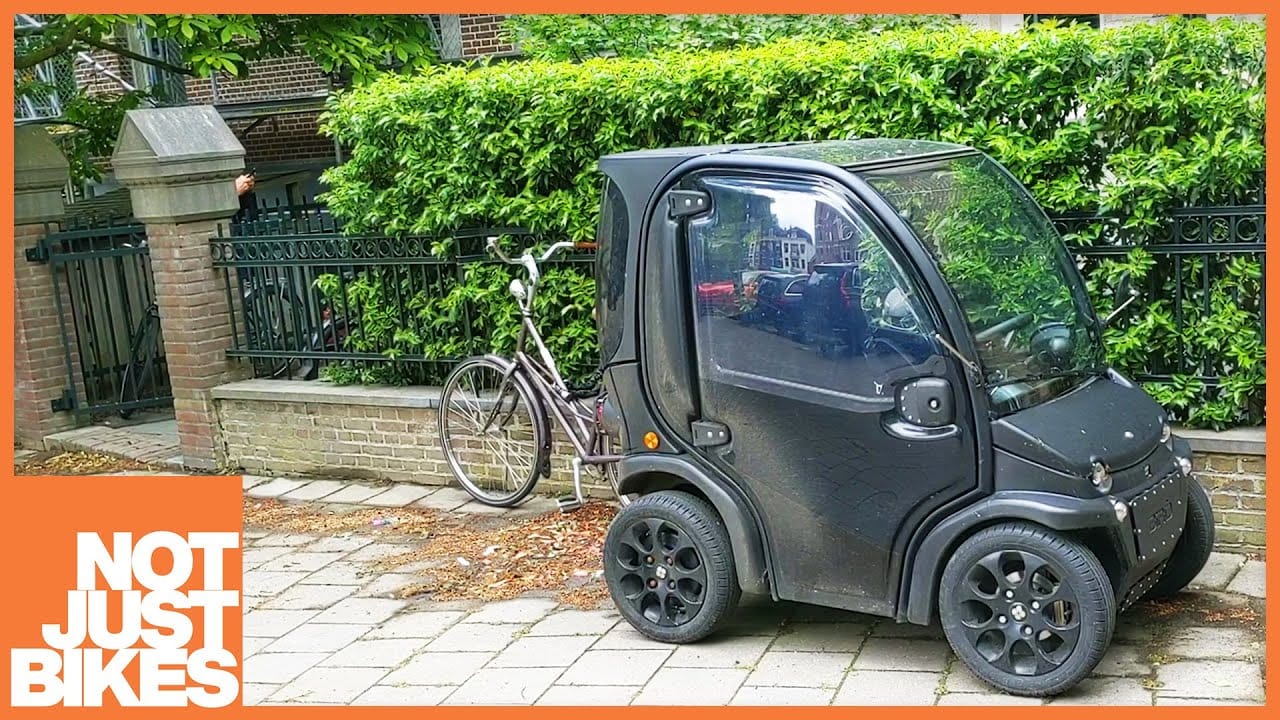
Miniature microcars are rare in North America, but they’re common in Amsterdam and The Netherlands. Jason Slaughter looks into how these cars are more city-friendly and utilitarian than their larger, heavier counterparts.
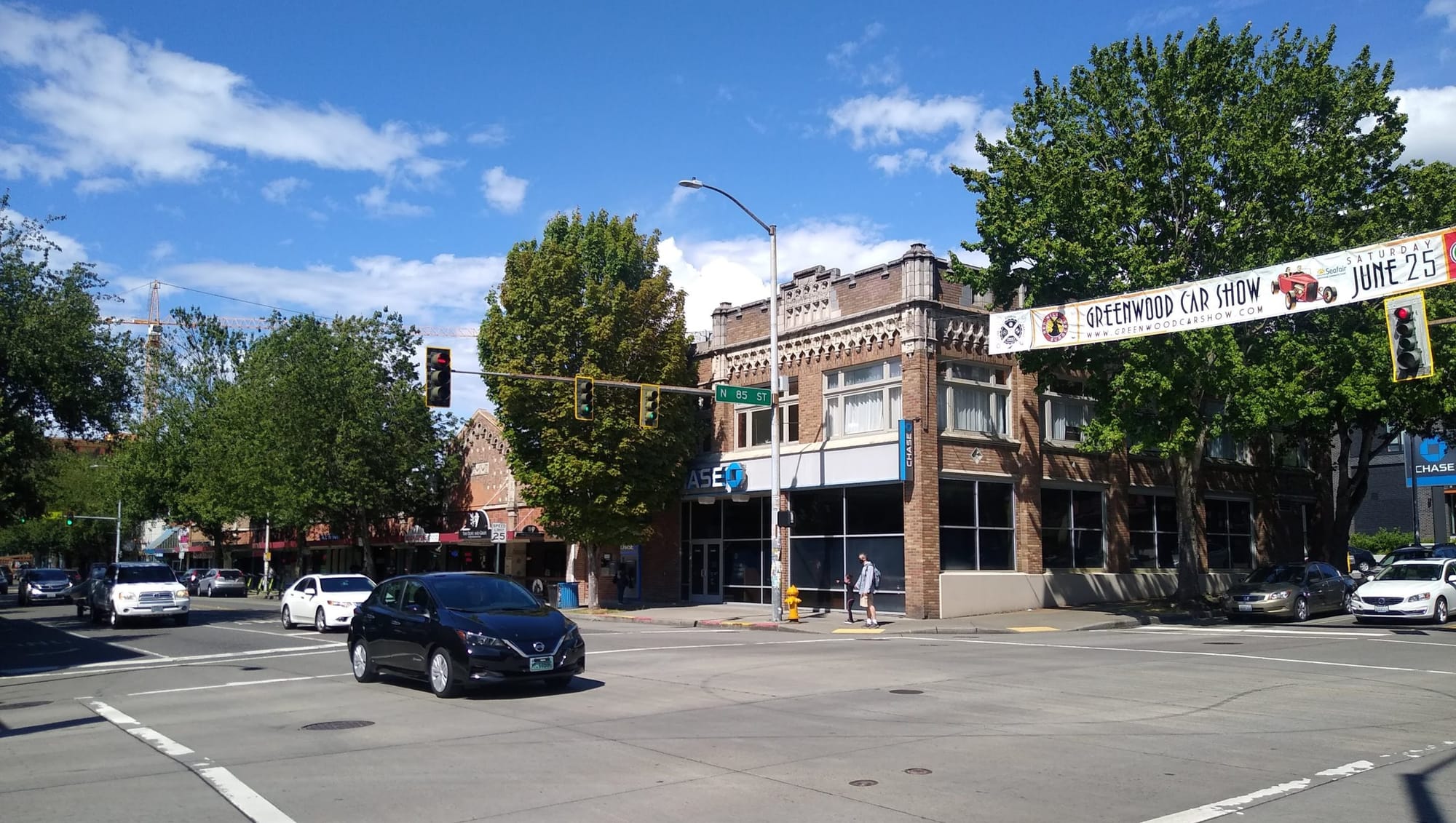
The Seattle Department of Transportation (SDOT) spends millions of dollars per year maintaining and replacing equipment on its traffic signal system, which consists of signals at over 1,100 intersections. Frequently, the department embarks on larger signal upgrade projects, perhaps most famously when it revamped signals along Mercer Street between
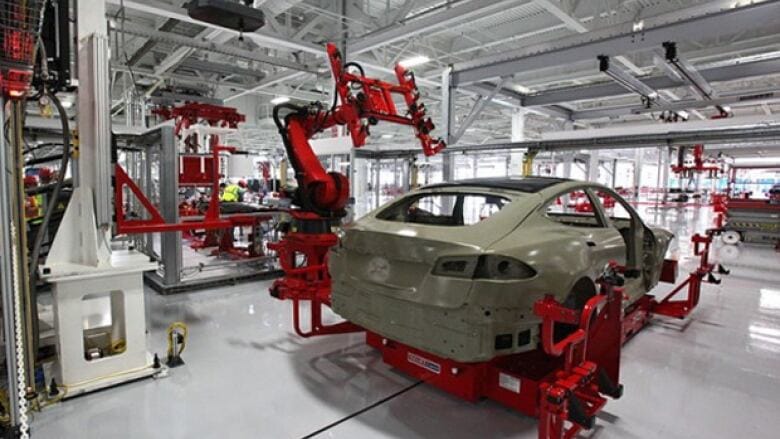
Yesterday, Senate Democrats made a surprise announcement that they finally had a climate bill likely to clear the chamber after Sen. Joe Manchin (D – West Virginia) finally acquiesced after blocking a series of earlier efforts. Unfortunately, the bill, dubbed Inflation Reduction Act of 2022, offered almost no support for transit,
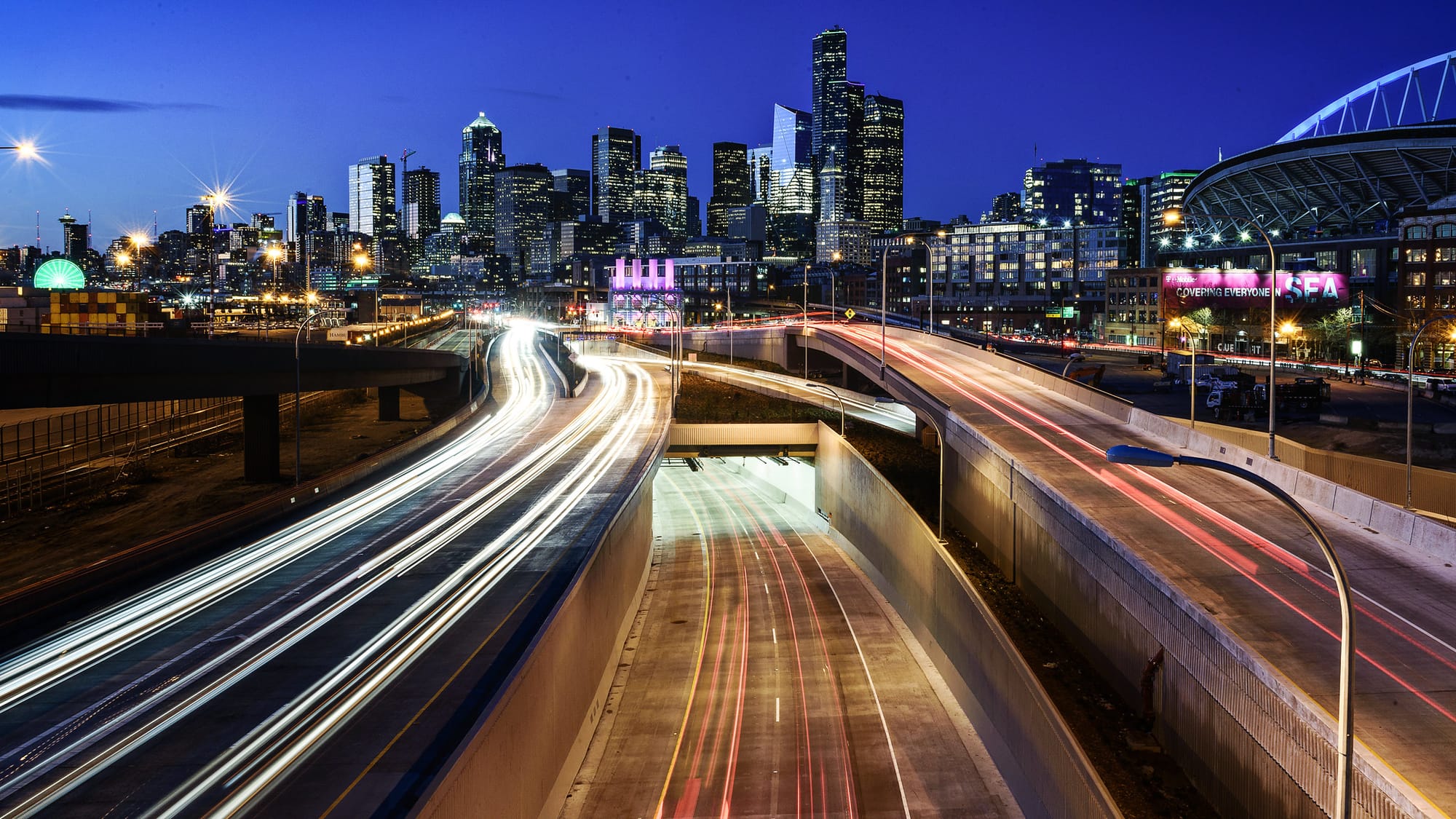
The state treasurer’s office brought some bad news to the Washington Transportation Commission this week regarding the revenue forecast for the Washington State Department of Transportation (WSDOT) SR 99 tunnel underneath downtown Seattle. Given current trends, the financial models predict that the SR 99 tunnel won’t be able
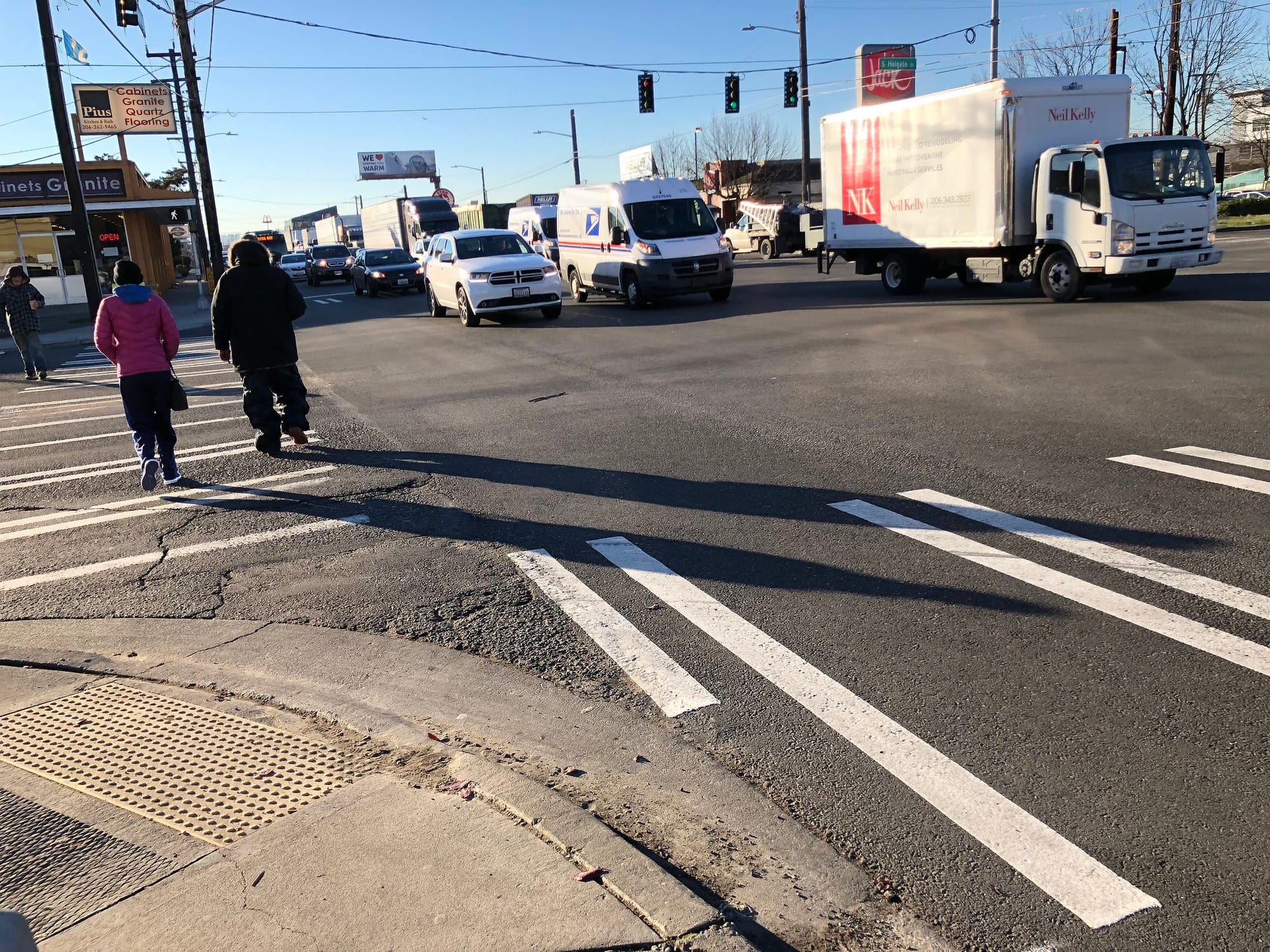
The Seattle Department of Transportation (SDOT) is proposing changes to one of the most dangerous streets in the city, 4th Avenue S in SoDo, on a relatively ambitious timeline in the wake of several fatal crashes nearby just this year alone. The changes are relatively minor, quick-build type changes, but
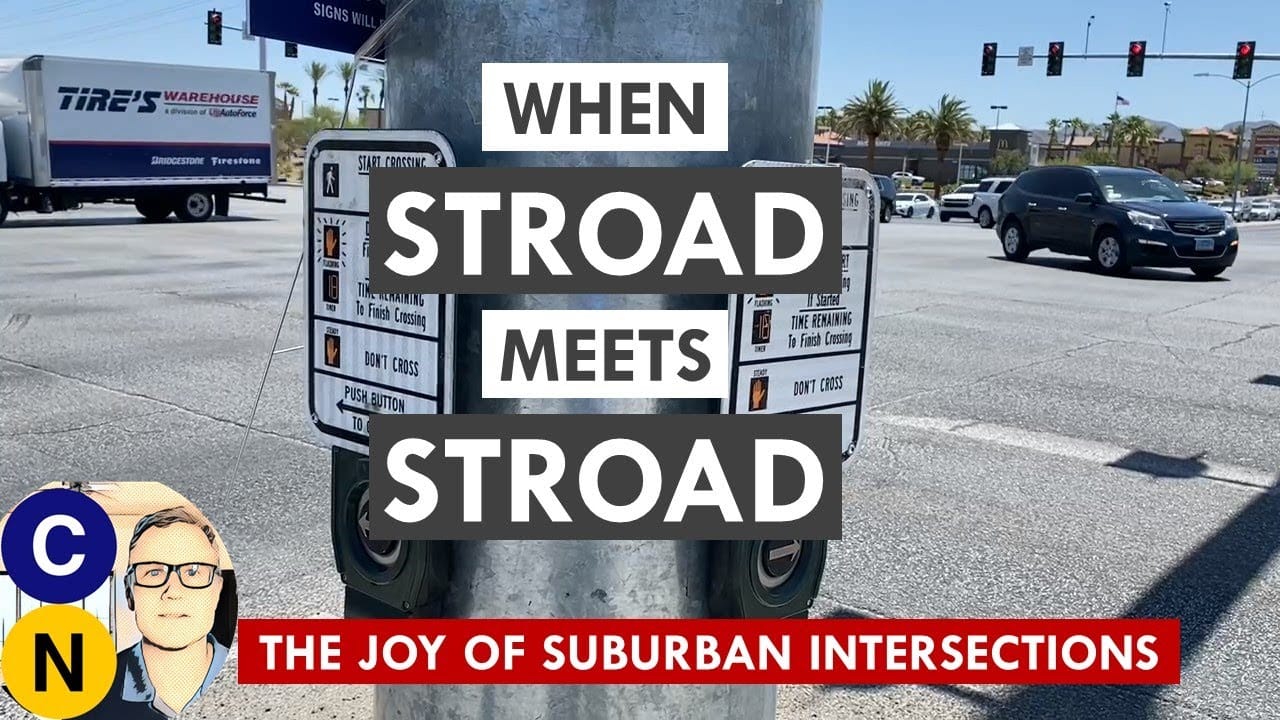
Ray Delahanty on CityNerd breaks down what happens when large suburban stroads intersect and how the design of suburban intersections reflect the kind of land use and planning around them. Ray specifically looks at corresponding suburban land uses, how the design of the intersections affect operations, such as signal timing
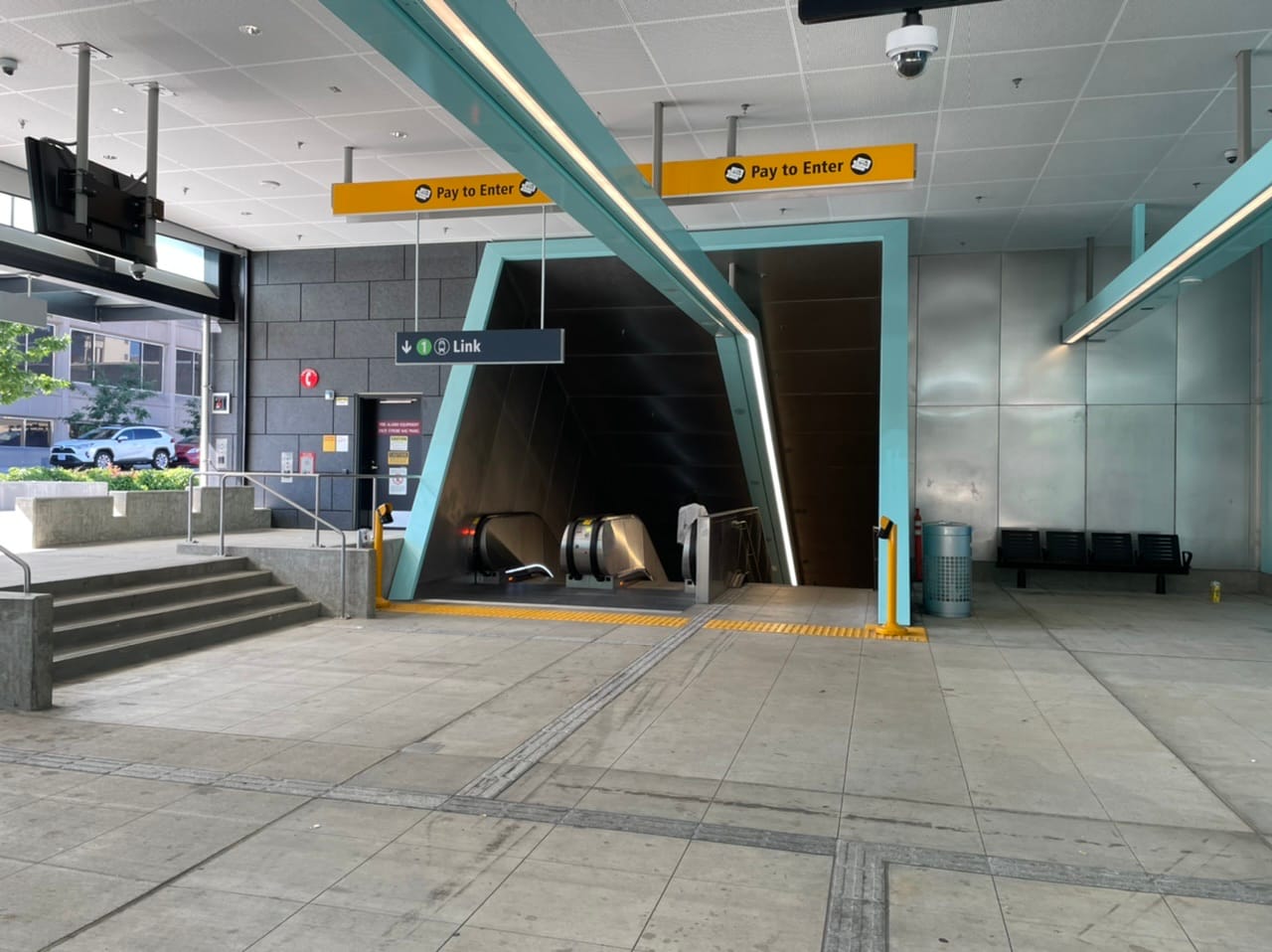
This week’s Transpo Notes roundup touches on a mix of bus, train, and driving stories, including: * The hiring of Sound Transit’s next CEO; * Naming of the forthcoming Link stations; * Free transit passes for University of Washington employees; * Noisy escalators and cracking tiles at new Link stations; * Park-and-ride demand
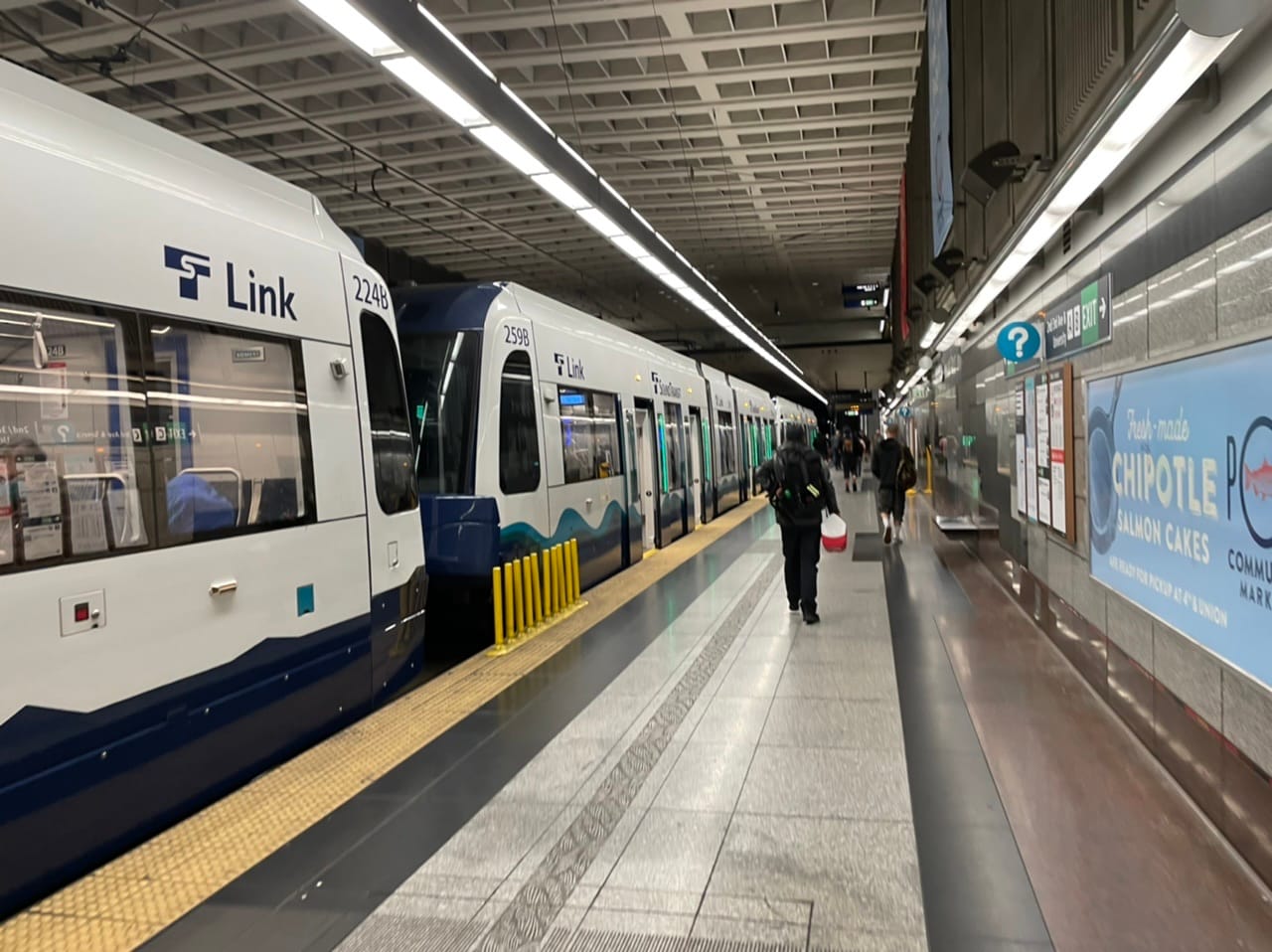
This week’s Transpo Notes roundup touches on a mix of bus, train, ferry, and driving stories, including: * A long-awaited University District bus stop opening; * Coming fixes to a leaky U District Station ceiling; * Explanation for why four-car Link light rail trains aren’t the norm; * Upgrades coming to a
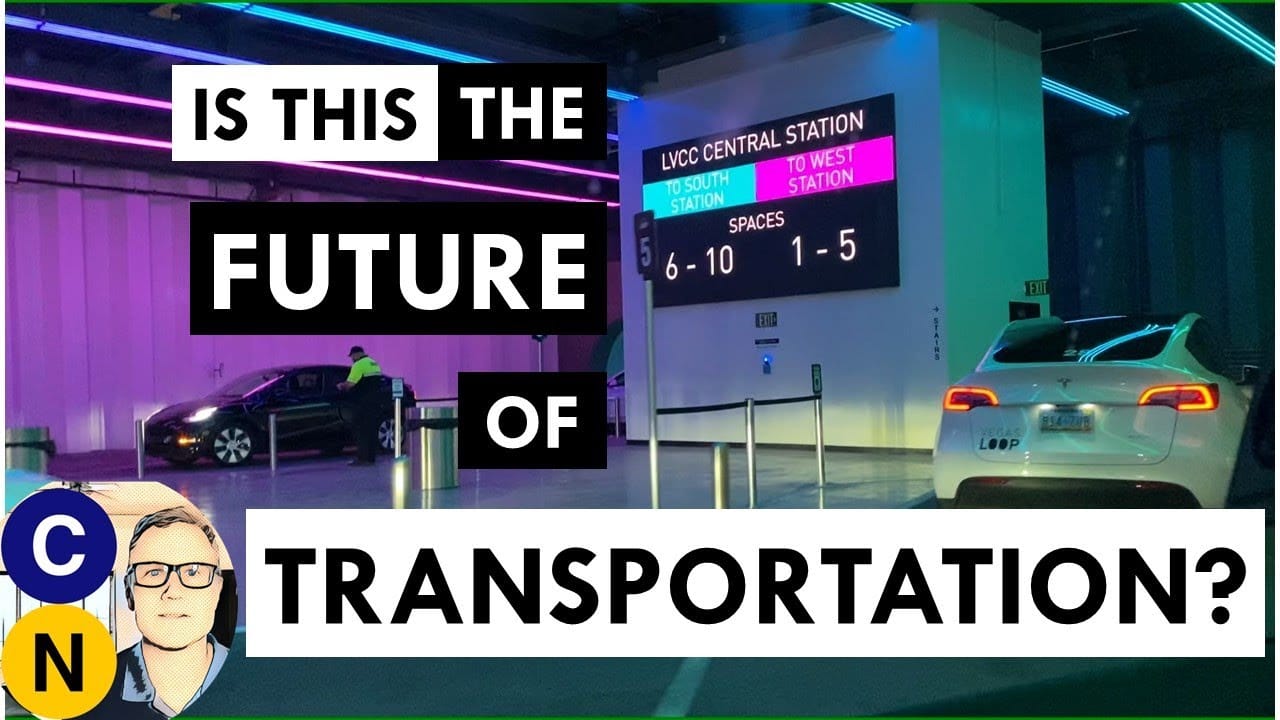
Boosters of the Boring Company’s Las Vegas Loop tout high capacity of individual Teslas operating through the single lane tunnels. Is this really the future of transportation or just a gimmick? Ray Delahanty of CityNerd takes an inside look at the system and runs the numbers.
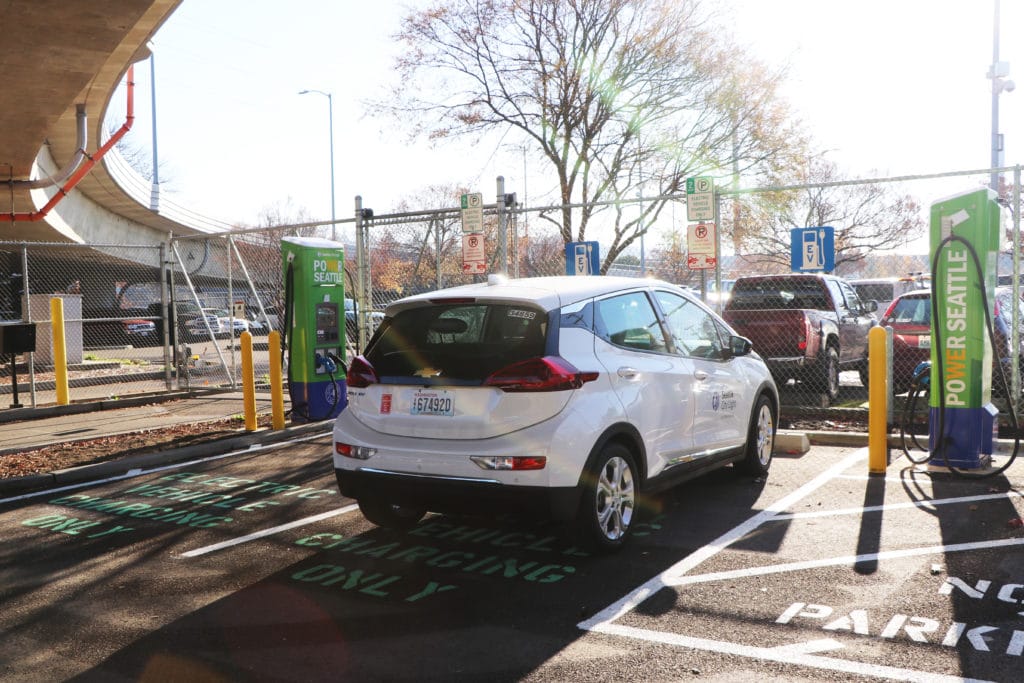
Last month The Urbanist detailed how Seattle City Light is moving forward with plans to install new surface parking lots with electric vehicle (EV) charging infrastructure at two sites that it owns, one in Belltown near Pike Place Market and one in West Seattle’s Morgan Junction. Both of the

CityNerd dives into the convoluted and admittedly depressing topic of car crashes. In the video, CityNerd looks into the disturbing pedestrian fatality trends, implications of larger vehicles, and even some odd ways in how crash data is set up for blame.
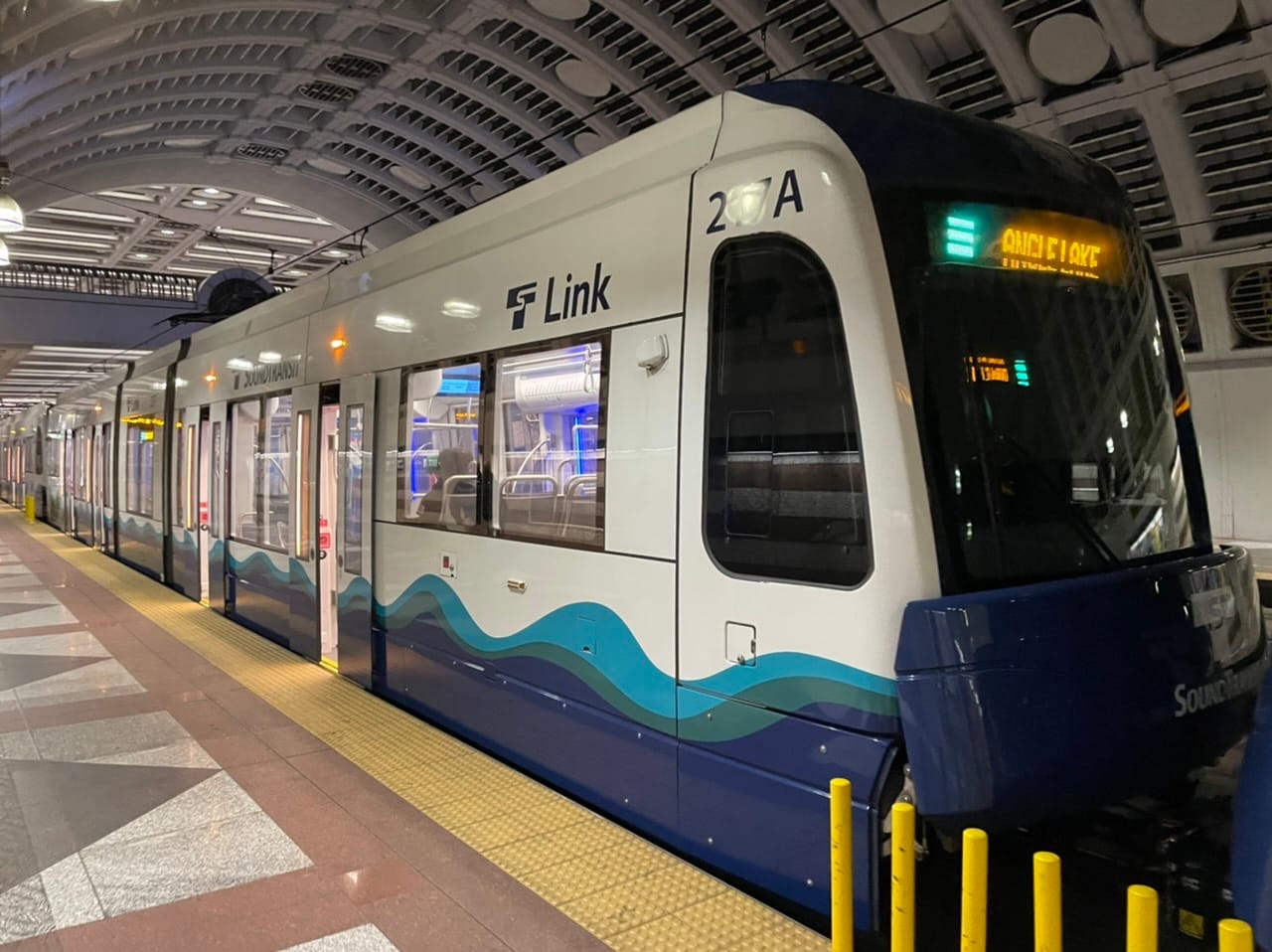
This week’s Transpo Notes roundup covers recommended federal funding that could accelerate Sound Transit 3 (ST3) projects, the King County Water Taxi’s summer sailing schedule, King County Metro’s launch of new battery-electric buses, the new Tacoma Link streetcar, and revised on-street paid parking rates in Seattle. Recommended
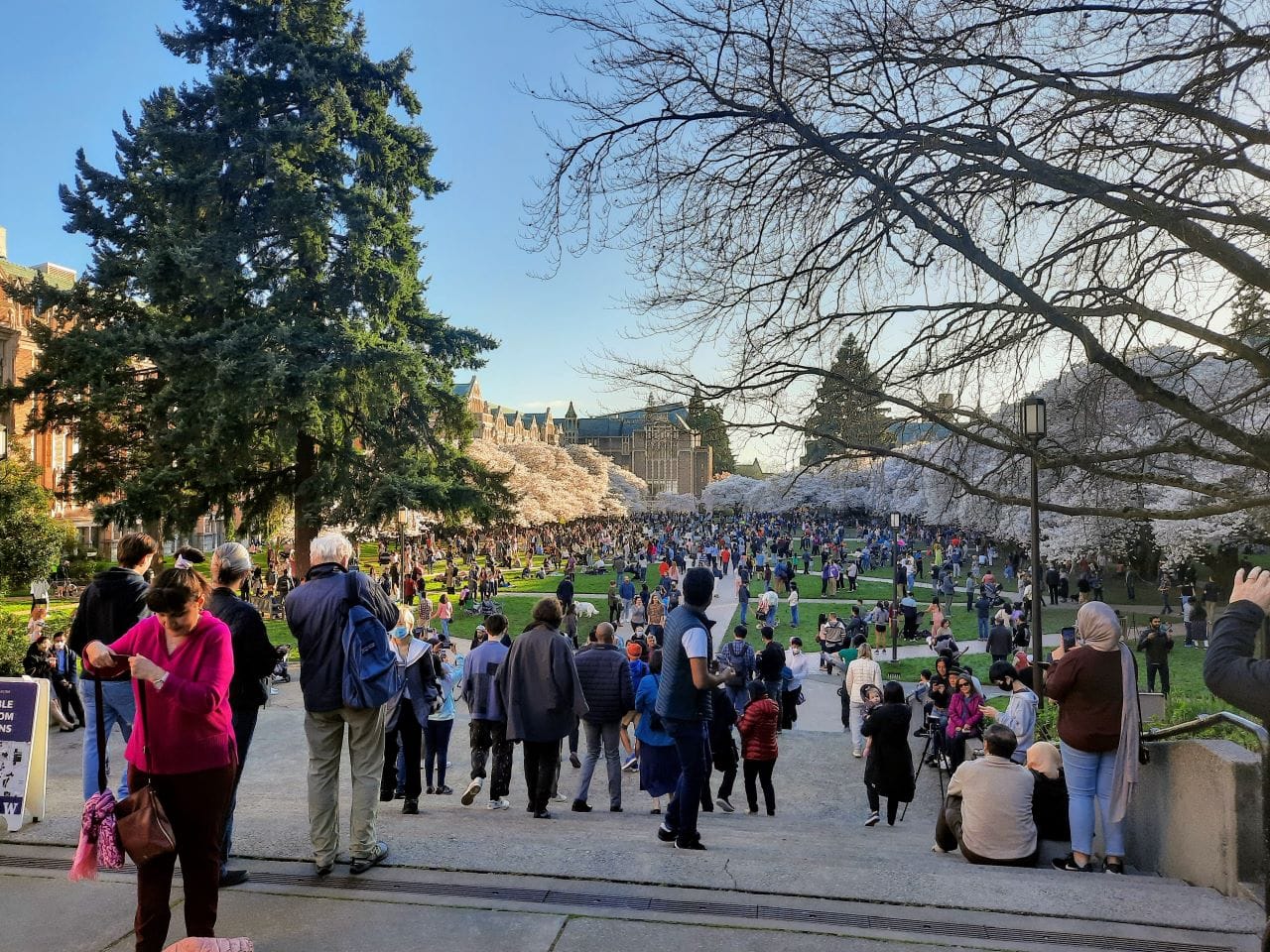
Cars exist in two planes. One plane of existence is the sales pitch: a rugged luxury SUV plowing through a large puddle and offroading through a somehow empty park of pristine valleys and majestic mountains. Then there’s reality: cars in close proximity to thousands of other cars, generating traffic
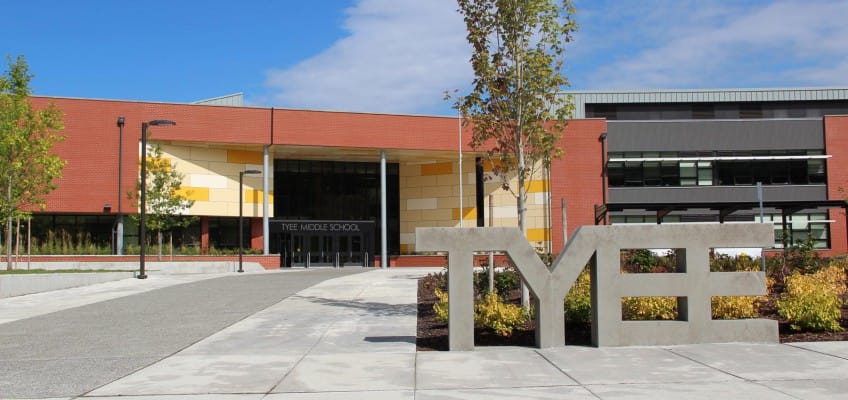
Among other actions taken at Monday’s meeting, Bellevue City Council voted to lower speed limits on some residential streets, discussed guidelines for awarding arts grants, and provided feedback on staff’s update to the City’s Parks and Open Spaces plan. Speed limits on local roads in Eastgate lowered
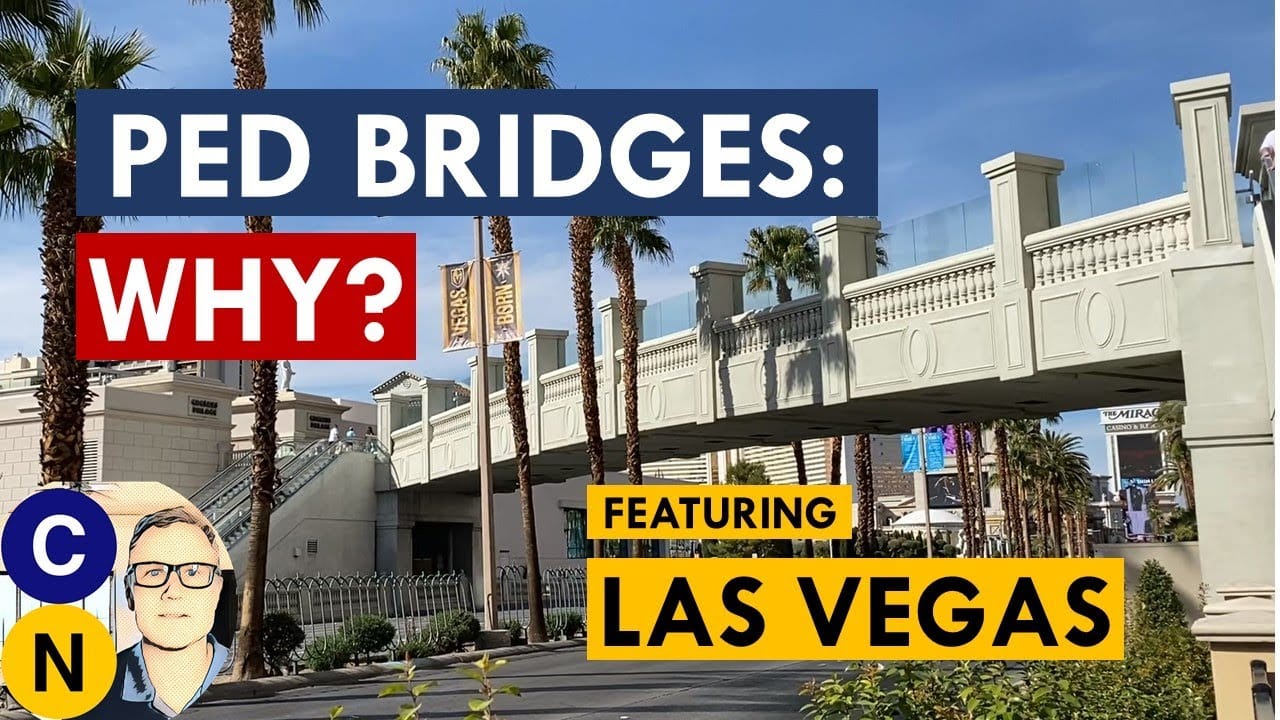
Anyone who uses a pedestrian overpass can tell you that they leave much to be desired. CityNerd takes a dive into them to evaluate their worth.
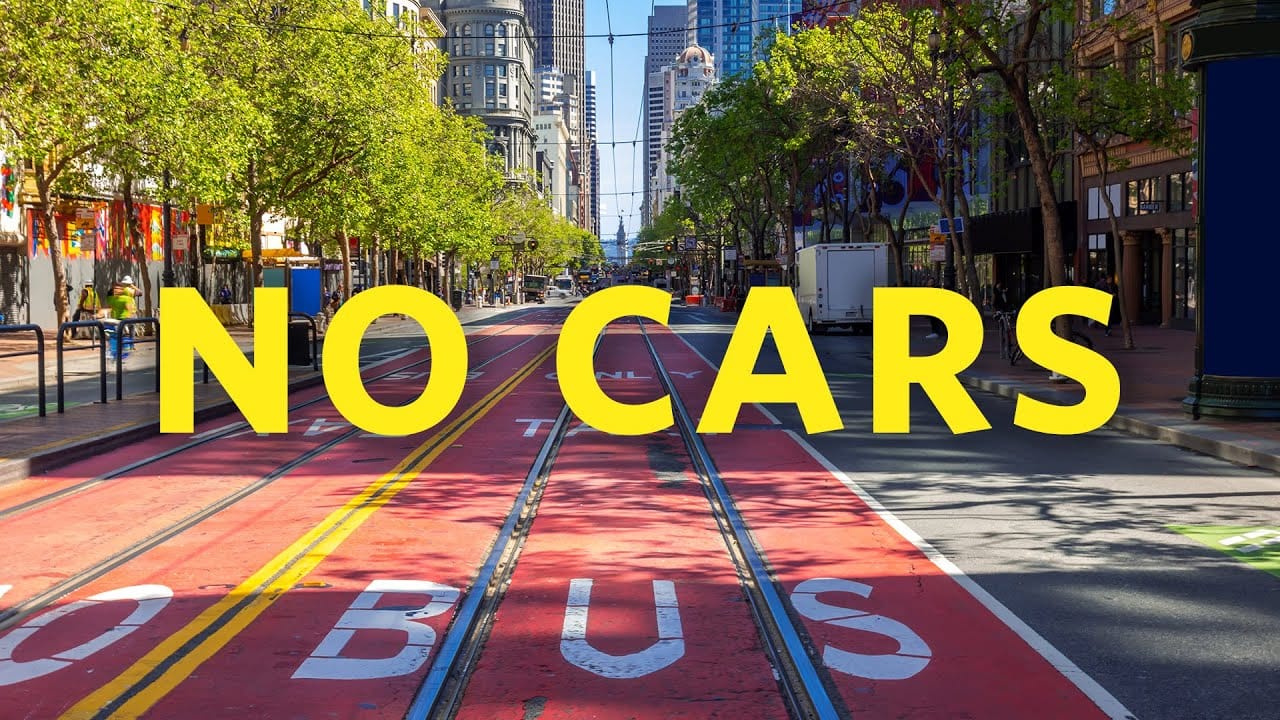
City Beautiful takes on the contemporary movement to ban cars on certain streets in cities. What happens in communities when this policy is implemented? City Beautiful looks at American case studies.
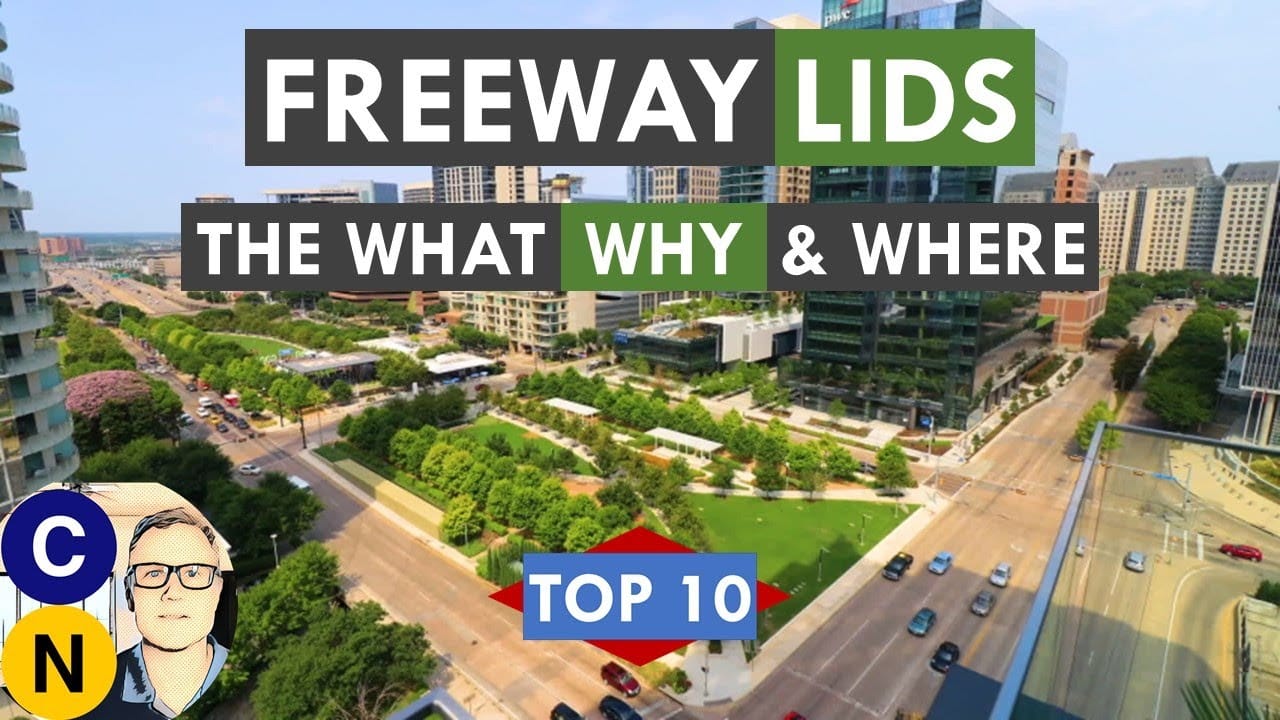
CityNerd takes a dive into some of the most interesting freeways lids in the United States. Several freeway lids in the Seattle area make appearances.
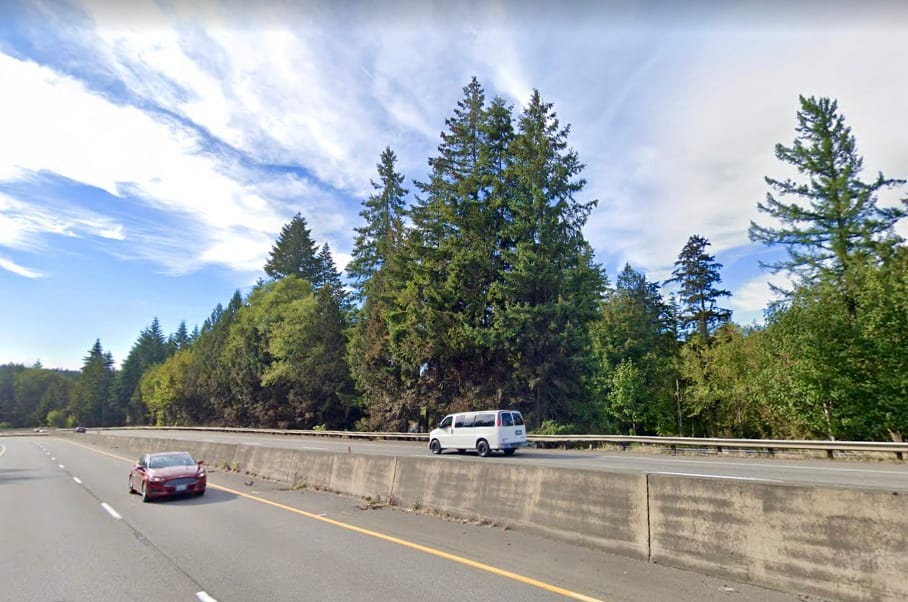
Unlike Tesla, the Washington State Department of Transportation (WSDOT) and our state legislature have designed an effective autopilot — an autopilot that, instead of driving cars, drives roadway expansion. The agency justifies large highway projects with claims of reducing congestion, improving safety, or adding pedestrian or multimodal features. These claims and
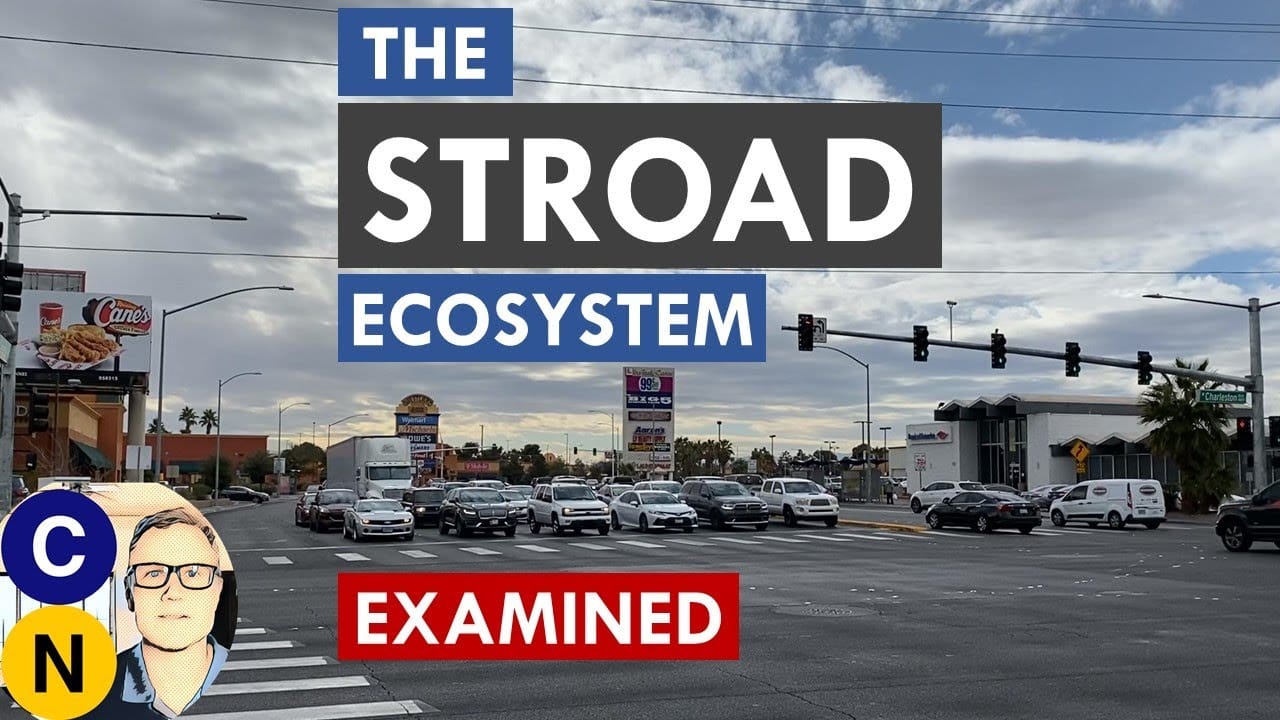
CityNerd walks through the ecosystem of a stroad through the lens of Las Vegas.
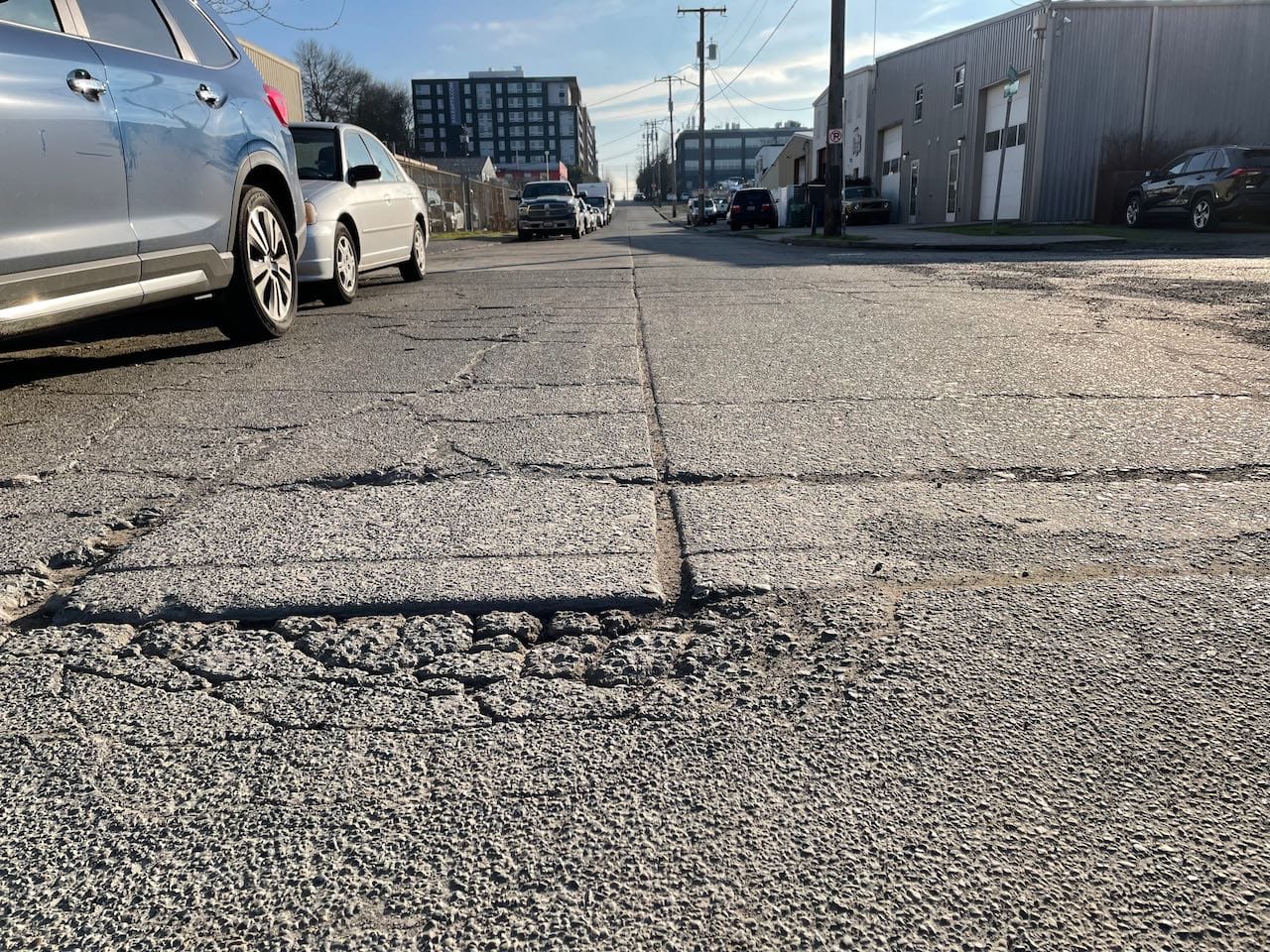
Build roads for freight, bikes, and transit, not peak cars Streets in Seattle’s industrial neighborhoods show massive disinvestment in the basic maintenance of curbs and pavement. It’s a discrepancy that the freight industry shares with cyclists and pedestrians in the city. The immense cost to maintain the largest
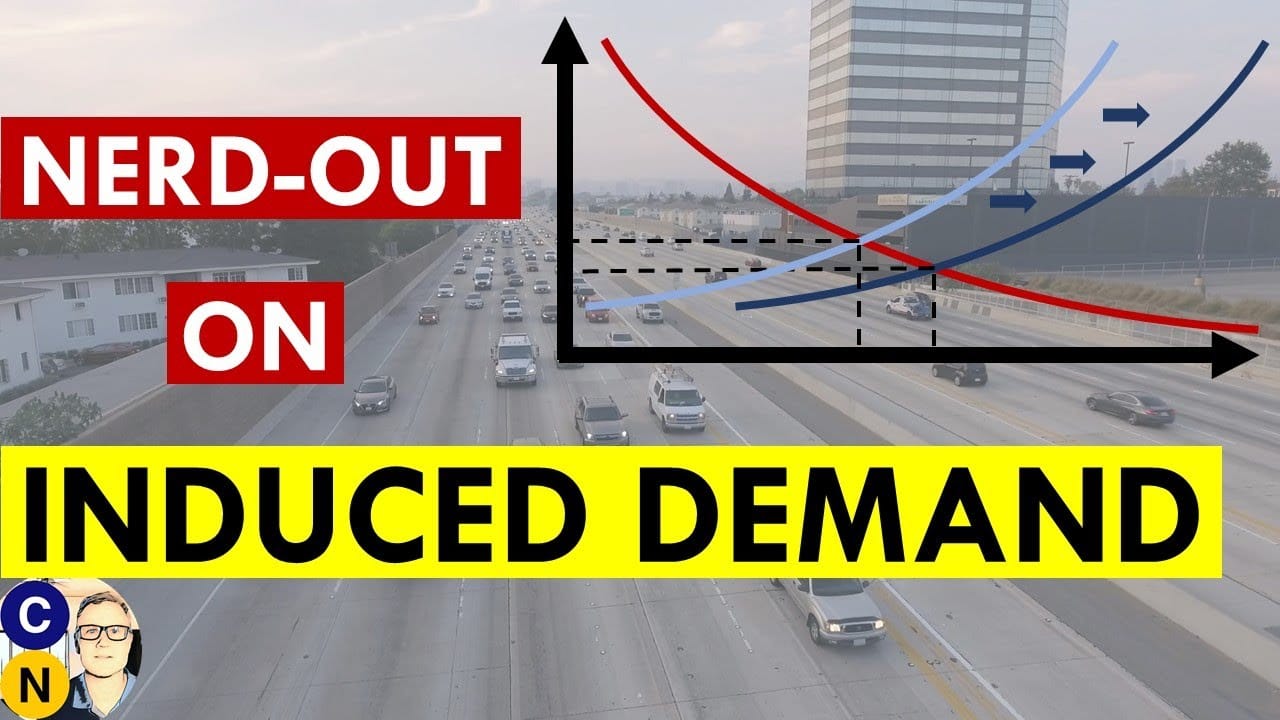
CityNerd walks through the very wonky topics of induced demand (or better described as “induced traffic”) and the methods for justifying road widening projects.

Dongho Chang joined as The Urbanist’s December guest speaker. Chang spent nine years as City Traffic Engineer at the Seattle Department of Transportation (SDOT), but in July he announced his departure to accept a post as State Traffic Engineer at the Washington State Department of Transportation (WSDOT). Chang has
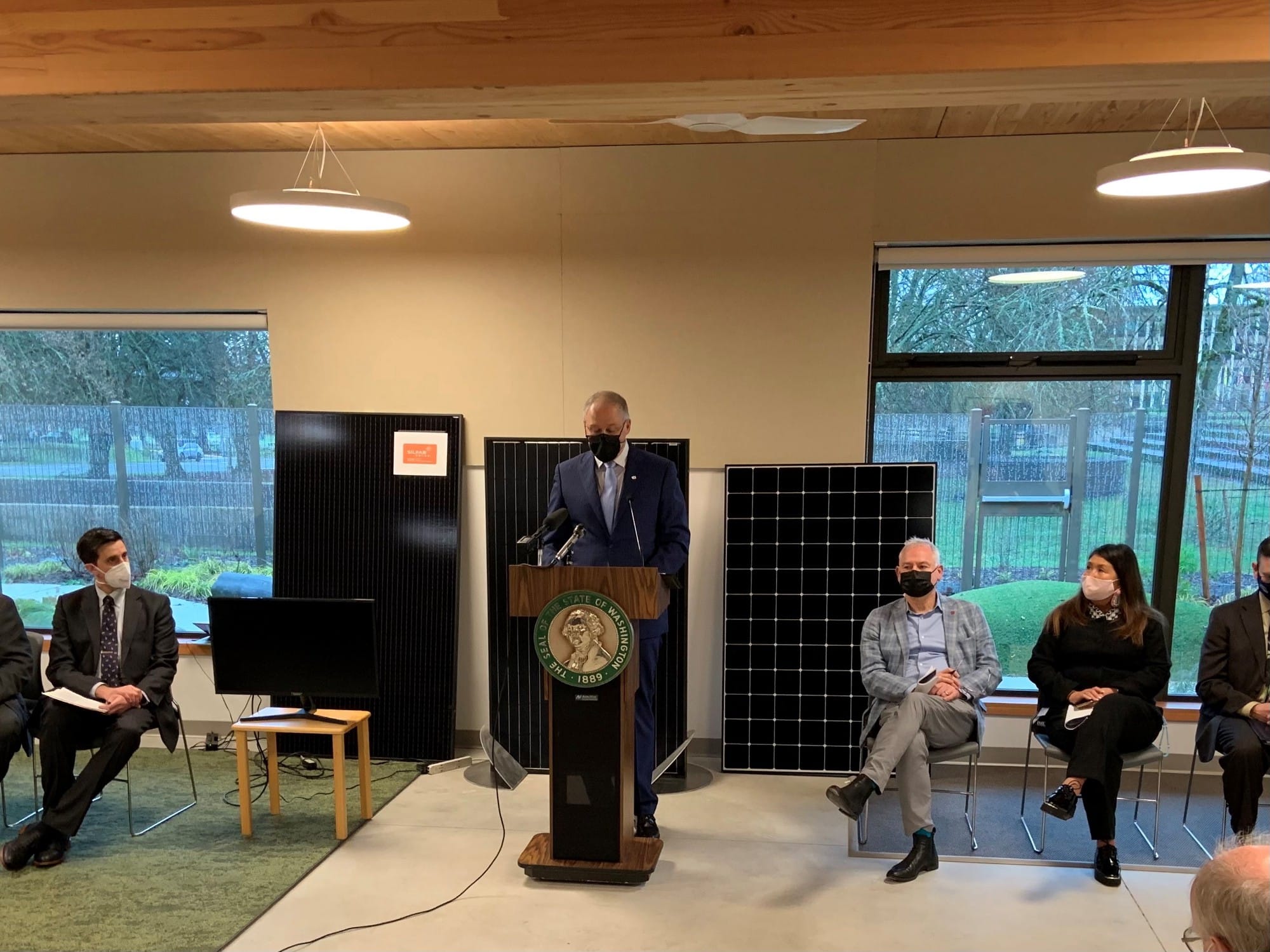
Transit continues to take a back seat, and investments in walking, rolling, and biking are at the symbolic rather than transformative level. Governor Jay Inslee played the part of electric car salesman as he rolled out a new climate plan seeking to build on progress made last year. With the
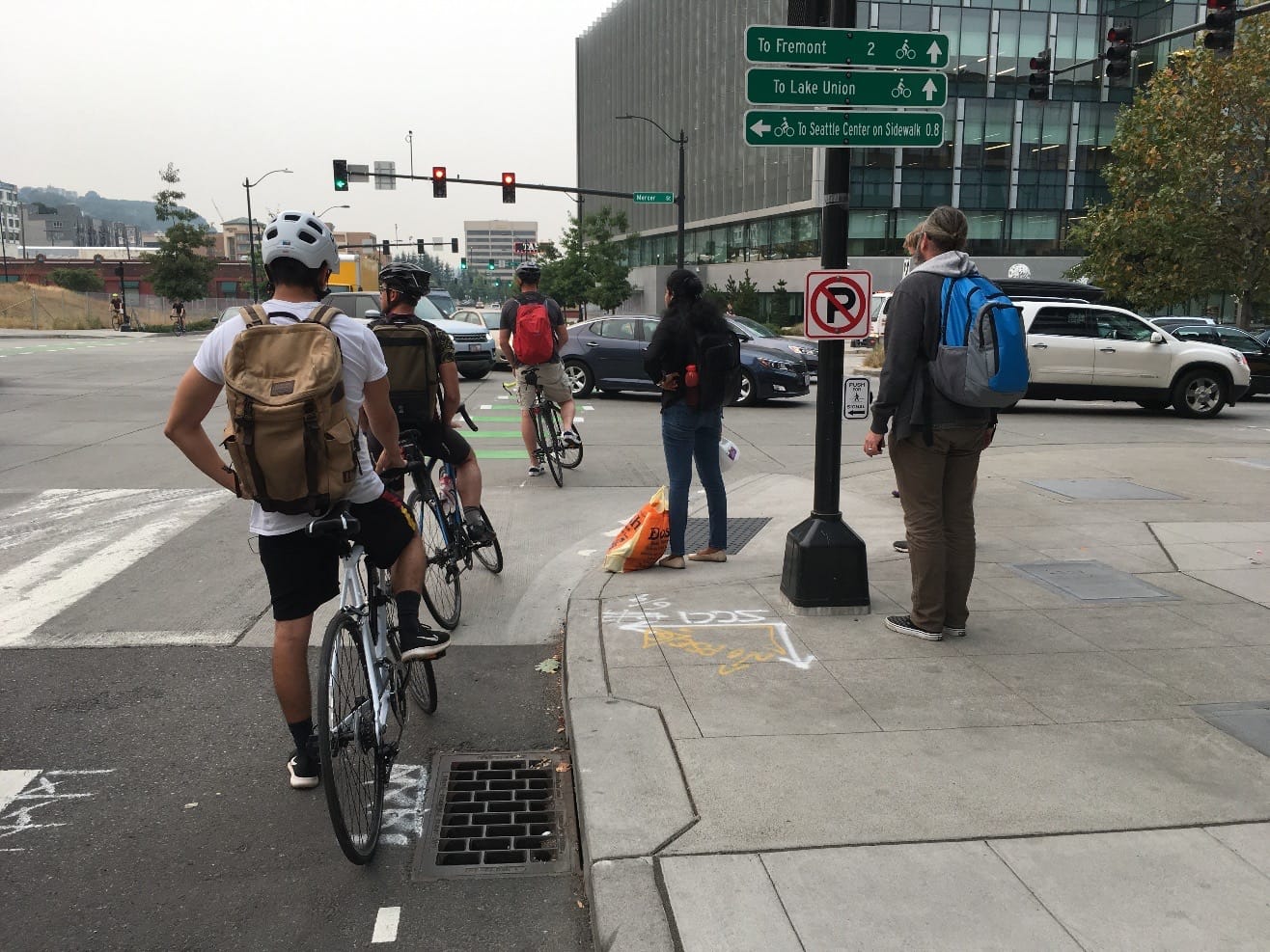
Some motorists think they should be above the law Automatic traffic cameras are being installed in eight Seattle locations and three state legislators are “crying foul” and fretting over expected impacts to their constituents. Senator Kevin Van De Wege (D-Sequim) posted a press release on his webpage stating the trio
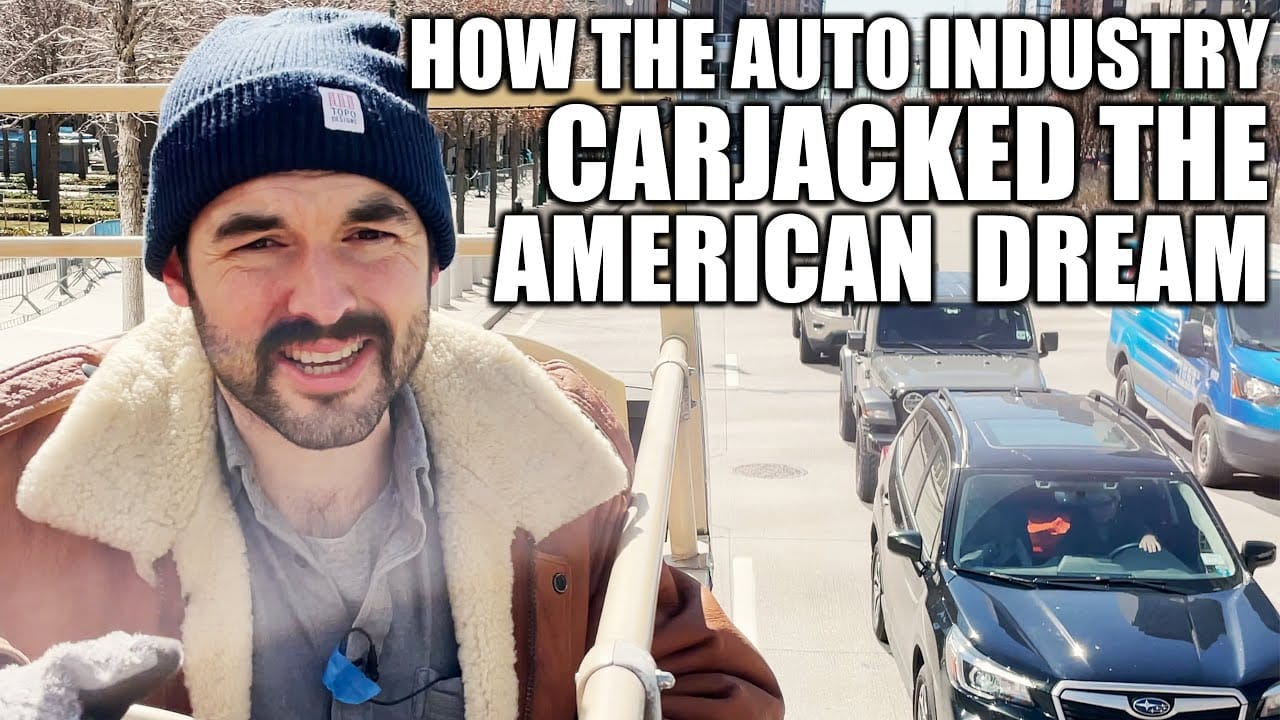
Climate Town charts the history of how the car industry rapidly reset what the American Dream would be. The oppressive takeover has wrought a highly car-oriented society that is unhealthy, inequitable, and unsustainable. But how America has gotten here took many calculated steps, which Climate Town
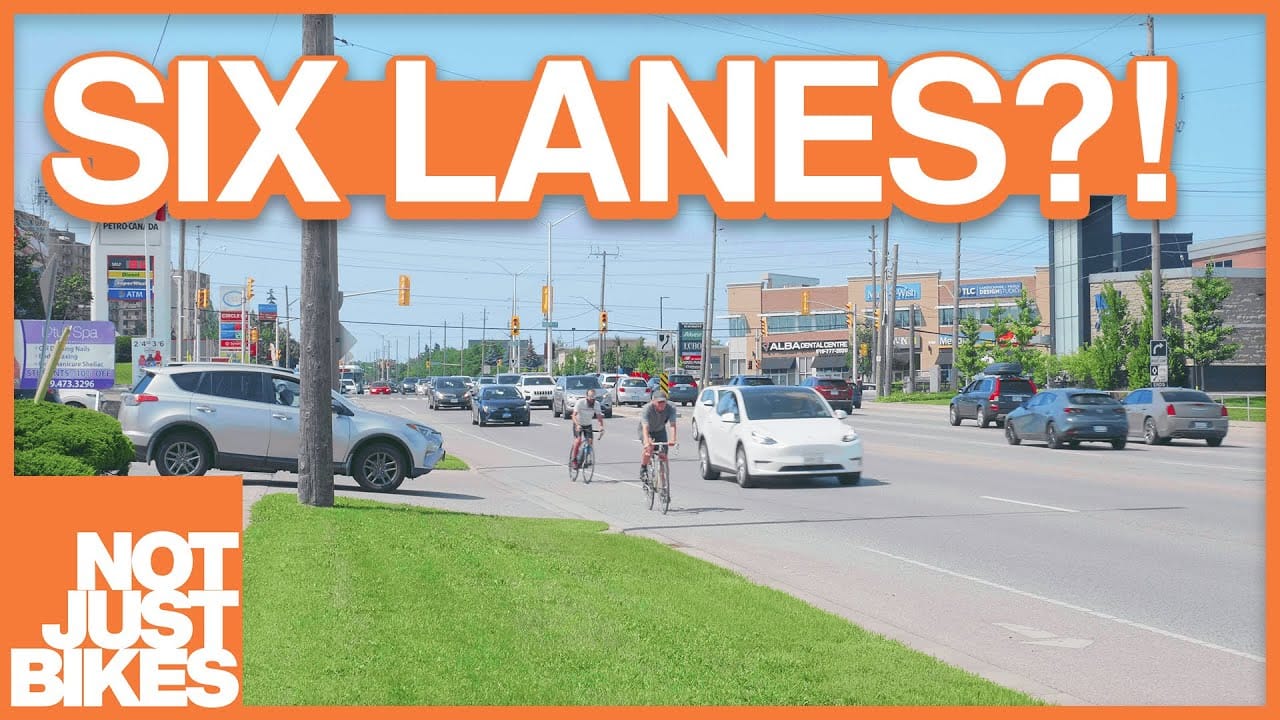
Not Just Bikes takes on the issue of how cities often throw a lot of money at bad car infrastructure. Through the lens of London, Ontario, Jason Slaughter explains how the city recently pulled back on a very expensive road expansions for cars. But will the city take this opportunity
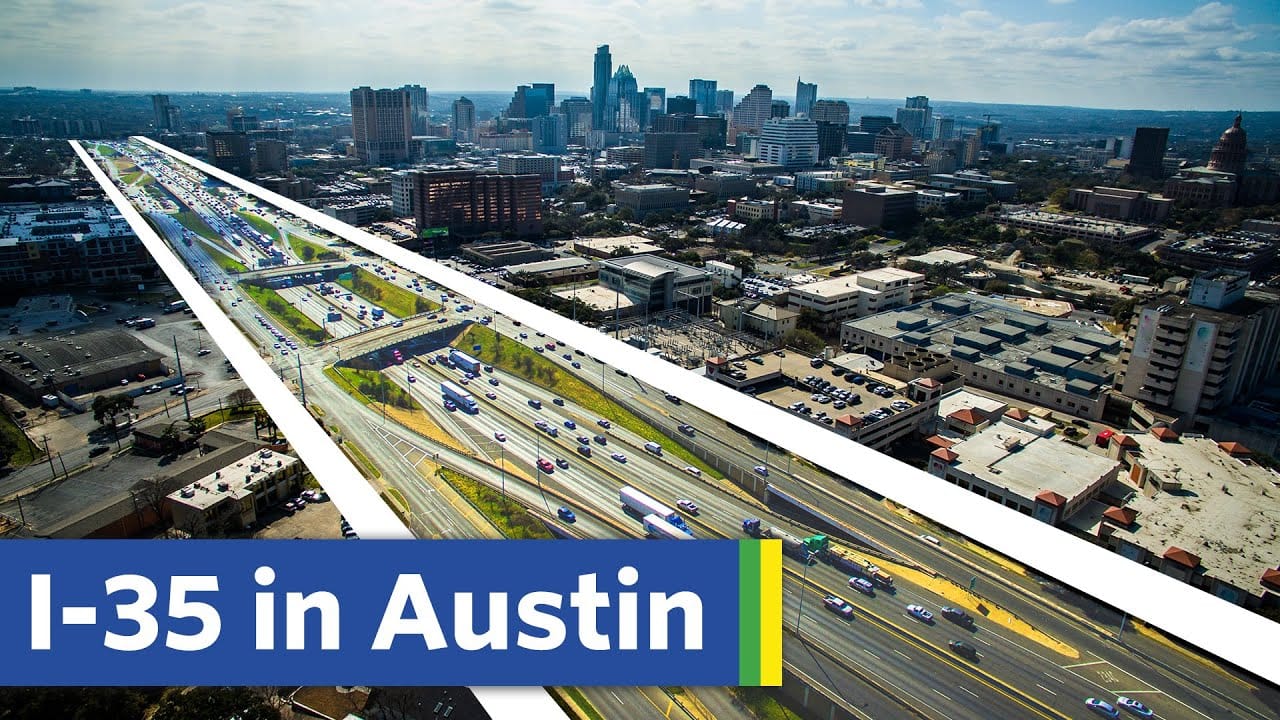
Dave Amos explains why it’s so hard to oppose highway expansion projects and why highway expansions are so pervasive in America, even though highway expansions are usually a poor policy choice.
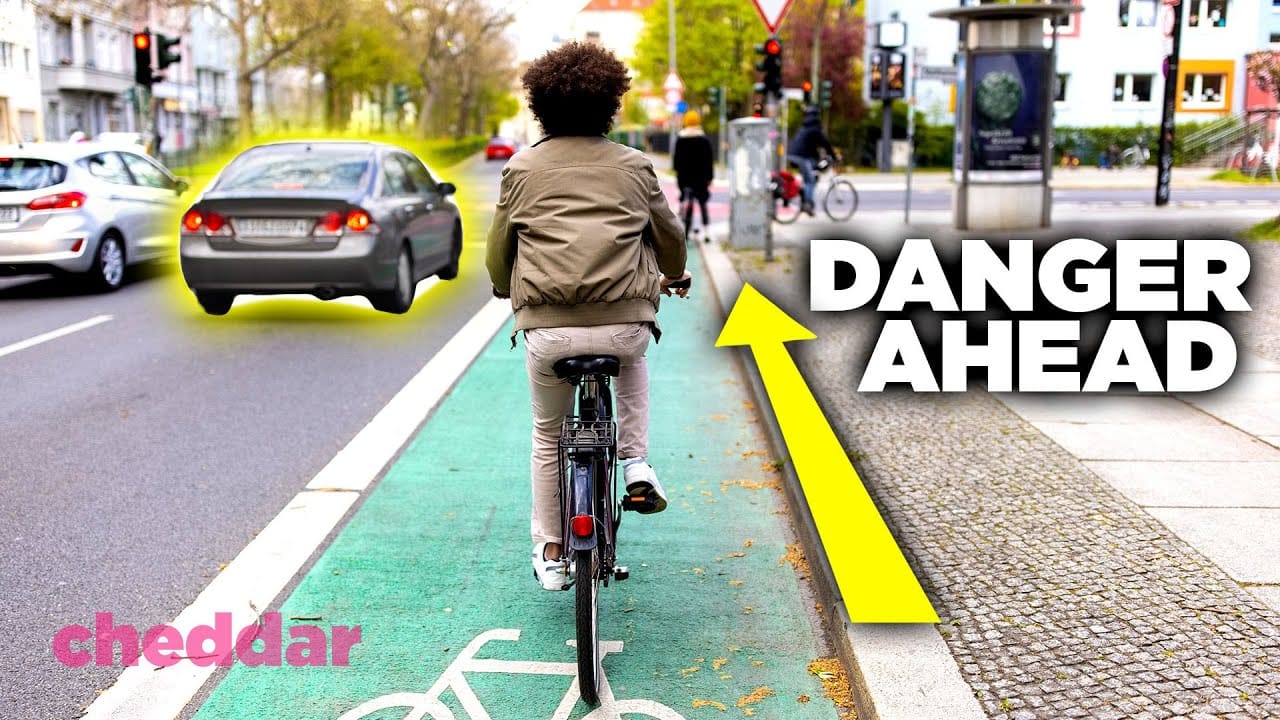
Many bike lanes include flawed designs. Cheddar looks at this issue and some ways to make them better and safer for people biking.
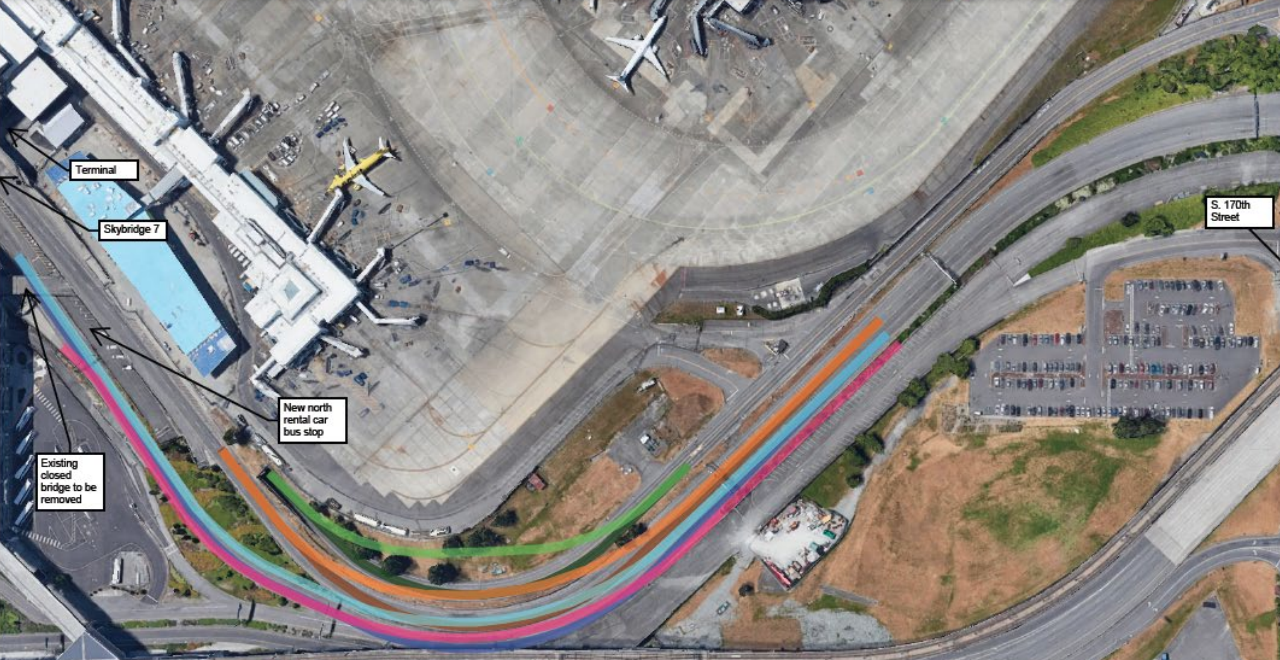
The Port of Seattle’s plan to significantly expand the capacity of the main arrivals drive at Seattle-Tacoma International Airport (Sea-Tac) hit a speedbump in late September as most of the members of the Port of Seattle Commission voted to postpone a decision to move forward with design work for
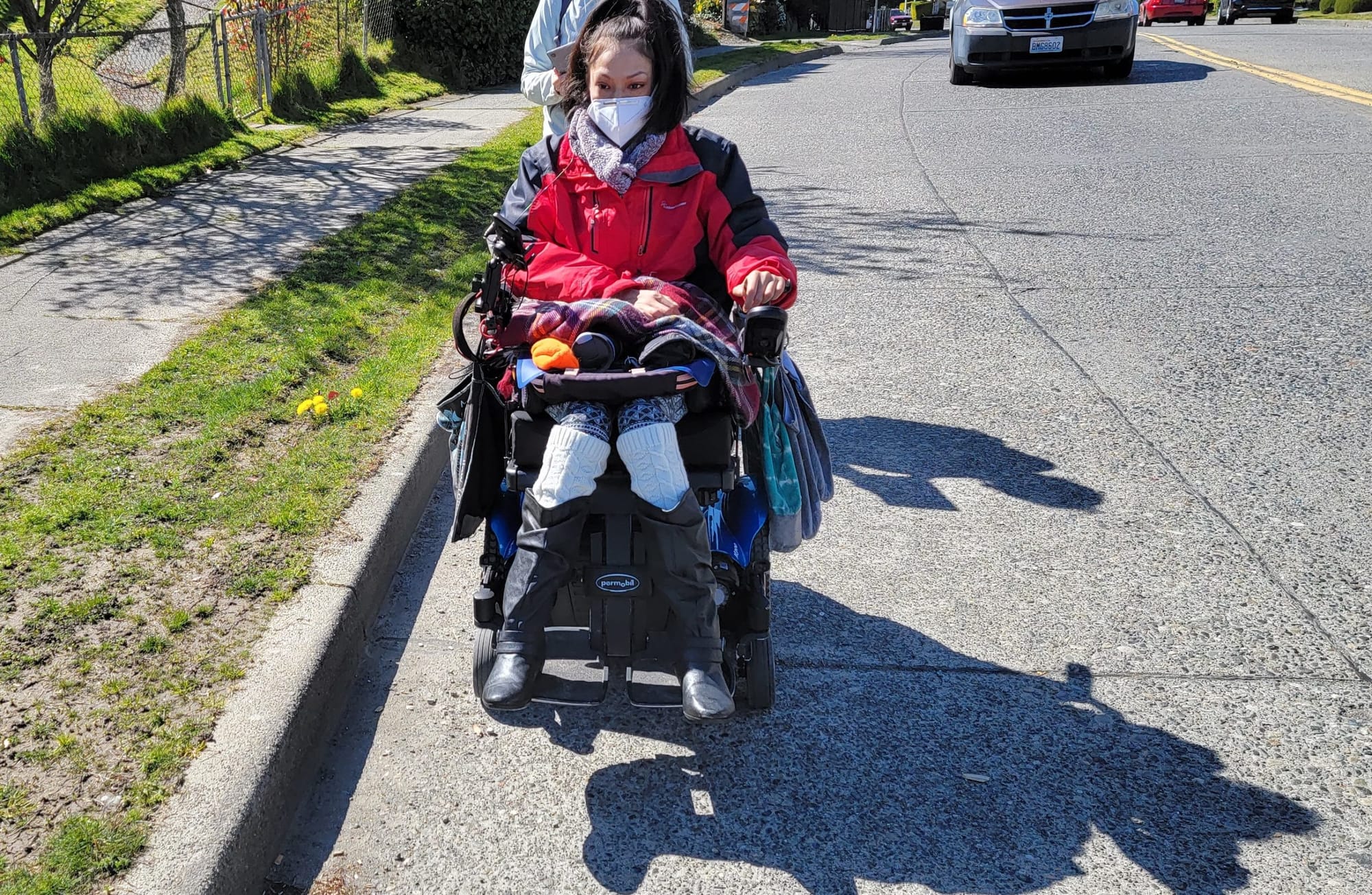
During October 22nd through 29th, Disability Rights Washington is asking drivers to ditch their cars and expand their knowledge of navigating the world by walking, rolling, or transit. What is it like to try to get around your community without driving yourself? For people who can drive, and can afford
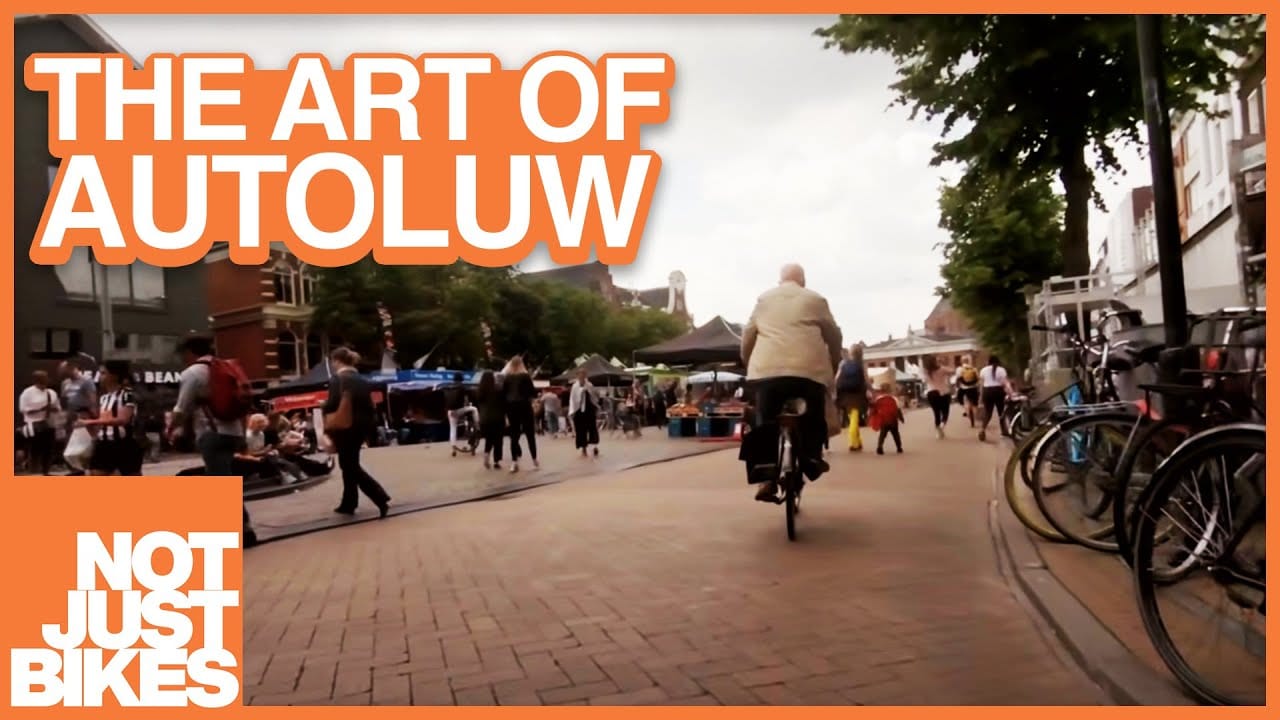
Not Just Bikes explores the Dutch concept of low car streets (autoluw). They’re another tool to prioritize people and make them feel welcome on foot and by bike on streets.
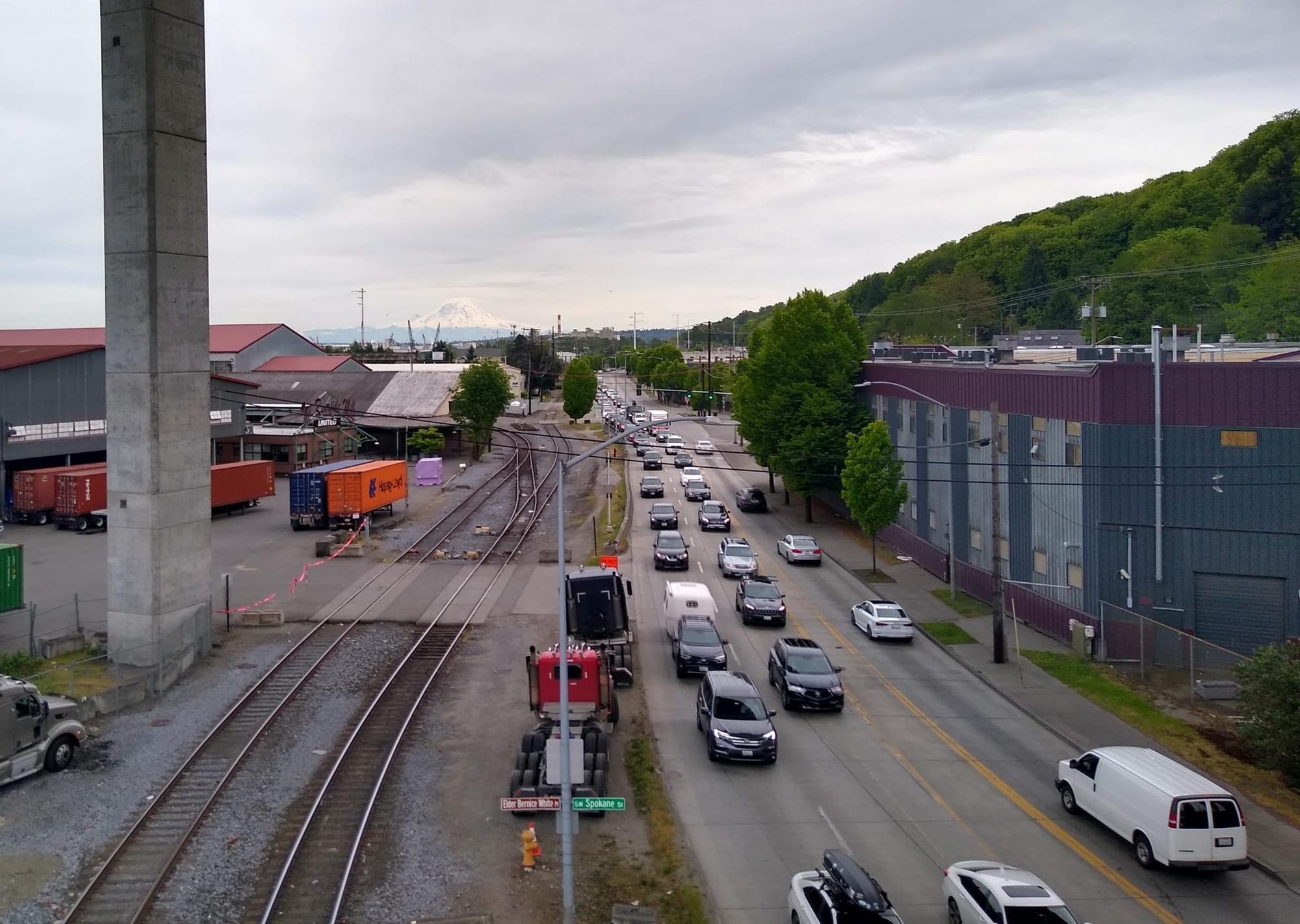
As the Seattle Department of Transportation (SDOT) moves forward with plans to repair the West Seattle Bridge, it is working to assemble full funding to pay for the $175 million estimated cost for the entire West Seattle Bridge repair program, which includes the repair itself, repairs to the lower Spokane
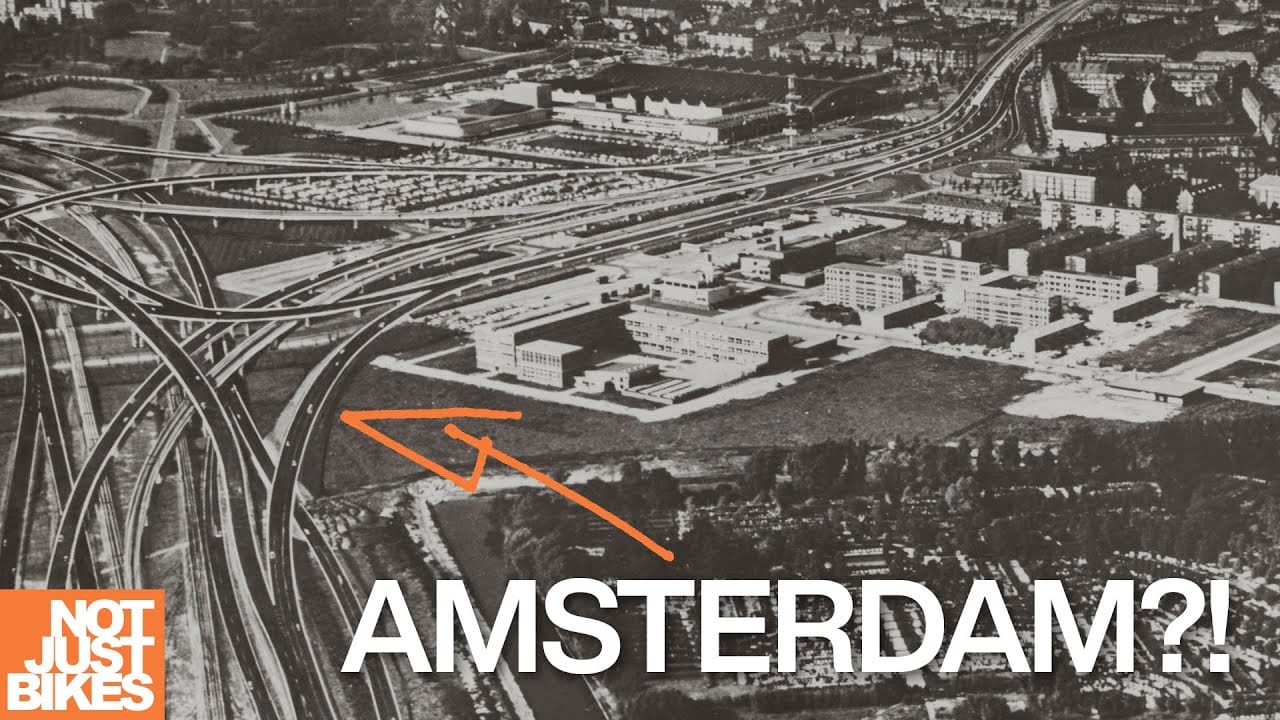
In the 1960s, Amsterdam briefly was sold on a highway urban renewal project designed by an American planner David Jokinen. It would have destroyed the Amsterdam known today and it parts of it did get implemented as the country became more car-oriented, but it was halted and things have changed
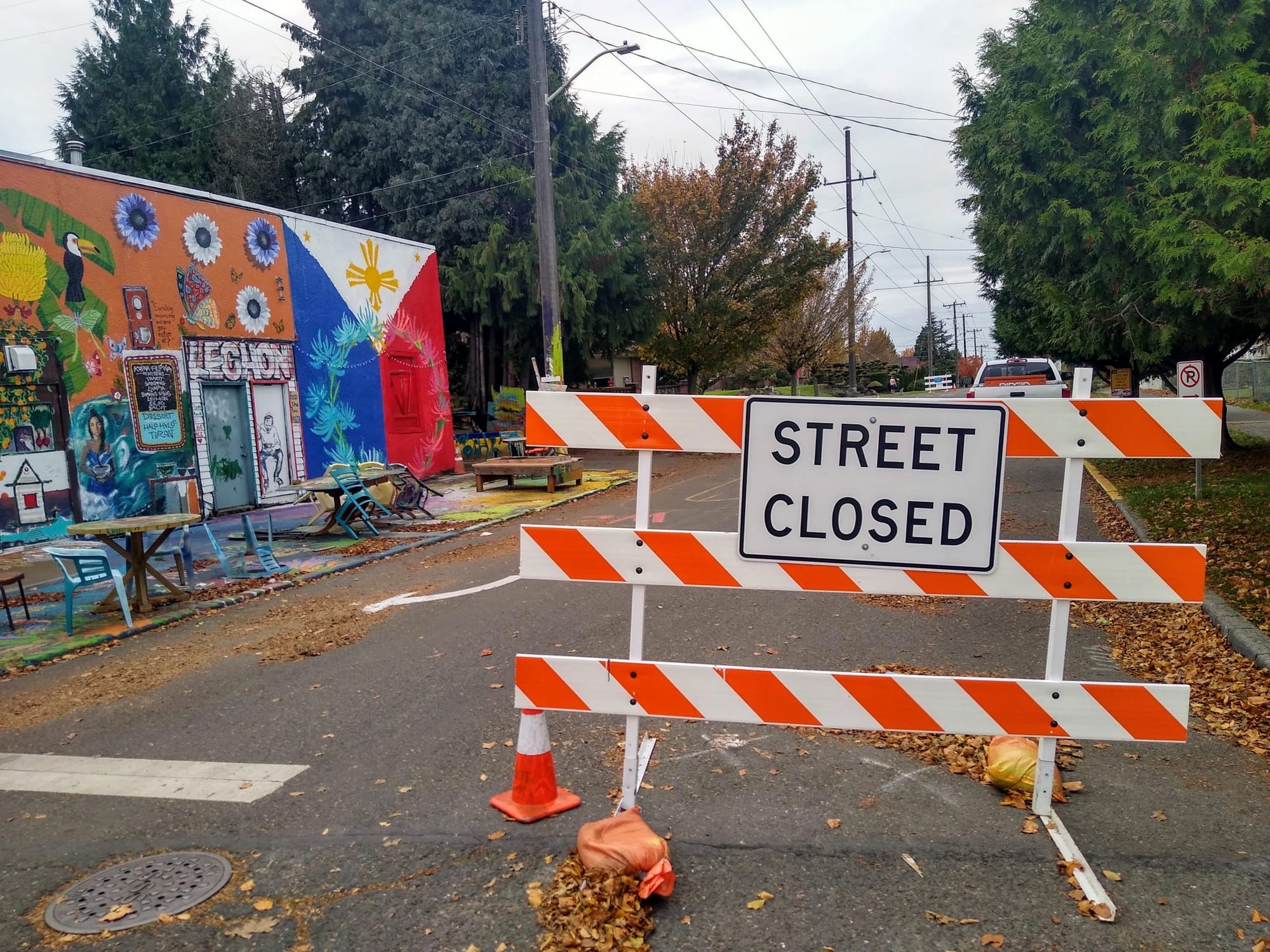
Beacon Hill, Delridge, Highland Park, and Bell Street Park are next up for permanent upgrades after Greenwood. In the next few weeks, the Seattle Department of Transportation (SDOT) will start work on upgrades to the 1st Avenue NW neighborhood greenway in Greenwood, the first set of permanent improvements made to