📰 Support nonprofit journalism

Economics

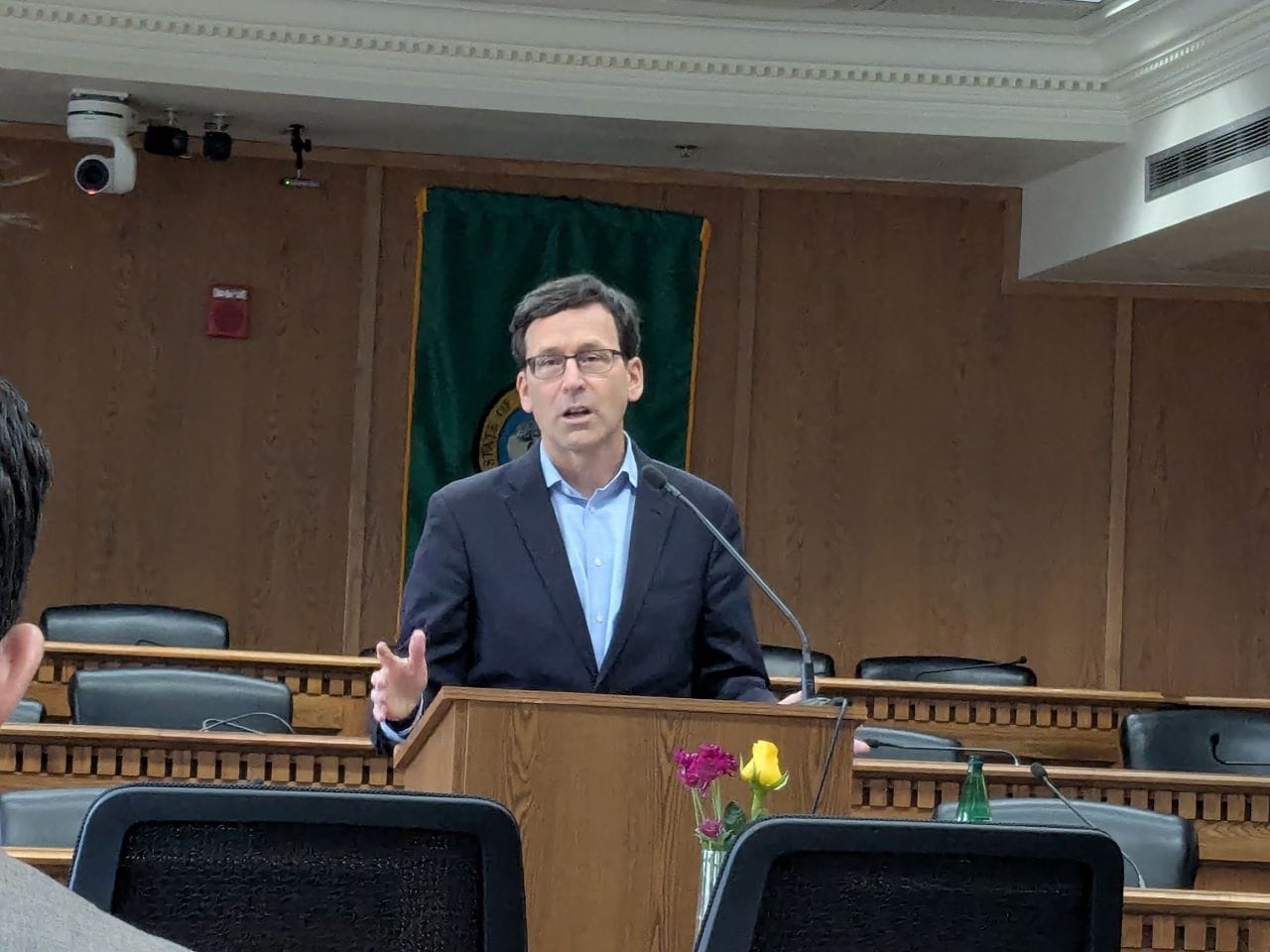
Cascadia Forges Ahead on High-Speed Rail Despite Headwinds

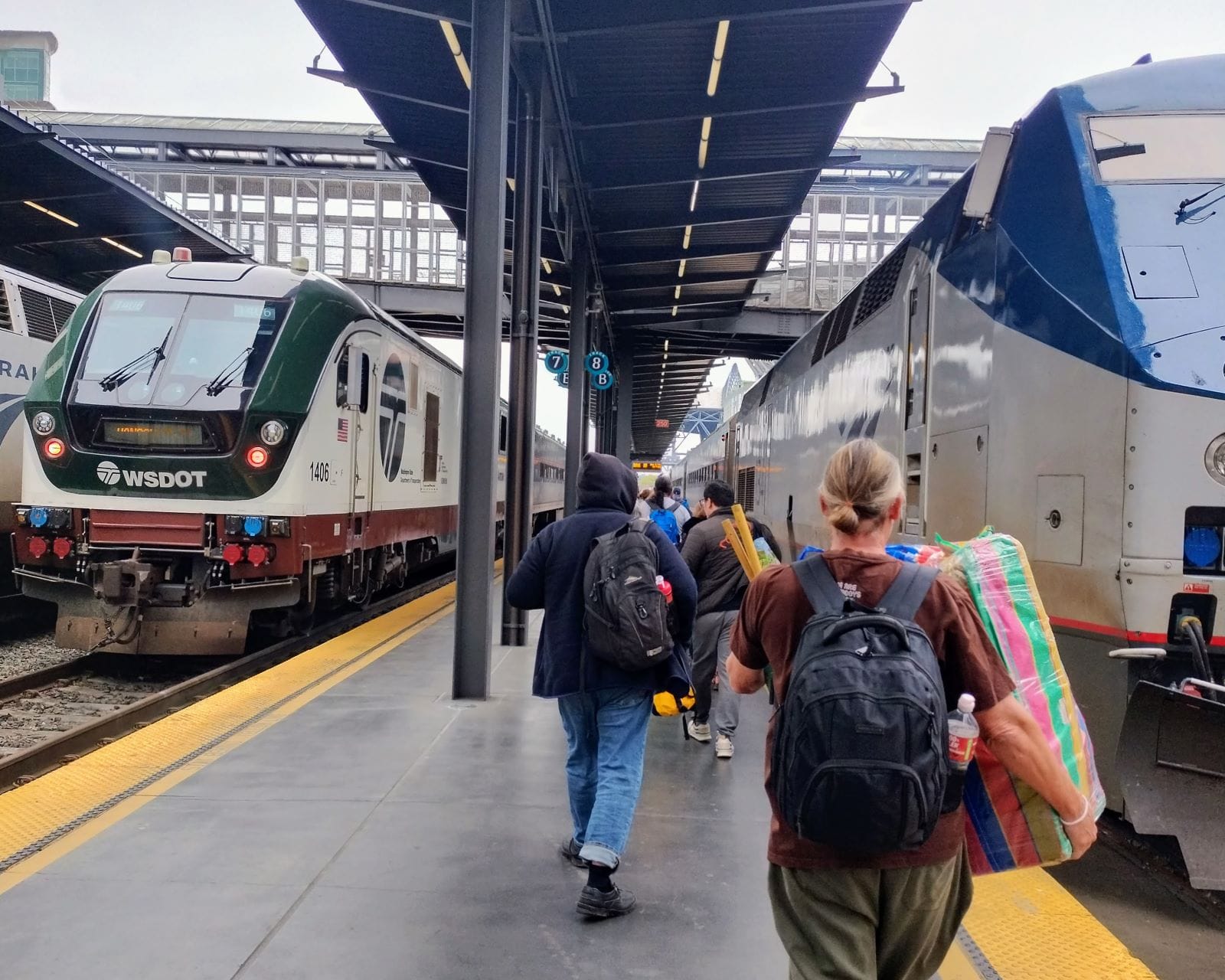
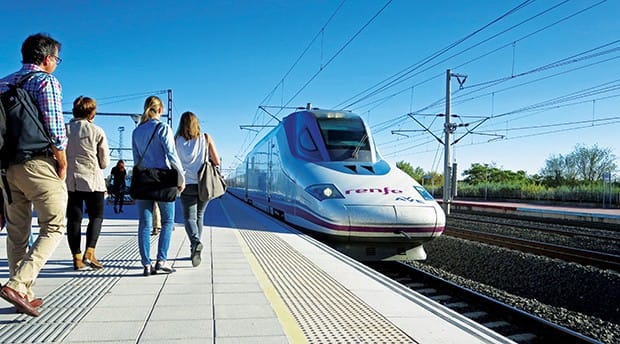
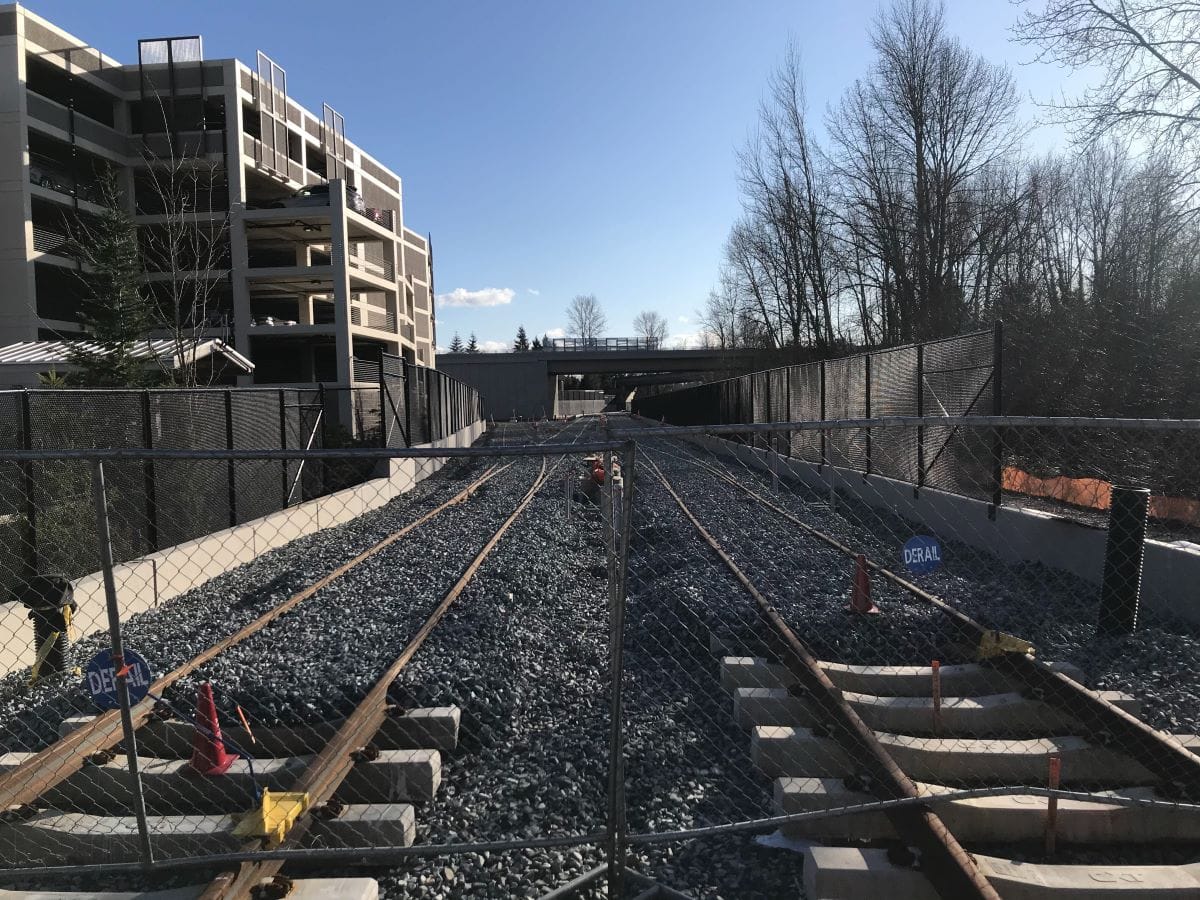
Leaders from across the Pacific Northwest recently gathered at the Cascadia Innovation Corridor Conference in Seattle and reaffirmed their commitment to building high-speed rail linking Portland, Seattle, and Vancouver, B.C. President Trump has created headwinds for the project by slashing transit f

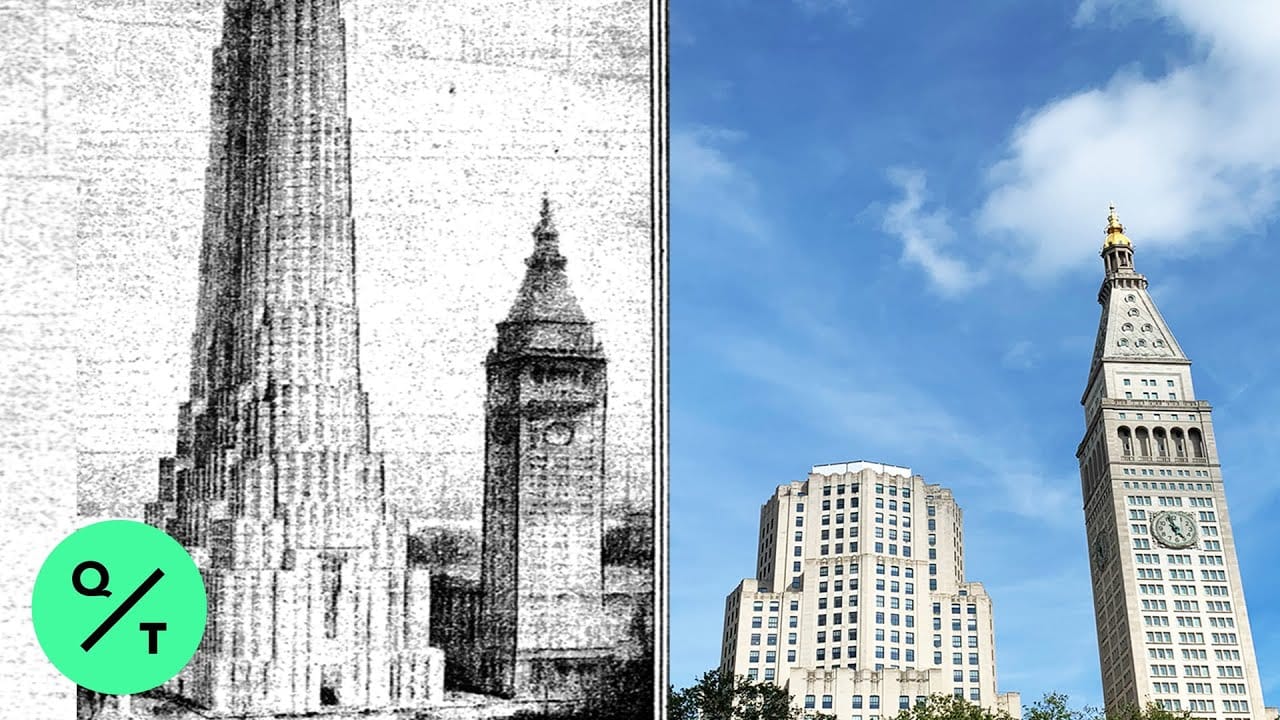
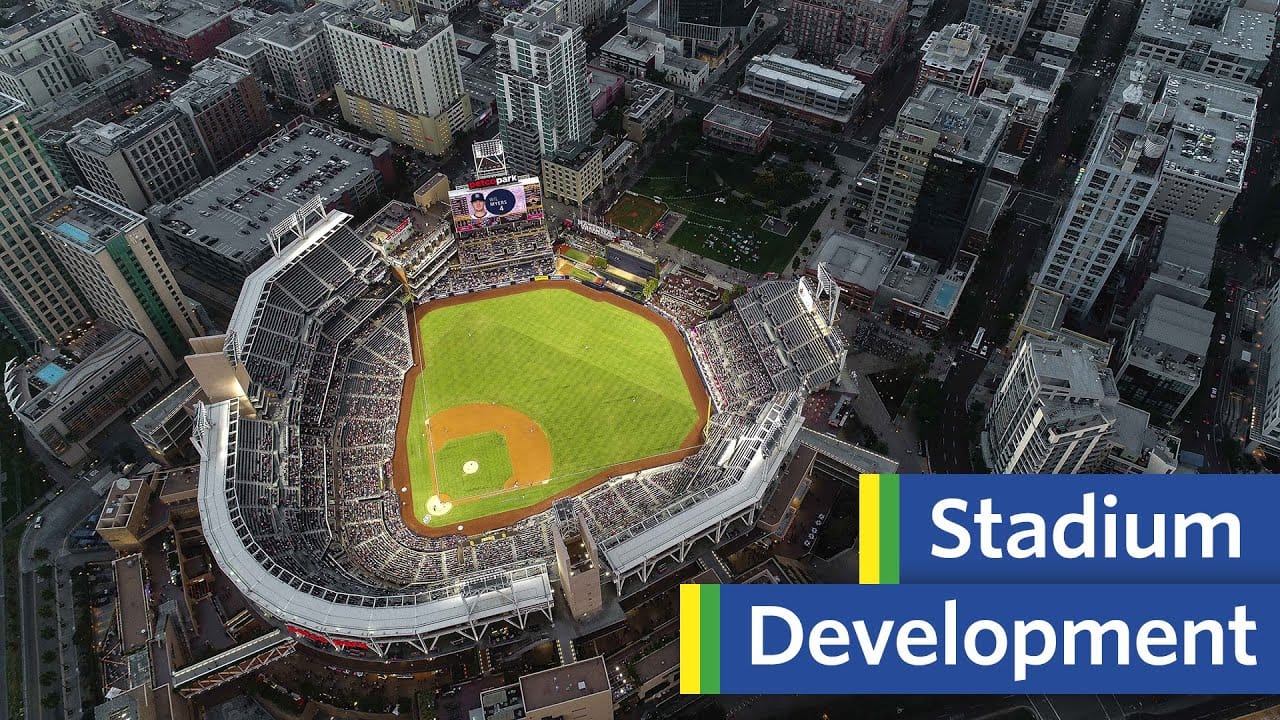
Sunday Video: How Did We Create the Housing Crisis?

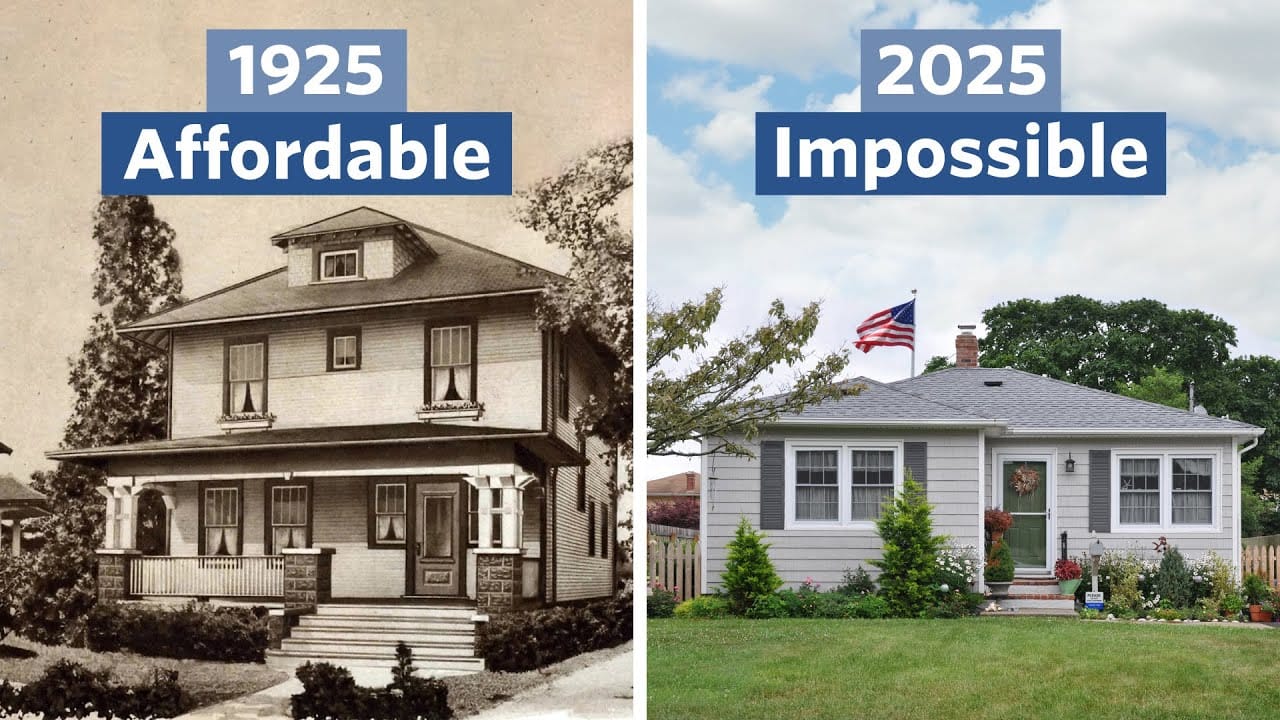
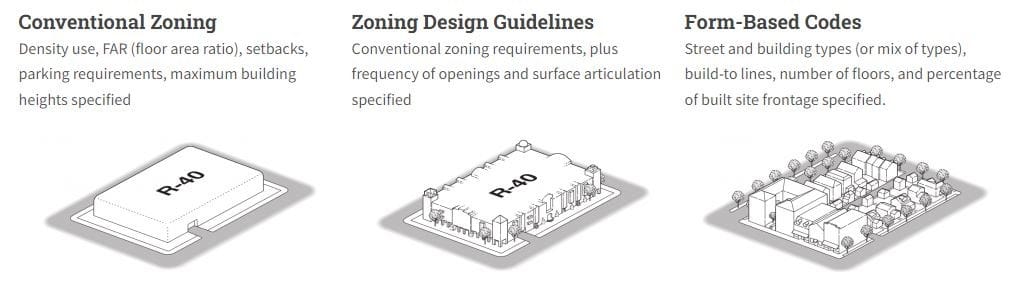
America’s housing crisis is a complex and persistent problem. There isn’t just one reason for the housing crisis, but rather many compounding policy, demographic, and technological reasons that have led to it. In this video, Dave Amos of City Beautiful documents how the country has slow walked into

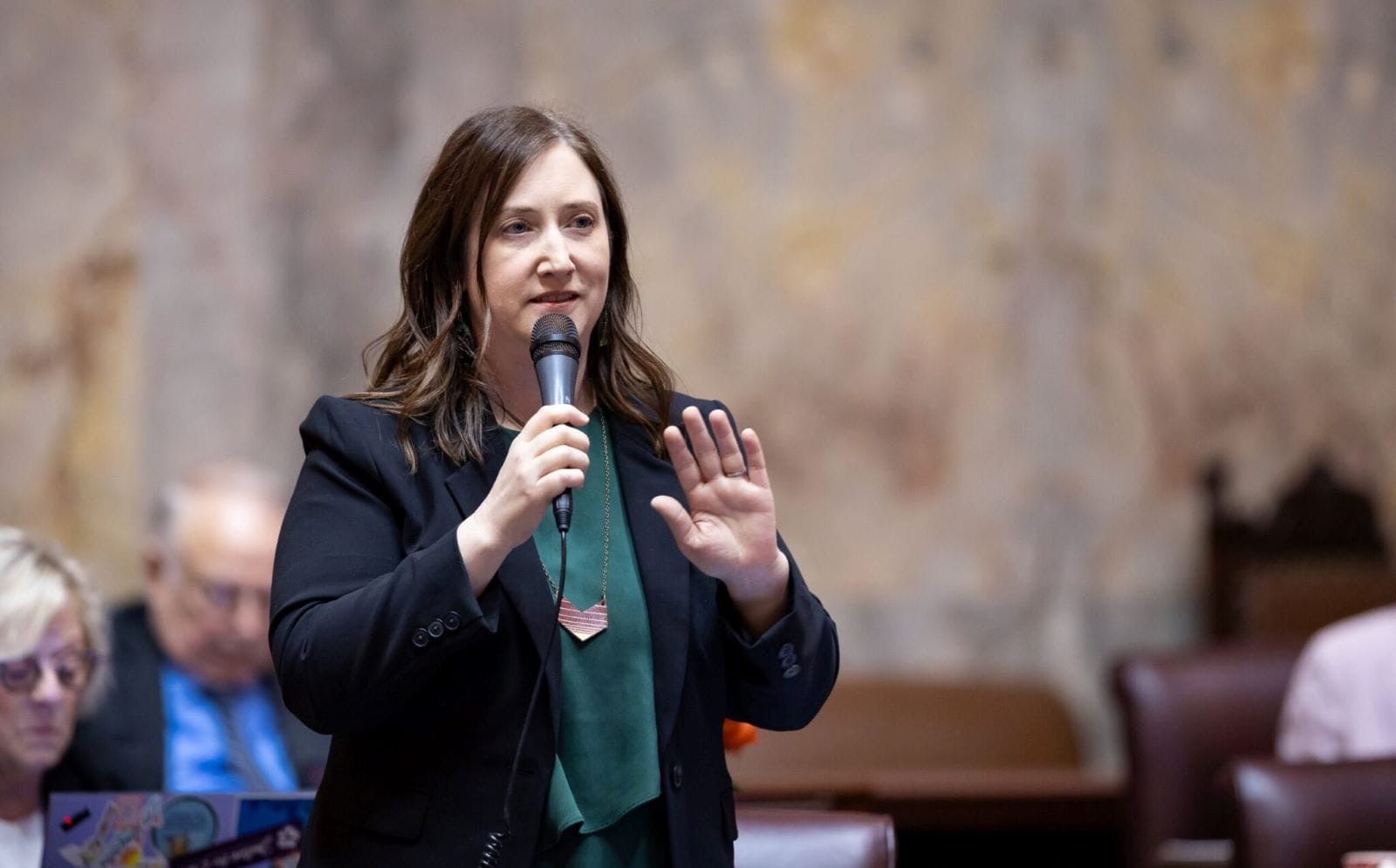
Seattle Council Greenlights Rinck’s B&O Tax Overhaul

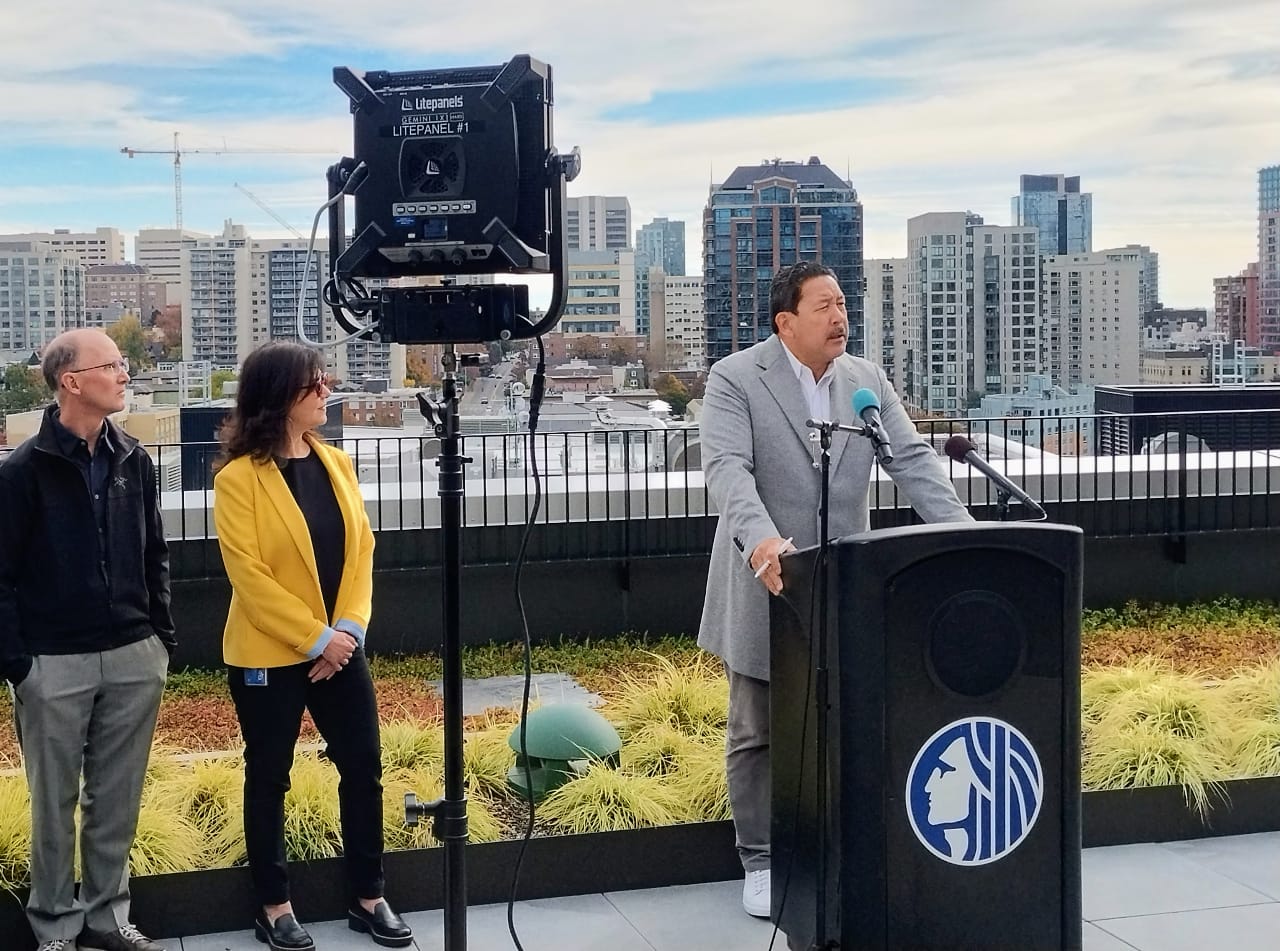
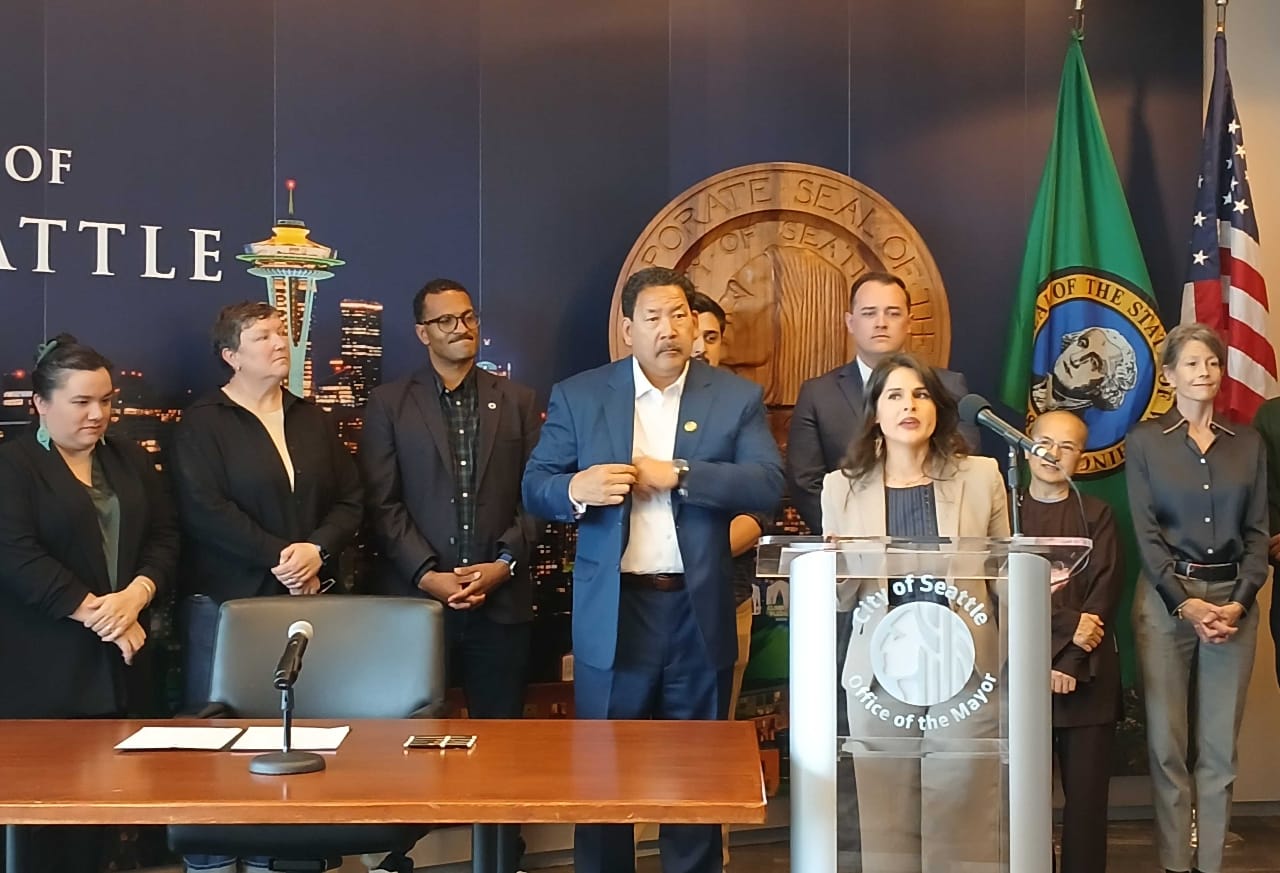
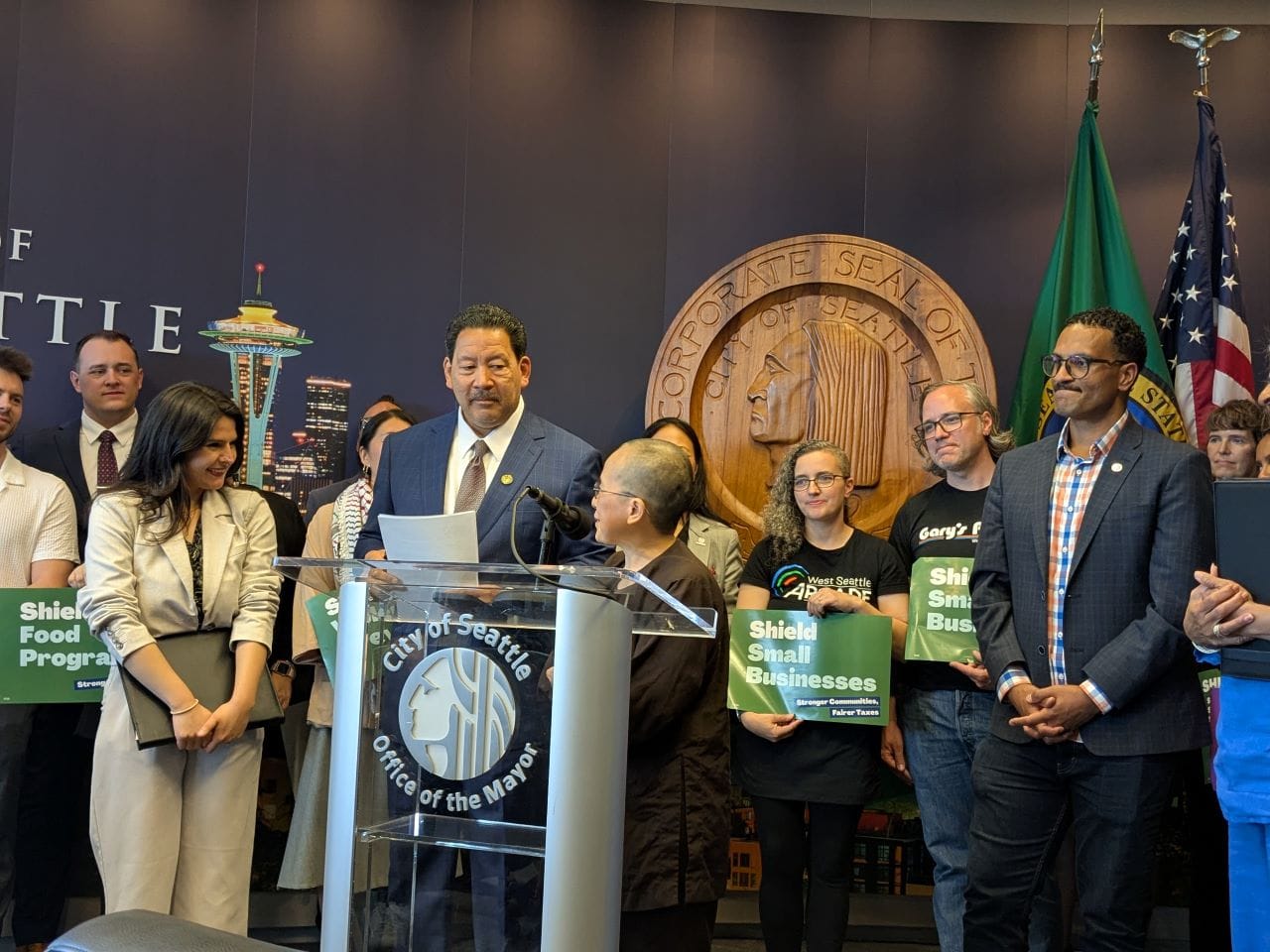
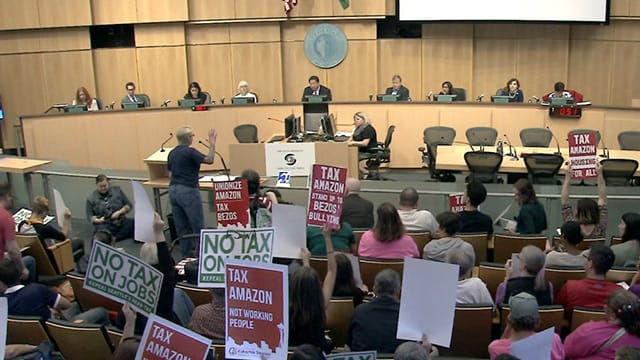
On Monday, the City Council voted unanimously to send the Seattle Shield Initiative to voters this November. Sponsored by Alexis Mercedes Rinck, the proposal shifts B&O tax burden away from small businesses and toward larger ones, raising an estimated $81 million annually to shore up the City budget

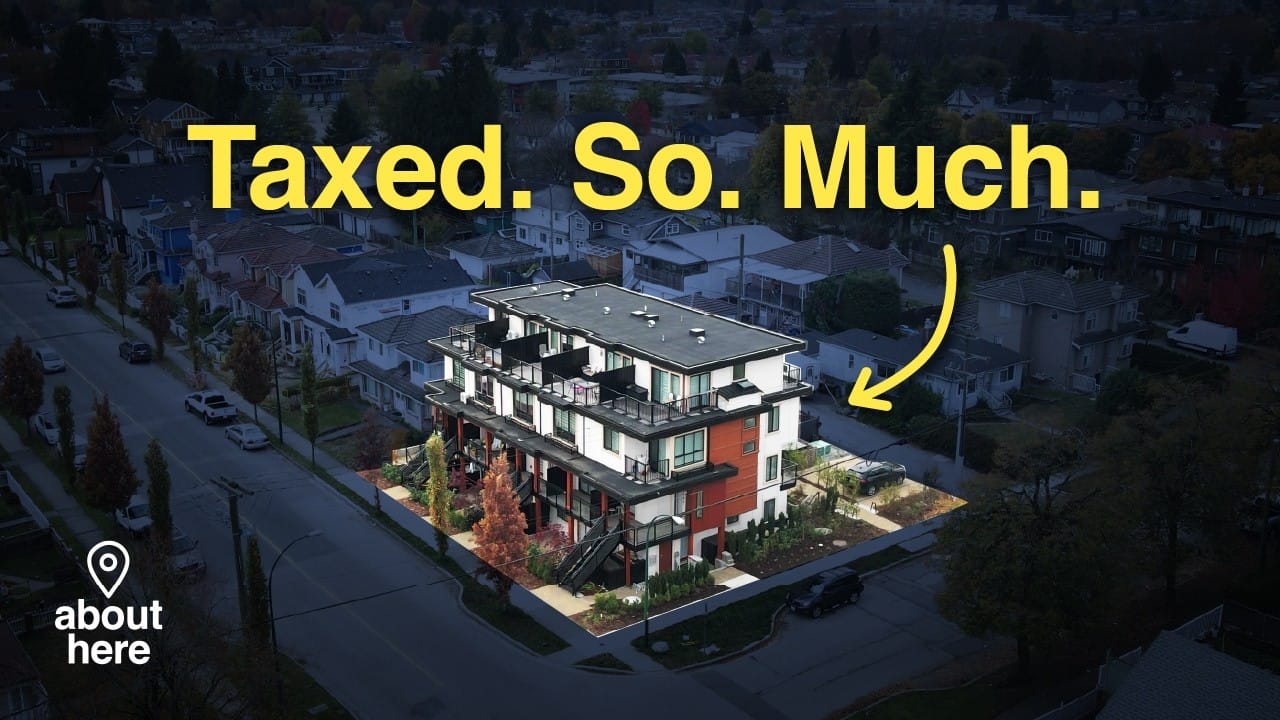
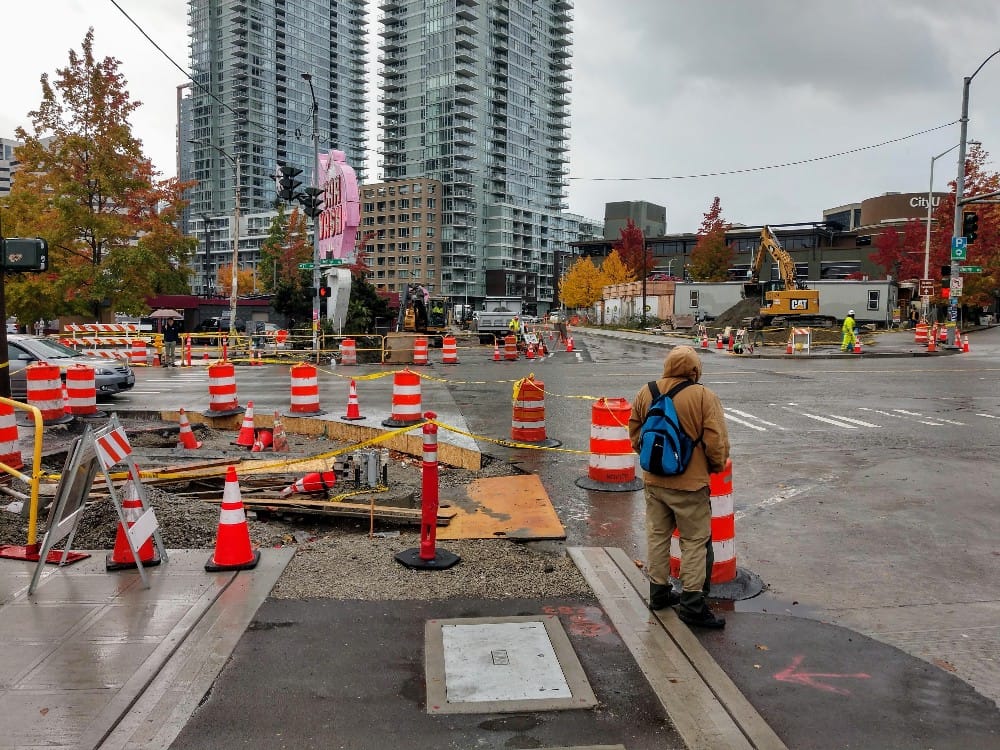
Sunday Video: The Housing Tax Crisis

Uytae Lee of About Here dives into development fees and taxes, which contribute to a significant proportion of new housing costs. In many North American cities, housing taxes have been increasing much faster than inflation. But why are they increasing so much, what are they used for, and how does th

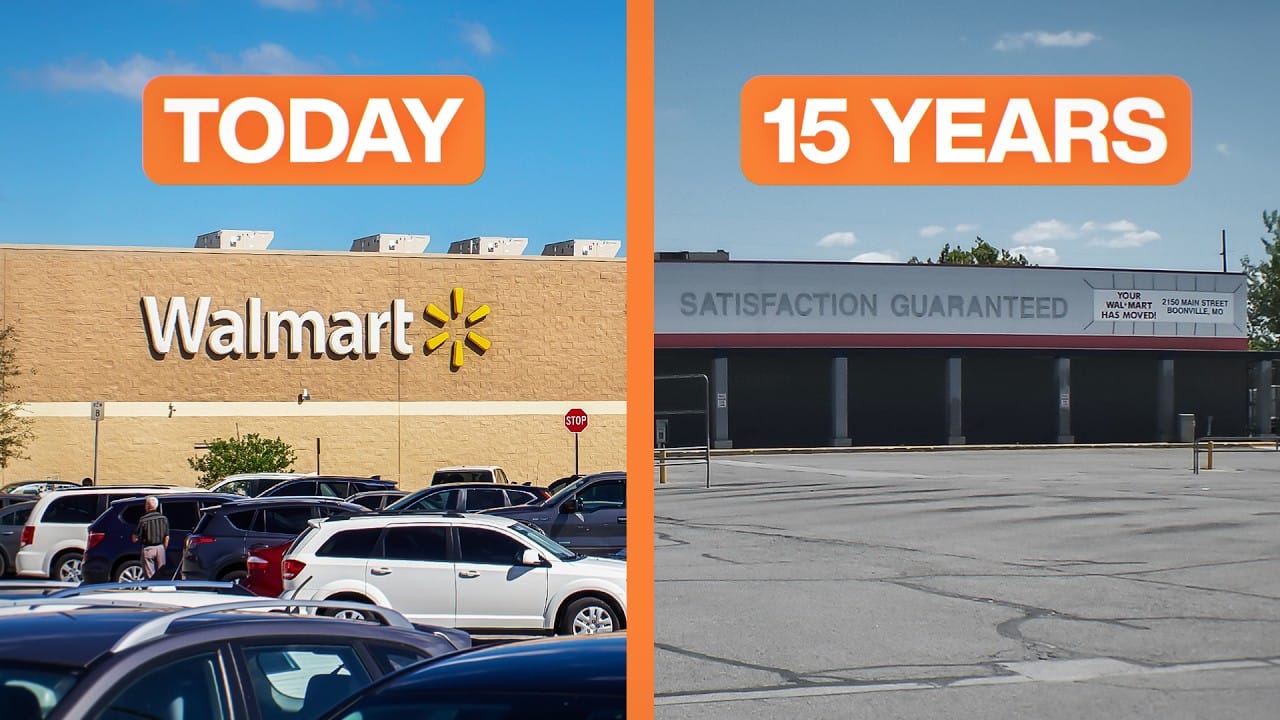
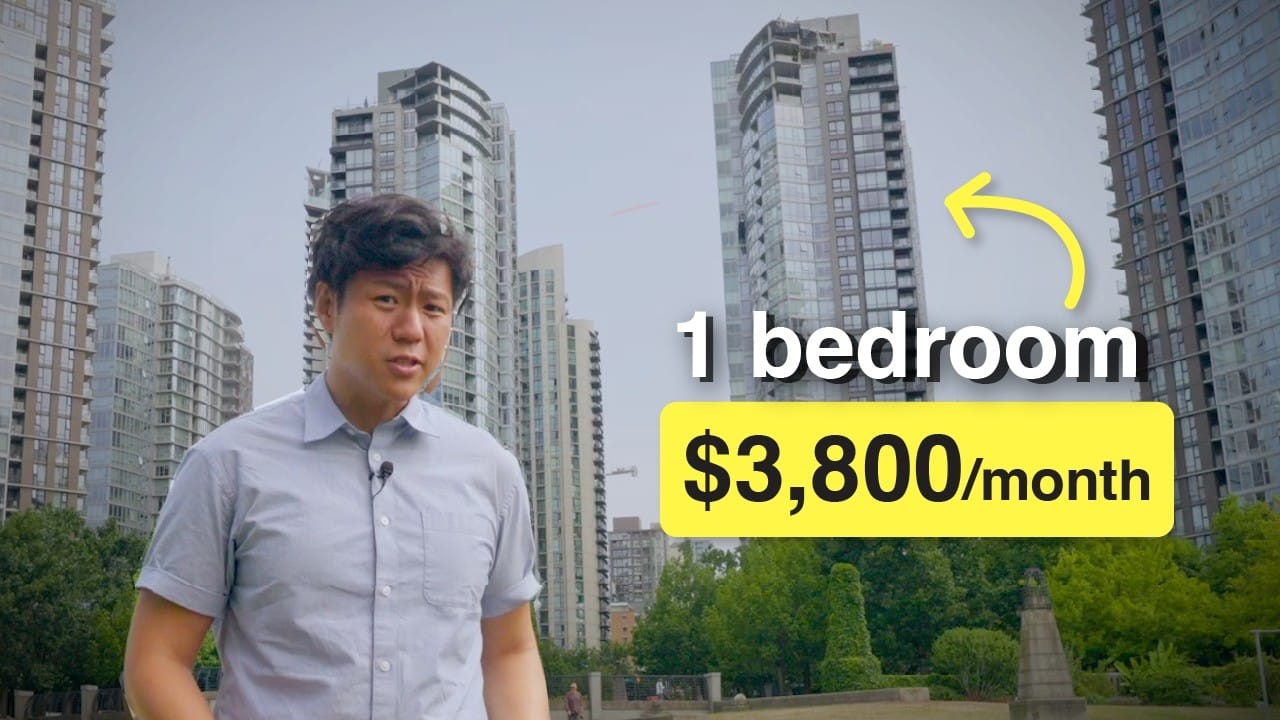
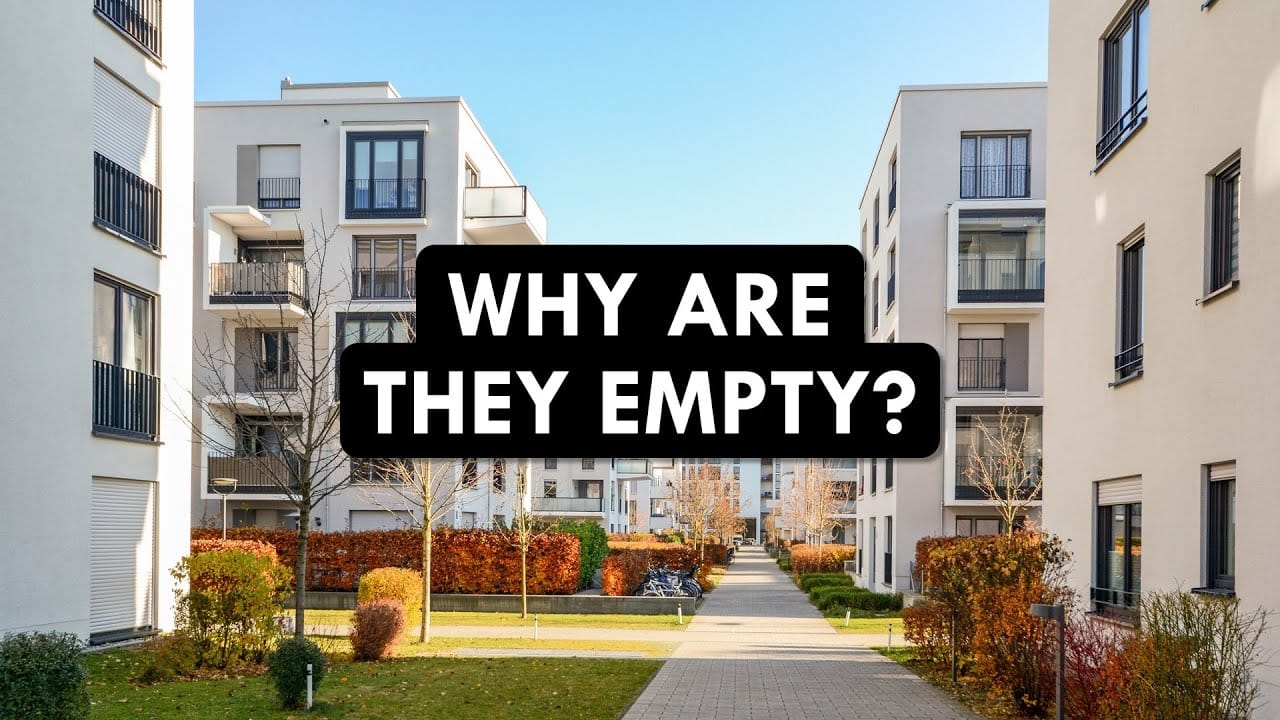
Sunday Video: The Real Problem with “Luxury Housing”

Across North America, people claim that they want affordable housing in their communities while deriding and fighting what they perceive as “luxury housing.” A common trope among many is that developers are greedy, wanting only to make top dollar on their homebuilding projects and contribute nothing back to communities. It’

Policy Lab: Tax the Filthy, Stinking Rich

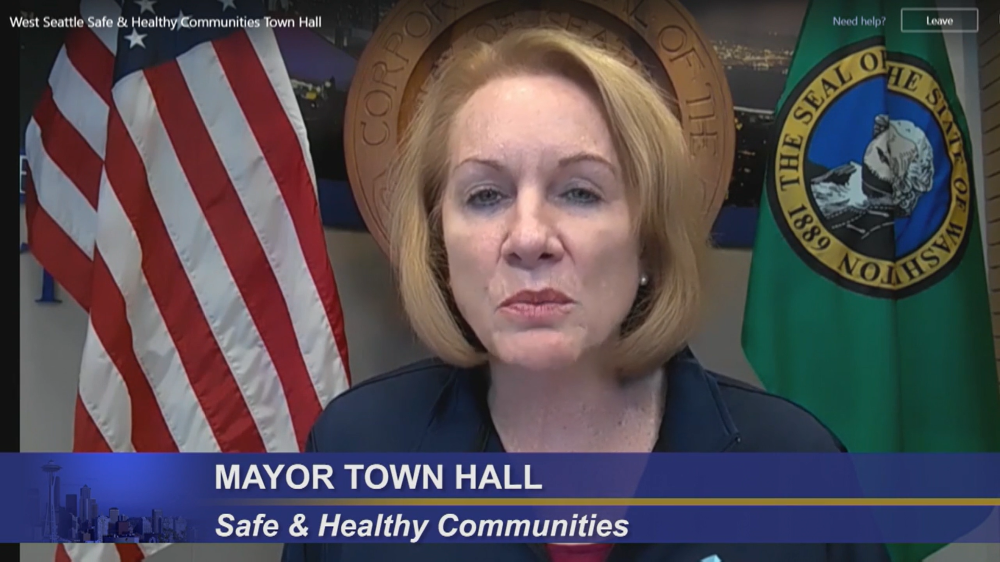
Seattle has a $258 million budget deficit to solve. Mayor Bruce Harrell said he rejects notions of austerity. Good for him! I’m here to help. Let’s chart a way out of this crisis that doesn’t involve slashing services and laying off city workers.

Lessons from Washington State’s New Capital Gains Tax

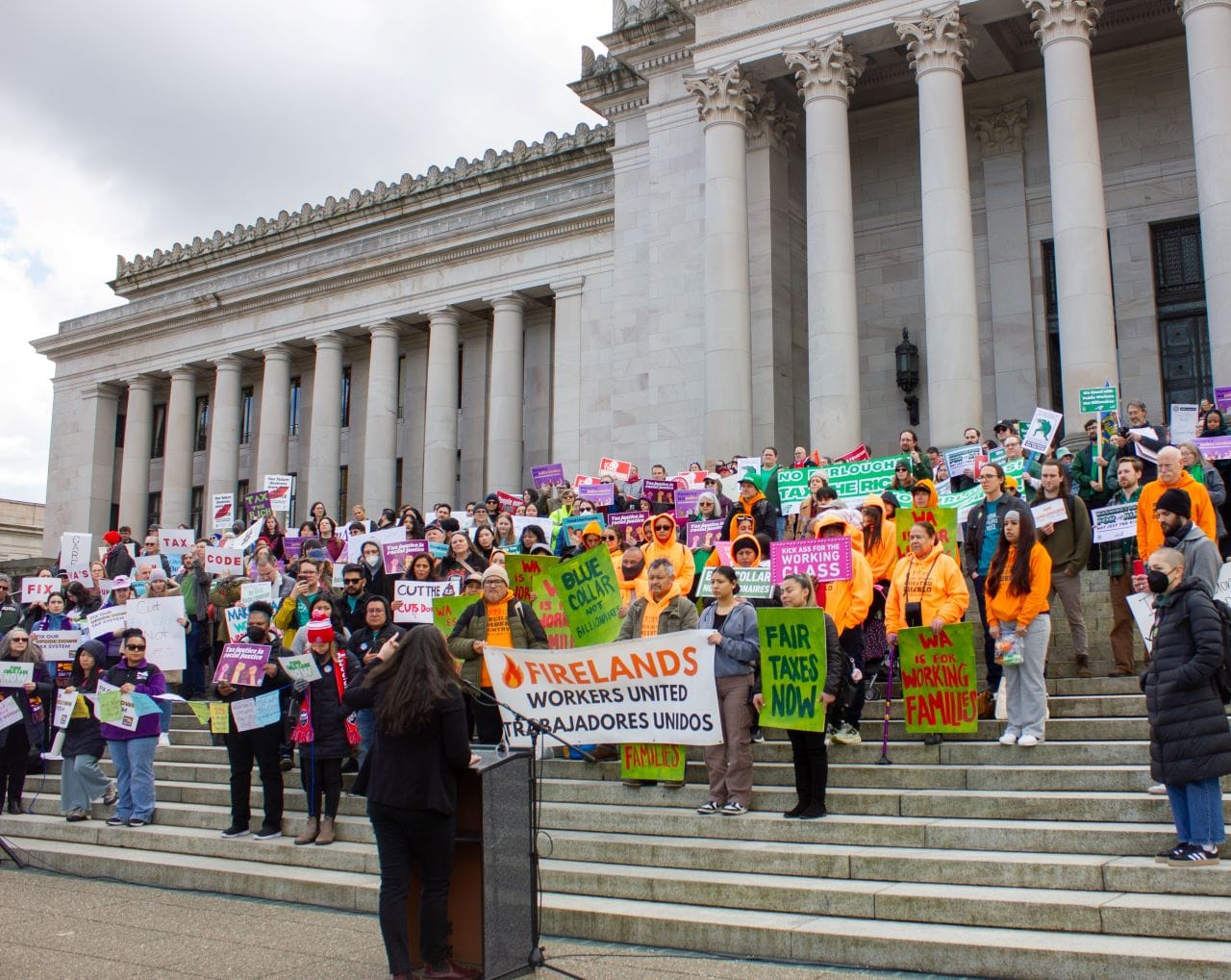
Taxing the rich works like a charm. Last week we learned that the capital gains tax — which was passed by the state legislature in 2021 to fund much-needed childcare and public education — will bring in nearly $601 million more in state revenue than previously projected in the biennium.  For decades,

Op-Ed: Seattle is the Capital of Toxic Frugality

Next week is standardized testing at the kiddos’ school. The normal seven-class-a-day schedule will be reorganized to allow morning and afternoon blocks long enough to take the 3 to 4 hour tests. The kids have stockpiled gum and selected small stuffed animals and stress balls to keep them company. Anxiety

Want to Revitalize Downtown? Here’s Eight Ways How

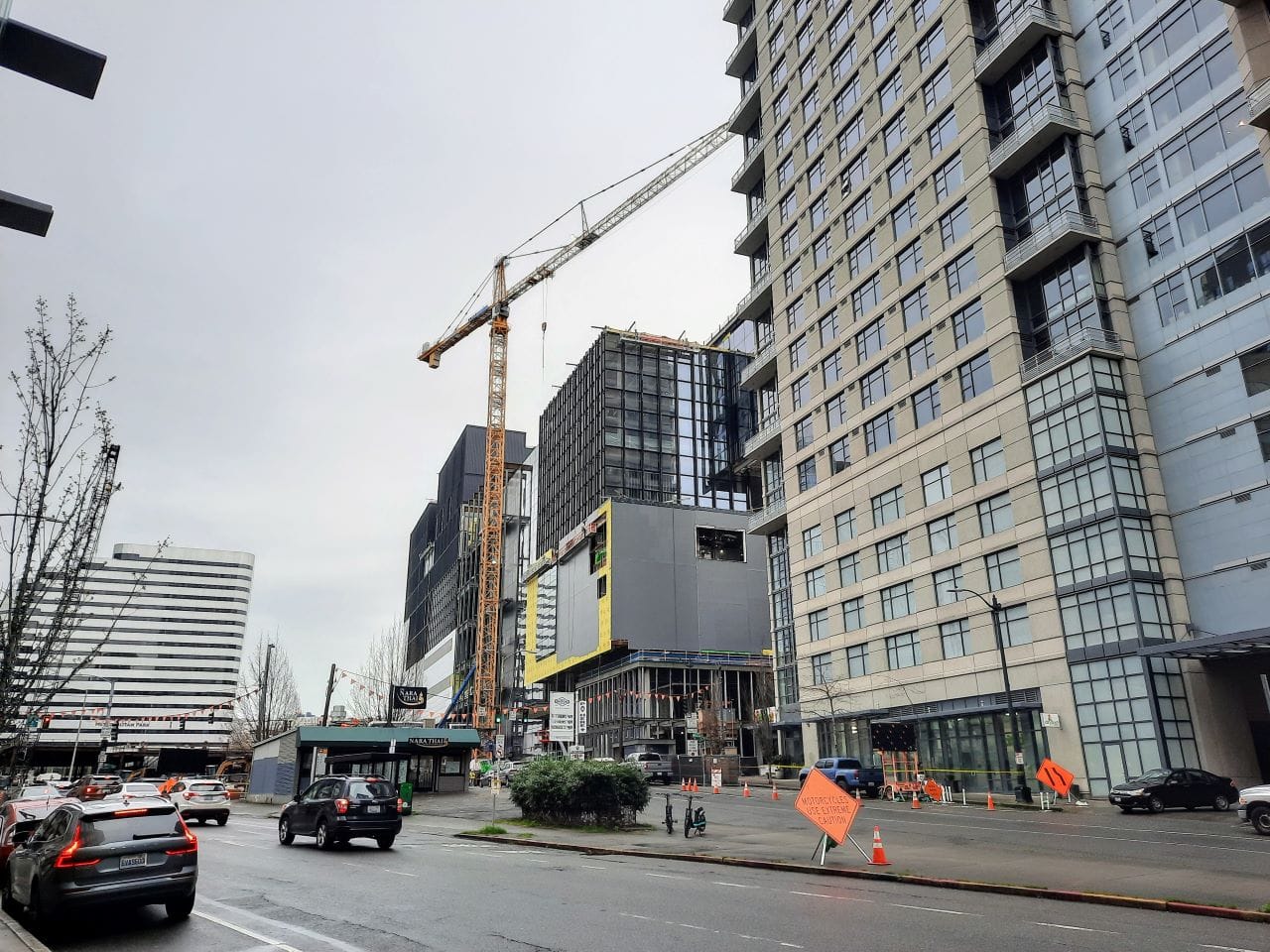
In the spring of 2020, downtown Seattle sat empty. A once bustling and growing core of tower cranes, thriving businesses, and active neighborhoods was now silent. Office workers were gone, and in the interim worked remotely, which soon became long-term preference. During the slow recovery, restaurants, retail, and transit all

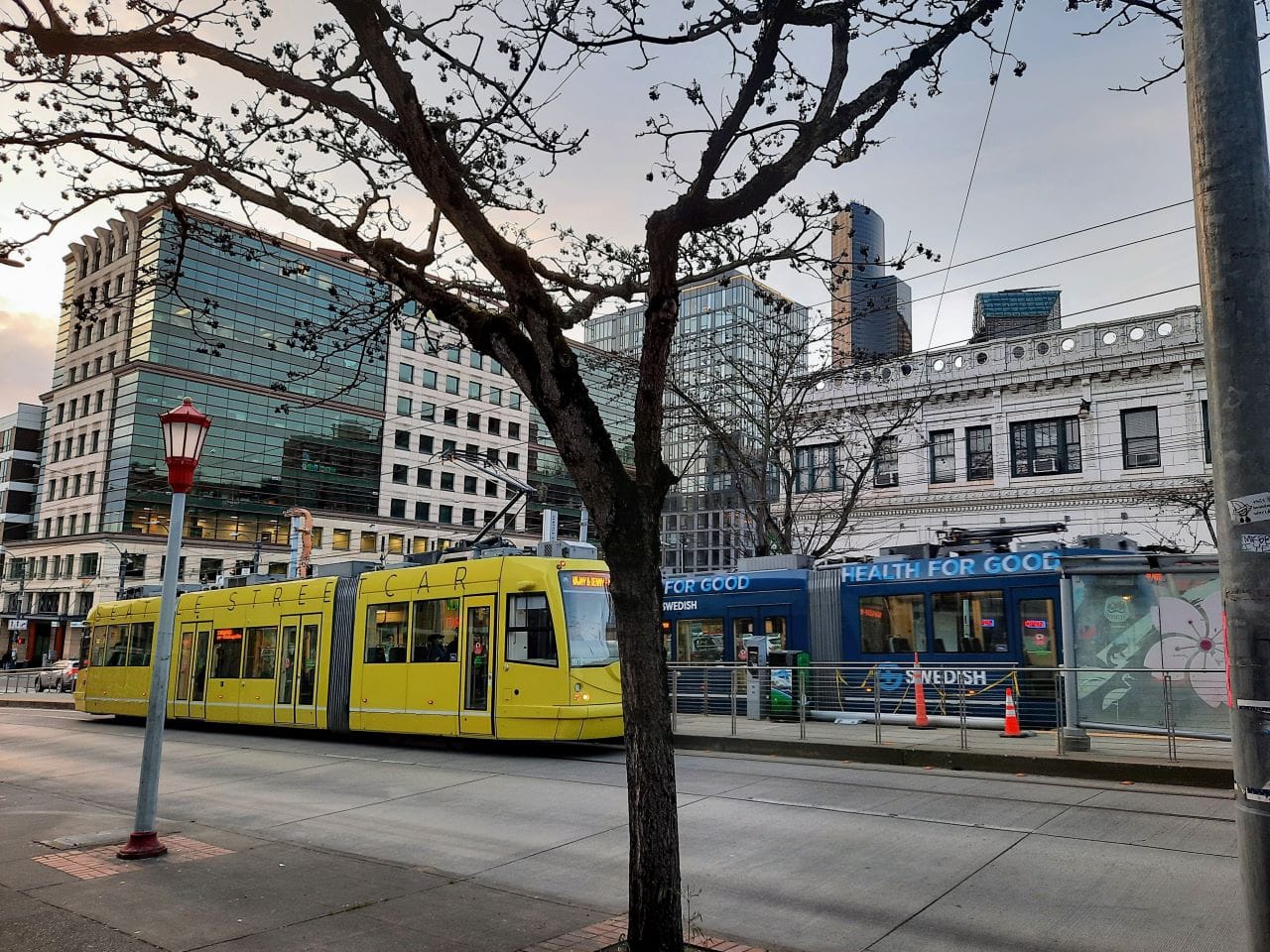
Streetcar Project Could Kickstart Downtown Recovery

The Downtown Seattle Association and new SDOT head are seeking ways to jumpstart the shelved Center City Streetcar project, such as a Cultural Connector program. Seattle’s Center City streetcar has been in limbo ever since Mayor Jenny Durkan halted the project in 2018 right as construction was beginning. Nonetheless,

South King County Pilot Shows Promise of Guaranteed Basic Income

In 2020, King County Councilmember Girmay Zahilay initiated the King County Guaranteed Basic Income Pilot program, which was funded by community service operating grant allocations and repurposed office funds. These funds were administered to the Rainier Beach Action Coalition, and Urban Family, two community-based organizations (CBOs) based in South King

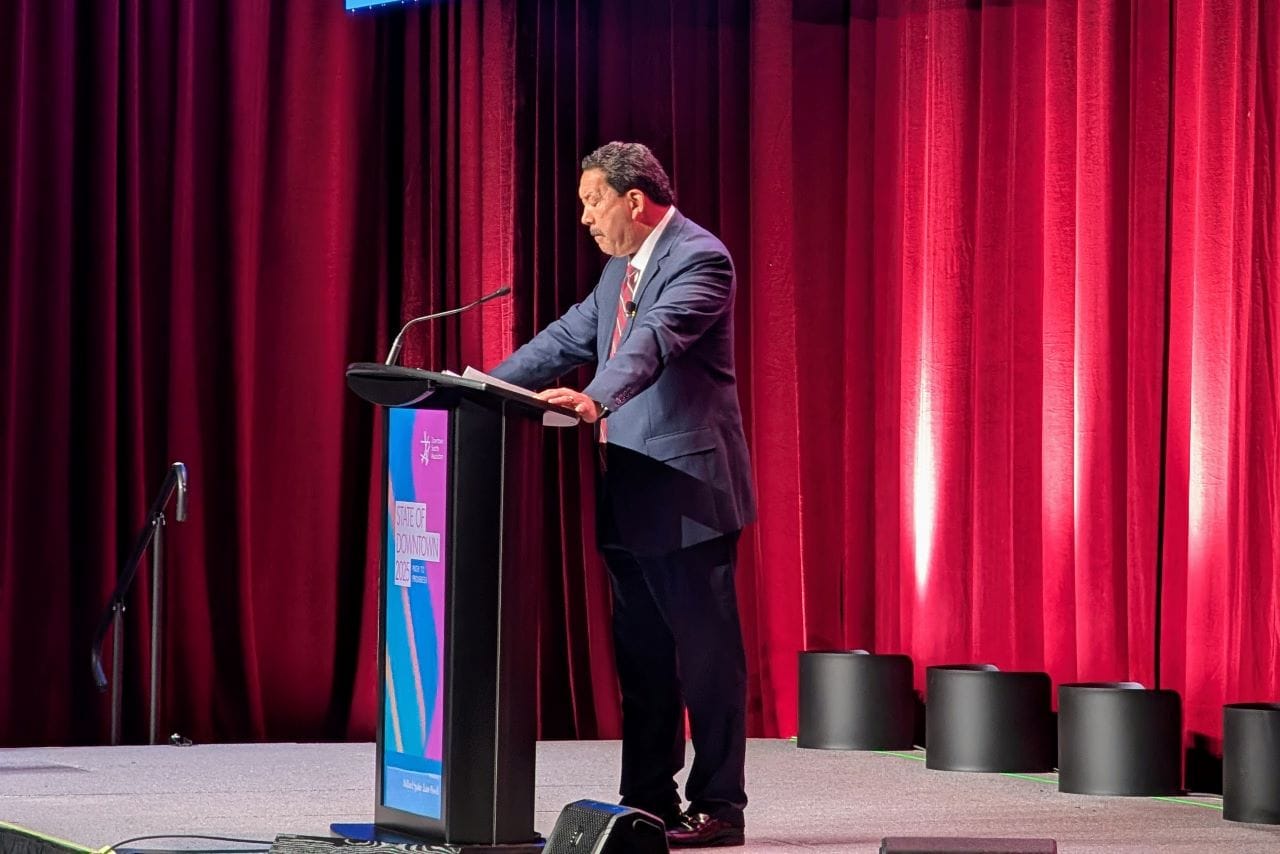
Downtown Seattle Declares Itself Resurgent at Annual Gala

The theme was resurgence at the Downtown Seattle Association’s annual State of Downtown event yesterday. With two years of pandemic suffering and emergency public health measures seemingly behind us, Seattle’s economic leaders predicted Downtown would come roaring back. The annual economic report from the Downtown Seattle Association (DSA)

Is Seattle a $20 Lunch Town?

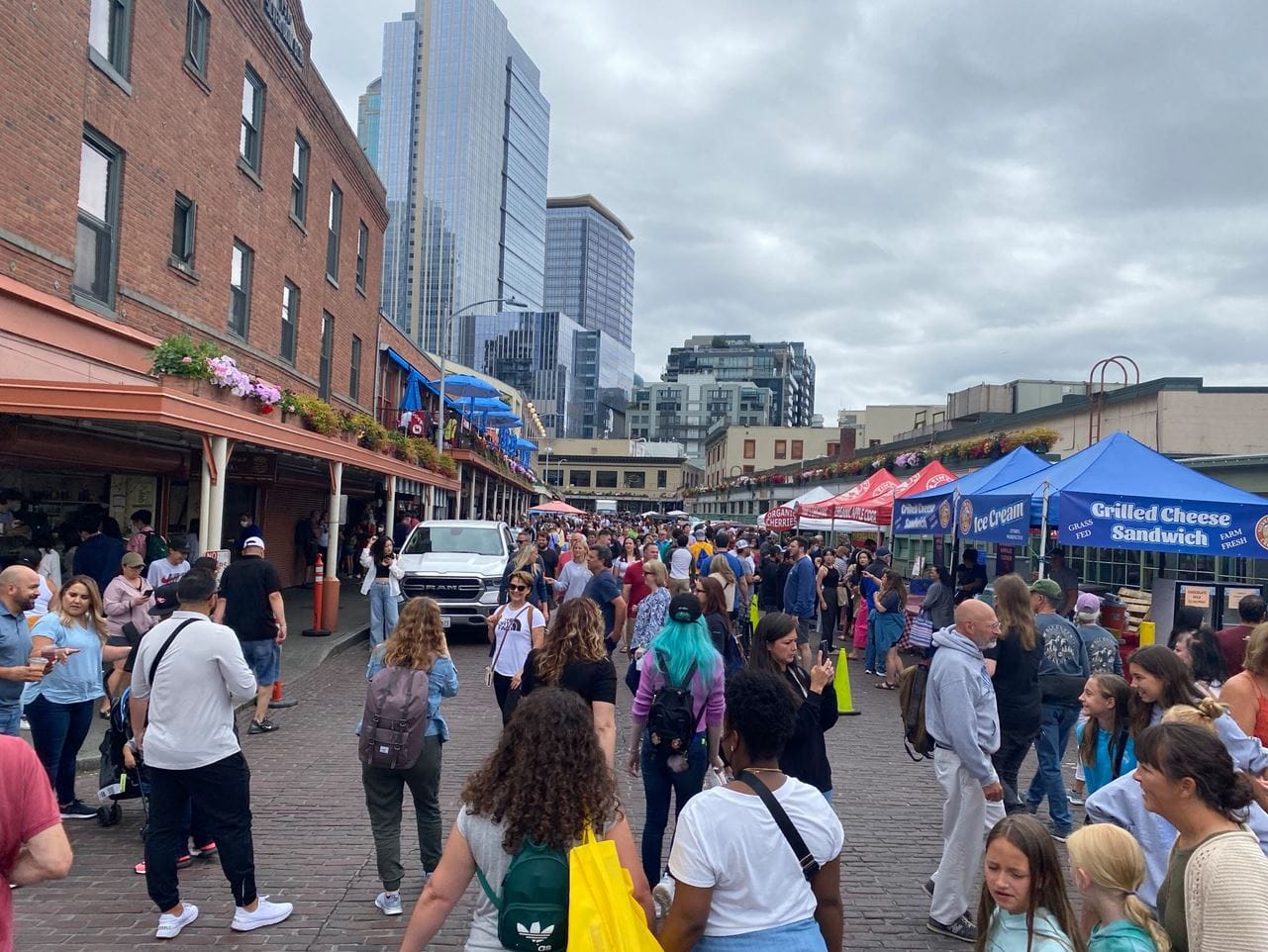
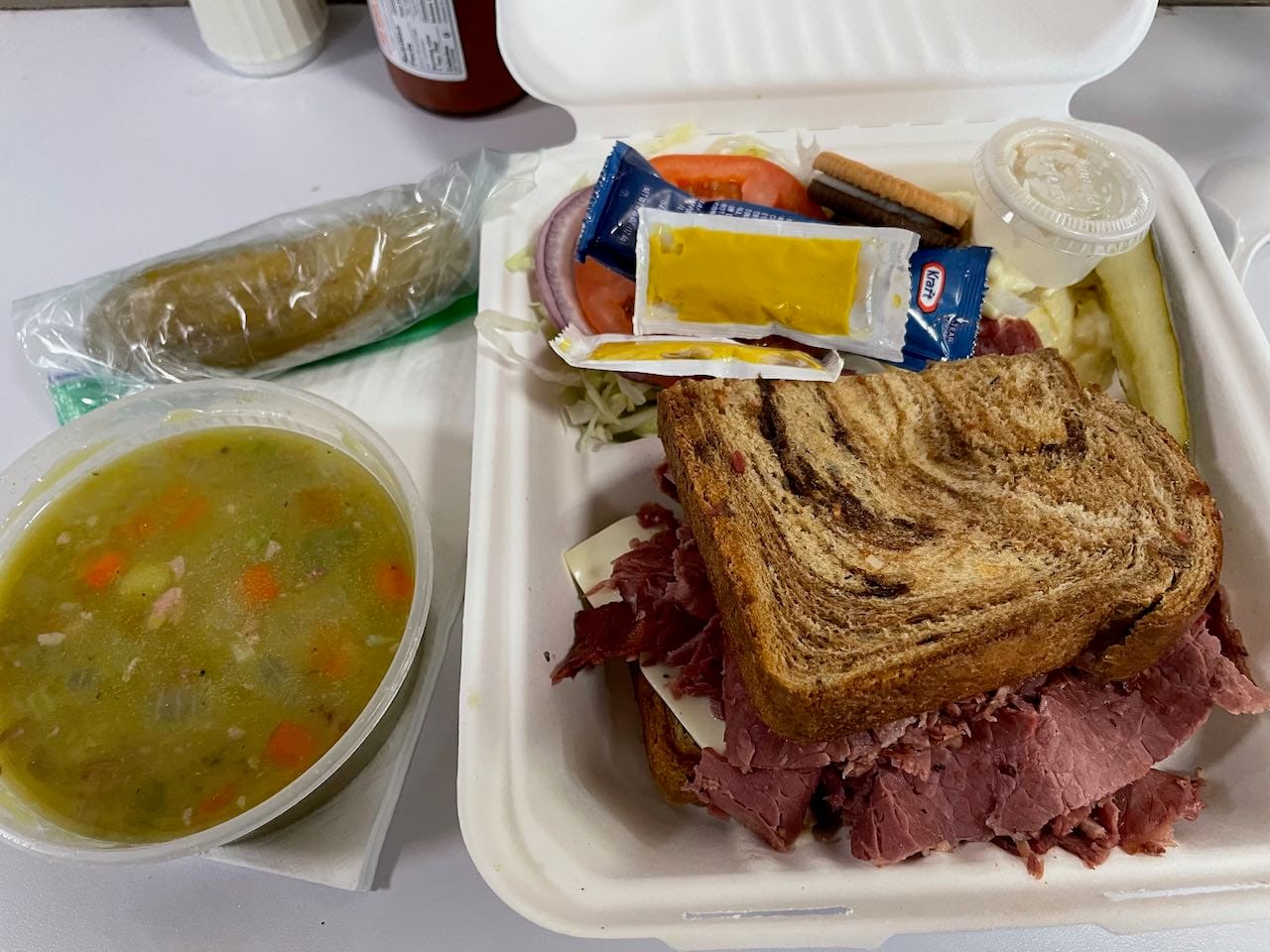
As we emerge from pandemic and look towards returning to offices, a question starts to come up. “What’s for lunch?” A recent impromptu survey of several downtown Seattle restaurants suggests it’s very difficult to get out without forking over around $20 a person. The overloaded half pastrami and

Baltimore’s Harborplace: Elegy to a Dead Mall

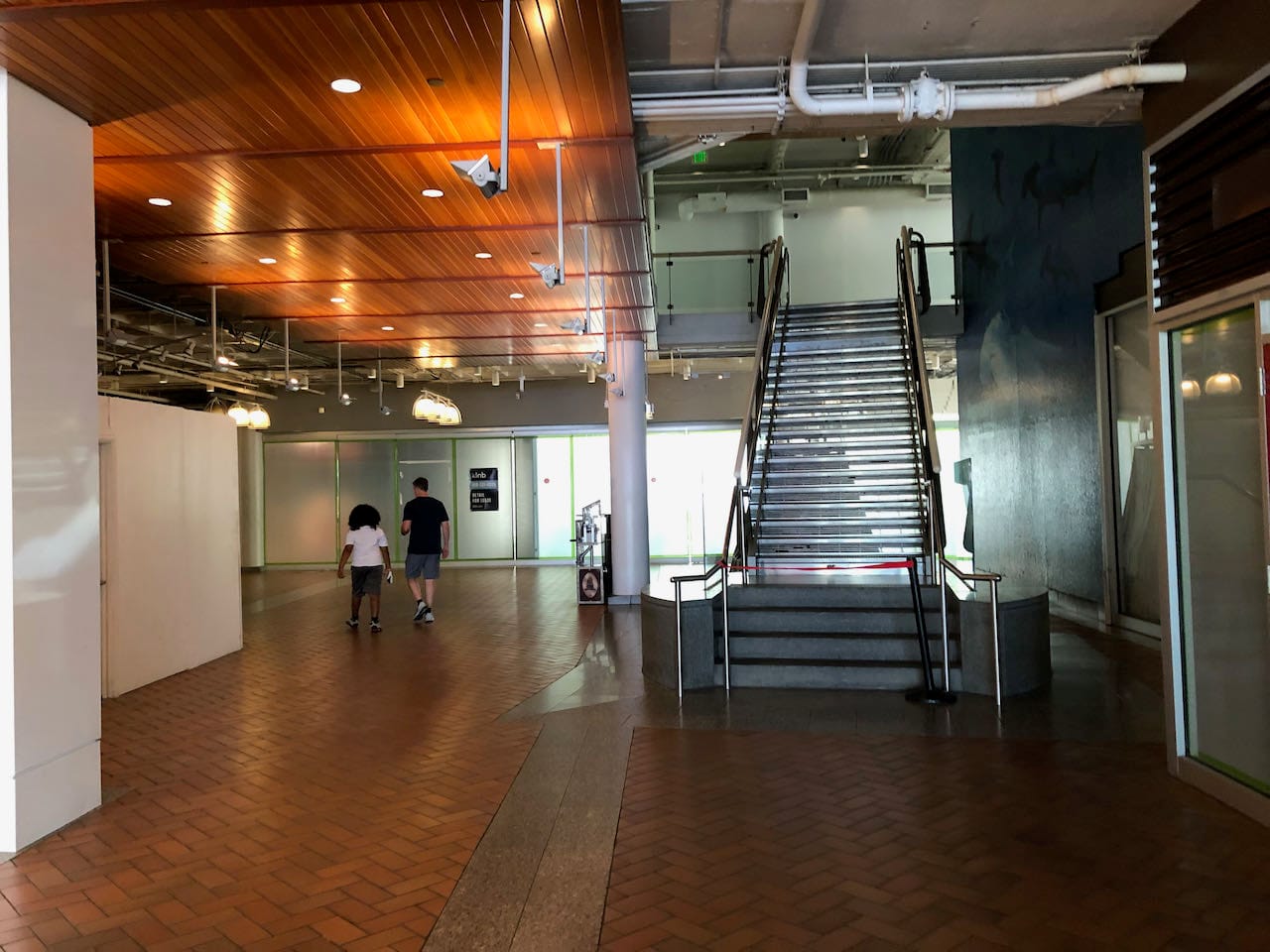
Lessons from a one-time crown jewel of urban renewal. Recently I got to be a tourist in my hometown. The hard part about going back after a long while away is seeing how badly the current stewards have screwed things up. My visit to Baltimore this summer was the first

Seattle to Boost Downtown with Additional Street-Level Uses

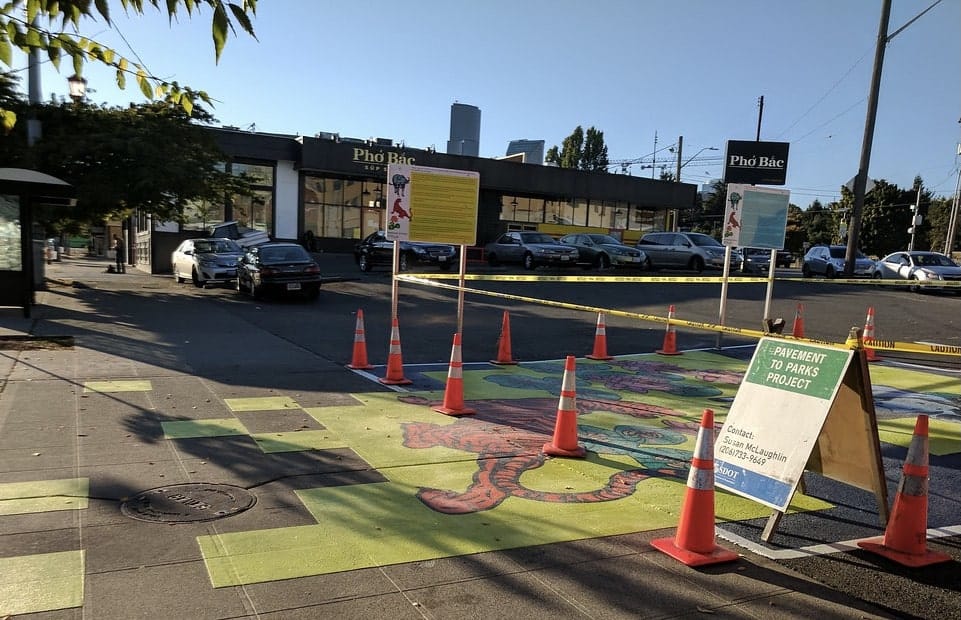
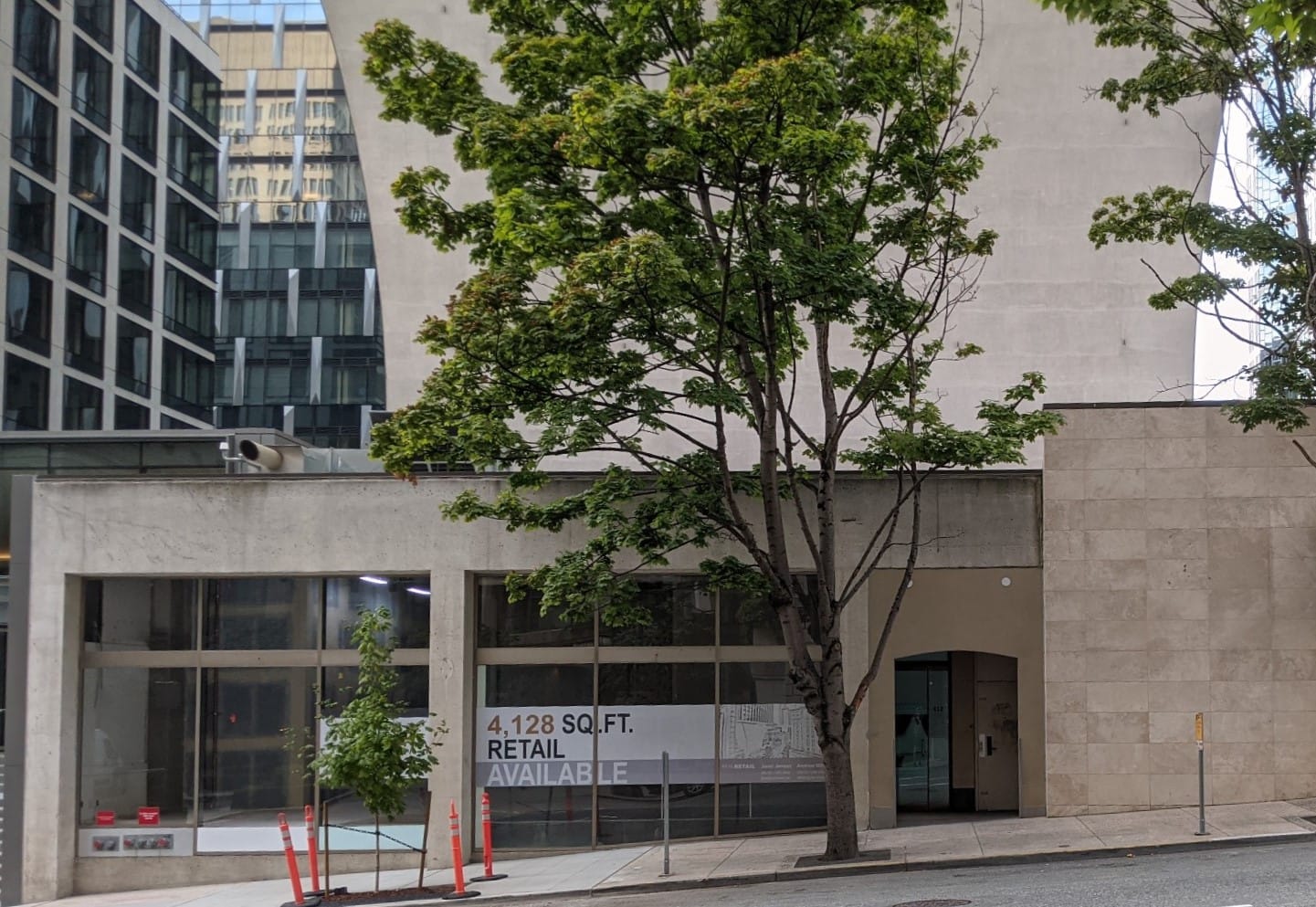
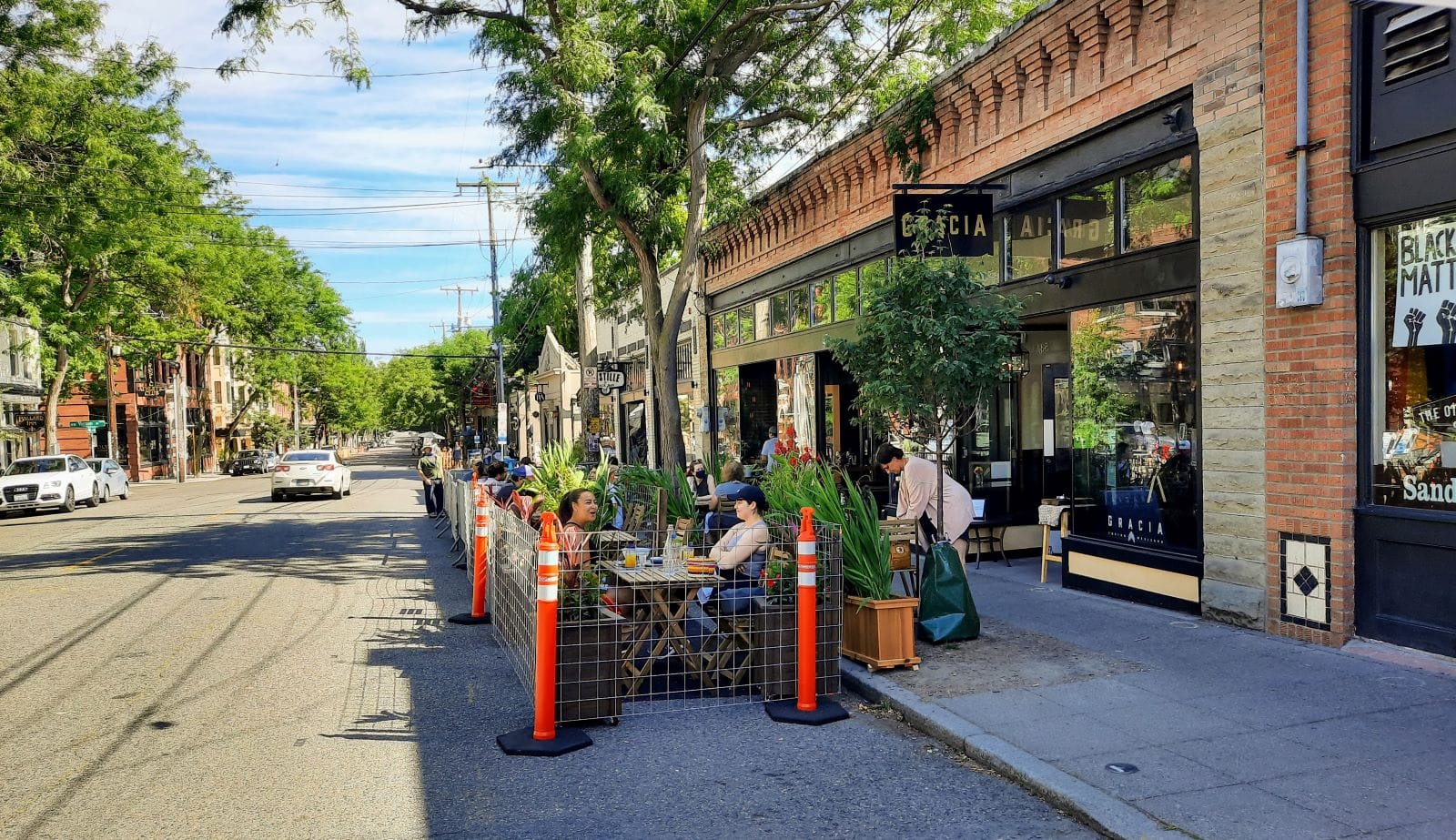
On Monday, the Seattle City Council unanimously passed an ordinance to energize Downtown Seattle and South Lake Union (SLU) with new street-level uses. This effort hopes to help Downtown and South Lake Union recover from the pandemic-induced recession by filling vacancies and promoting active streets. The legislation also offers an

The Great Seattle Housing Swap

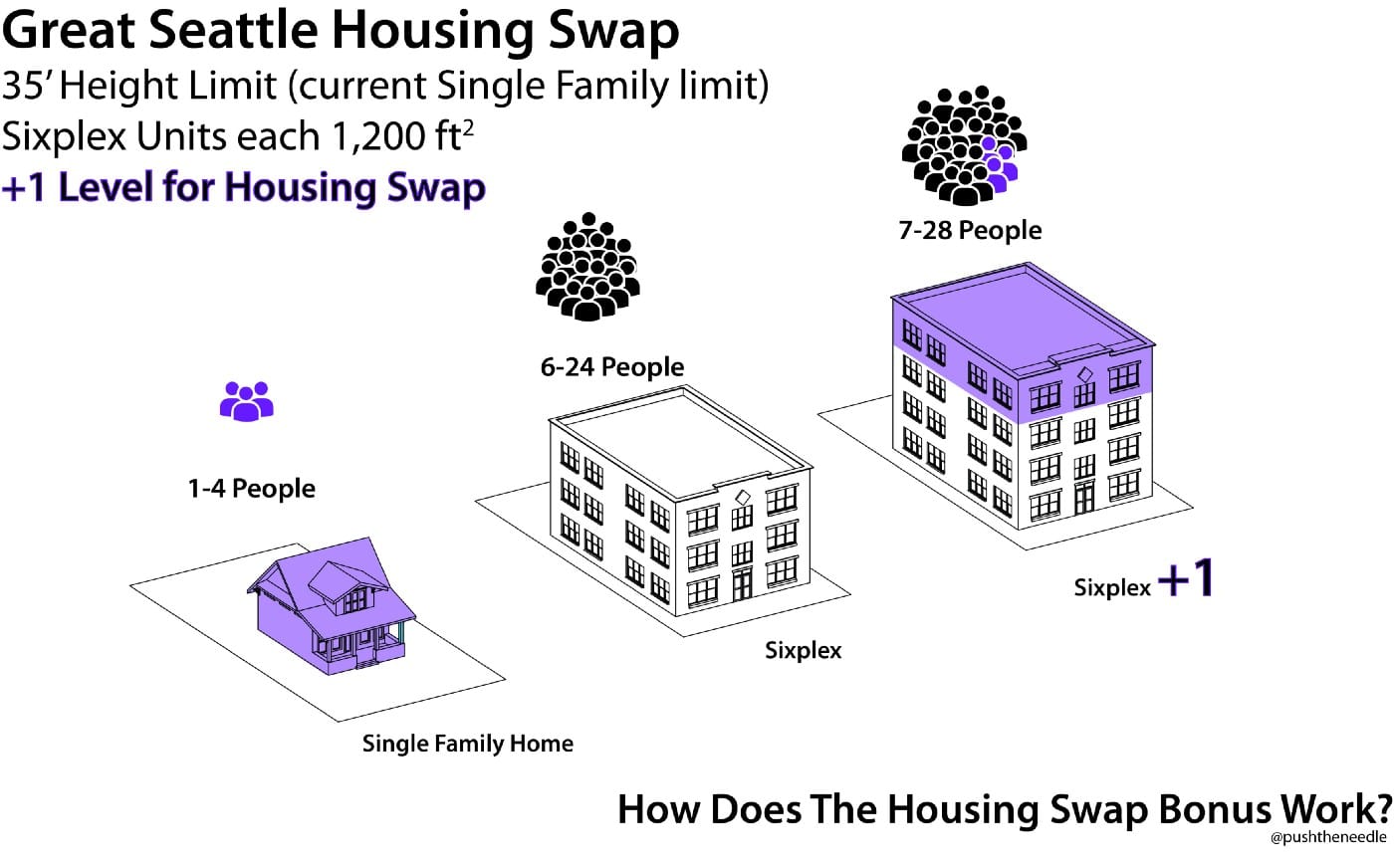
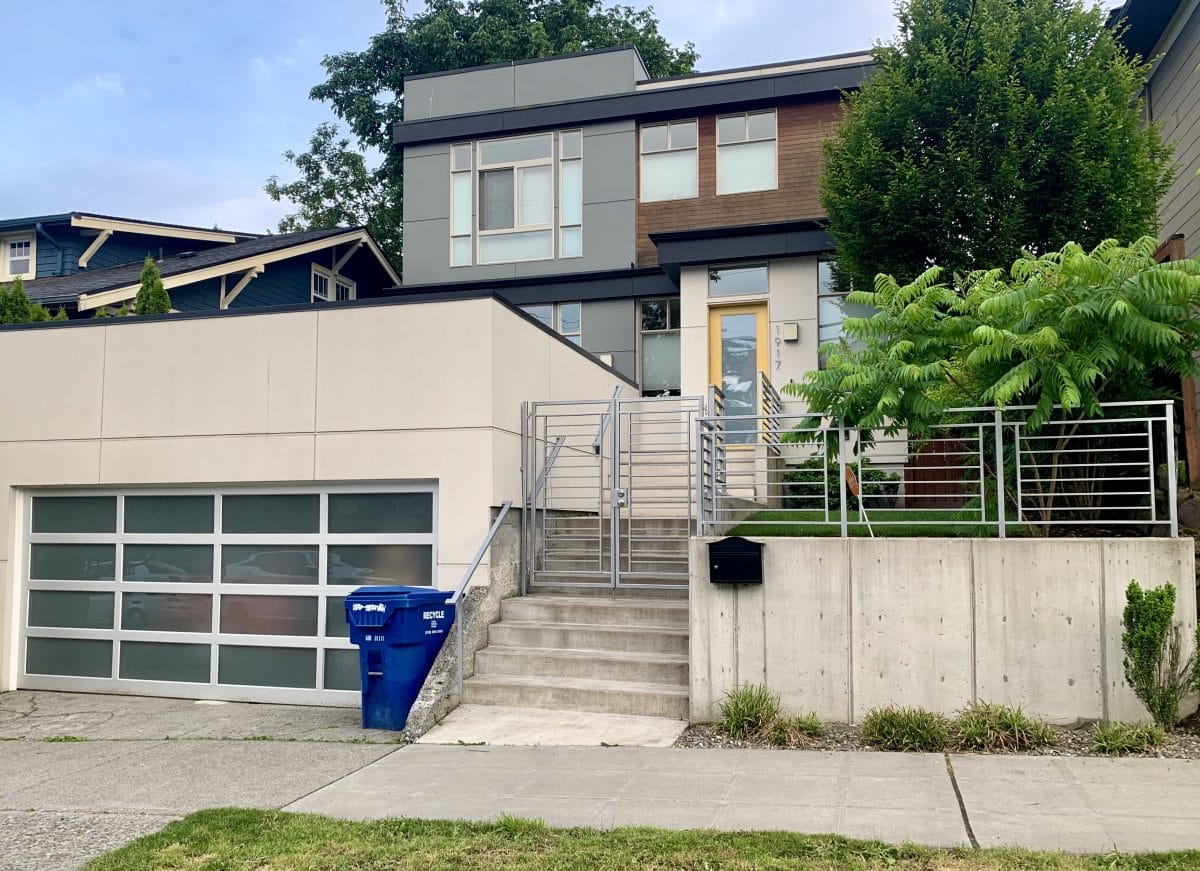
Imagine if you could partner with a developer to build a multiplex or rowhouse on your property, and, in exchange for the land, you were gifted a home in the new development? This is the concept for the “Great Seattle Housing Swap,” an idea that will leverage our residential land

District Energy Is a Fit for Seattle

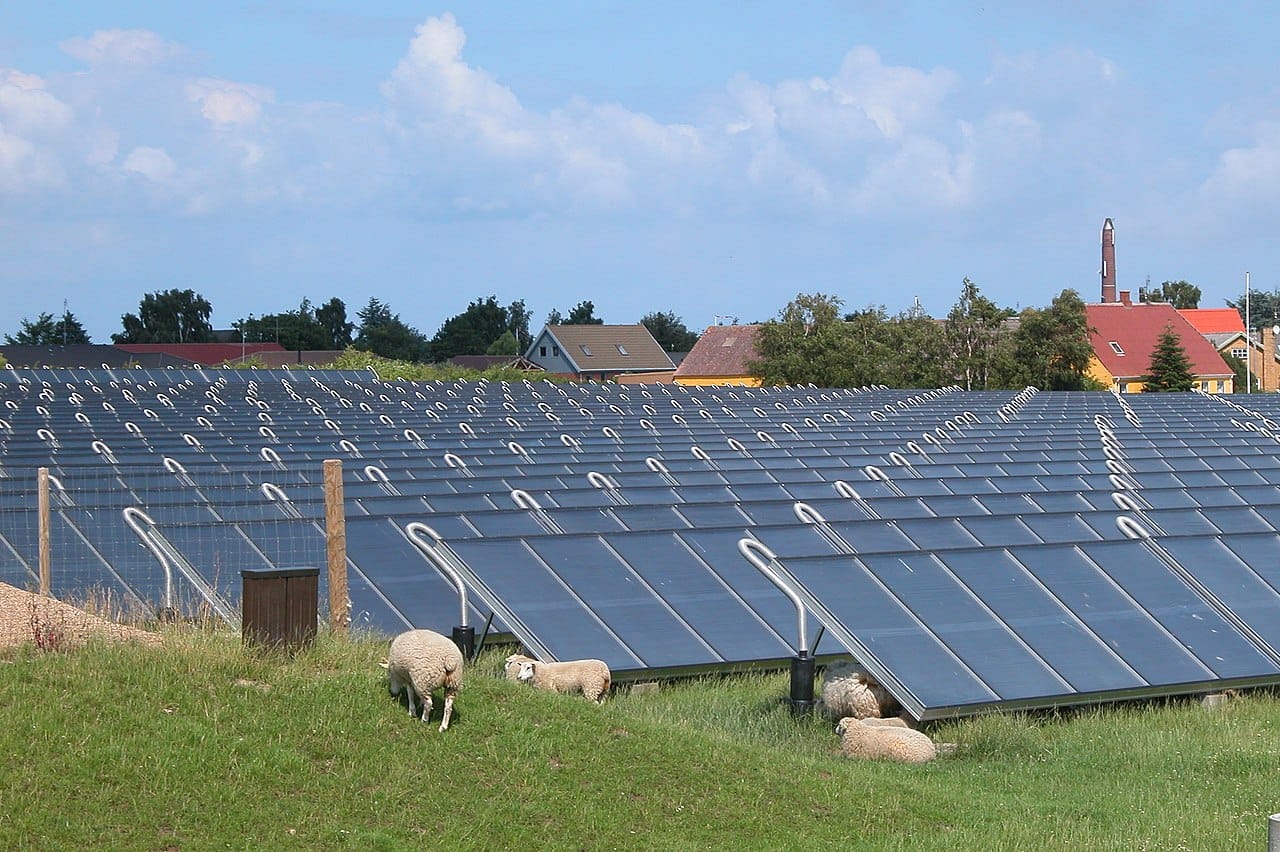
In Seattle’s latest update to its energy code, bans were levied on fossil fuel and electric resistance heating systems in commercial buildings and three-plus-story multifamily residences. One exception to that ban was for district heating systems that can and do burn carbon fuels in Seattle. District heating is a

Holiday Video: How Big Can Cities Get?

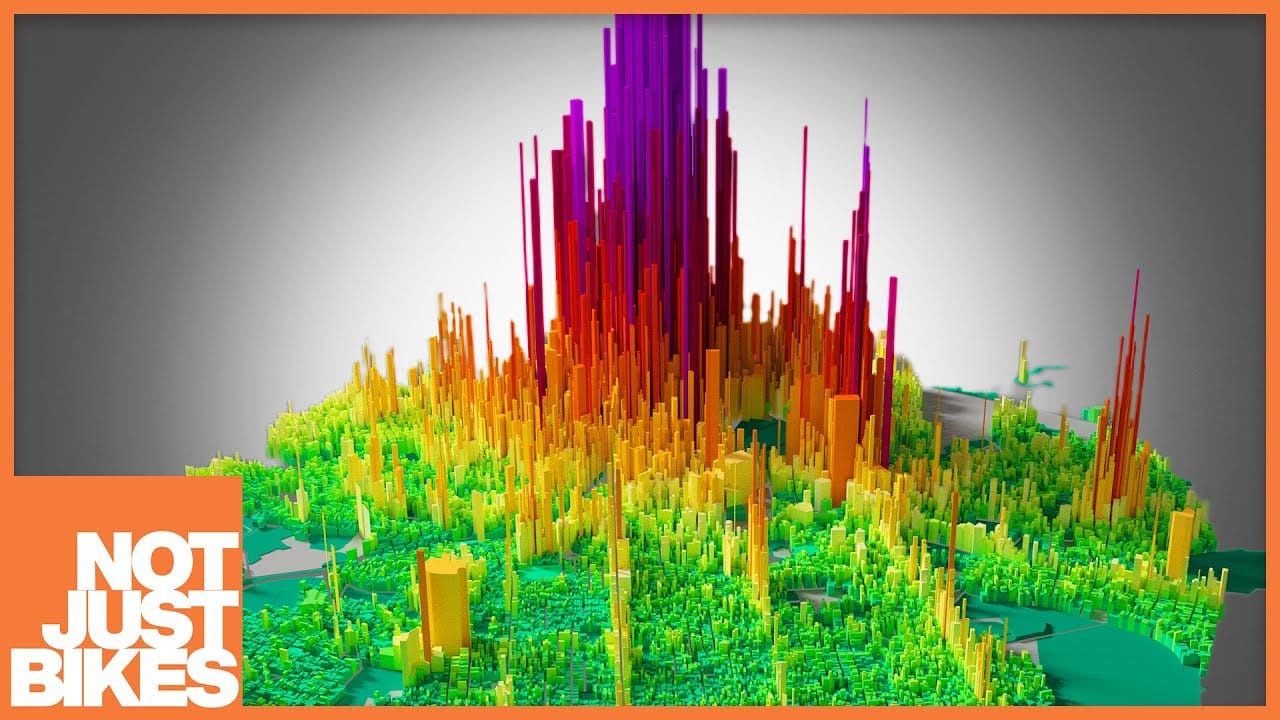
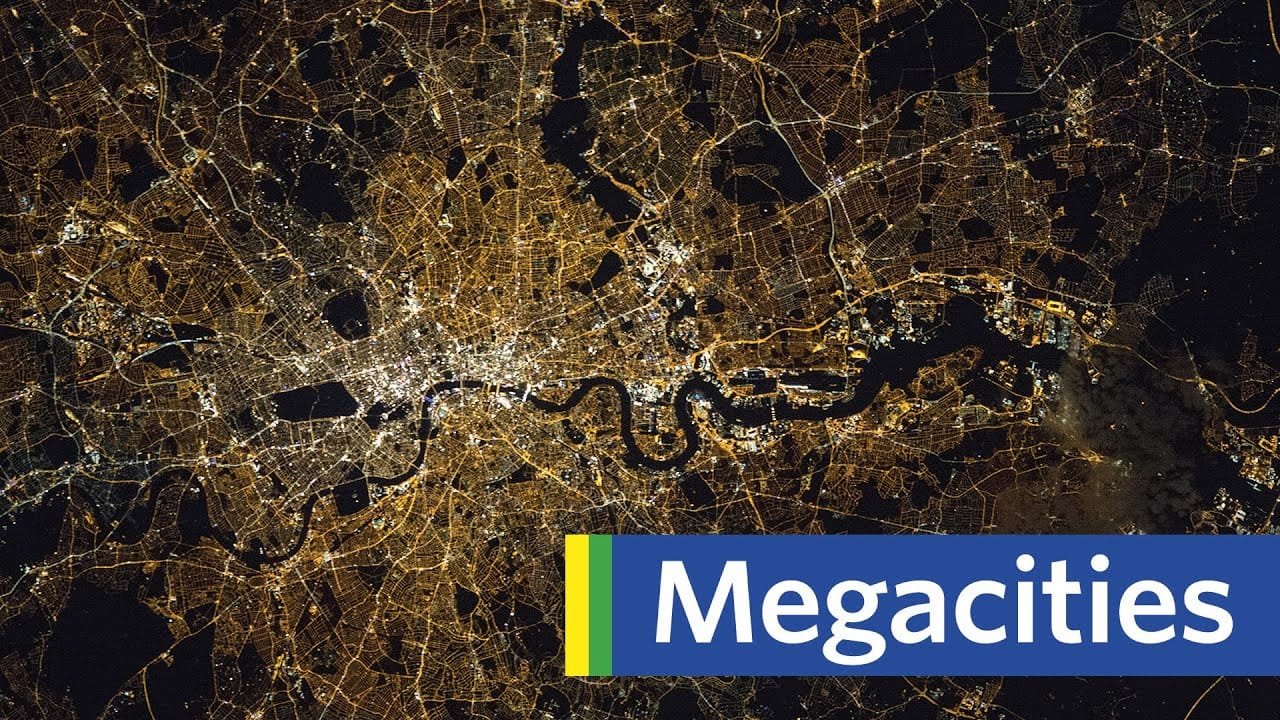
Davos Amos ask how big cities can get. Many megacities, largely defined as over 10 million people, are rapidly growing in industrialized countries. But cities over 100 million–gigacities–could be possible this century as megacities grow and merge. Happy Thanksgiving Day to you and your family from all of

Seattle Seeks to Close Internet Access Gap

In September, the City of Seattle released the Internet for All Seattle Report. This report follows the City’s July 27th resolution to establish the city council’s goal to implement a “vision of enabling all Seattle residents to access and adopt broadband internet service that is reliable and affordable.
Smart Grids: Technology for a Green Urban Energy Future

The buzzwords “smart grid” have been floating around in environmentalist circles, national security circles, and it’s even made an appearance in urbanist media. Hype surrounding the “smart grid” claims major environmental benefits, increased affordability, and energy security. So, what is the “smart grid” and what does it look like?
Your Friendly Neighborhood Industrial Use, An Introduction

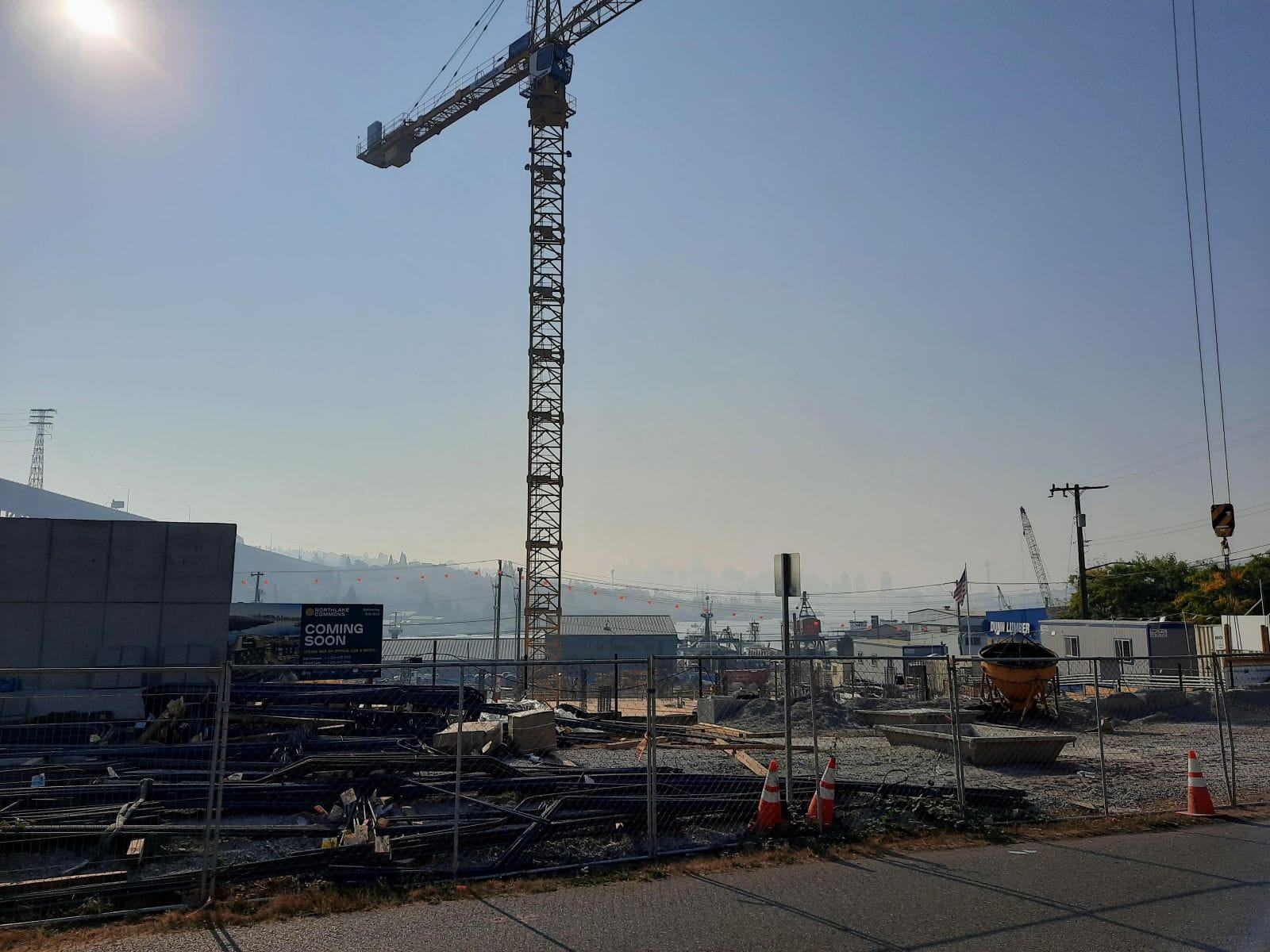
In this series of four articles, I am going to lay out an argument that Seattle should mix industrial uses in our residential and commercial neighborhoods. It’s based on the idea that our bright-line description of industry keeps interesting and useful things out of our communities. Such exclusion is

How 3D Printing Will Change Cities

In the sci-fi series Star Trek, characters could use machines called replicators to instantly materialize just about any food, beverage, or tool on site. A more primitive version of the replicator has already emerged in our society. The formidable combination of scientists, engineers, and entrepreneurs are busily working to push

Urbanizing the Economy

In a previous article, I wrote about vertical farming and the technology’s ability to urbanize agriculture. Vertical farming facilitates the urbanization of agriculture with a productivity advantage over conventional agriculture. This presents a viable business case for practicing agriculture in an urban environment, allowing urban agriculture to approach the