📰 Support nonprofit journalism

History

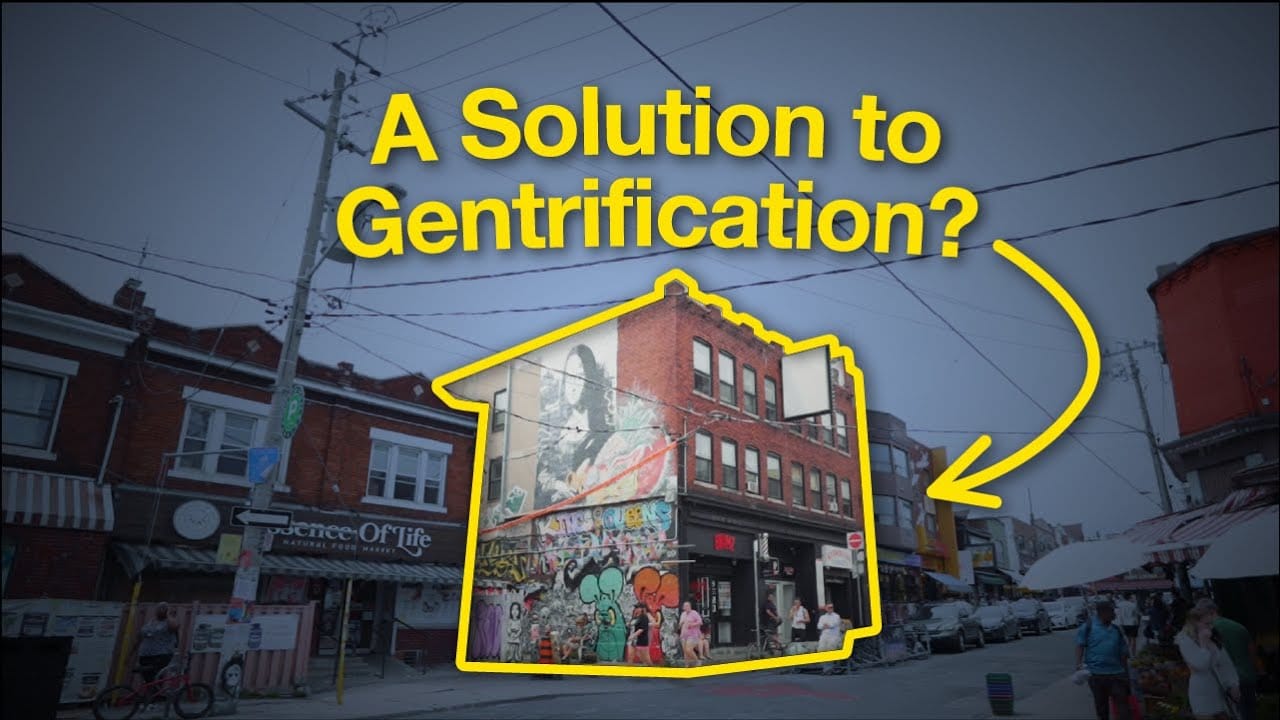
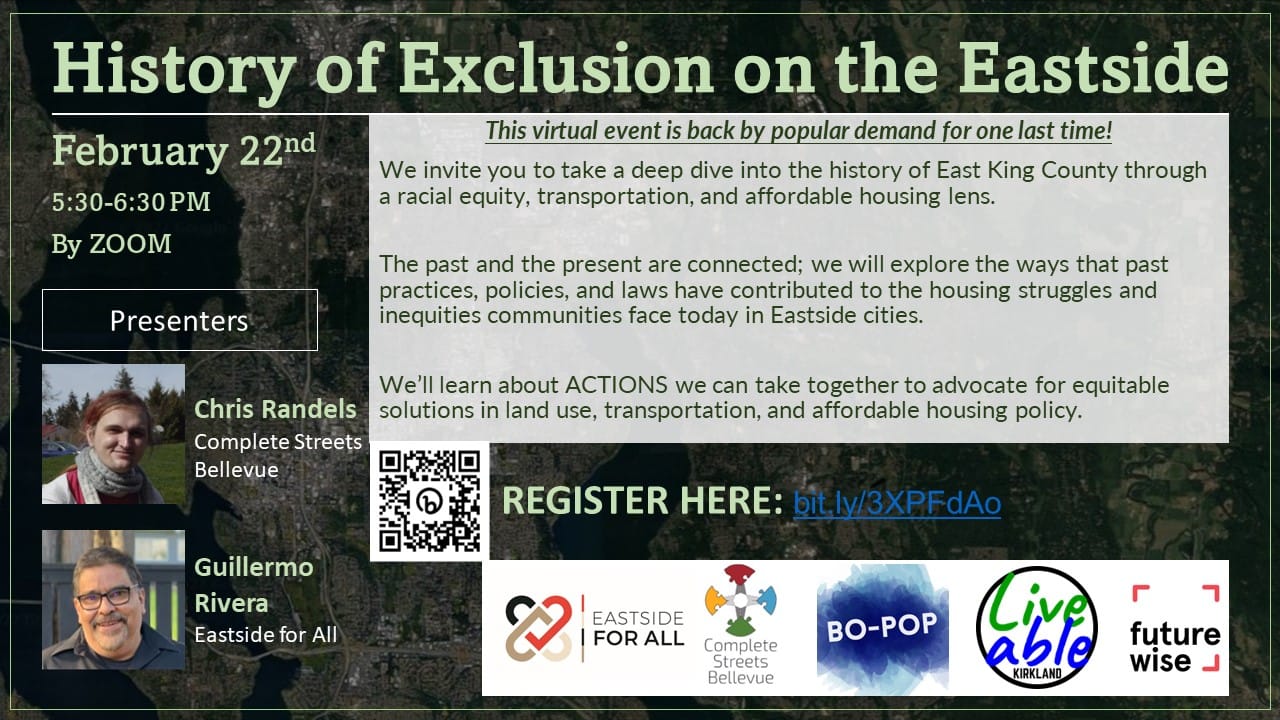
Sunday Video: How Did We Create the Housing Crisis?

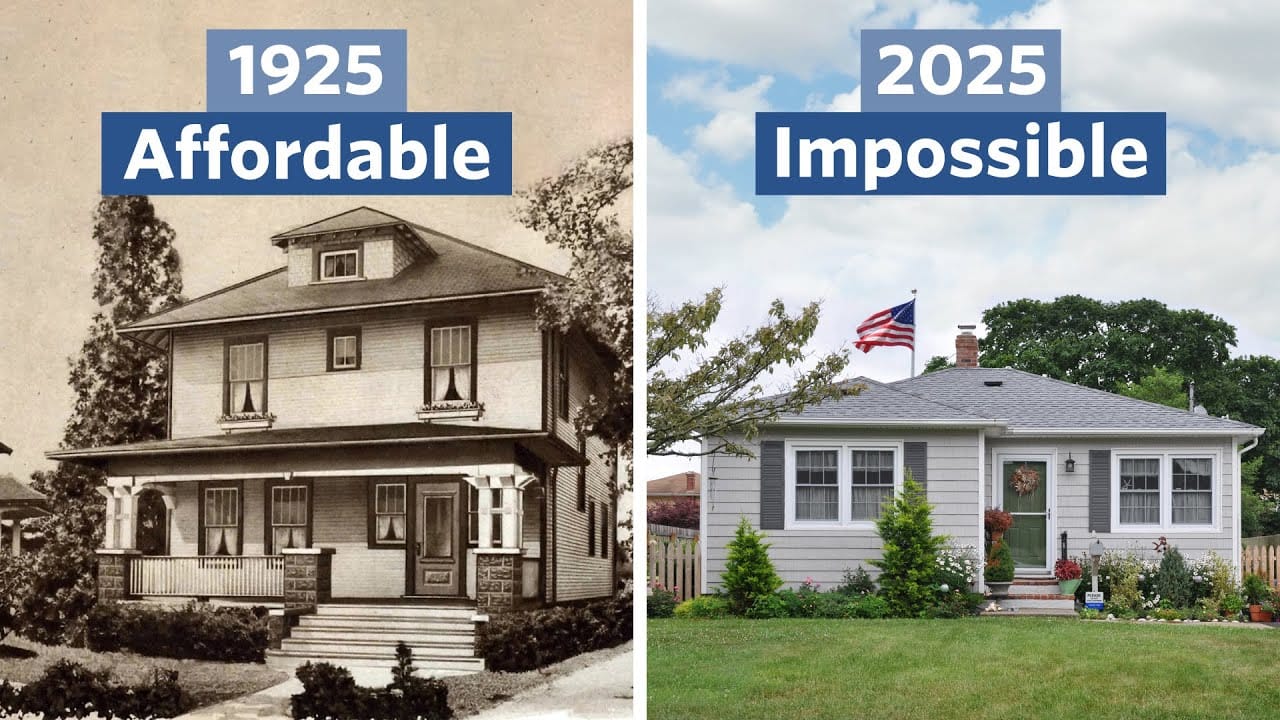
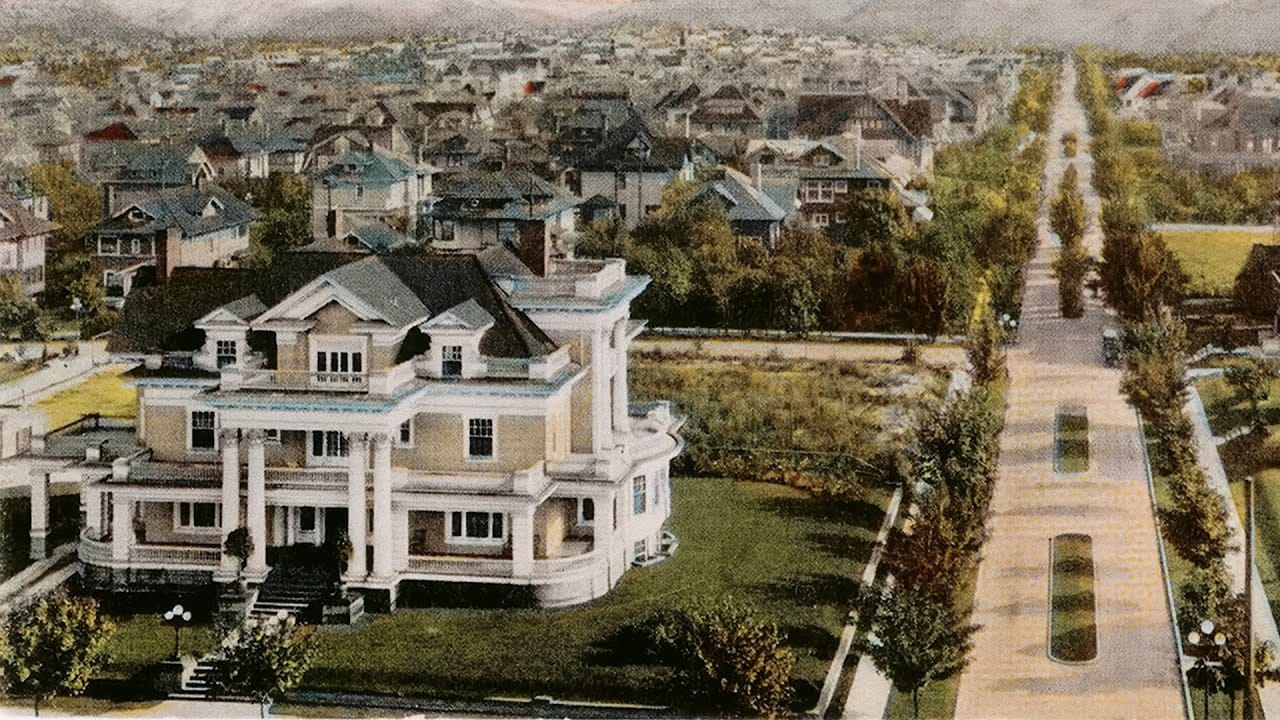
America’s housing crisis is a complex and persistent problem. There isn’t just one reason for the housing crisis, but rather many compounding policy, demographic, and technological reasons that have led to it. In this video, Dave Amos of City Beautiful documents how the country has slow walked into

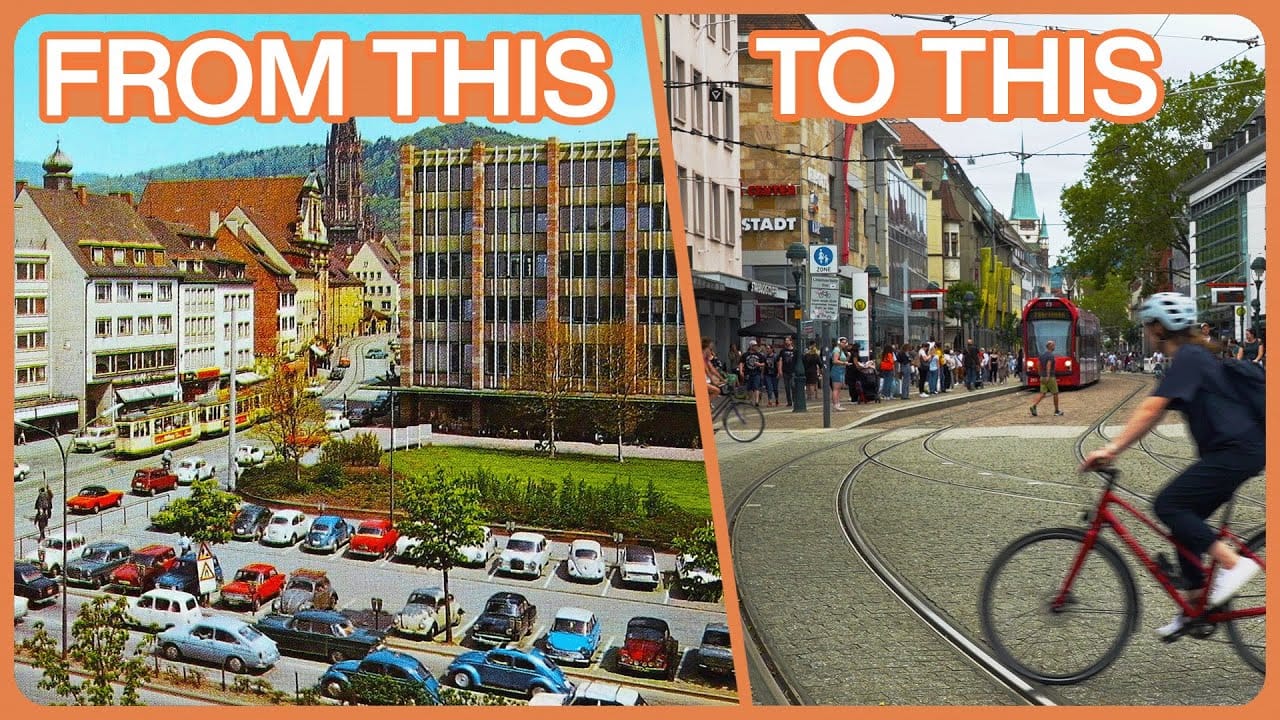
Sunday Video: Freiburg Is A Lesson In City Building

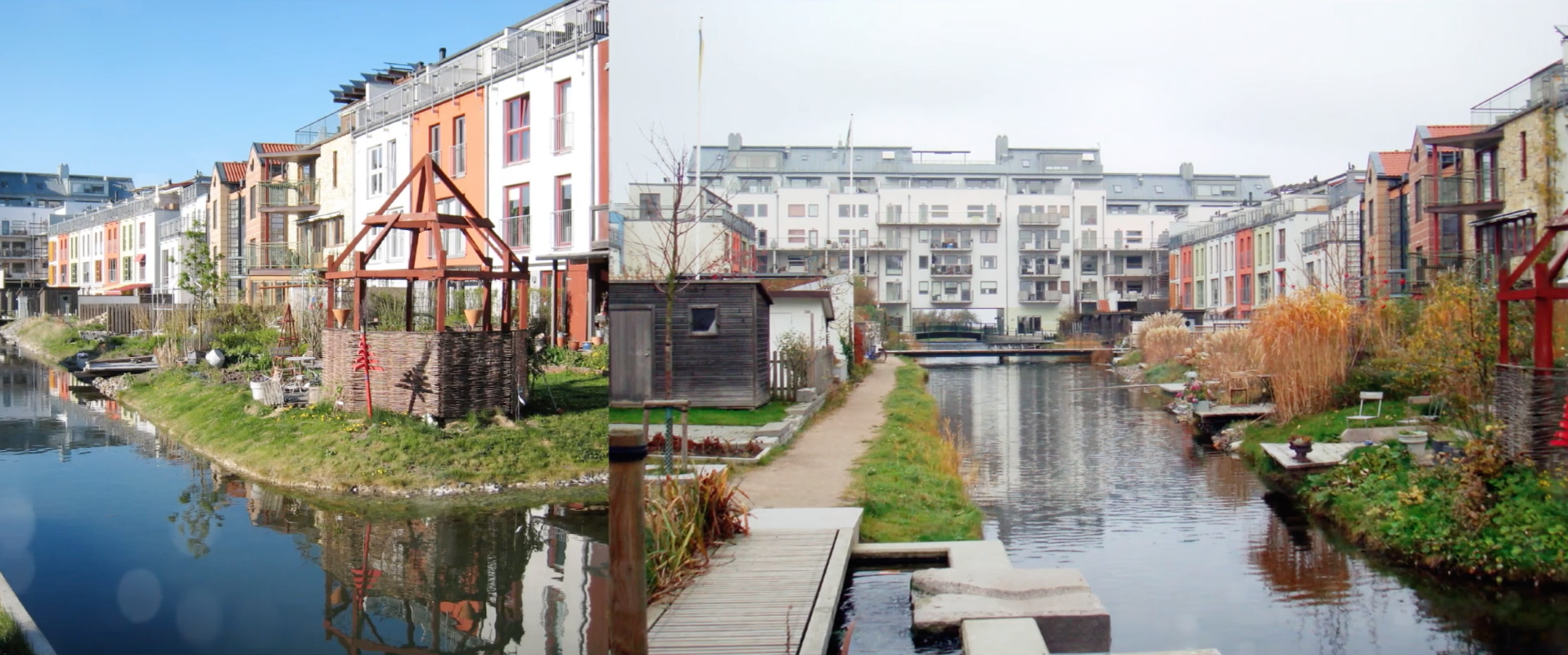
Freiburg im Breisgau is famous in planning spheres for its high rates of biking, walkable suburbs, and green ways of building. Mike Eliason has sung the praises here of the German Black Forest city for its Baugruppen housing approach and famed Vauban. Intriguingly too is that though Freiburg was originally

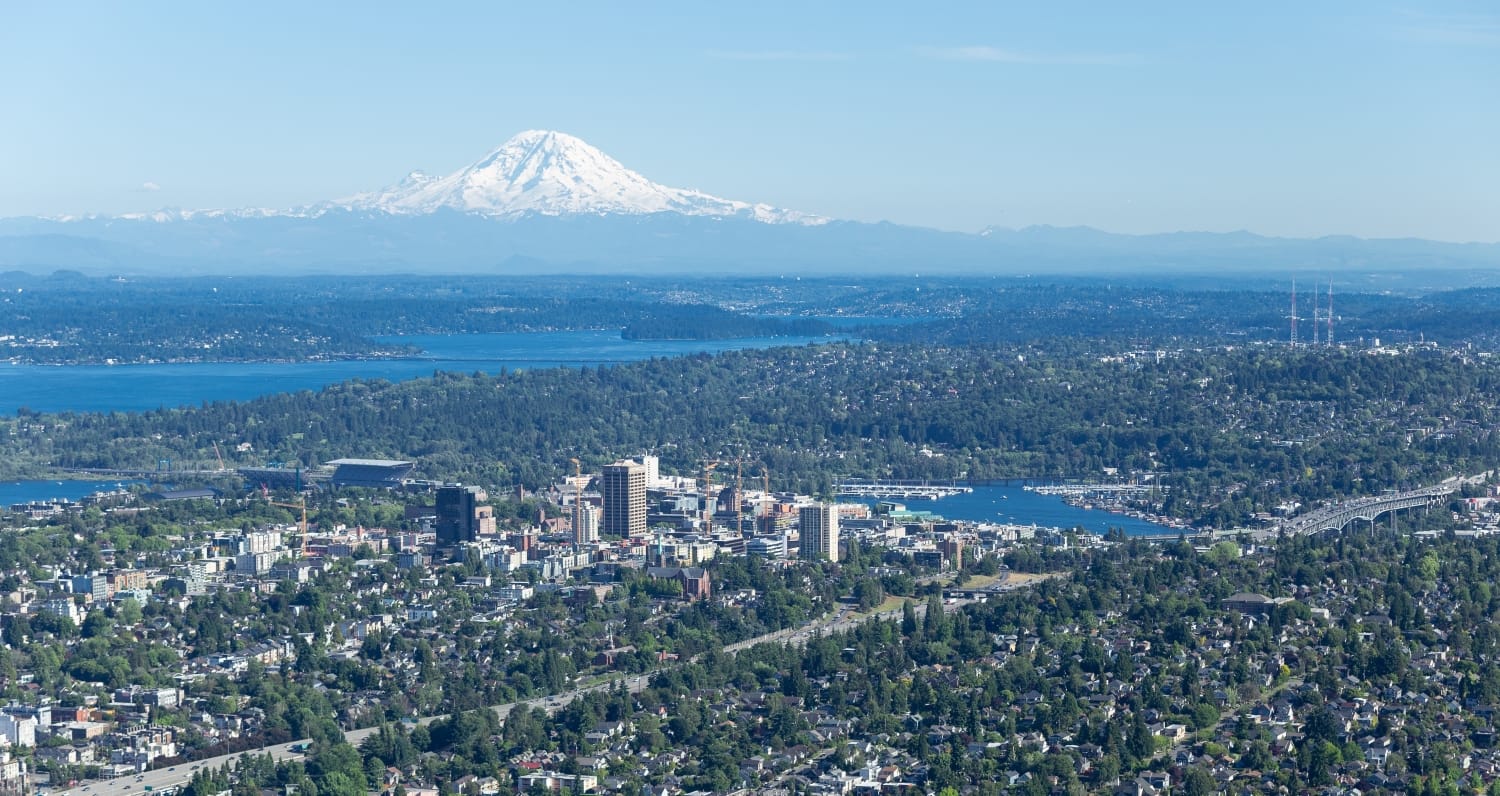
Sunday Video: Seattle’s Urban Drinking Water is Sacred

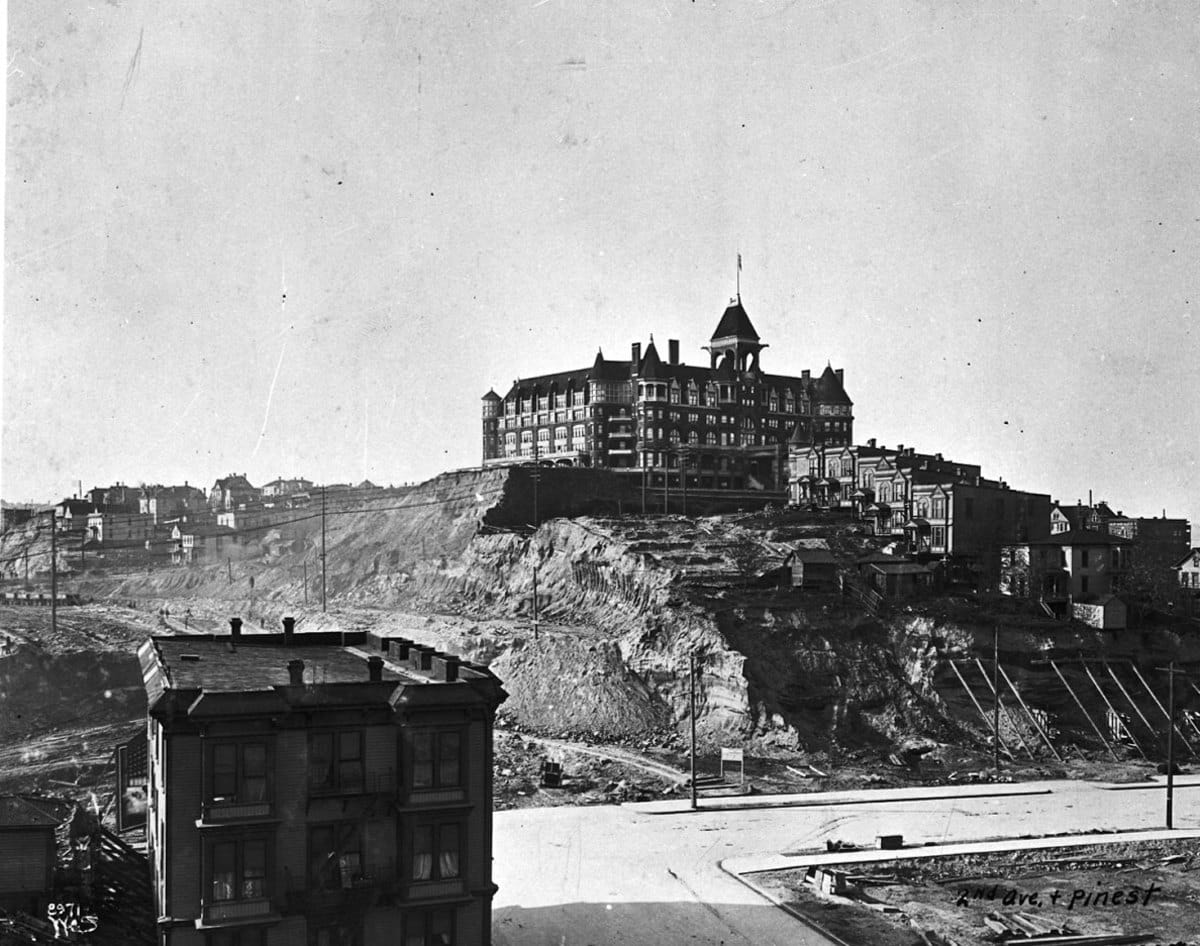
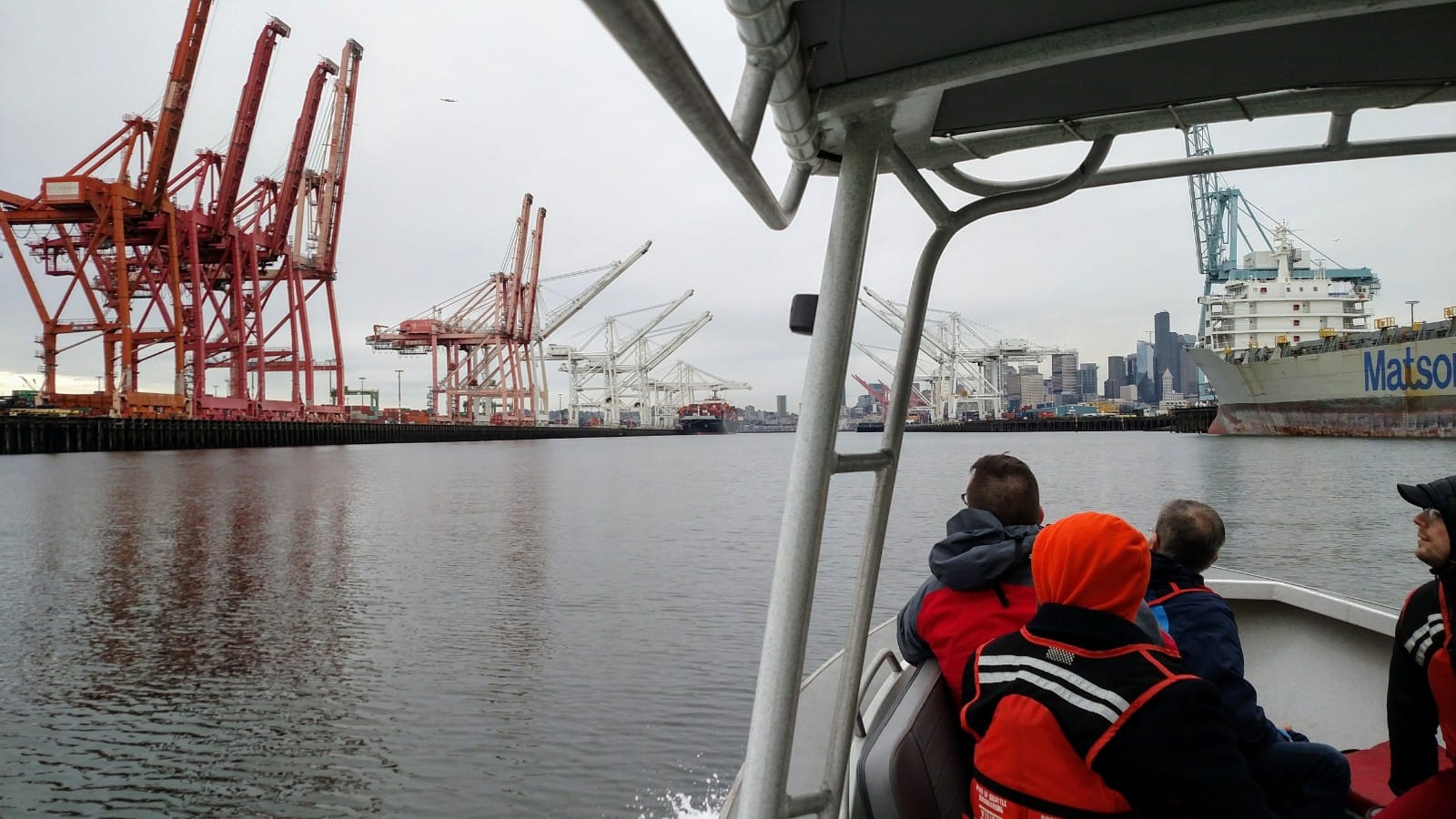
Do you know where Seattle, or your town, gets drinking water? Is it reliable and safe? Will we have enough water in the Puget Sound region as the population grows? What does today’s drinking water in the Seattle area, the Great Seattle Fire of 1889, Spring Street downtown, migrating

In Defense of Little or No Plans

American architect and urban designer Daniel Burnham’s famous “make no small plans” imperative is destroying your city and your life. You should get a bingo card when attending a city planning conference. Instead of numbers, the squares should have pop-planning phrases to be crossed off as you hear them

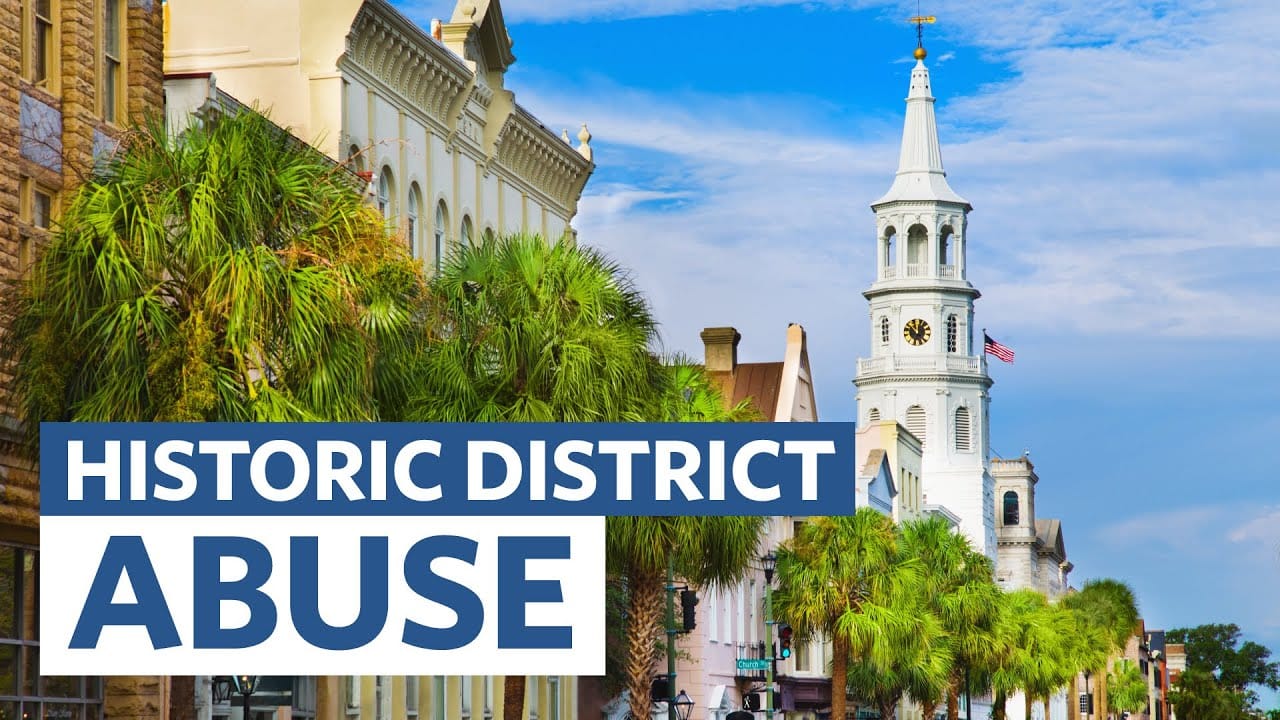
Sunday Video: Historic District Abuse

This week, Dave Amos over at City Beautiful does an excellent job discussing the history and pitfalls of historic districts. From their early application to preserve important landmarks to their recent use as another hurdle to prevent density, the video emphasizes the differences between saving historic buildings and backdoor rezoning

Sunday Video: How Big is Old Jerusalem?

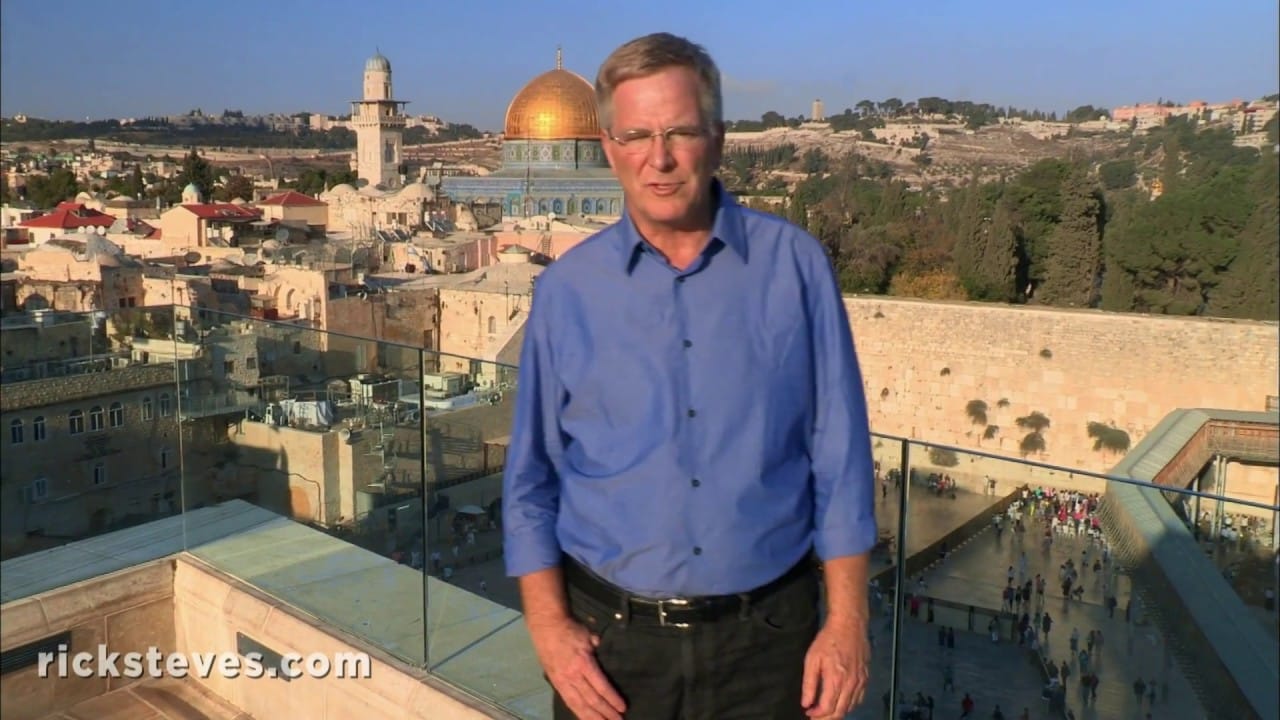
It’s one of the rare years that Ramadan, Passover, and Easter coincide, so it feels appropriate to take a look at the city where the three big faiths collide. Often, and unfortunately this year, somewhat literally. And who better to calmly and thoroughly guide us through the Old City

The Urbanist Podcast: Oops, All Clips

Thank you for contacting The Urbanist Podcast. It is Spring Break, so co-hosts Ray Dubicki and Natalie Argerious are out of the office this week. Please enjoy a couple of unaired clips and updates from earlier stores we covered. We assure you that tiki shirts are being worn.  https://www.

Sunday Video: Mel’s Hole

In 1997, a caller to Art Bell’s late night Coast to Coast AM shared the astounding story of a bottomless pit on his property near Ellensburg, Washington. After dropping trash into the hole without it filling, then a questionable amount of fishing line without hitting bottom, Mel Waters decided

Sunday Video: The Urban President… Woodrow Wilson?

Welcome to your February long weekend. It’s not the best of weather in Seattle, so we look askance at all you escaping to beaches in Mexico. Even you should still take a second to appreciate that the long weekend is brought about by the President’s Day federal holiday.

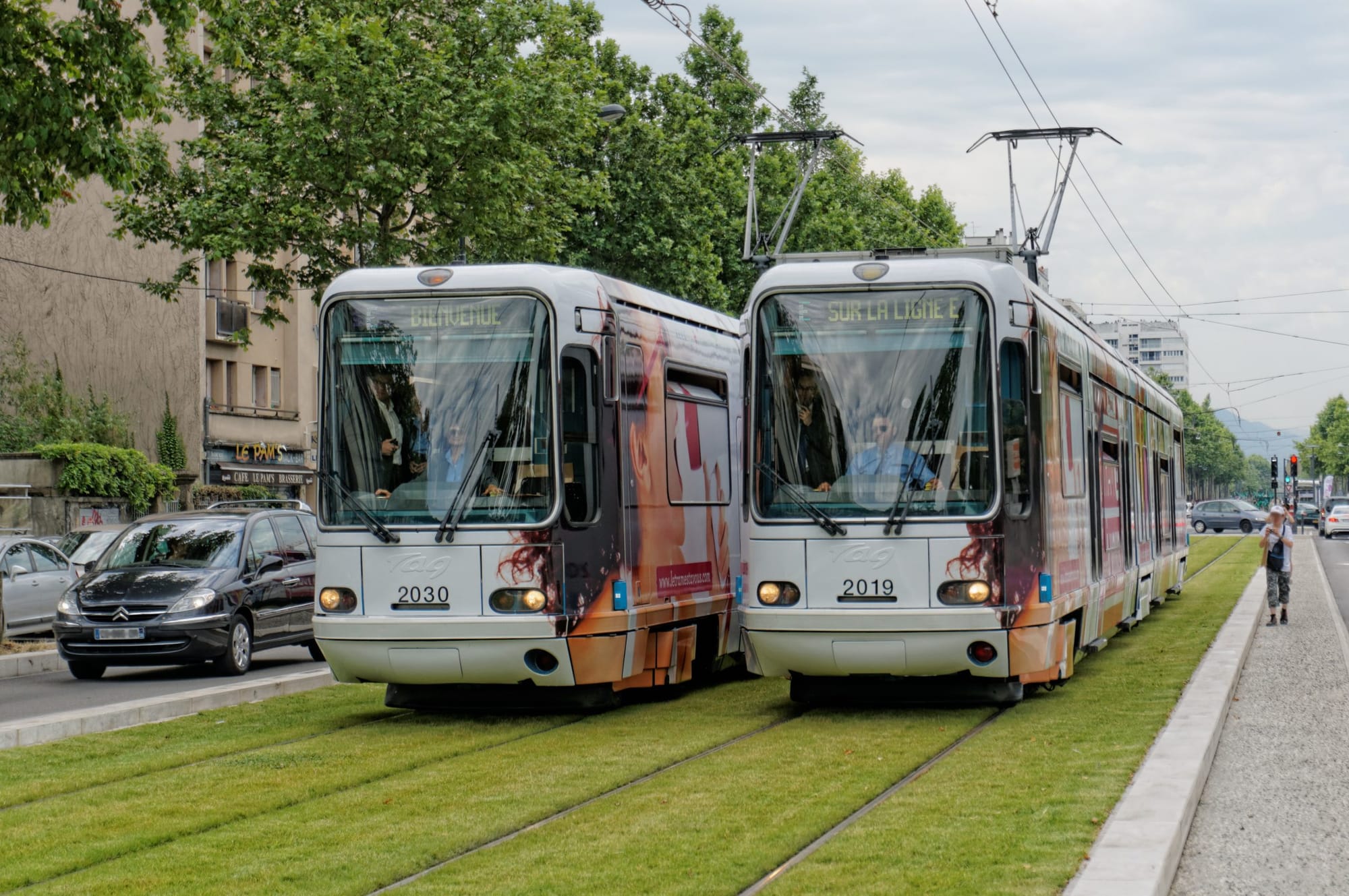
How Grenoble Resurrected Its Trams

The French Alpine town was offered a quirky alternative and turned it down. Even in the United States, there was a point in the early 20th Century where most American cities and small towns had trains, trolleys, and interurban rail, often better than what is available today. It is a

Nuance In My Backyard

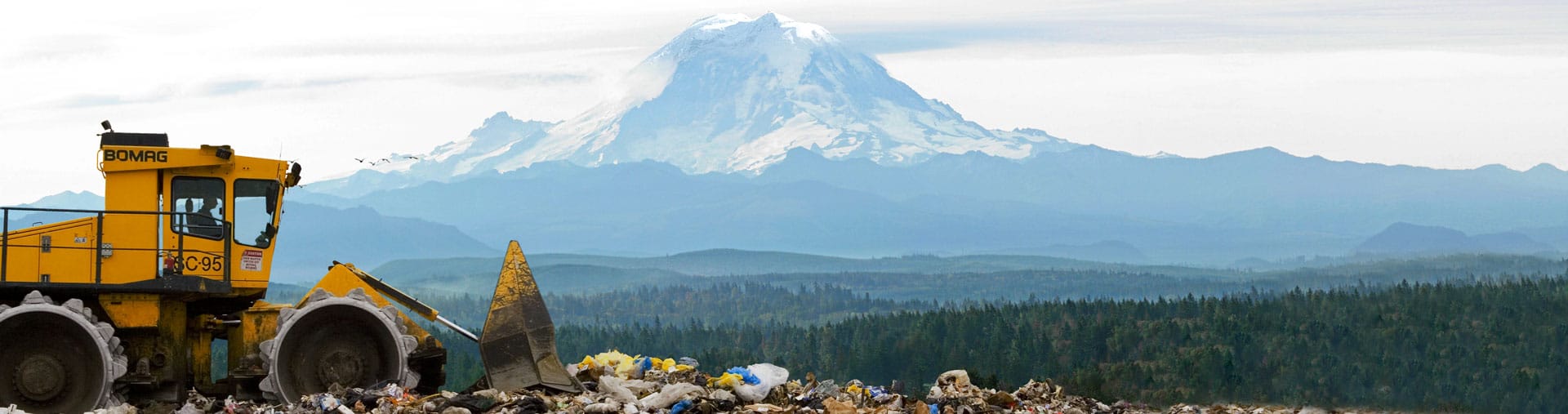
Nimbys, Yimbys, and How Toxic Waste Kicked Off Both Movements. For years, I’ve identified as a fervent Yimby advocate — an acronym which means “Yes, in my backyard.” It is often understood to mean not allowing slow bureaucracy and antagonistic old cranks to stop the construction of apartments and light

Sunday Video: Galway Bay

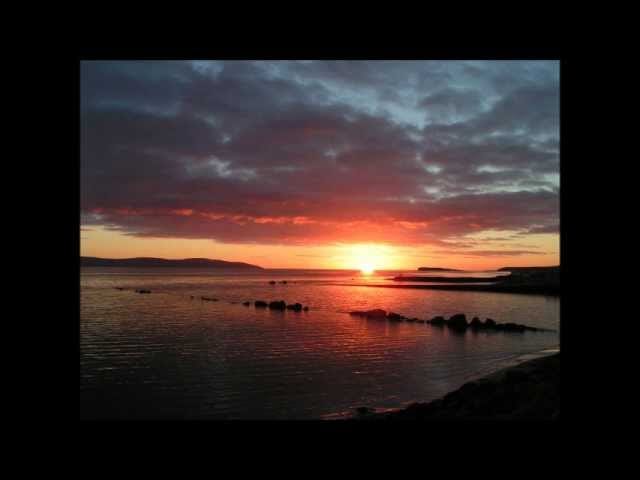
“And the bells are ringing out for Christmas Day.” For the quarter of humanity celebrating a holiday in this hemisphere of the globe pointed away from the sun, don’t forget your Vitamin D today. It is hopefully a good and welcome morning to you and yours. Fairytale of New
In Wallingford, Vision and Memory, Luck and Loss

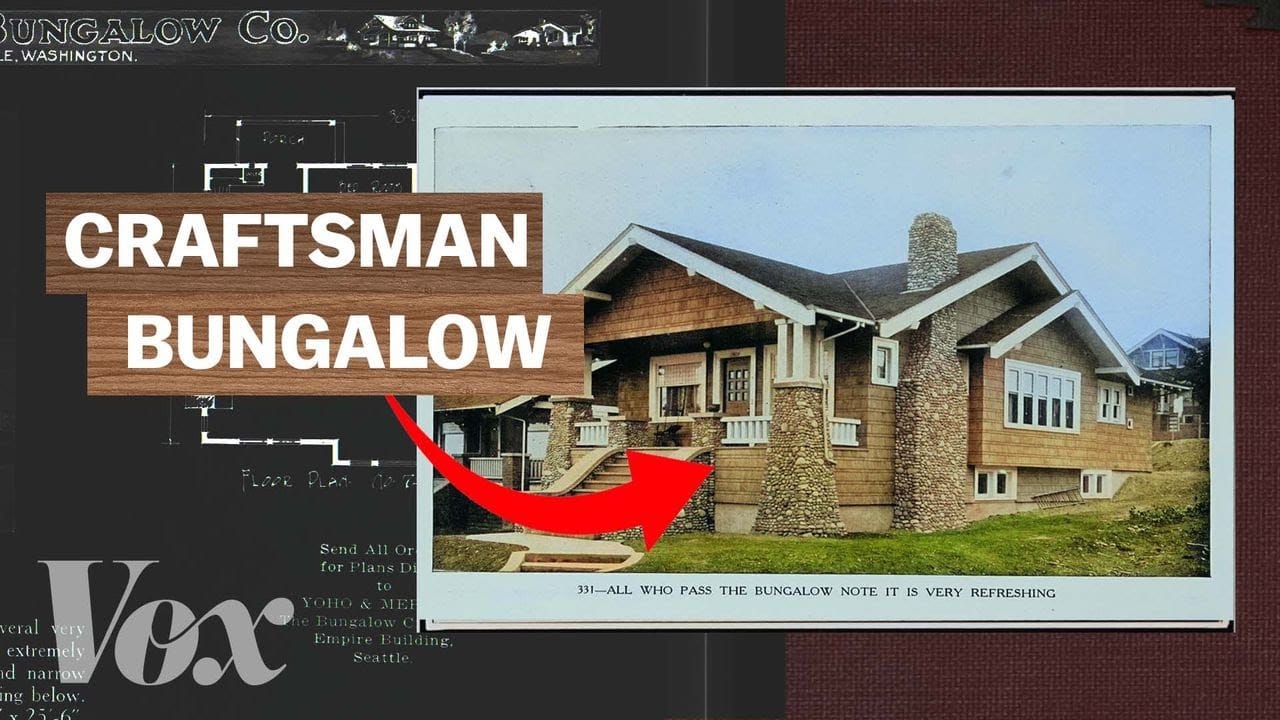
The “Visions of Wallingford” project poses a question: “How does a neighborhood learn?” It’s one that strikes me as both fascinating and important.  It’s important because in Seattle the city government has traditionally given geographically defined “neighborhoods” pride of place in city planning. The 1990s neighborhood planning process

How Old Is Seattle?

The short answer is 153, but the long answer is that we are too young to act this old. Seattle was founded in 1851 and incorporated as a city in 1869. So, 171 years or 153 years, depending on which you want to use. Either way, it’s longer than

Sunday Video: A City Split in Half

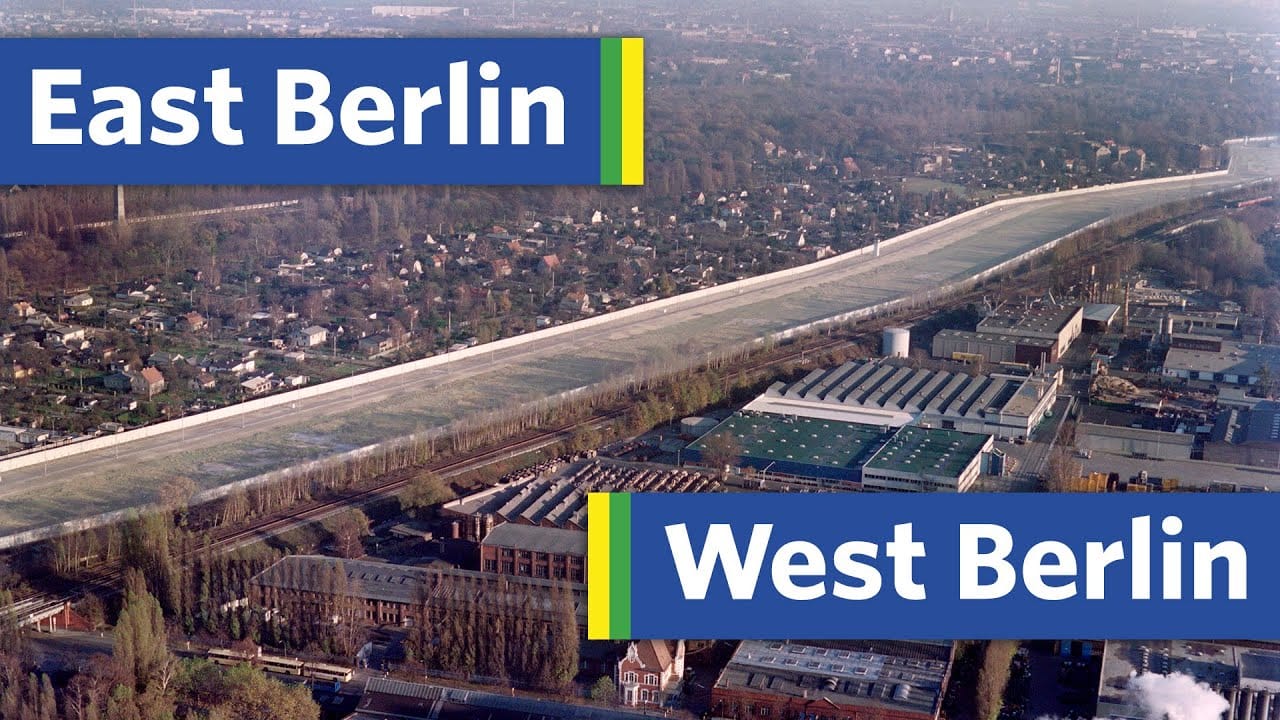
Berlin shows how arbitrary and definitive administrative boundaries can be through its divided history between West Germany and East Germany after World War II. Davos Amos explores what this functionally meant for the divided city in terms of planning and infrastructure.

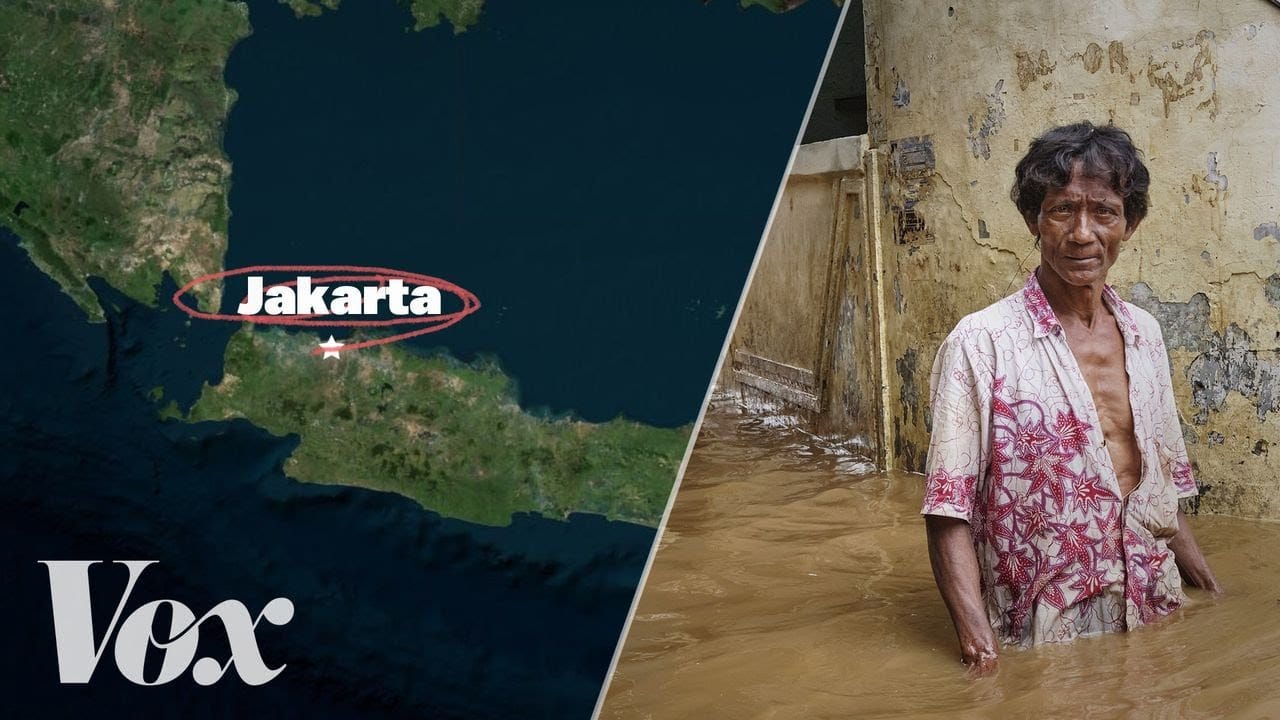
Sunday Video: Why Jakarta Is Sinking

The Indonesian city of Jakarta was colonized by the Dutch. Early on, the Dutch brought their canals and segregated the population, providing direct running water mainly to Dutch residents. Over the decades and centuries, the city evolved with piped running water being very limited. This has led to a serious

Your Friendly Neighborhood Industrial Use, Part 2

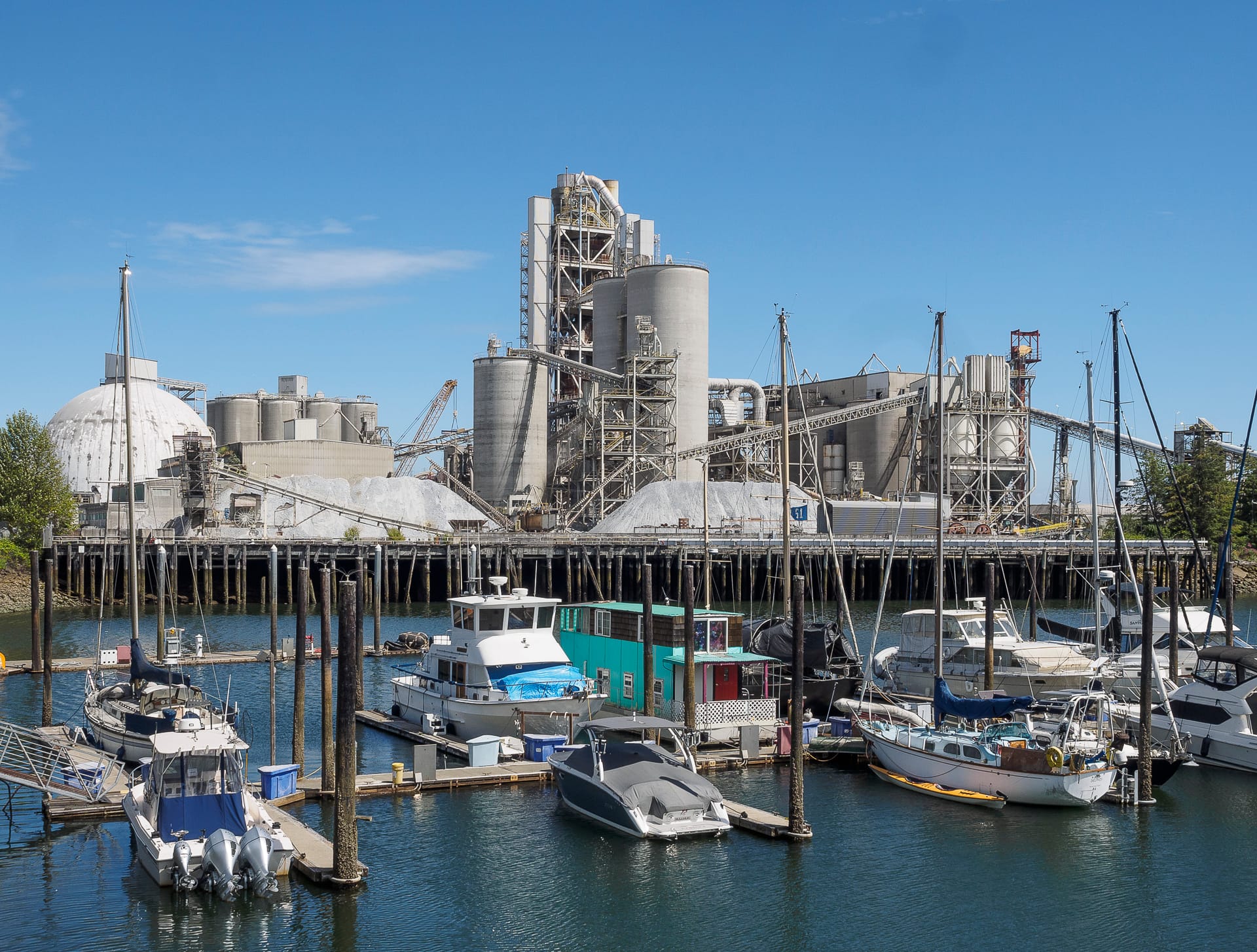
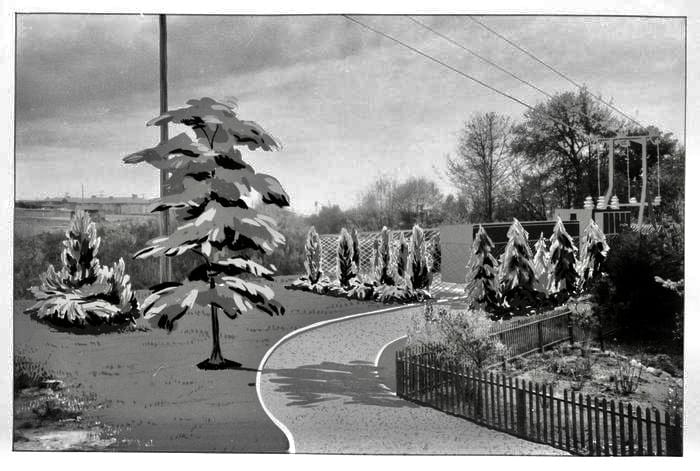
How did we get here? Over this series of articles, I am laying out an argument that Seattle should mix industrial uses in our residential and commercial neighborhoods. A long history of exclusion keeps interesting and useful things out of our communities, an absolute loss for building a vibrant and

North Seattle Land [Ab]Use Bike Ride Recap

Last September, I led a 30-person deep bike ride from Ballard to Wallingford for The Urbanist. Ages ranged from four to mid-70s, we had family bikers, cargo bikers, and my wife hauled a friend who couldn’t ride because they had recently been hit on their own bike. It was

Forward Thrust Part 2: The Art of Picking Sides

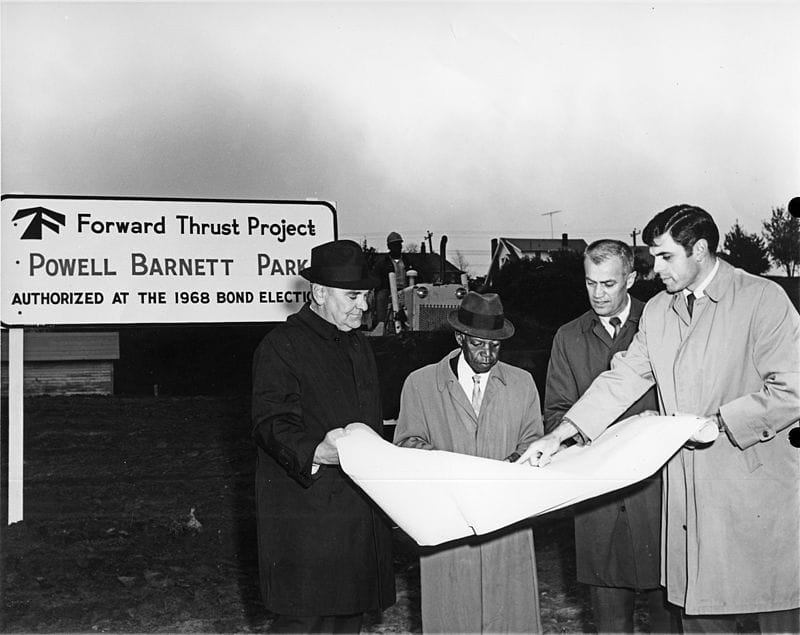
The Forward Thrust bond initiatives of 1968 and 1970 were a success because of their ambition. They were also failures because of their myopia. In this essay—the second installment of a four-part series I’m proud to have published here in The Urbanist—I want to take a look

Urbanist Tours: South Lake Union Boom Recap

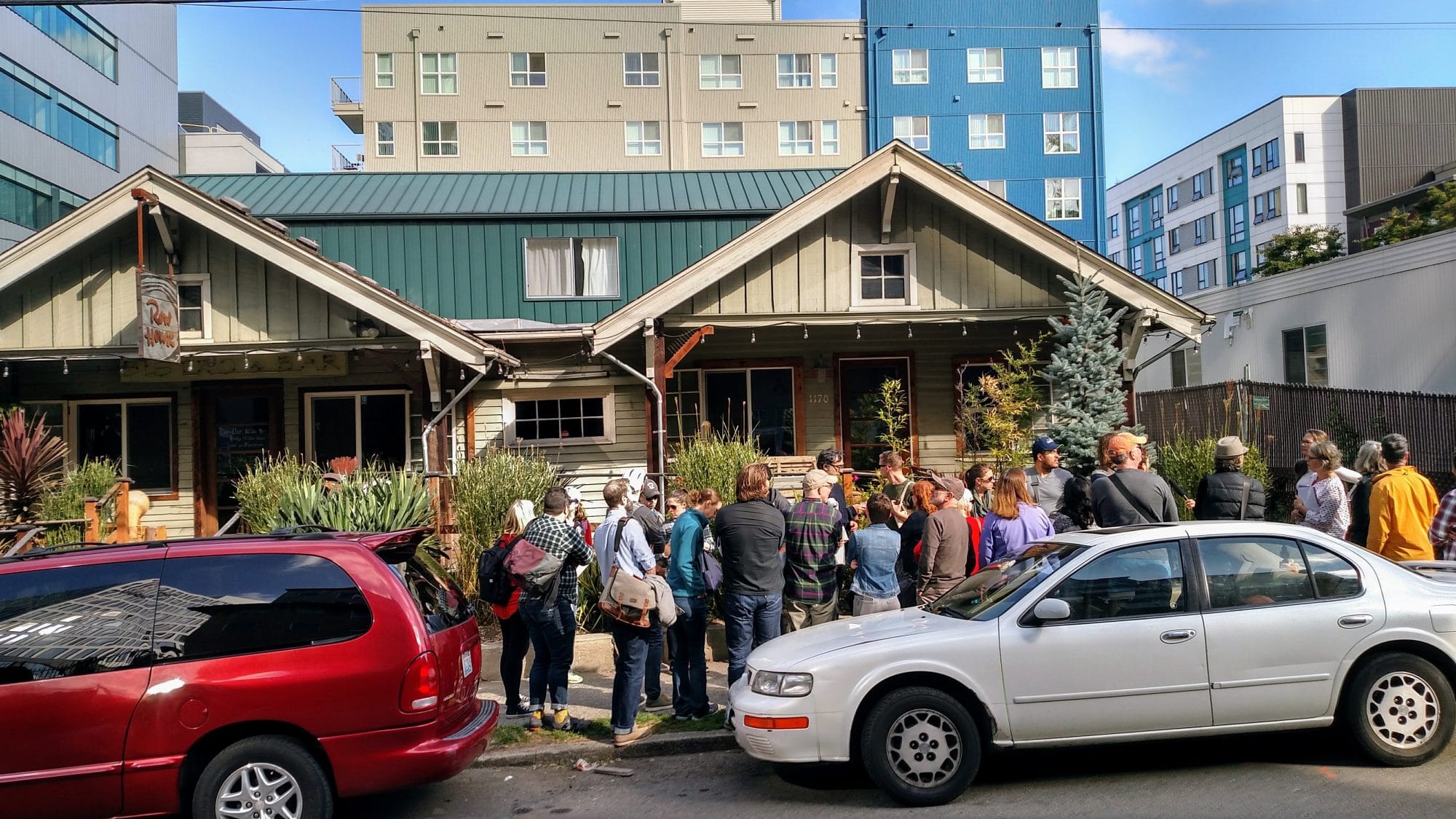
The Urbanist hosted a tour of the South Lake Union and Cascade on Saturday morning, offering a glimpse of these booming neighborhoods that most Seattleites rarely see up-close in their day-to-day lives. Many pass through in their commutes cursing the traffic, but how often do we take a leisurely stroll

Sunday Video: Pike Place Market, 1920s

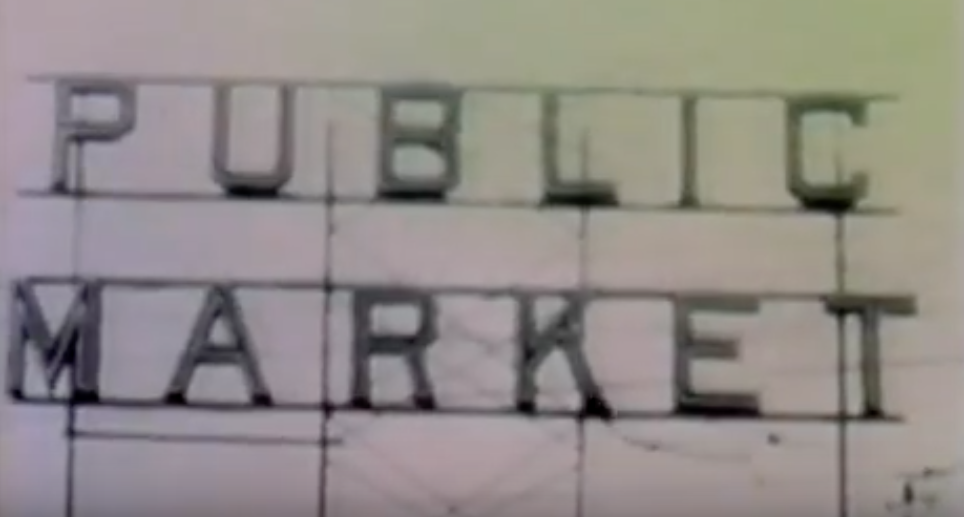
This month Pike Place Market turns 110 years old. This archival footage shows some rare shots of the market during its second decade, when the market’s buildings were owned and maintained by Arthur Goodwin, who took over after his uncle Frank Goodwin retired. Frank Goodwin oversaw the original building

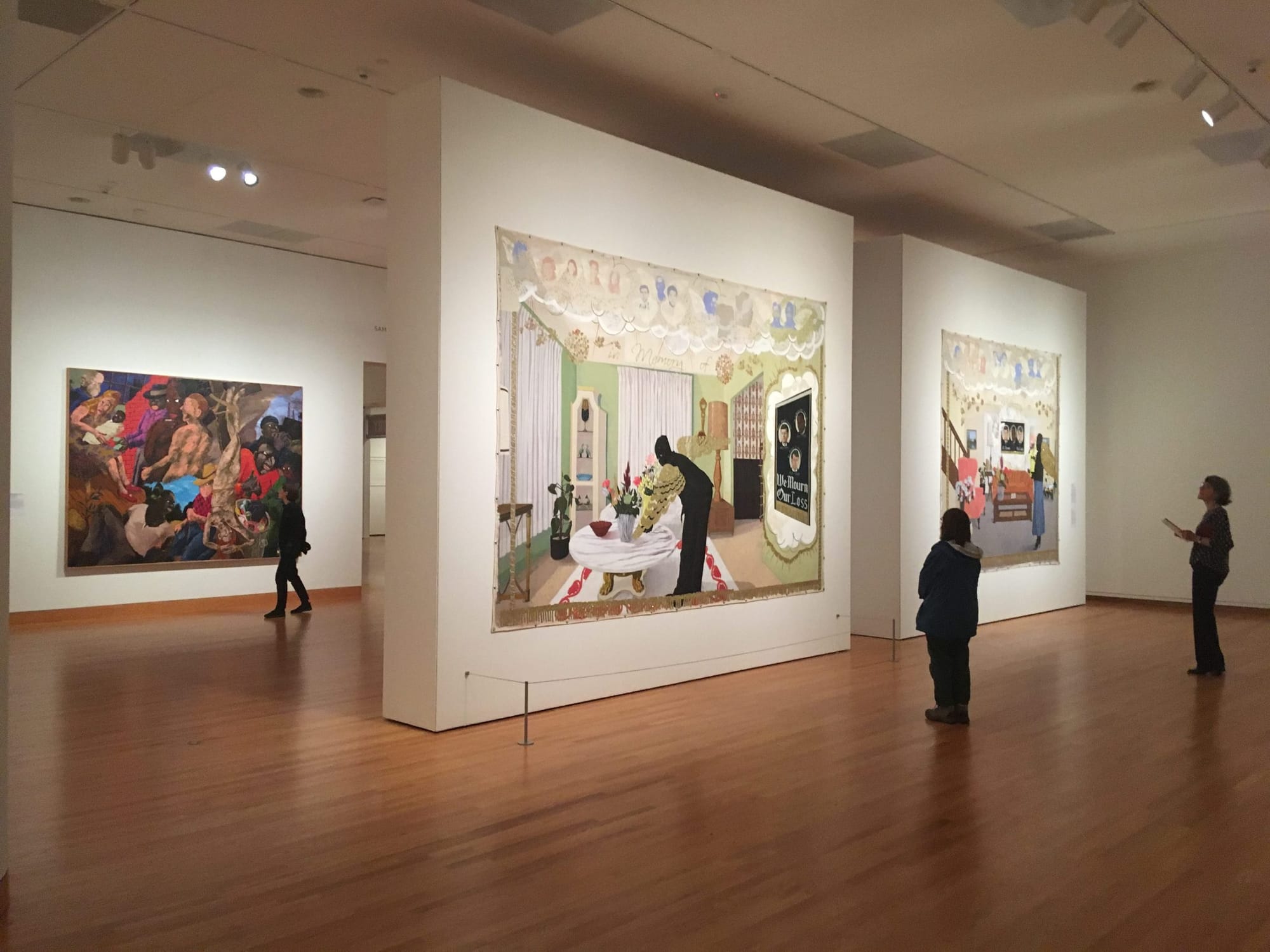
Liberty Bank Building Art Evokes Black History

Update: This story has been corrected to reflect that the City of Seattle does not require private developers to spend 1% of their budgets on art. The program applies to public projects, such as parks, libraries, community centers, and bridges; it stipulates 1% of eligible city capital improvement project funds

The Urbanist’s Greatest Hits Of 2016

Another year, another great list of articles from our writers at The Urbanist. Here are our top ten articles from 2016 based on readership. Each is worth a full read. Why You Should Vote No on Seattle Initiative 123 by Scott Bonjukian After two previous articles on the effort to

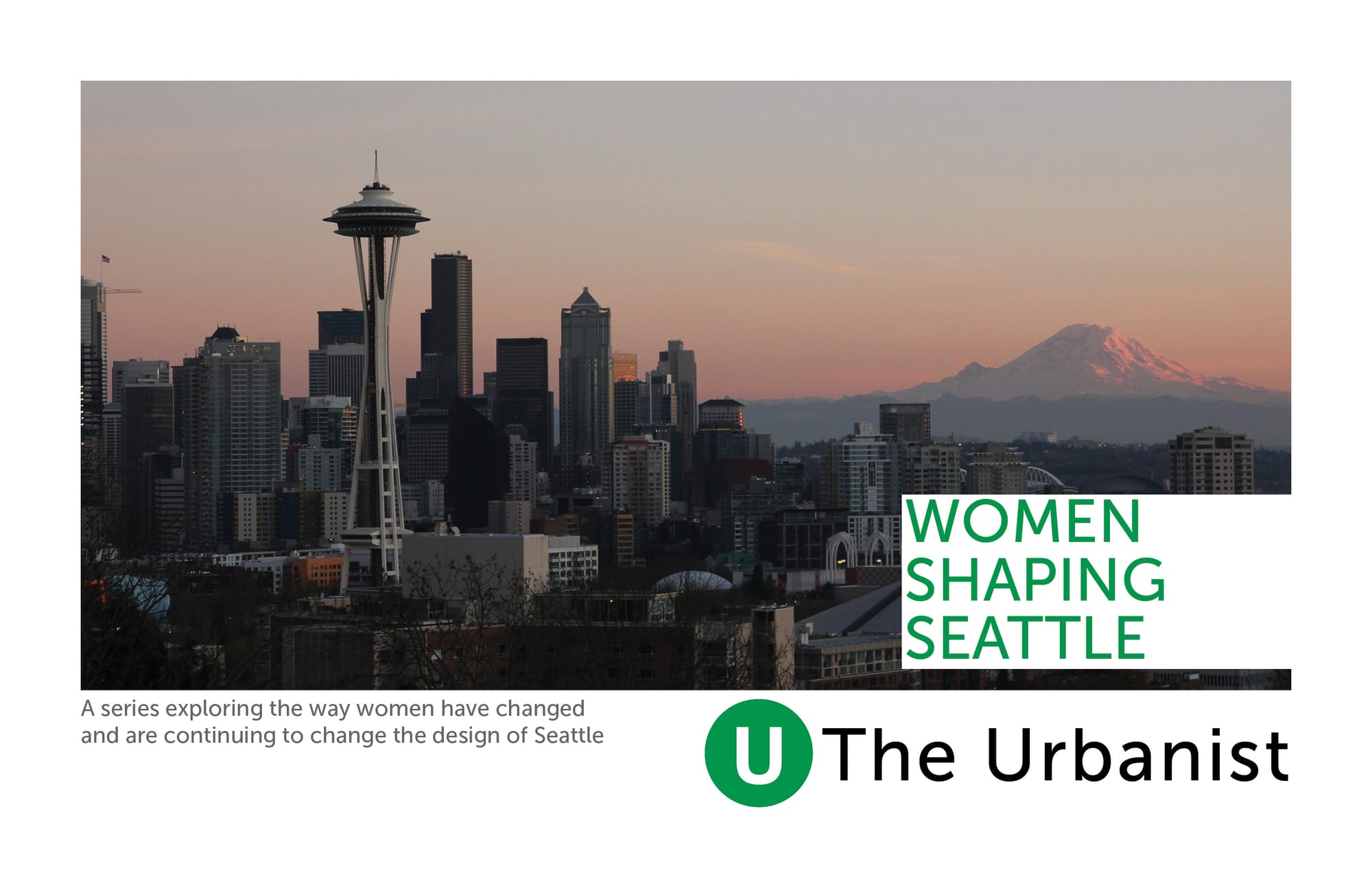
Women Shaping Seattle

This year’s Seattle Design Festival, opened on September 10th, with the theme of ‘Design Change’. Given that 2016 marks 100 years since the first woman, Elizabeth Ayer, commenced architecture studies in Seattle, we thought it opportune to share a series exploring how women have changed and are continuing to

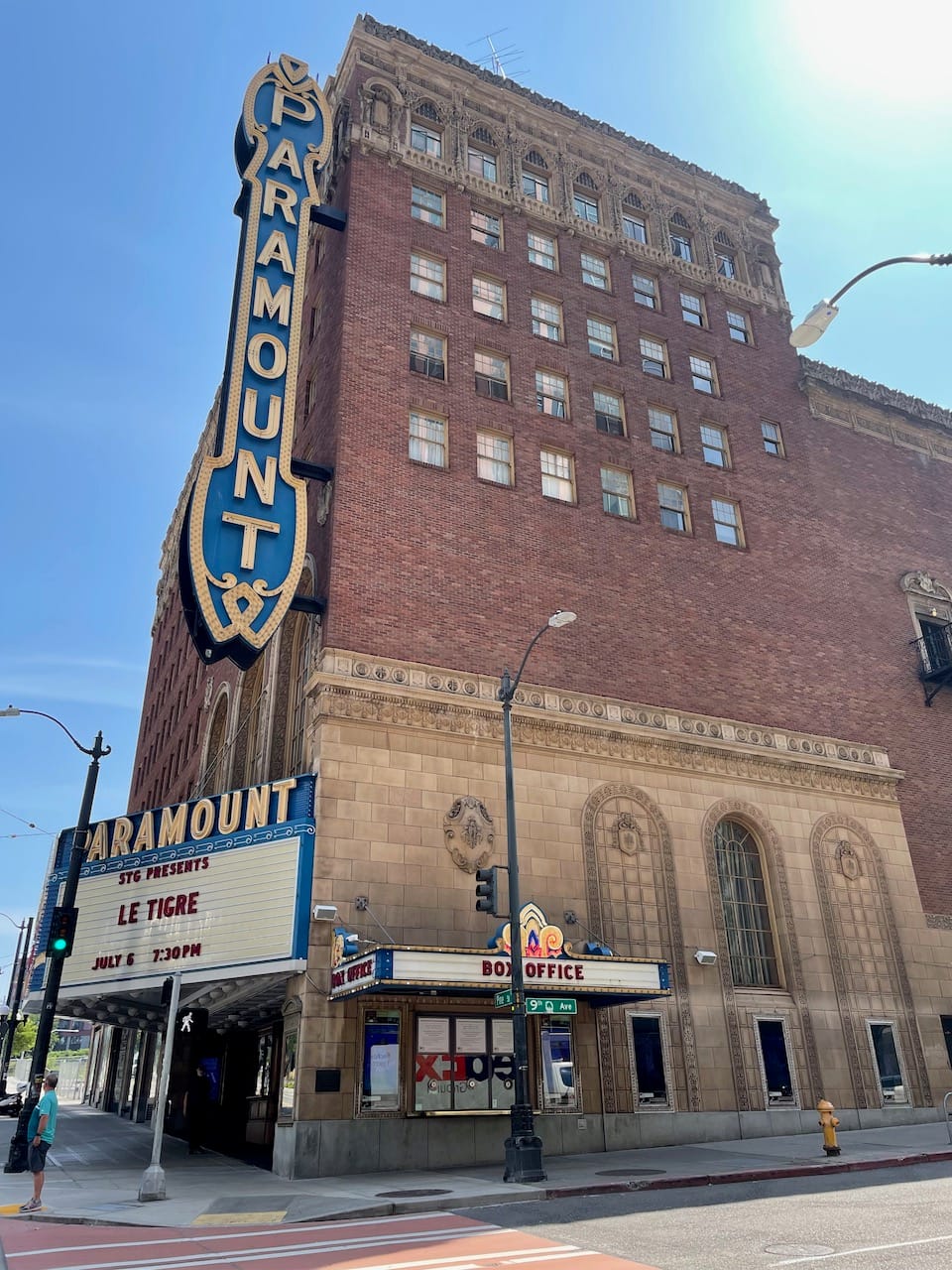
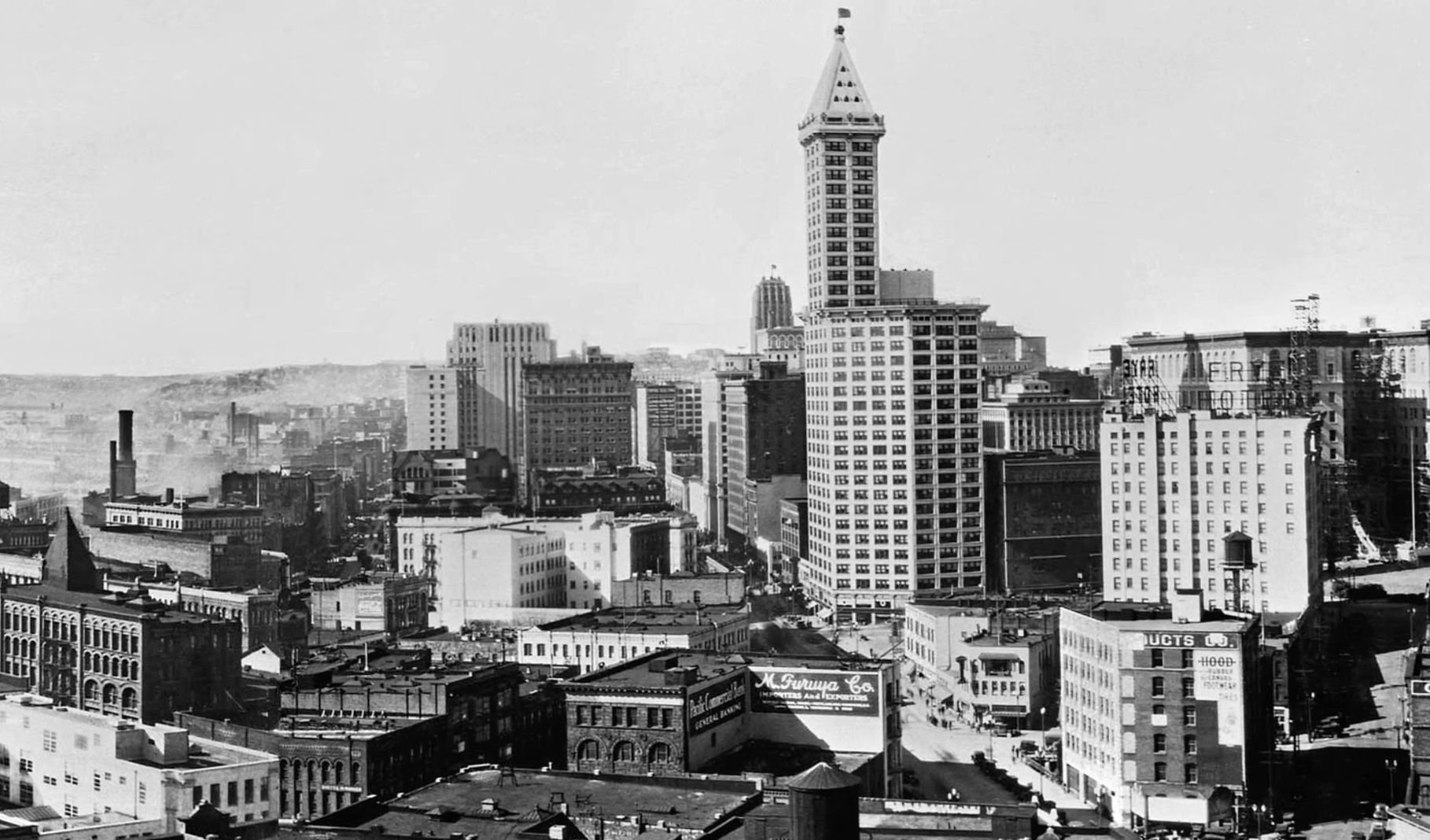
Sunday Video: History Of Seattle’s Smith Tower

Seattle’s Smith Tower was once the tallest building west of the Mississippi and among the tallest buildings in the world. Built after Seattle’s Great Fire, it is the oldest skyscraper in the city, and is a tribute to the innovations in engineering and technology of the time. Smith

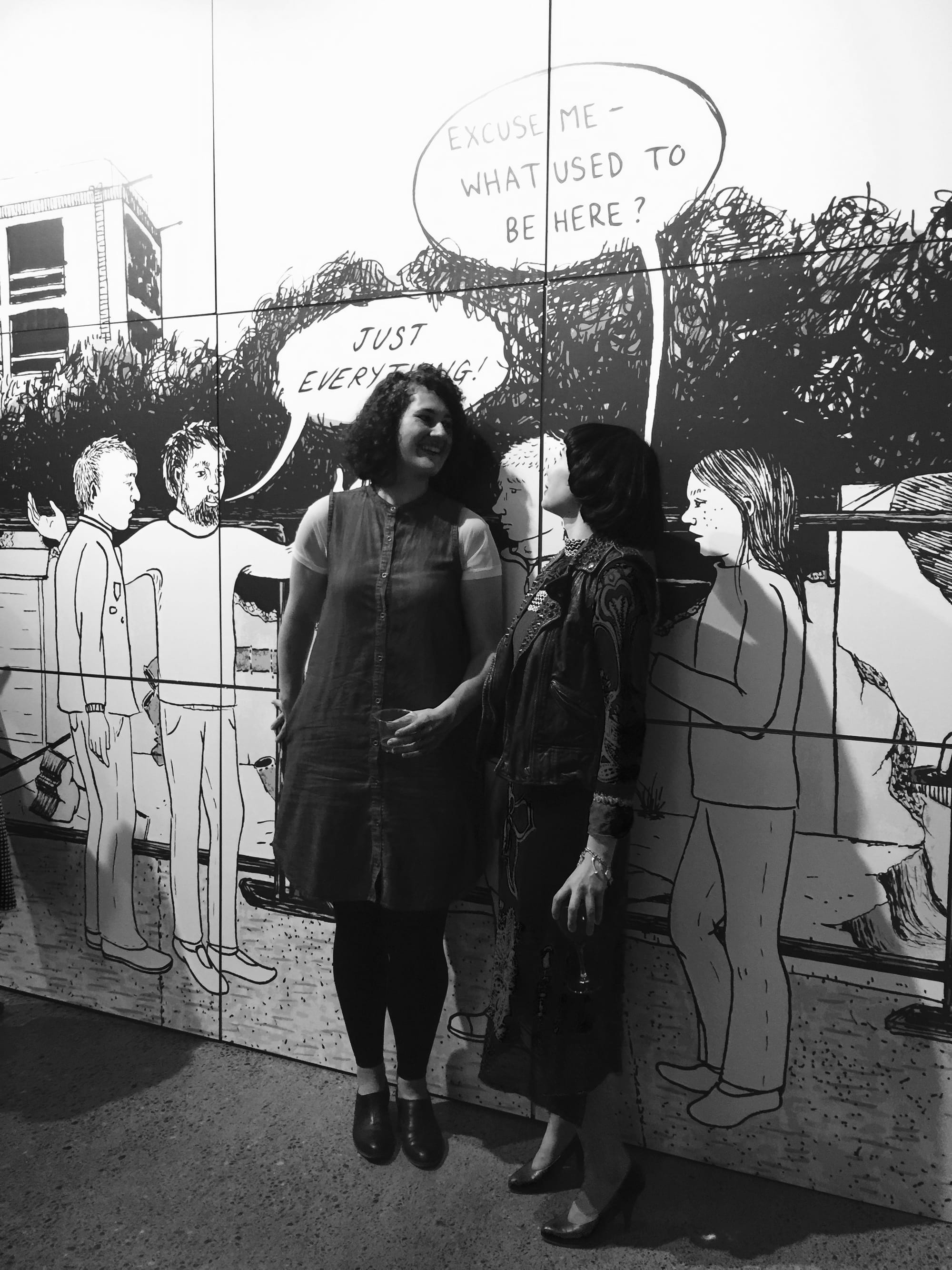
Art Exhibit “BOOM: Changing Seattle” Demands Answers

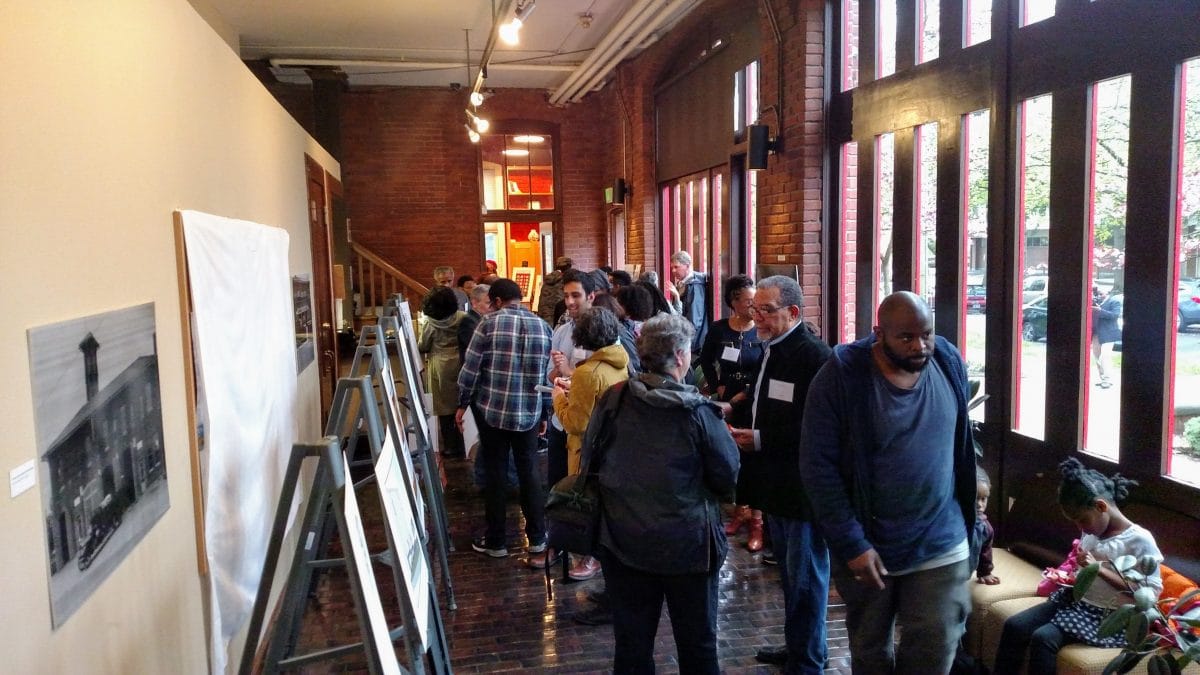
At the BOOM: Changing Seattle exhibition Seattleites interested in shaping Seattle’s future began by looking backward. Rapid change is nothing new to our city. The Urbanist checked in with three Seattleites involved in the must-see exhibit. Together, they have made connections that will appeal to a broad swath of

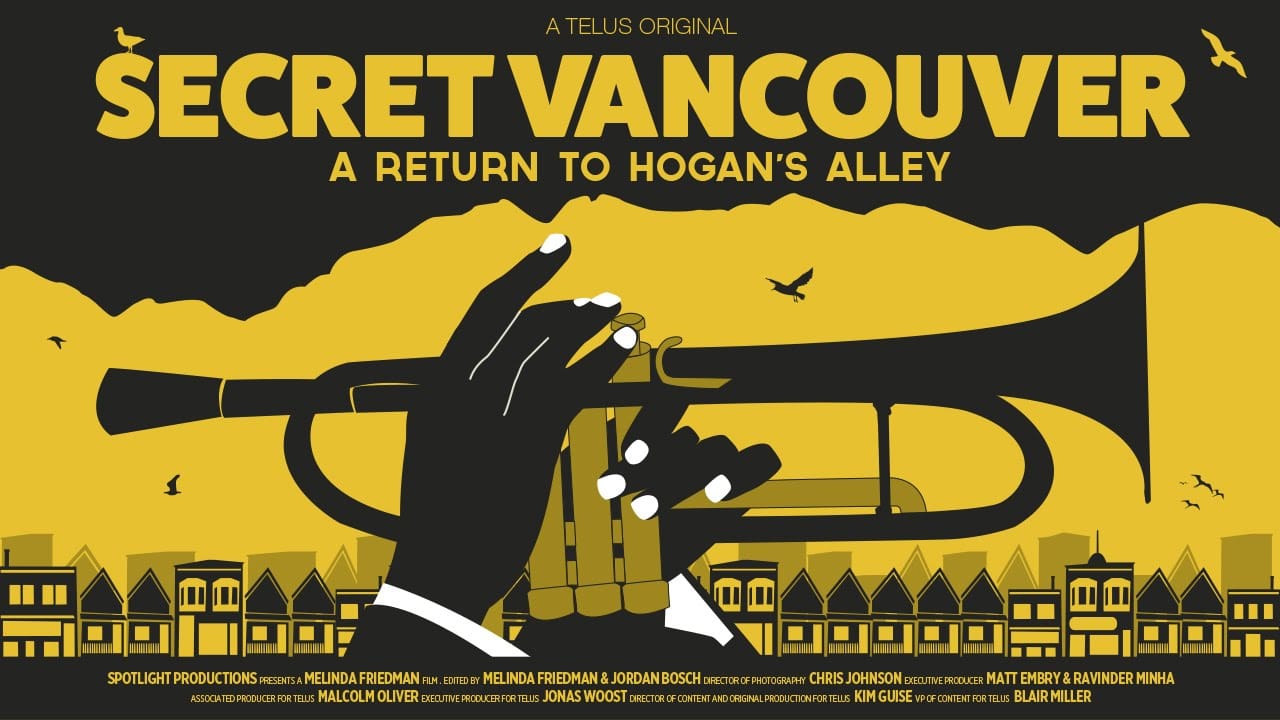
Sunday Video: Return To Hogan’s Alley

Vancouver, British Columbia is well known for its (almost) lack of highways in the center of its city. Vancouver is also well known for its progressive investments in transit (SkyTrain, bus rapid transit, and frequent bus service) and walking and biking facilities. What Vancouver isn’t known for is its

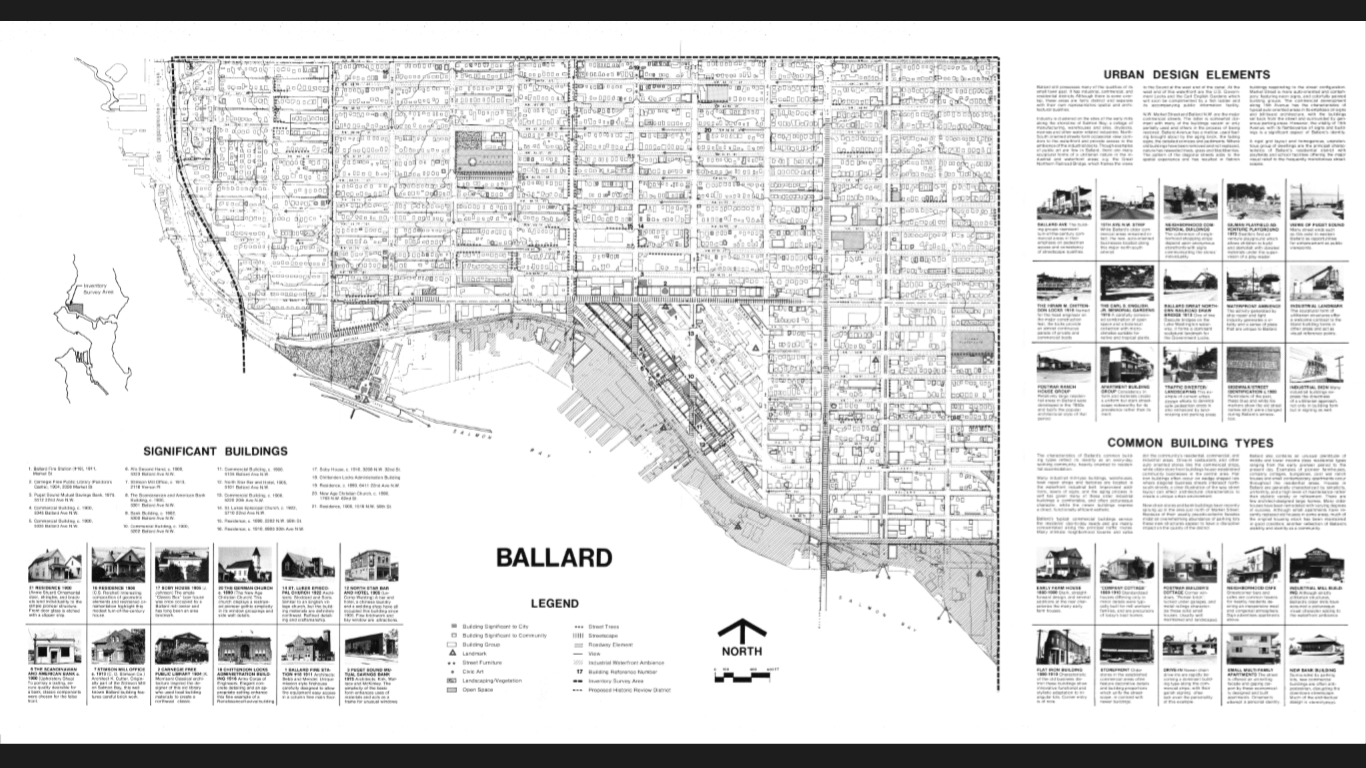
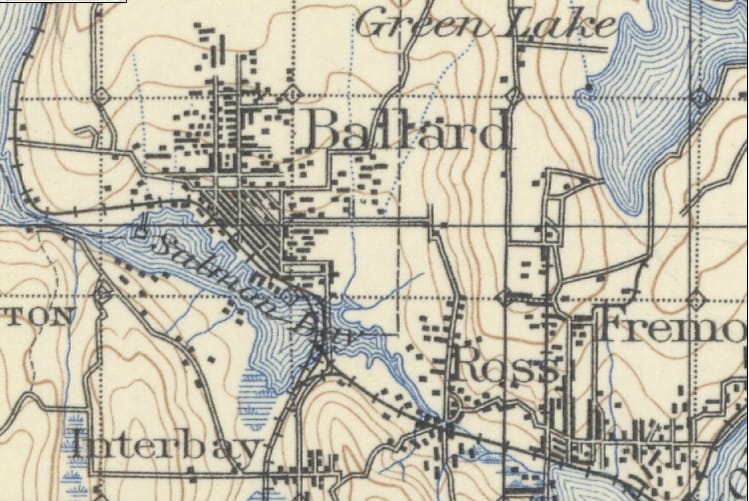
Mapping Historic Ballard Grand Reveal Today

It’s been a long haul since the November kick-off, but wait until you see what over a hundred volunteers mapped over 1,000+ hours and what it reveals. There’s an extraordinary amount of historic buildings in Greater Ballard. The maps created from all the data (7,300+ structures,

Where The Streetcar Ended: Greenwood Walking Tour

The recent gas explosion ripped a hole in Greenwood’s heart just as it was entering a new era of economic vibrancy. Greenwood’s many vacant storefronts had been filling up, reflecting a renewed appreciation for a business district built around the last in-city stop of the Interurban Streetcar. The

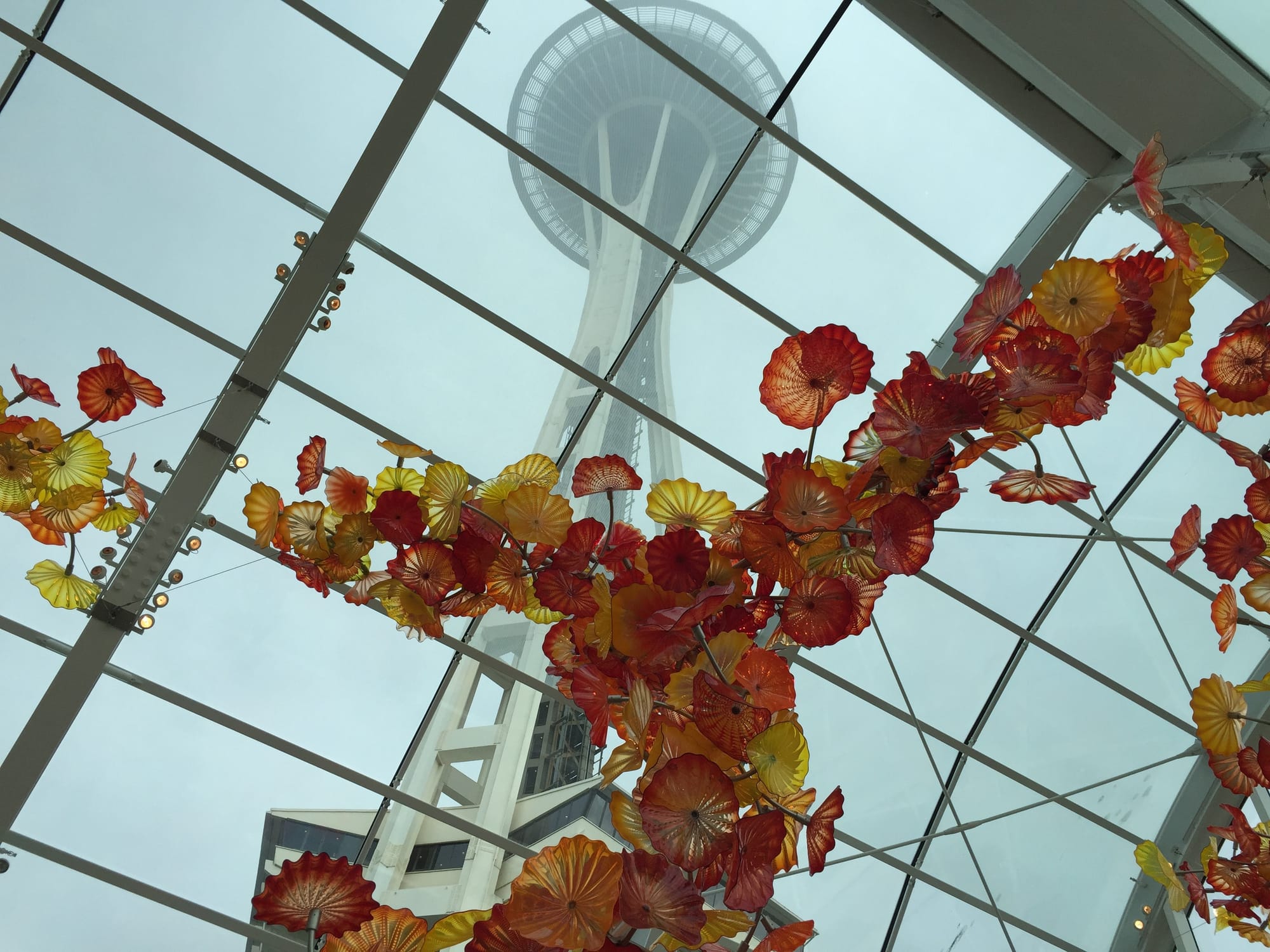
Sunday Video: Building The Space Needle

In April 1961, the construction on the Space Needle began and quickly came to completion in December of that year. Built for the 1962 World’s Fair, the 605-foot tower remained and has become an iconic symbol of Seattle. This classic short chronicles how the Space Needle came to be.

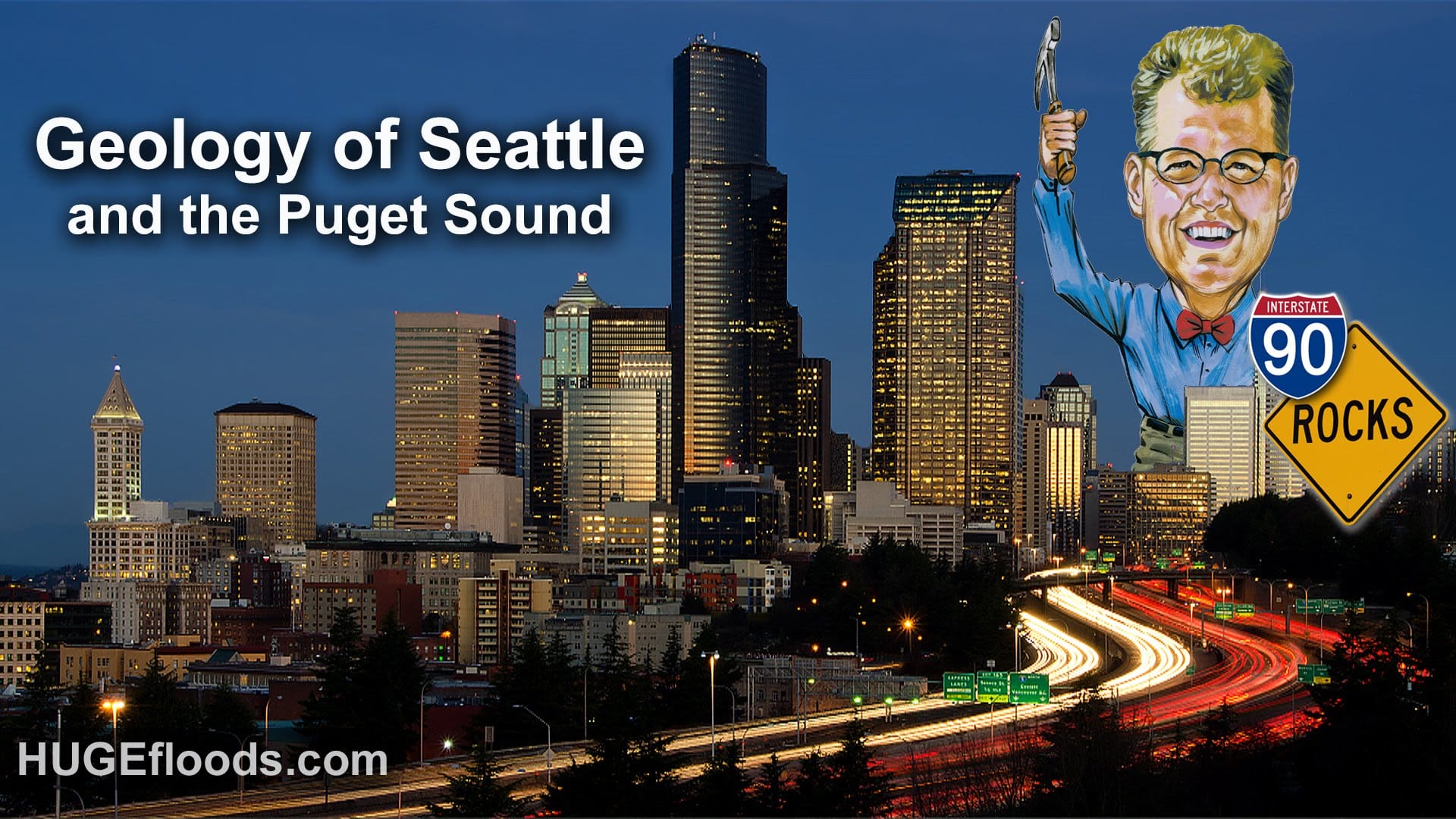
Sunday Video: Northwest Geology

How did the unique landscape of the Puget Sound region come to be? Nick Zentner of Central Washington University has the answers in this short video, which uses graphics and on-site narration to explore the grinding cycles of rock and ice that have shaped the western lowlands of Washington state

Sunday Video: Life Between Buildings

Tobias Lau, of Social Action, described how prior to learning about the innovative research about social life and experiences in cities led by Danish architect Jan Gehl, he had considered city development as “something that happened in front of me. Not something I could take part in.” As Lau gained

Sunday Video: Shipwrecks of Lake Union

The Center for Wooden Boats (CWB) shares a piece of Lake Union’s hidden history. Long a place of maritime industry, and now home to new industries and uses, the lake once served as a place for shipwrecking. The CWB takes a look at what local archaeological research has turned up in recent years.