đź“° Support nonprofit journalism

MHA DEIS

Urban Village Boundary Contractions? No Thanks.

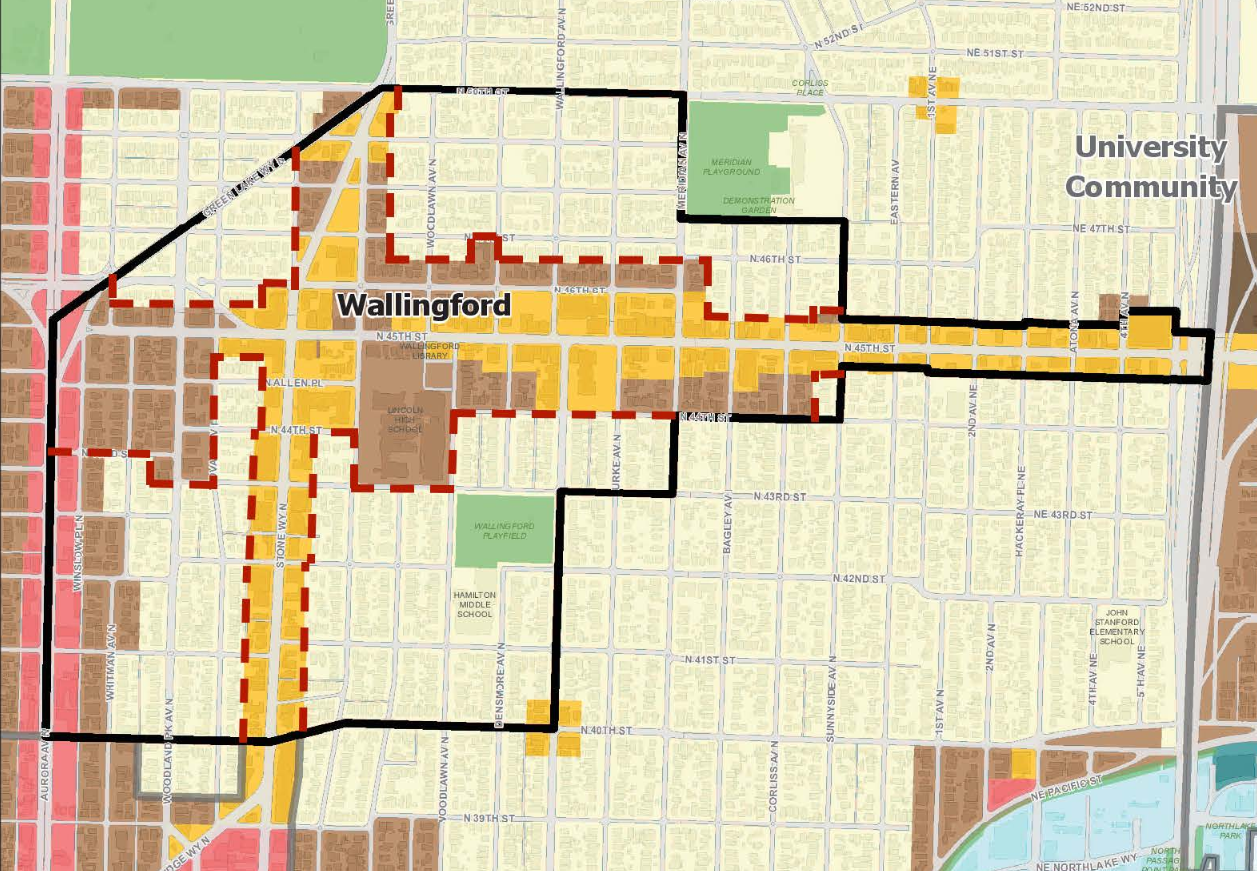
In my Sightline piece from May, I described how homeowners in Wallingford have worked for decades to block housing via downzones, increasing development burdens, and dominating the inequitable and anti-tenant neighborhood planning process. Just last year, the Wallingford Community Council (WCC) proposed a comprehensive plan amendment that would have removed

Homeowner Group Coalition Sues to Block MHA Rezone

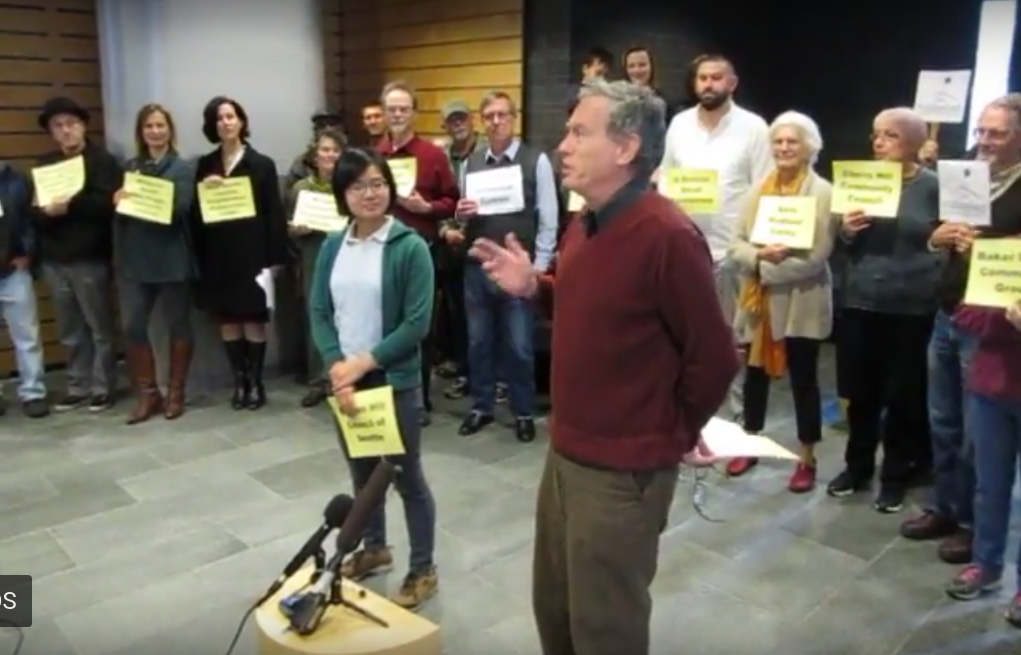
A coalition of 24 neighborhood groups announced an appeal of the City of Seattle’s Mandatory Housing Affordability (MHA) rezone plan. The alliance calls itself the Seattle Coalition for Affordability, Livability, and Equity (SCALE) and threw a litany of complaints at the proposal, claiming the status quo would be better

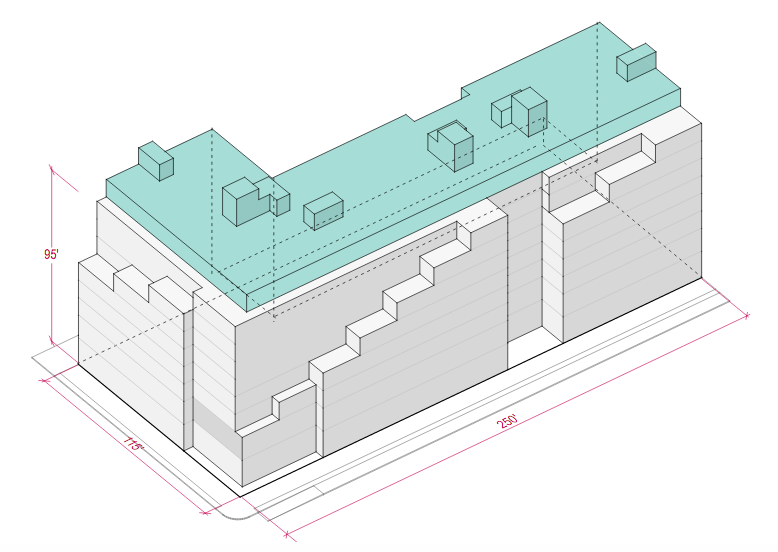
MHA Preferred Alternative Shies Away From Highrise

The Office of Planning and Community Development (OPCD) released its preferred alternative for the Mandatory Housing Affordability (MHA) zoning changes earlier this month. Much was made of difference between Draft Alternative 2 and Alternative 3–which had a displacement analysis–but, for the most part, the preferred alternative sticks to

MHA DEIS Comments Are Due Monday

Public comment closes Monday, August 7th, for the City of Seattle’s Mandatory Housing Affordability (MHA) program Draft Environmental Impact Statement (DEIS). Please submit your comments by Monday to have your voice heard. Here is the website. The Urbanist covered the DEIS and its three studied alternatives when they were

Four Exciting Urbanist Data Points From Seattle’s MHA Study

The City released a large study about implementing Mandatory Housing Affordability (MHA) in all of the city’s urban villages, some urban centers, and many other commercial and multi-family residential areas outside of them. The study provides three alternatives, one of which is no change (legally required under the Environmental

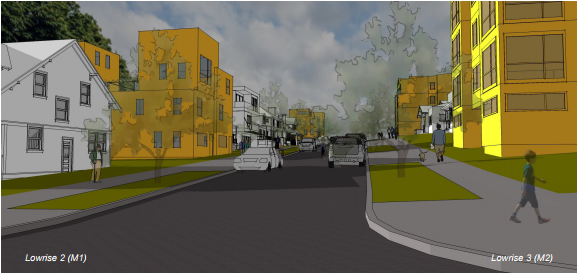
Draft Environmental Impact Statement Shows Big Possibilities for MHA Rezones

The Seattle Office of Planning and Community Development (OPCD) released the Draft Environmental Impact Statement (EIS) for the zoning changes its proposing in urban villages as well as commercial and multi-family residential areas outside of them across Seattle and which would implement the Mandatory Housing Affordability (MHA) program. Moving ahead