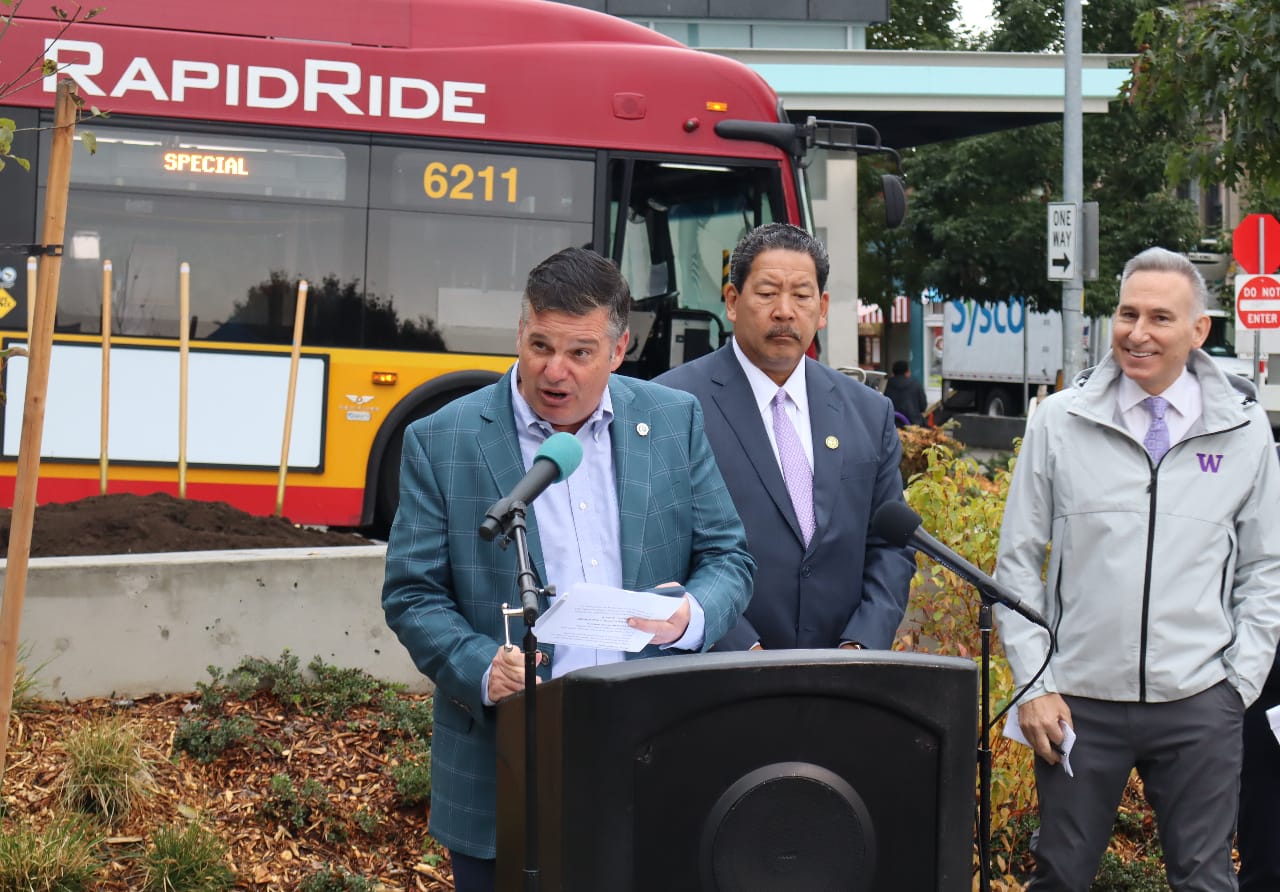
Spotts to Leave SDOT Just as New Transportation Levy Gets Rolling
Greg Spotts is the latest SDOT Director to leave the city after a short stint, departing after overseeing a strong finish on the $930 million Levy to Move Seattle.
Greg Spotts is the latest SDOT Director to leave the city after a short stint, departing after overseeing a strong finish on the $930 million Levy to Move Seattle.
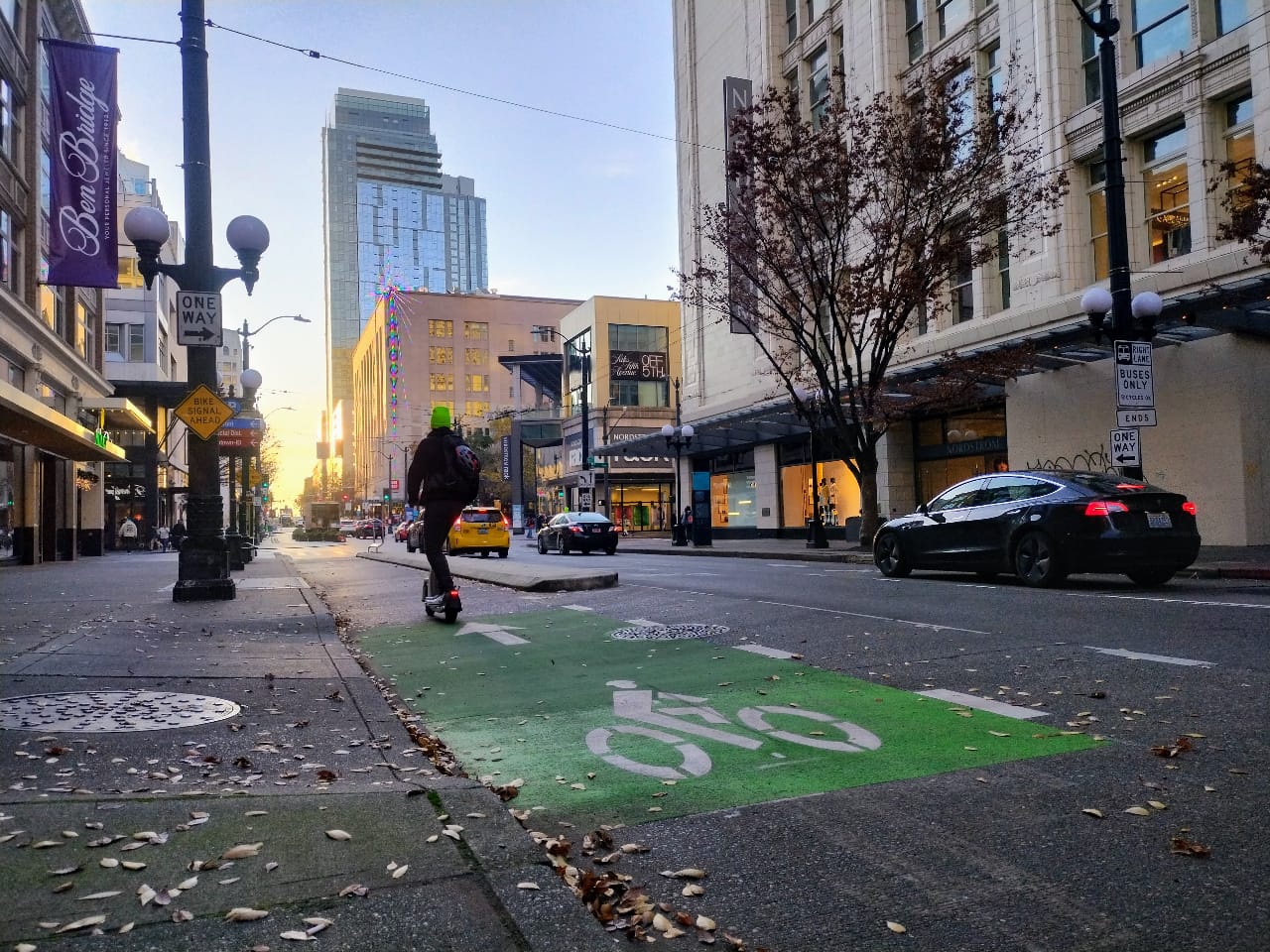
As Seattle’s nine year transportation levy expires and a new one is set to take its place, the city is leaving behind the transformative goals of the Move Seattle era and trading them for something more modest.
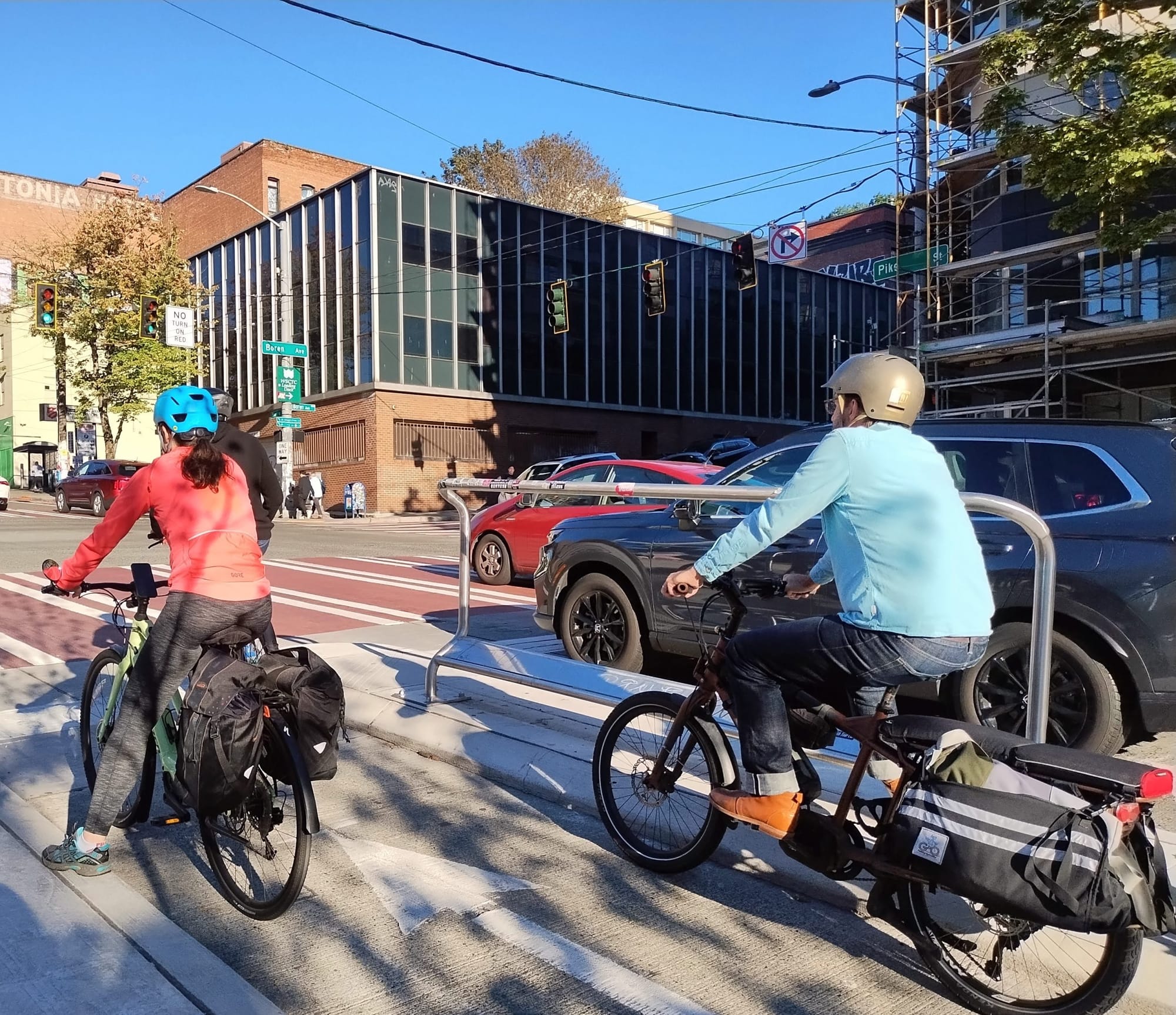
Passage of Seattle’s transportation levy was all but assured Tuesday night, after initial returns showed two-thirds of voters in support.
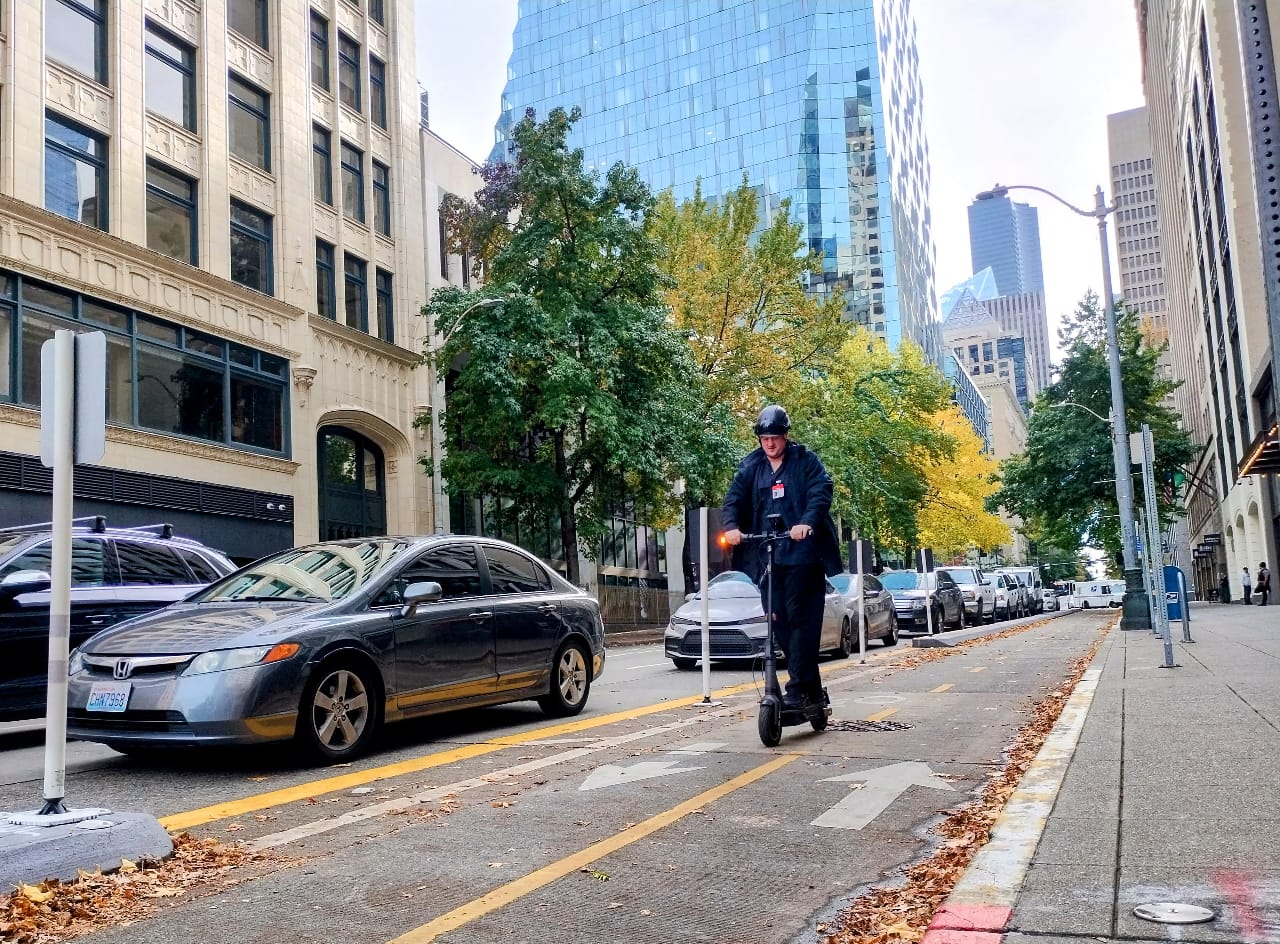
The editorial board of Seattle’s only remaining daily newspaper has an abysmal track record when it comes to supporting the Seattle transportation levy. Voters should take their recommendation with a boulder of salt.
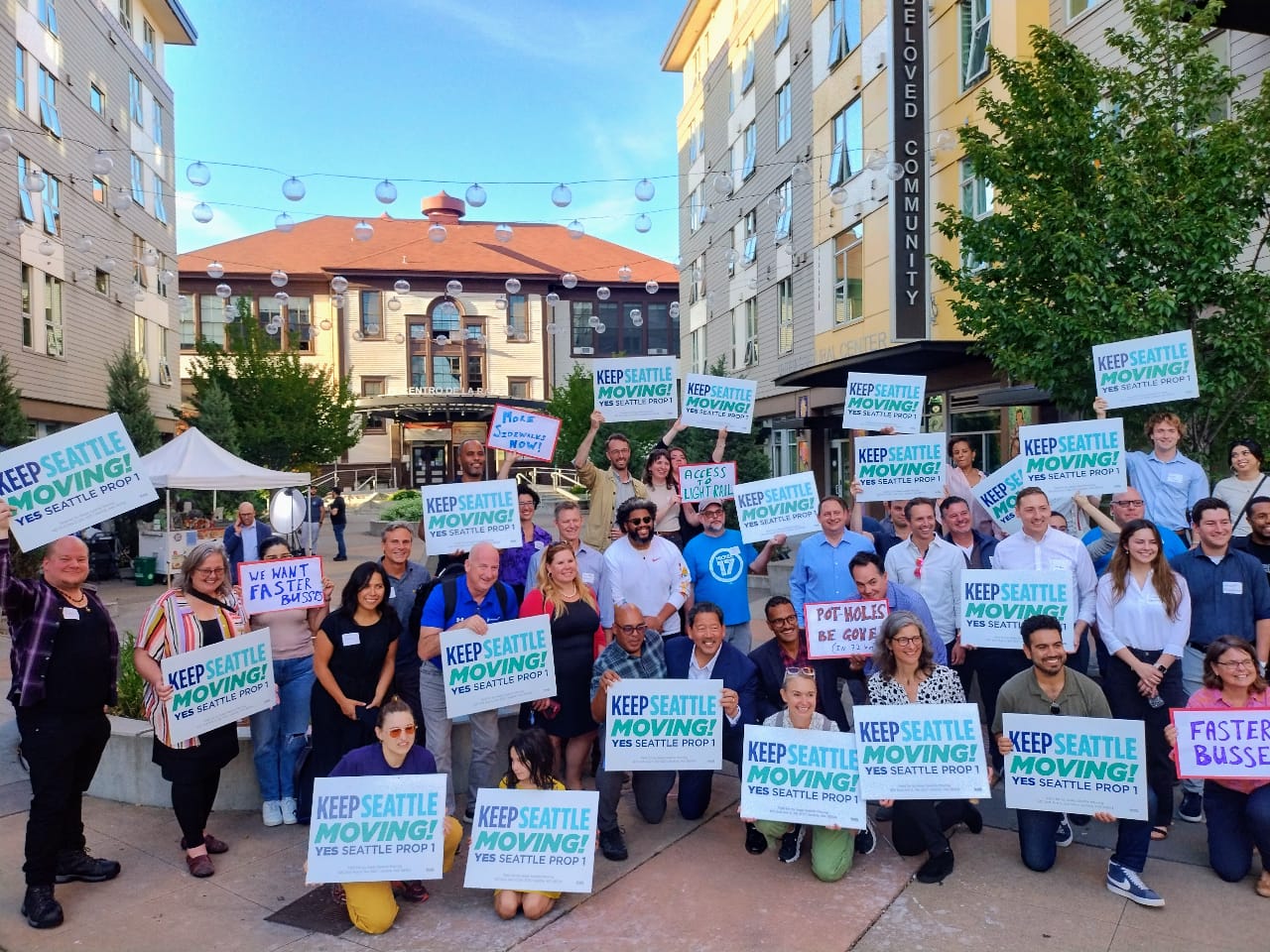
Transportation advocacy and business groups alike are supporting Seattle’s Prop 1, the $1.55 billion renewal of the city’s transportation levy.
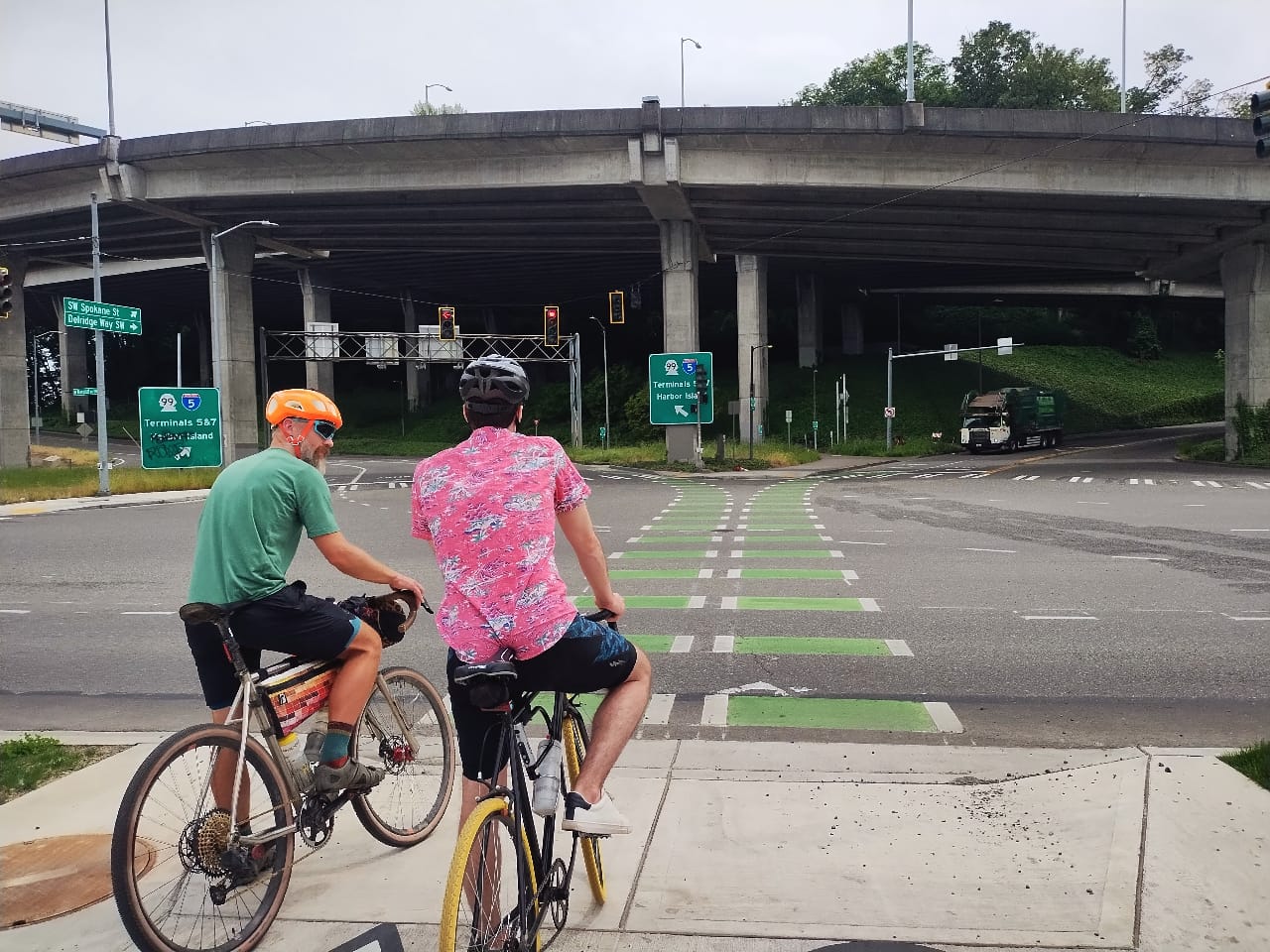
It’s official: Voters this fall will get to weigh in on whether Seattle should invest $1.55 billion over eight years to improve transportation infrastructure, with most funding allocated to road and bridge maintenance.
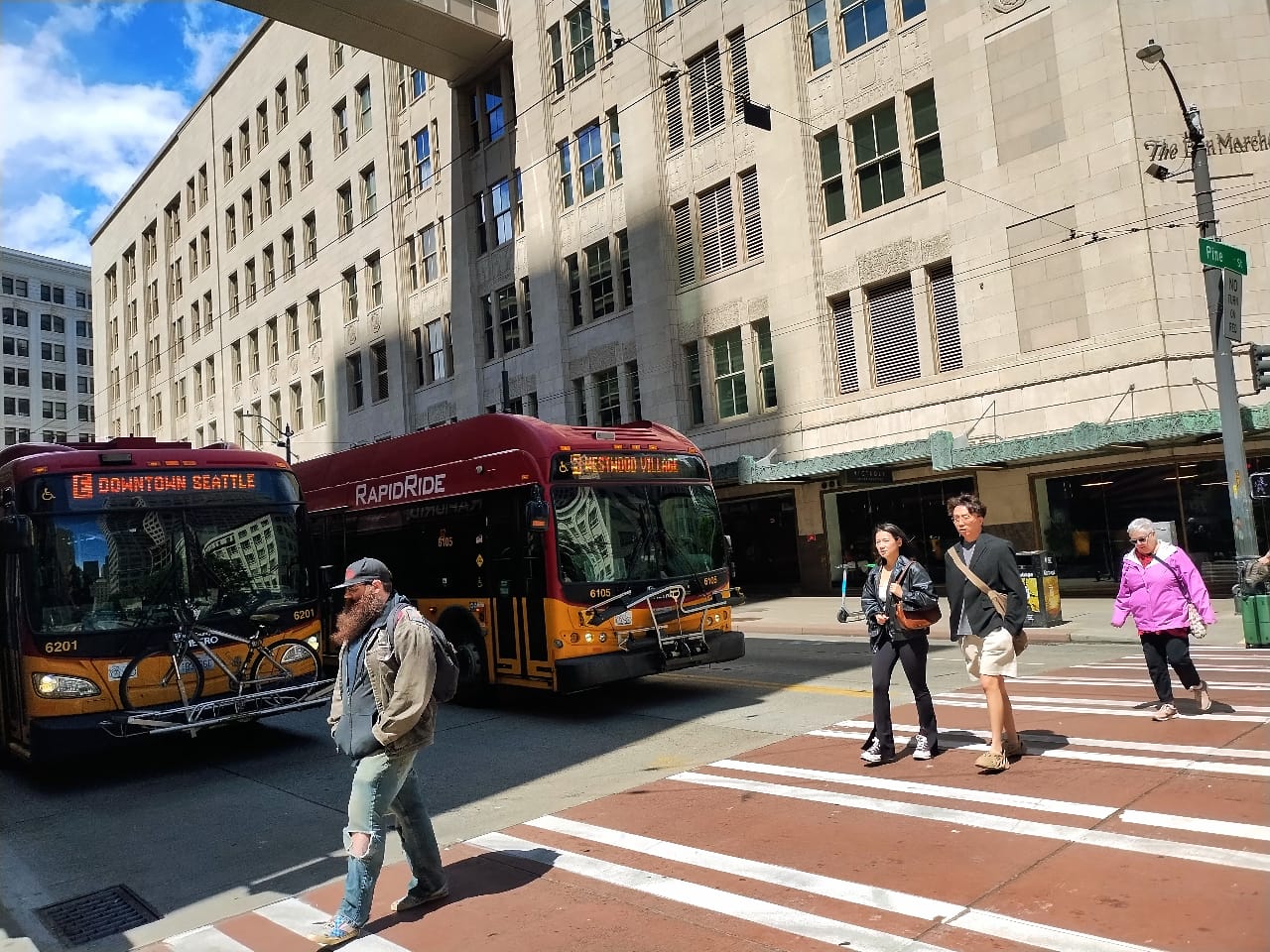
The transportation levy on Seattle ballots this fall won’t grow beyond $1.55 billion, despite a push by transportation advocacy groups to go bigger. A Morales-backed amendment to increase the levy’s size failed Tuesday.
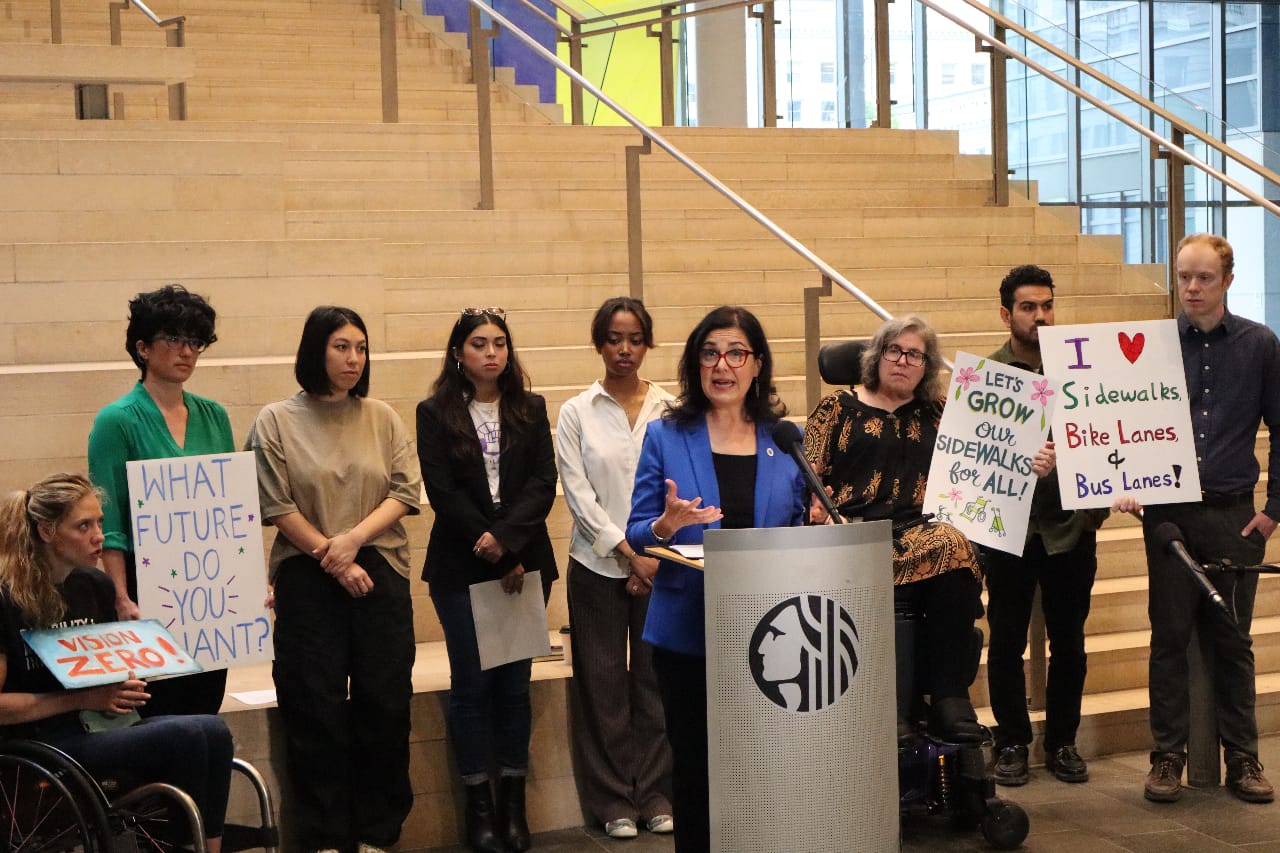
Councilmember Tammy Morales offered a new proposal Thursday for a $1.7 billion transportation levy that increases spending across a broad array of programs. None of her colleagues have yet backed the proposal.
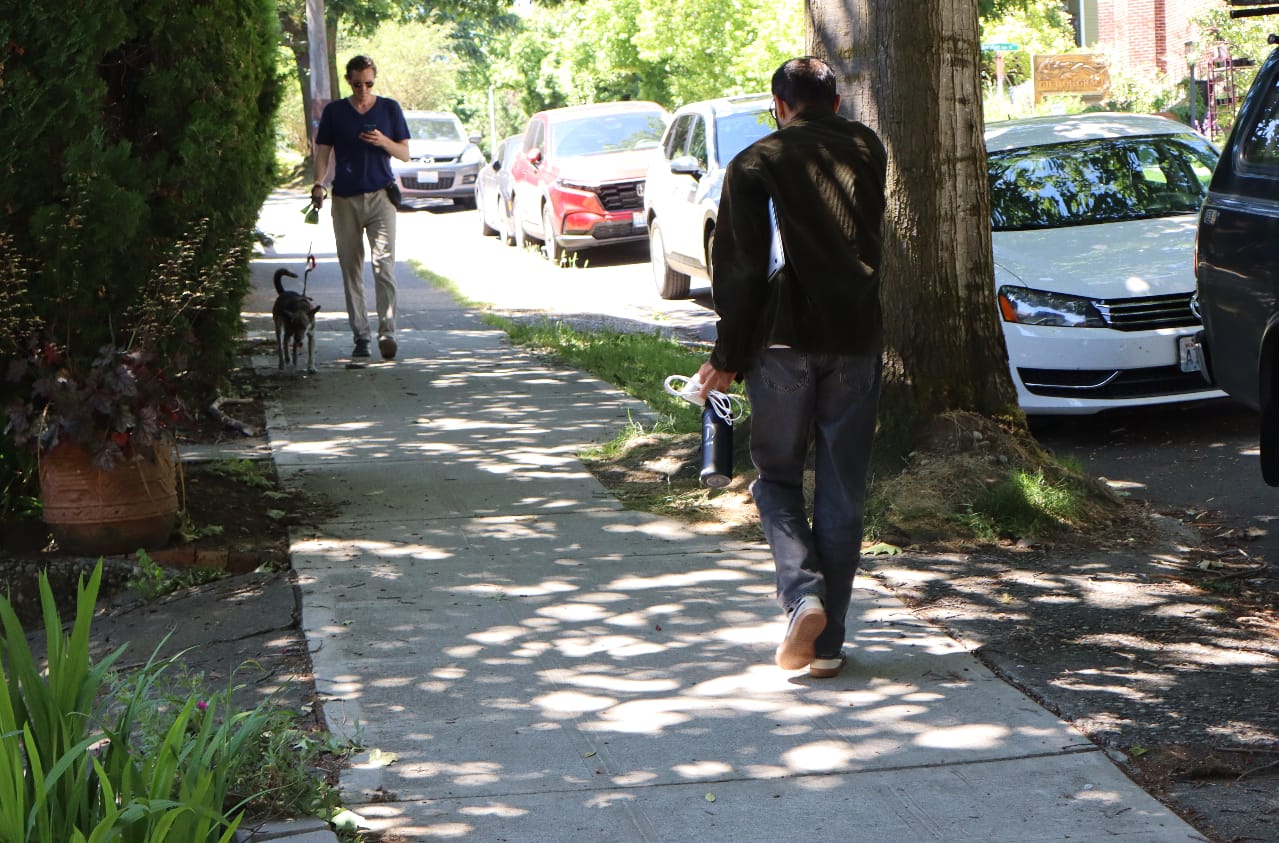
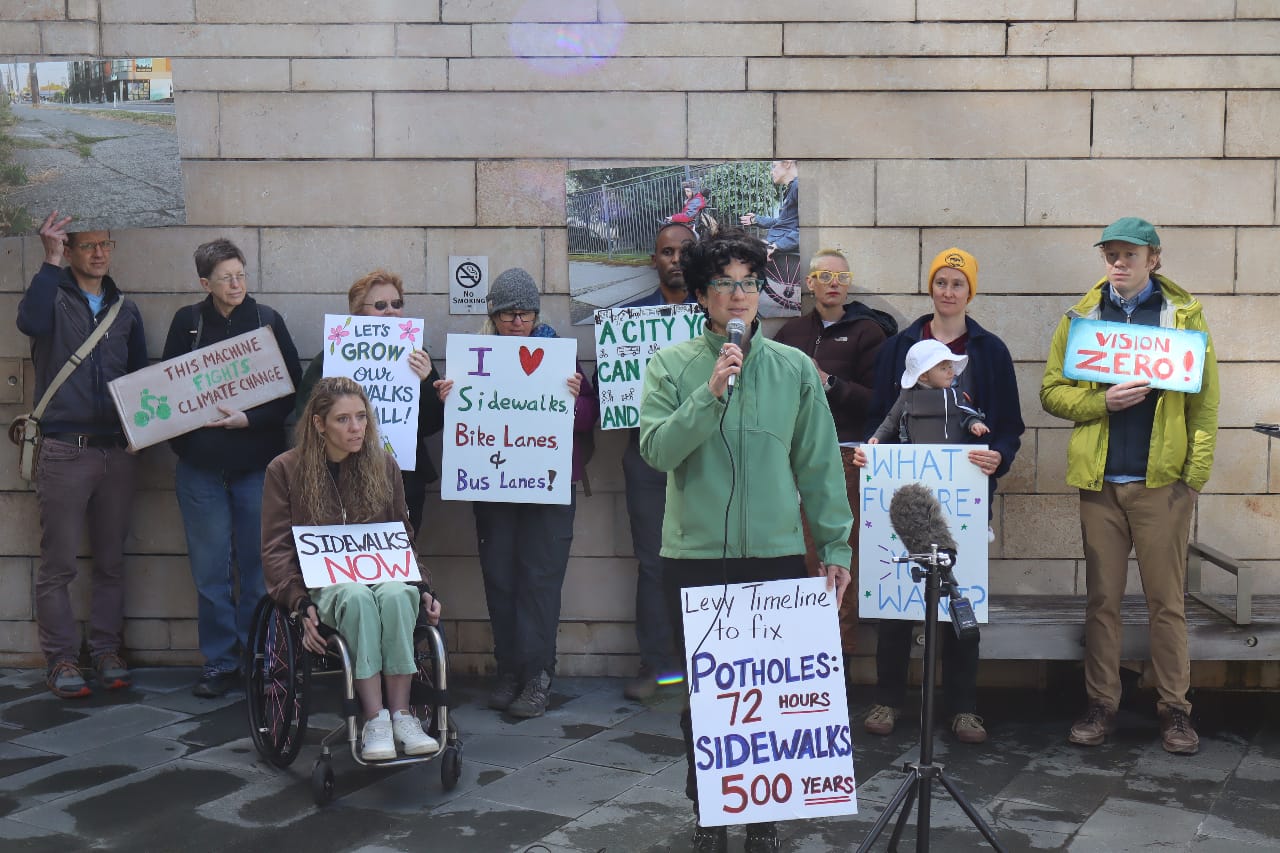
A proposed amendment to the next Seattle transportation levy pushes the city to build 500 blocks of new sidewalks in five years. However, SDOT says that goal likely isn’t achievable without more funding and broader changes.
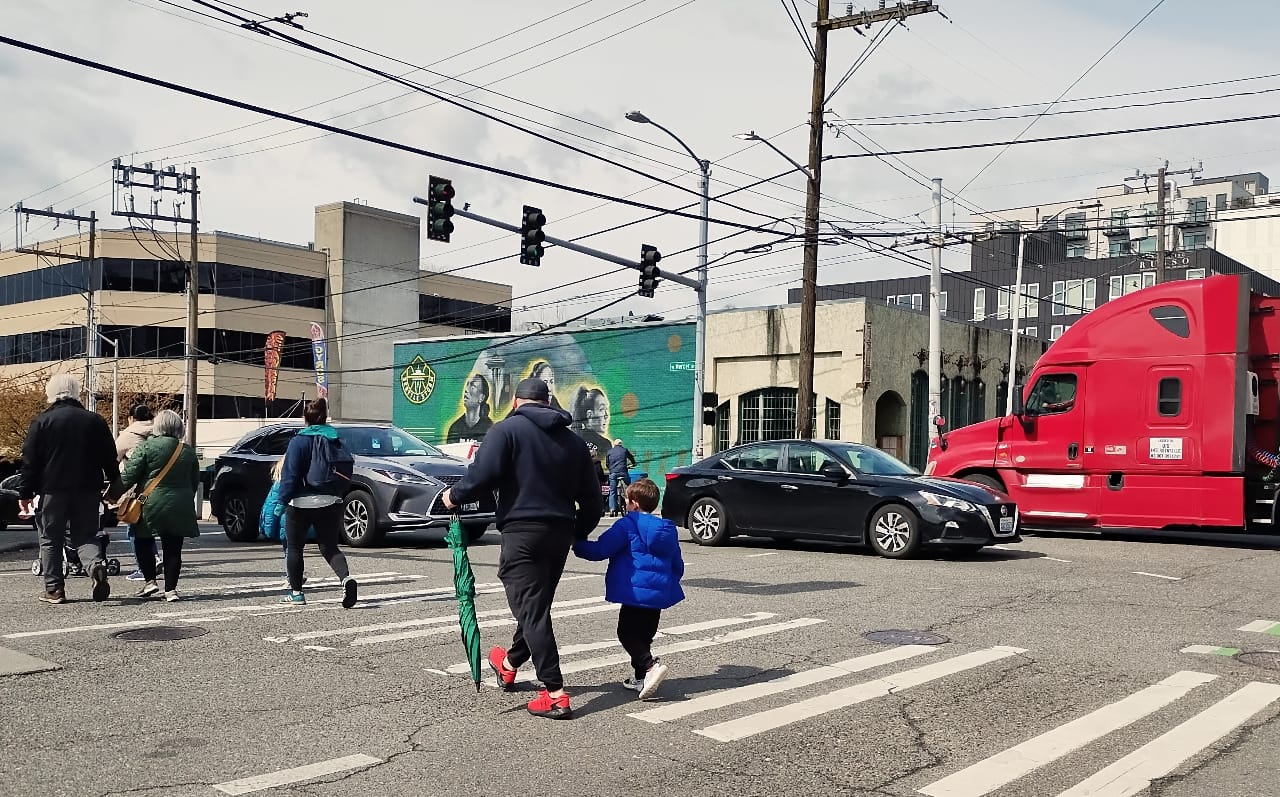
Amending the Mayor’s final proposal for a transportation levy, committee chair Rob Saka has revised the proposal by increasing funding for new sidewalks, freight mobility, and electric vehicle charging.
The Urbanist’s Publisher Doug Trumm was recently on Crystal Fincher’s Hacks and Wonks podcast to discuss the Seattle transportation levy proposal, which came in well short of where safe streets advocates were pushing the mayor to go. The episode is a good primer on the levy debate.
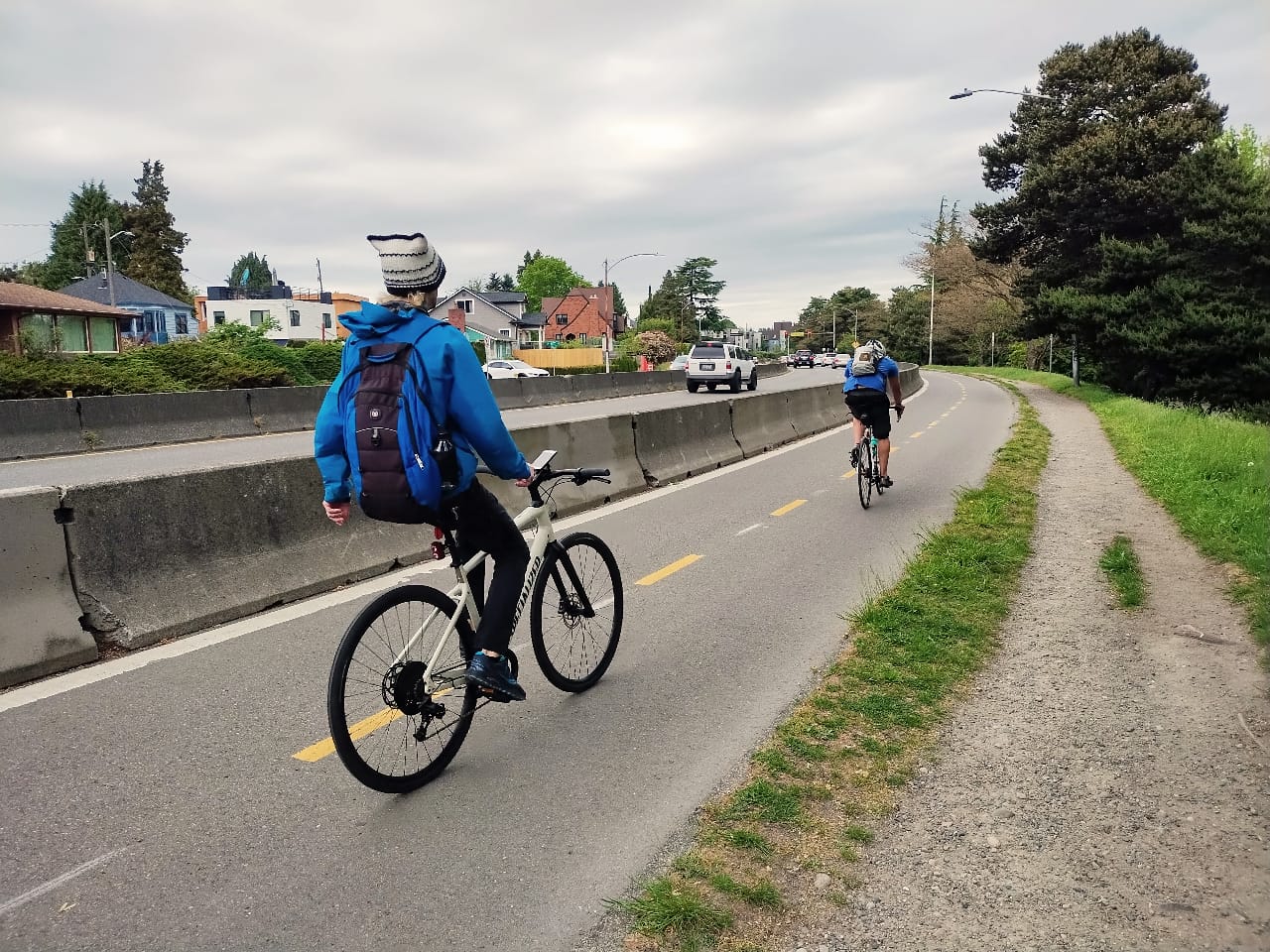
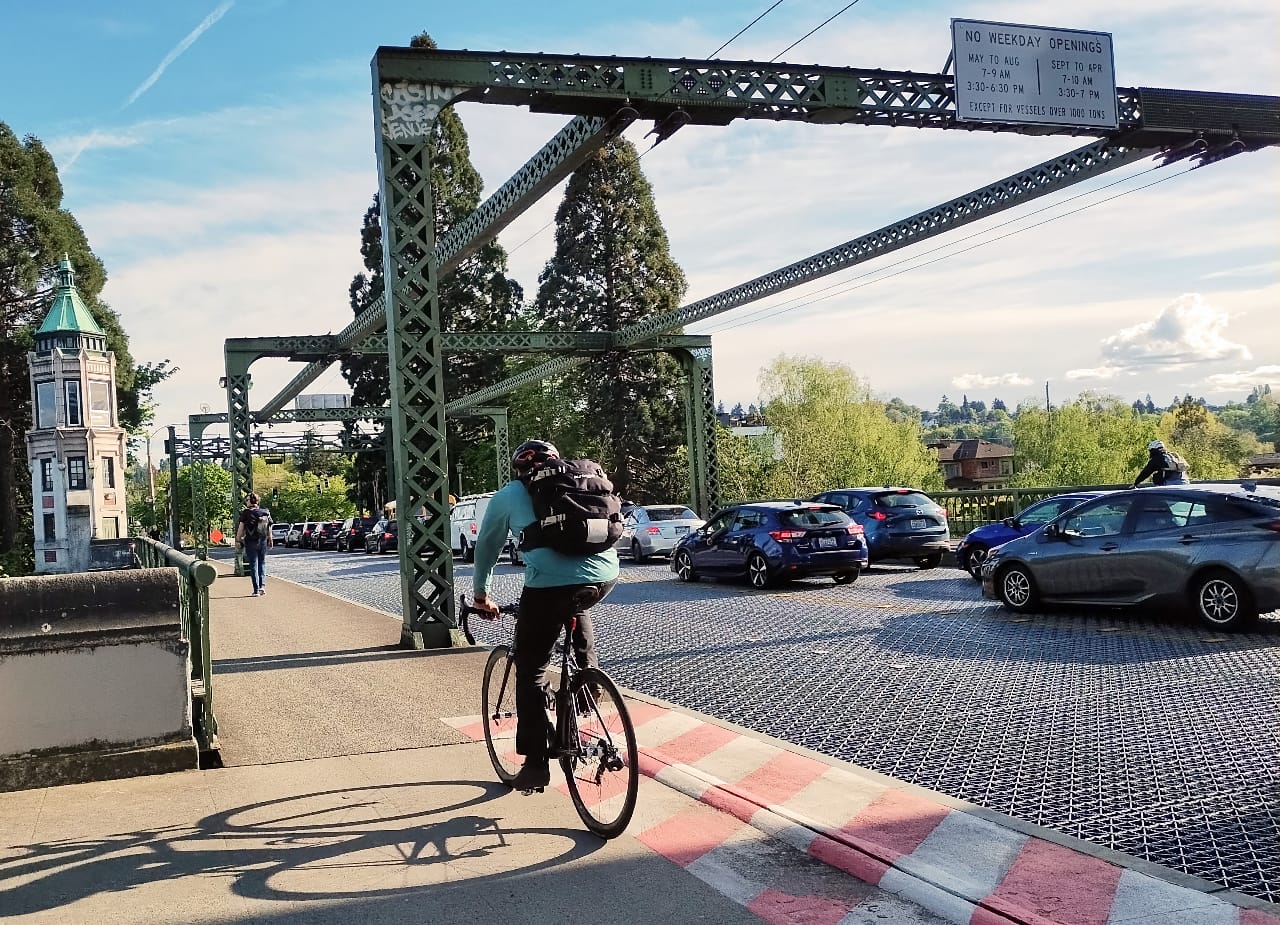
After building over 40 miles of protected bike lanes since 2015, the City of Seattle only promises around 10 additional miles through 2032. The potential for extra projects depend on additional funding beyond the mayor’s levy proposal.
The Seattle Department of Transportation’s project delivery is ramping up in 2024. What does that tell us about where the department is heading under a new levy?
A recent poll found Seattle would support a $1.9 billion transportation levy focused on fix-it-first and safety investments, but the City’s proposal currently sits at $1.45 billion.
Responding to pushback that his $1.35 billion levy proposal was too small and car-focused, Mayor Harrell added another $100 million in pedestrian, bike, and transit investment.
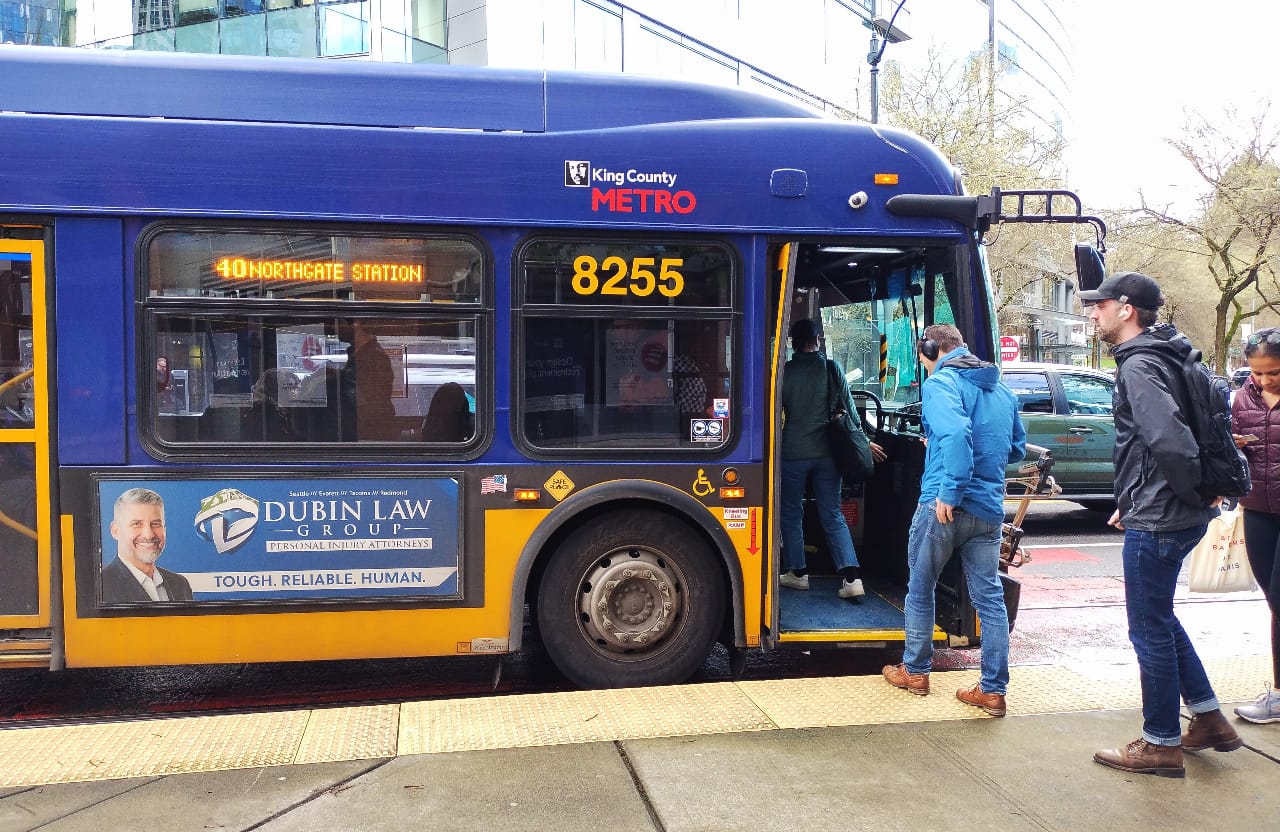
Seattle’s draft transportation levy takes a big step back when it comes to public transit investments, only proposing two full corridor upgrades and allocating less overall funding to transit.
250 blocks of new sidewalks was a big win from the Move Seattle levy. Now it’s seen as the new baseline, with the 27% of missing blocks citywide being put front and center in the levy debate.
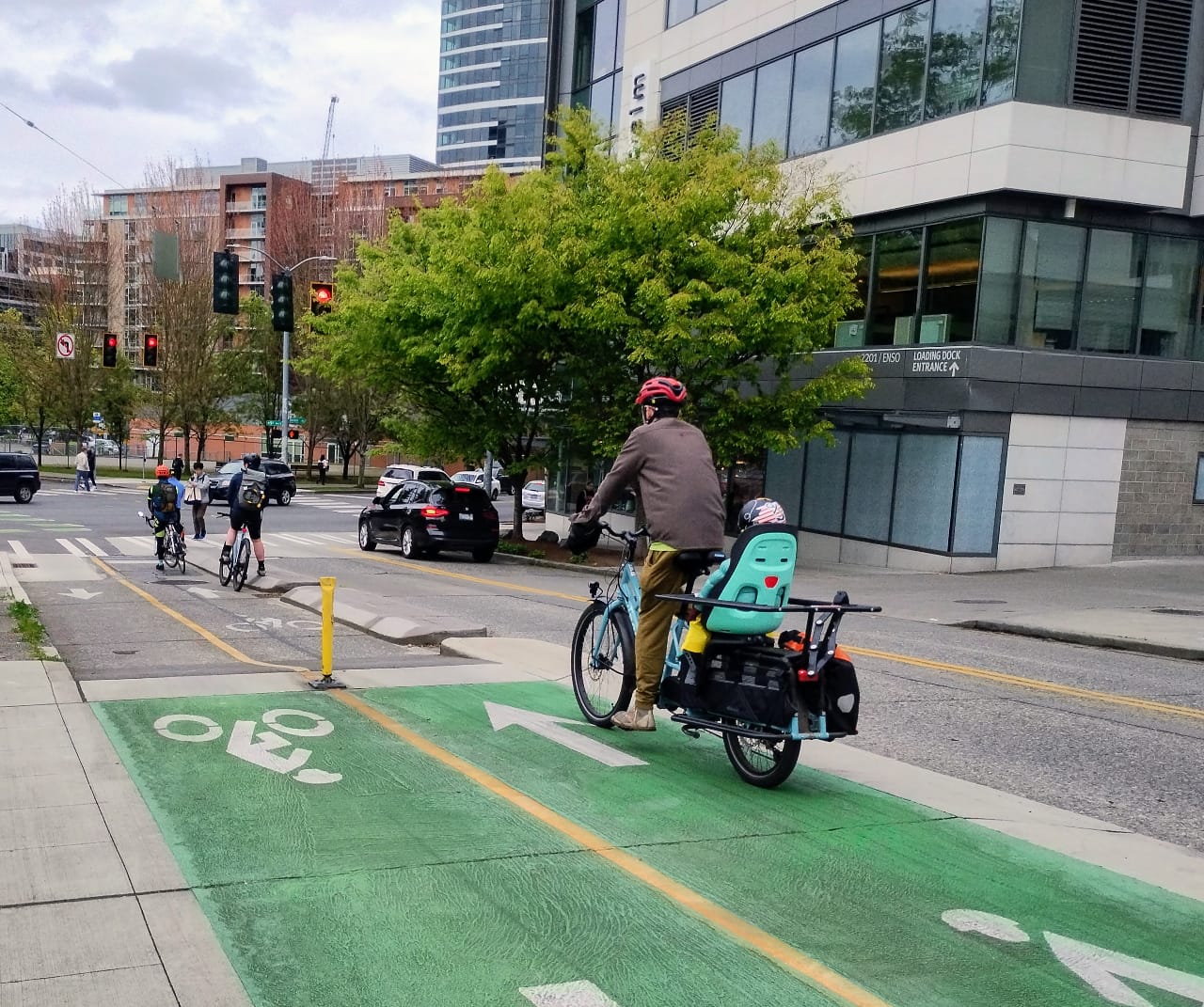
Seattle’s 2015 transportation levy committed to expanding the city’s bike network by 110 miles. Its follow up doesn’t include a specific target.
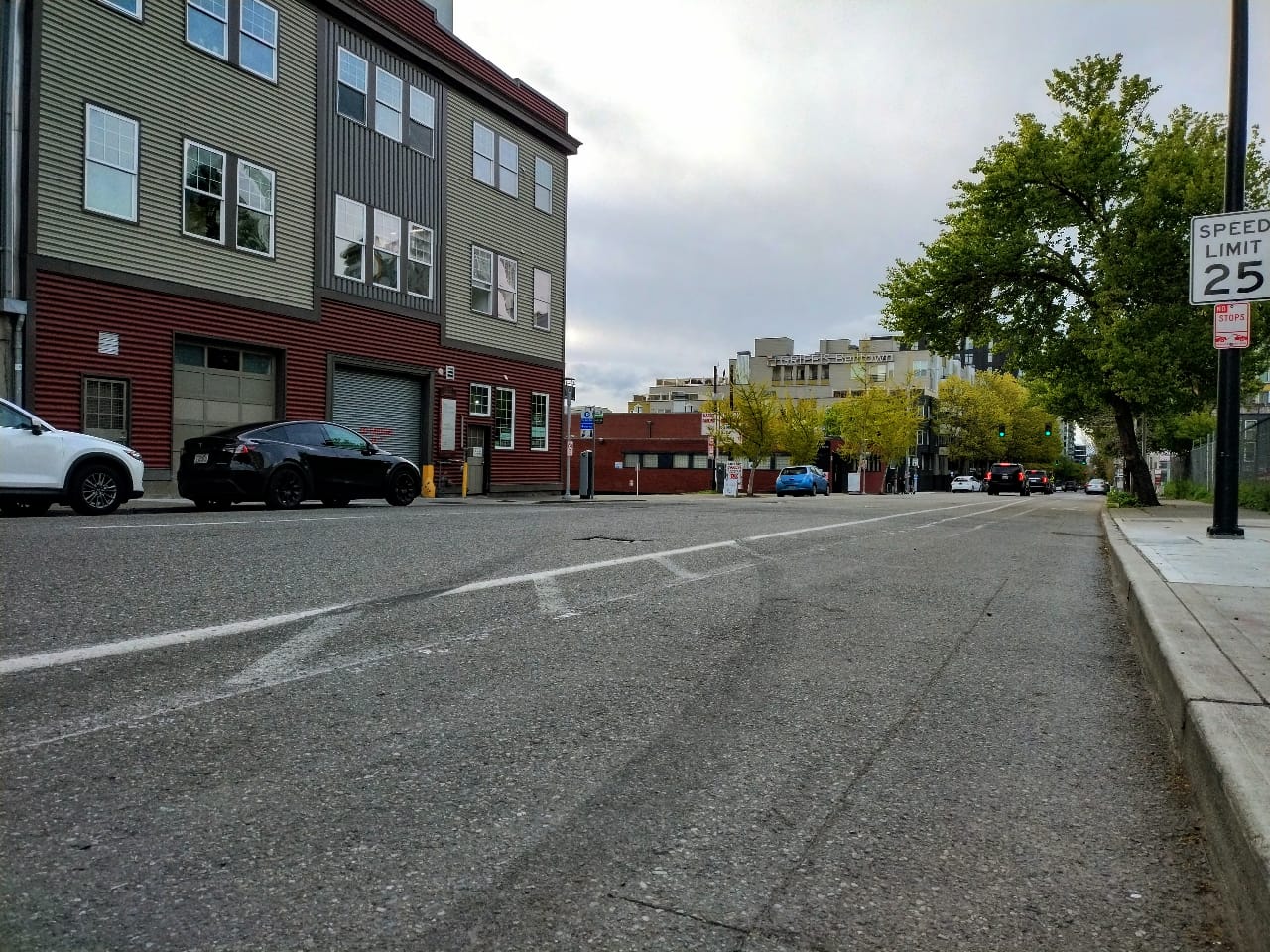
The transportation levy proposed this month by the Harrell Administration would overhaul at least 15 corridors around the city. Here’s what’s on the table when it comes to changes on those streets.
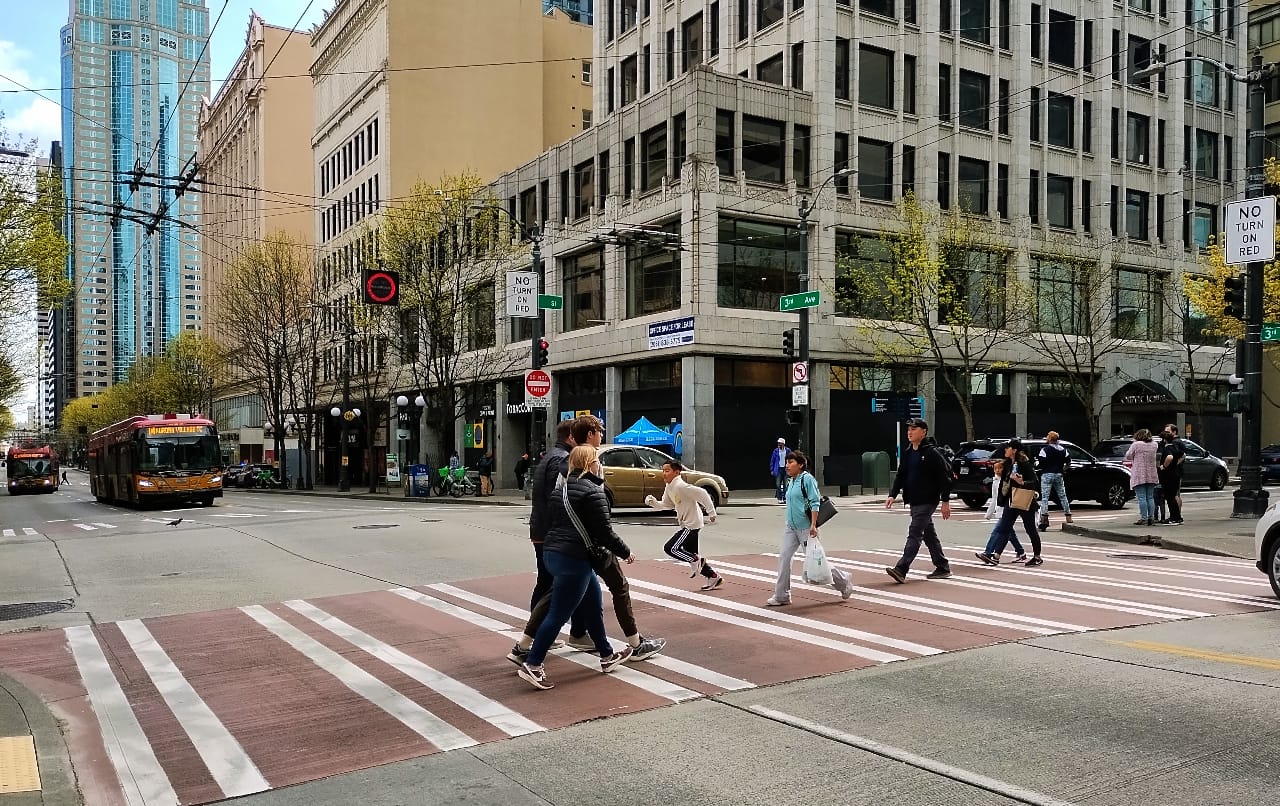
The mayor’s levy proposal is focused on preserving the existing car-focused system rather than promising transformative changes. Advocates asked for at least $1.7 billion focused on pedestrians, bikes, and transit, but didn’t get it.
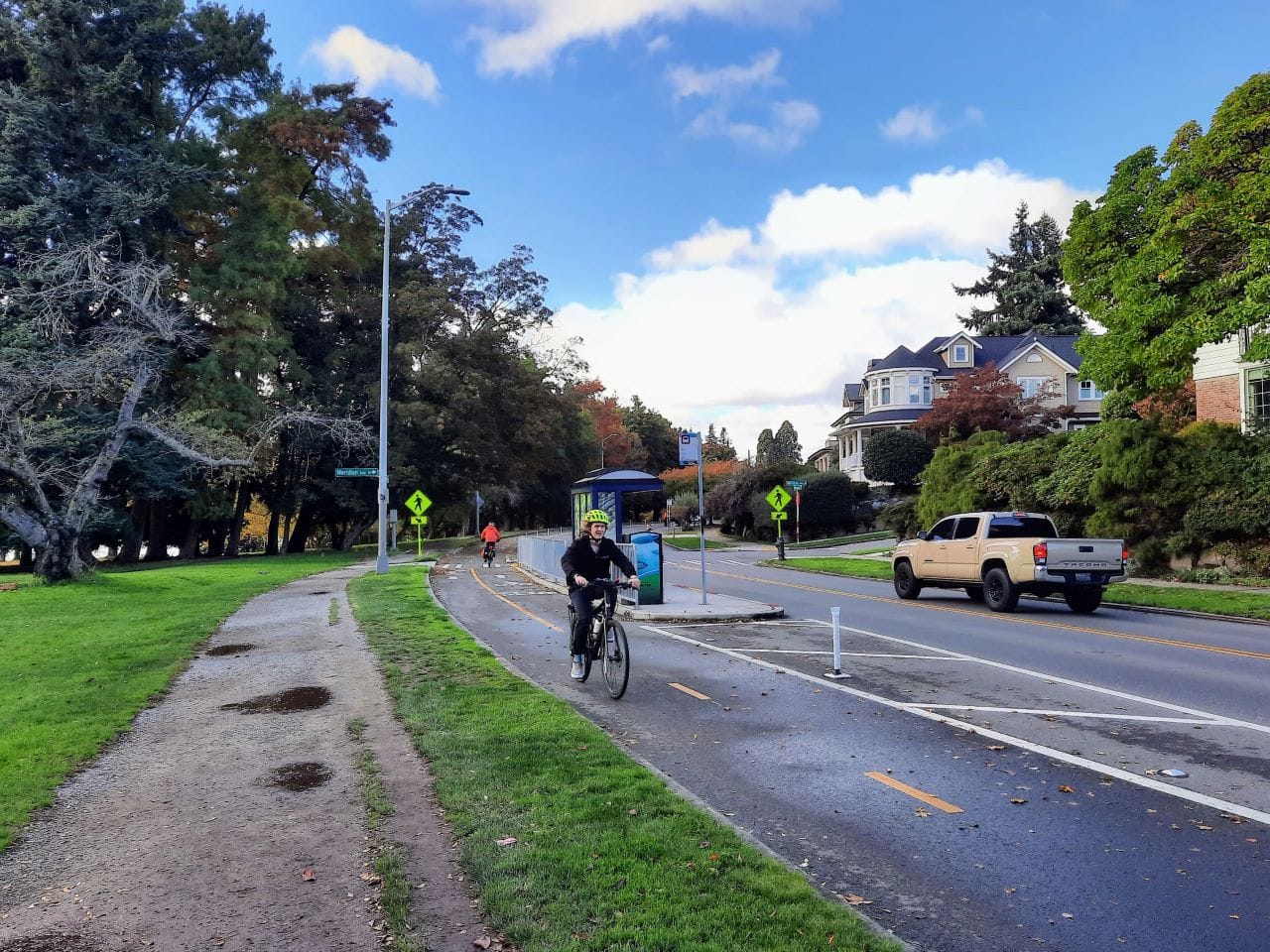
With a transportation levy going to ballot this fall, advocates want at least 50% of investments to be dedicated toward pedestrian, bike, and transit upgrades. They also want the City to go big, with a levy of at least $1.7 billion, but the Mayor appears set to go smaller.
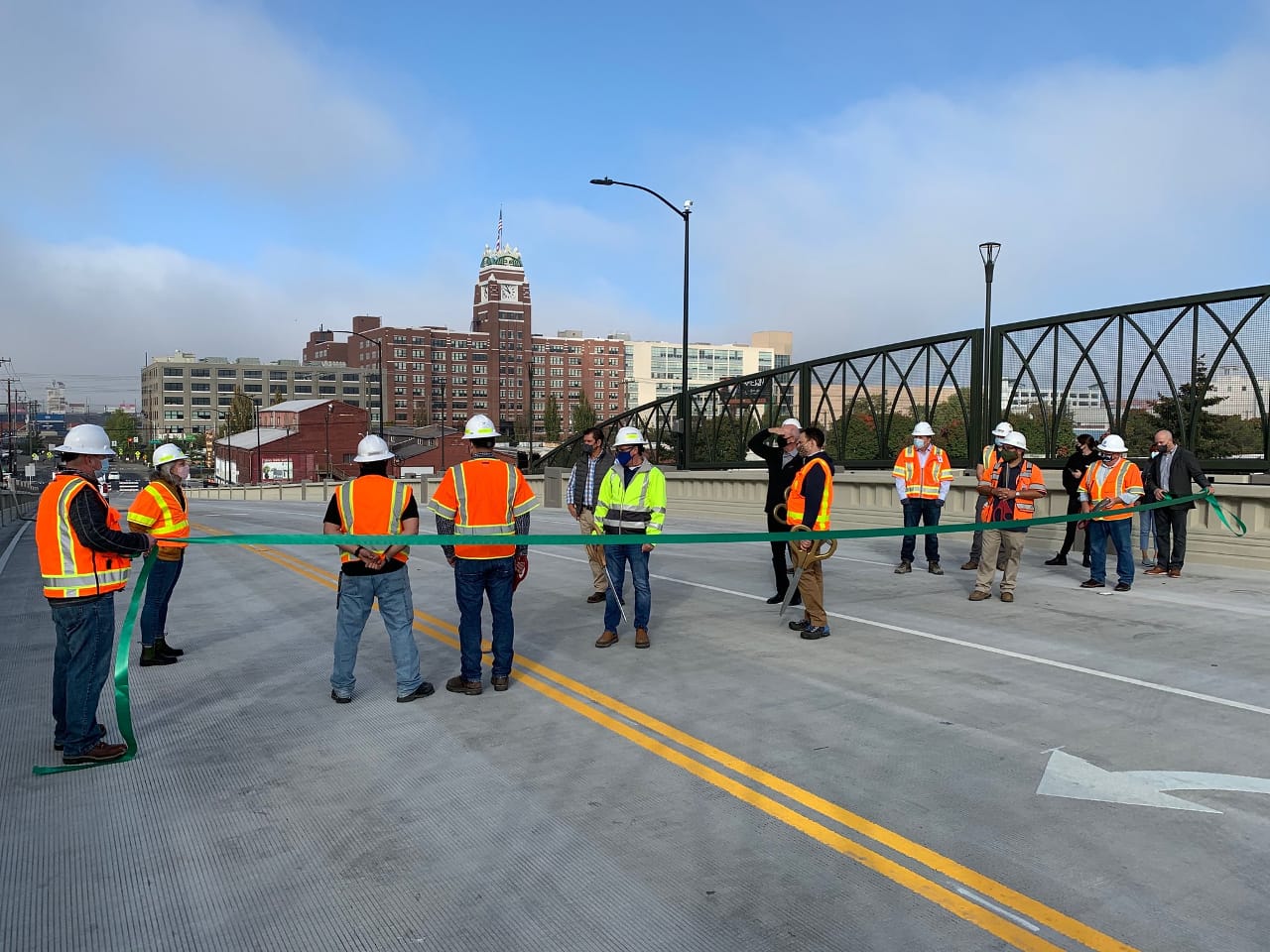
As a $930 million transportation levy winds down, its oversight body has made it clear that a simple renewal this year won’t be enough to address Seattle’s transportation issues. The group is pushing Mayor Harrell to go big.
Focused on housing abundance and sustainable transportation, our 2024 advocacy agenda runs the gambit from comprehensive plan updates to transit upgrades and a safety-first Move Seattle Levy renewal.
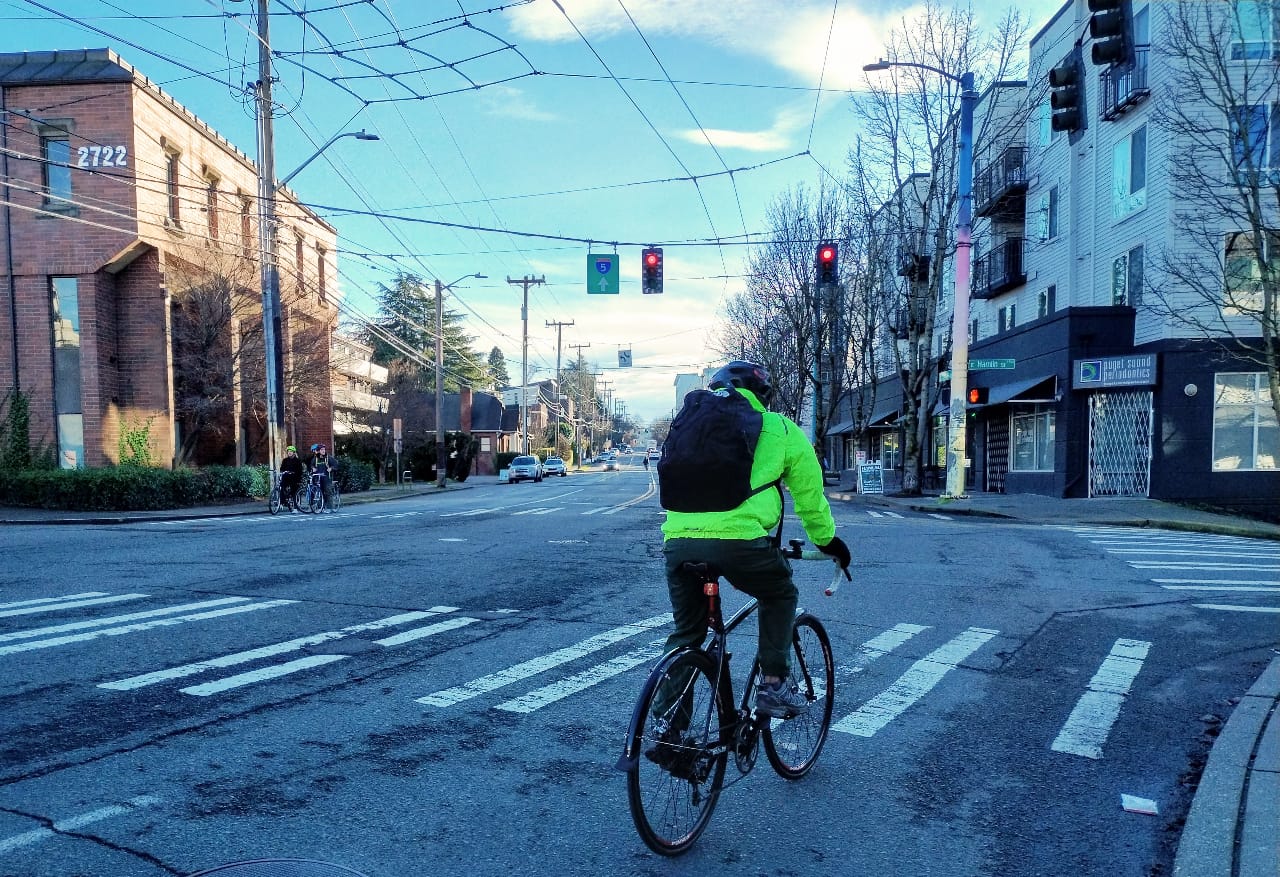
“To put the city on track to meeting its mobility, safety, equity, maintenance, and sustainability goals,” the coalition of mobility and climate groups wrote, “Seattle must invest just over $3 billion over the next 8 years” in building 60 miles of dedicated transit corridors, 331 miles of new sidewa
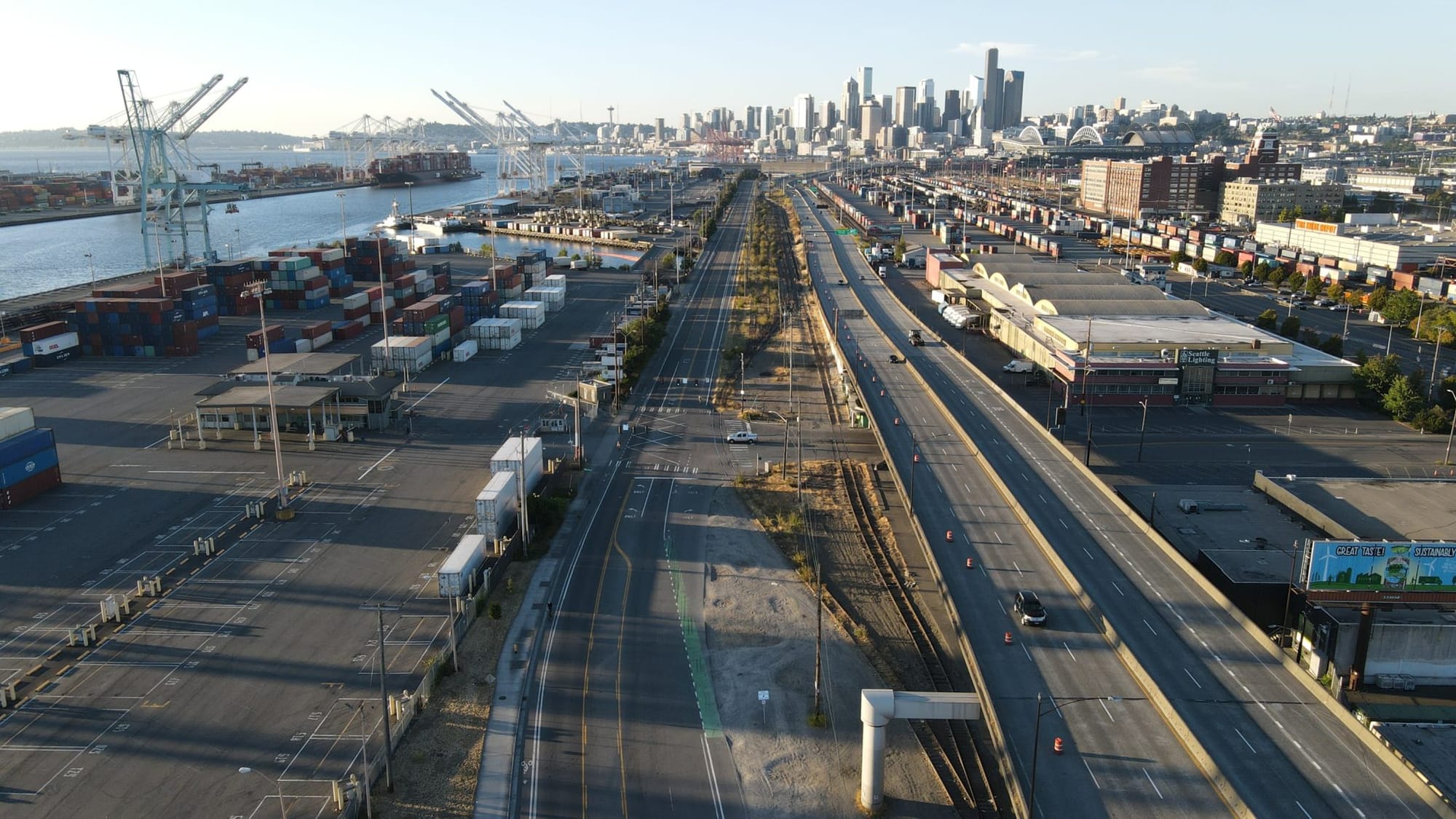
The survey found 56% of Seattleites supported a $1.7 billion transportation levy, with safety and transit top concerns.
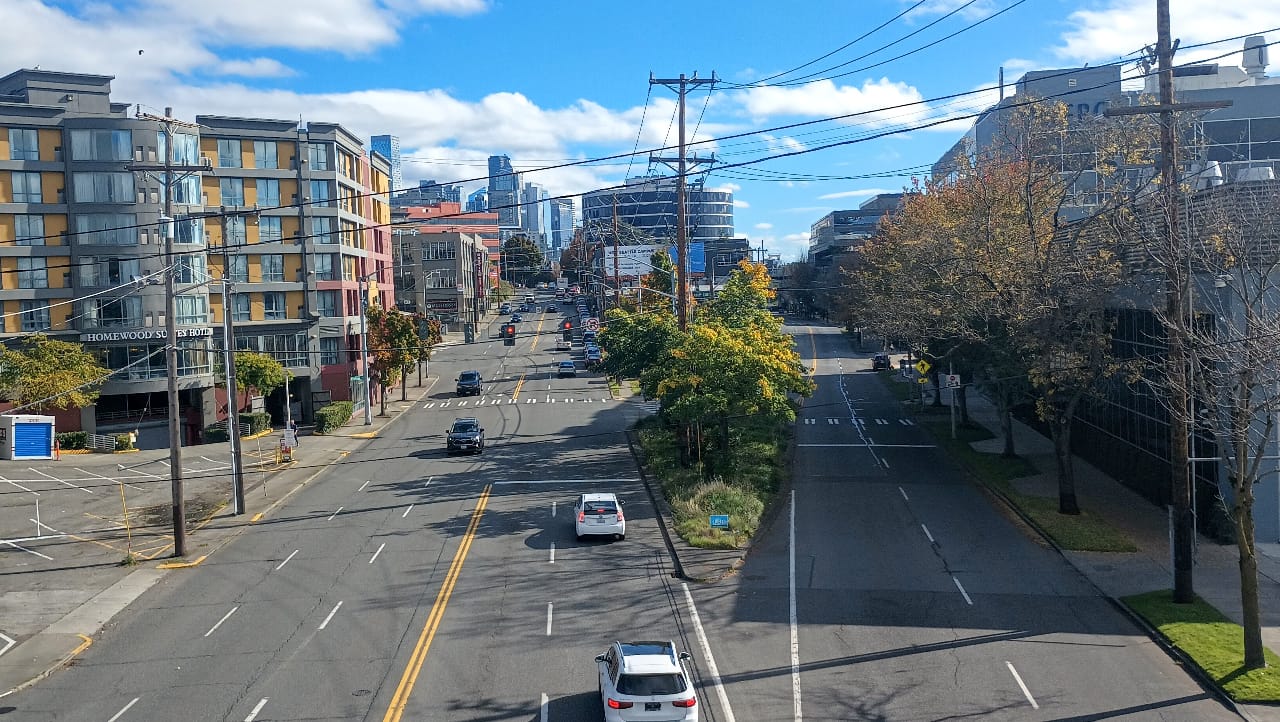
The Seattle Department of Transportation (SDOT) has released a draft project list intended to go along with its mammoth Seattle Transportation Plan, still in development and set to be finalized over the coming months. The list, which includes 80 discrete ideas for projects that would overhaul segments of Seattle’s
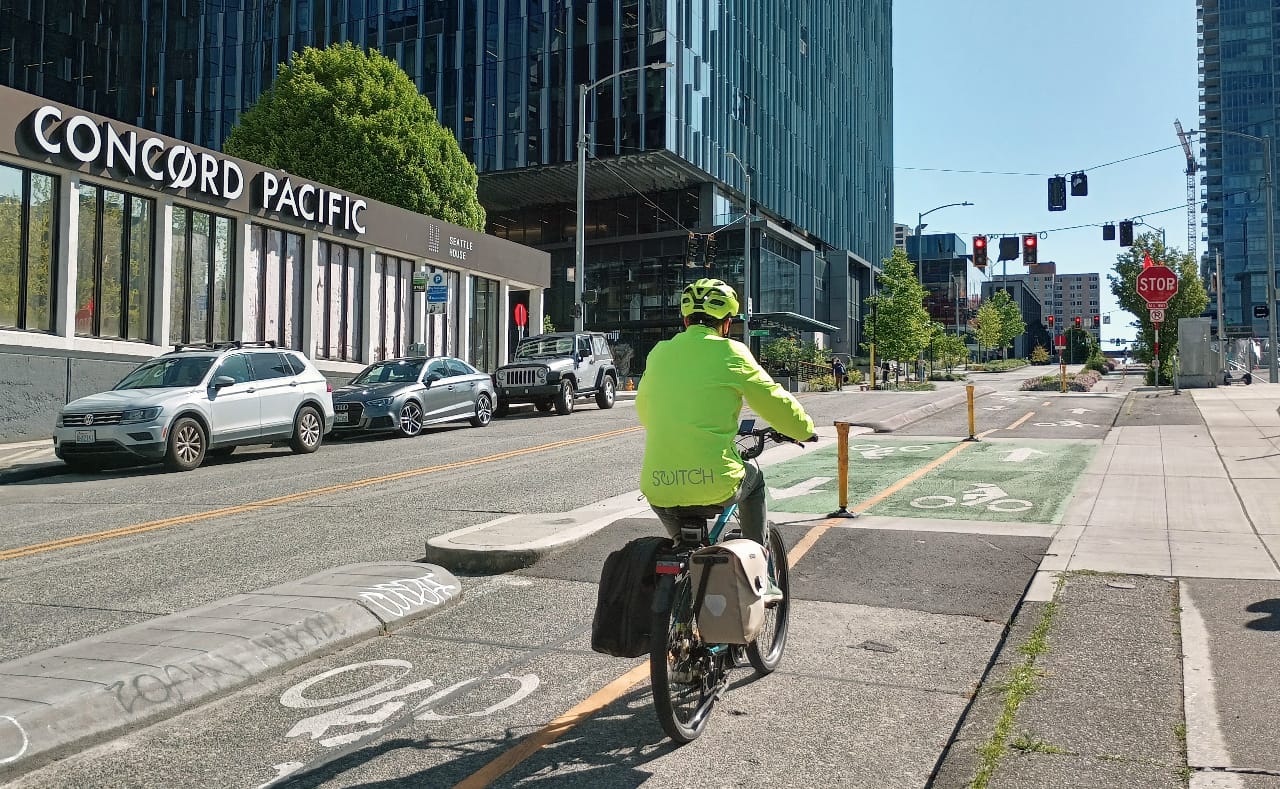
What comes next when a “transformational” levy didn’t transform Seattle streets? On a Monday morning in late August, Seattle Department of Transportation (SDOT) Director Greg Spotts started his workweek with a walking tour in West Seattle. That’s a usual day for Spotts, who has made a point of
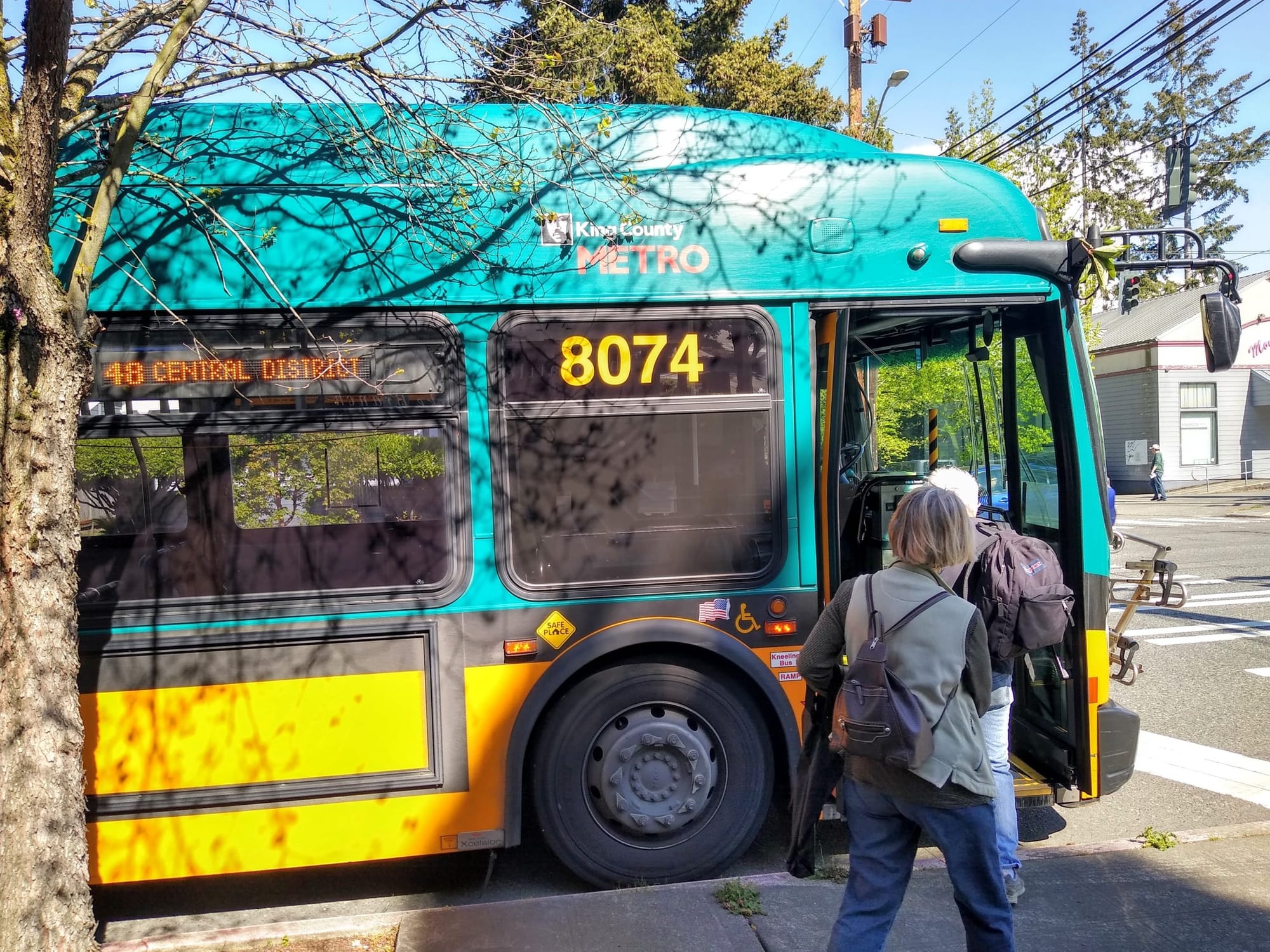
Of the seven frequent bus corridors that the 2015 Move Seattle levy pledged to upgrade, Route 48 between the University District and Mount Baker was always planned to be the least ambitious upgrade. The nine-year levy was never actually set to provide any direct funding dollars for the project at
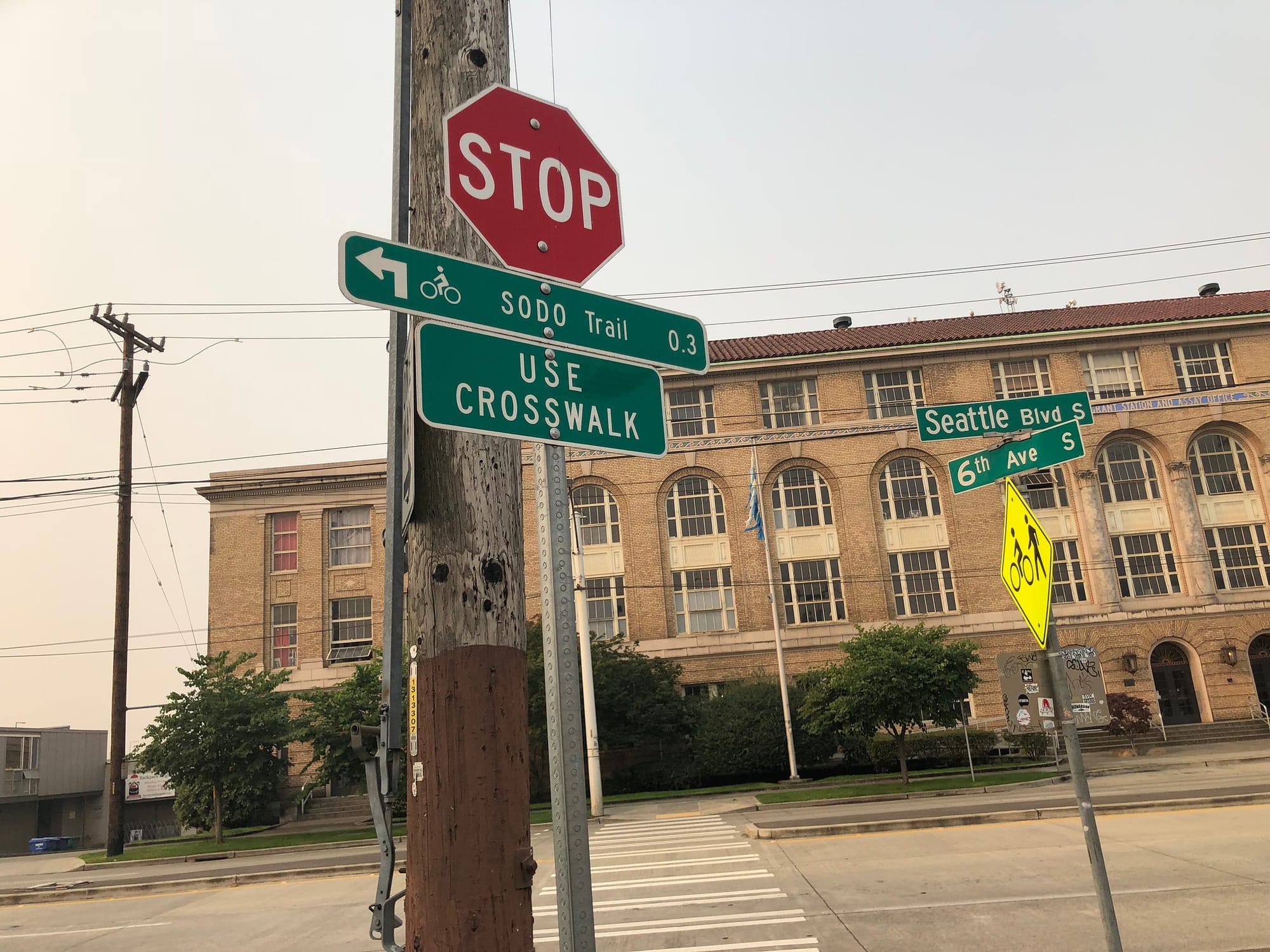
When voters approved Seattle’s nine-year transportation levy in 2015, they were choosing whether the city should invest in a very specific list of transportation projects, from street repaving to protected bike lanes to blocks of new sidewalks. That suite of projects has evolved over the past six years, with
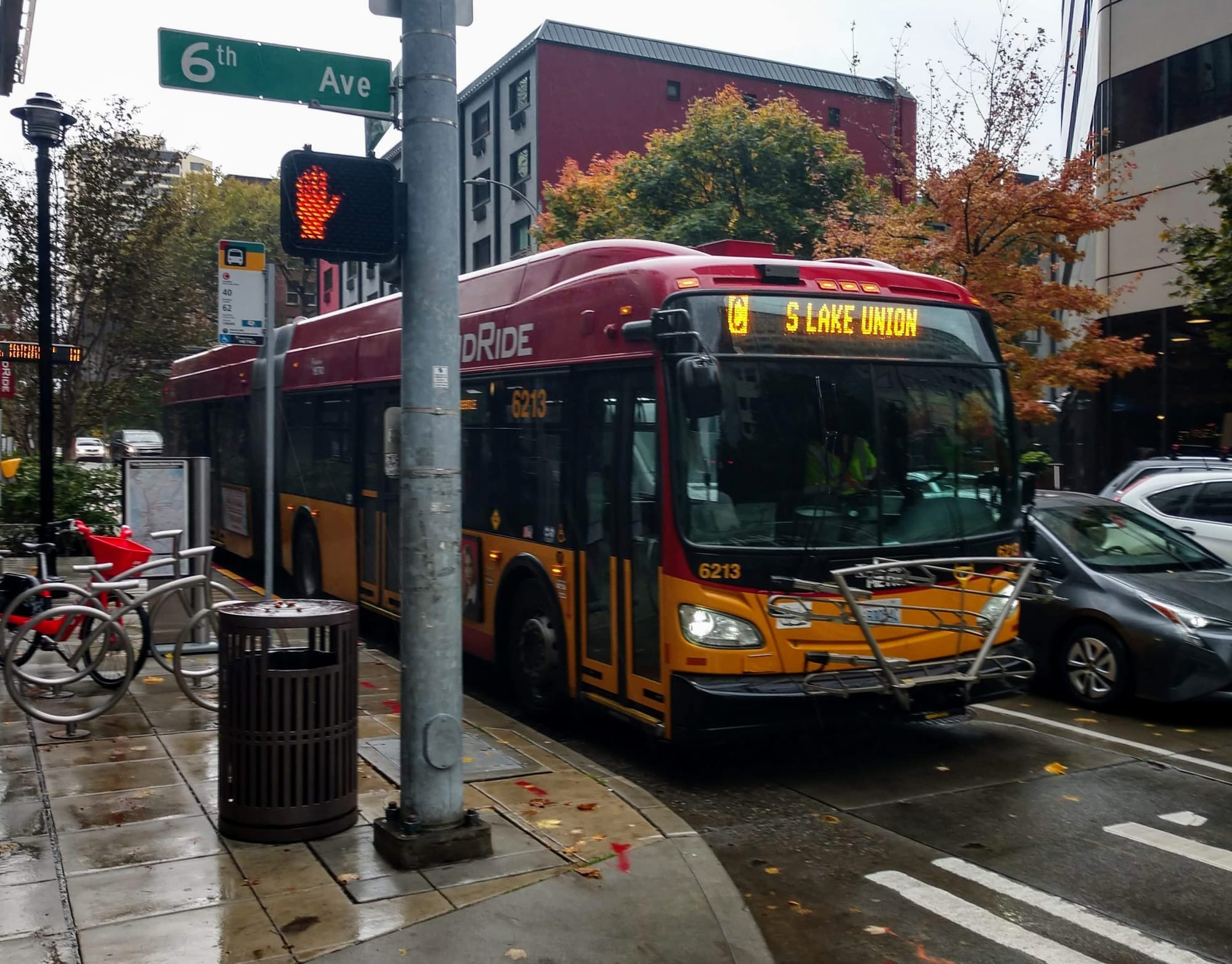
Back in 2018, we reported that Mayor Durkan’s “Move Seattle Reset” had cut Route 40, Route 44, and Route 48 from RapidRide plans, instead promising lesser improvements. This month, we learned that King County Metro and the Seattle Department of Transportation (SDOT) have also dropped the Rainier Avenue corridor
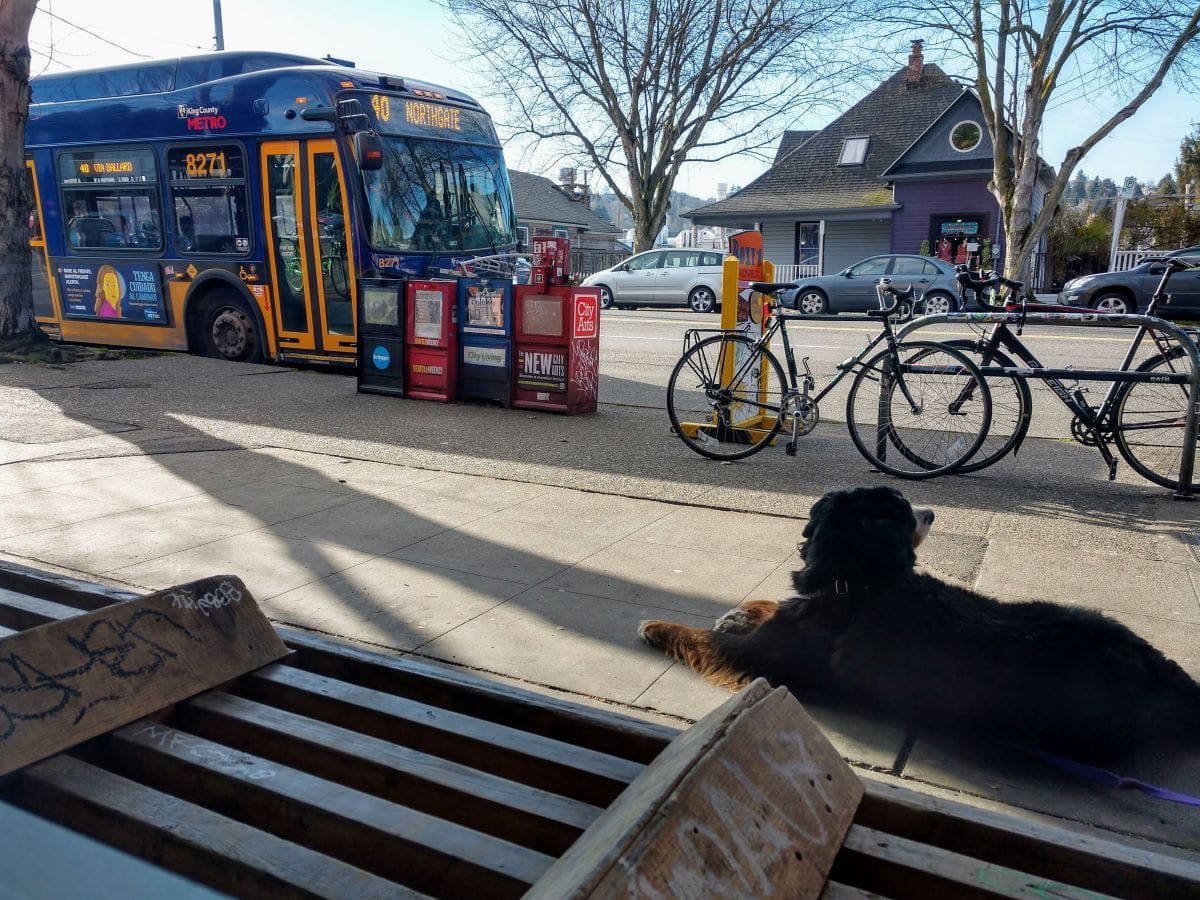
As a part of Seattle’s voter-approved $930 million Move Seattle Levy, the Seattle Department of Transportation (SDOT) has been planning design updates to Routes 40 and 44. Both route updates have already gone through their first rounds of community surveys, and SDOT has been steadily adding bus lanes and
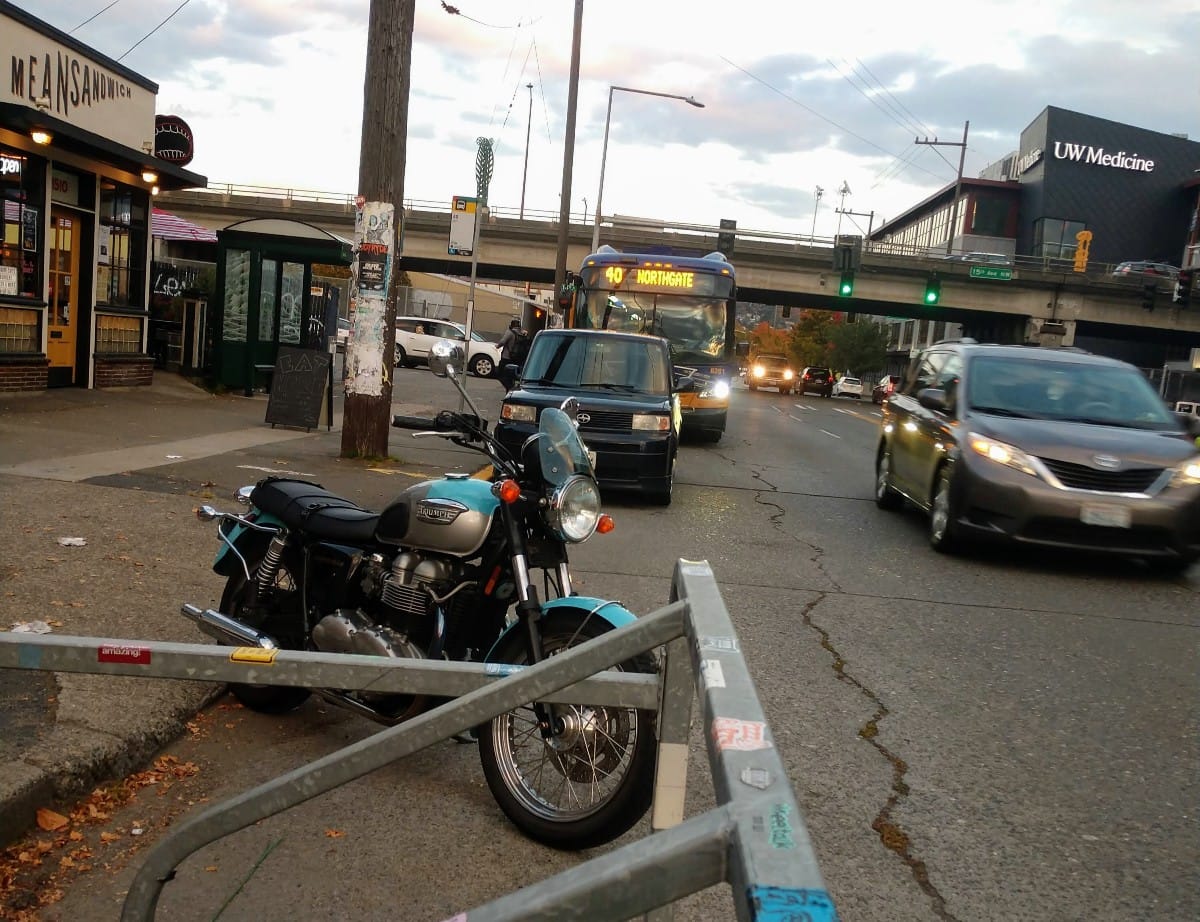
King County Metro’s third busiest bus route doesn’t have fancy RapidRide branding. You’ll often see it (sometimes represented by some of the oldest buses in Metro’s fleet) slogging through Mercer Mess traffic in South Lake Union or stuck behind boat and car traffic at the Fremont
Route 70 is not a bus that riders are thrilled to ride–it’s crowded and often stuck in traffic in South Lake Union. But there’s a plan to fix that, and, thanks to the more reliable, speedy service at more frequent intervals, the City projects it would more
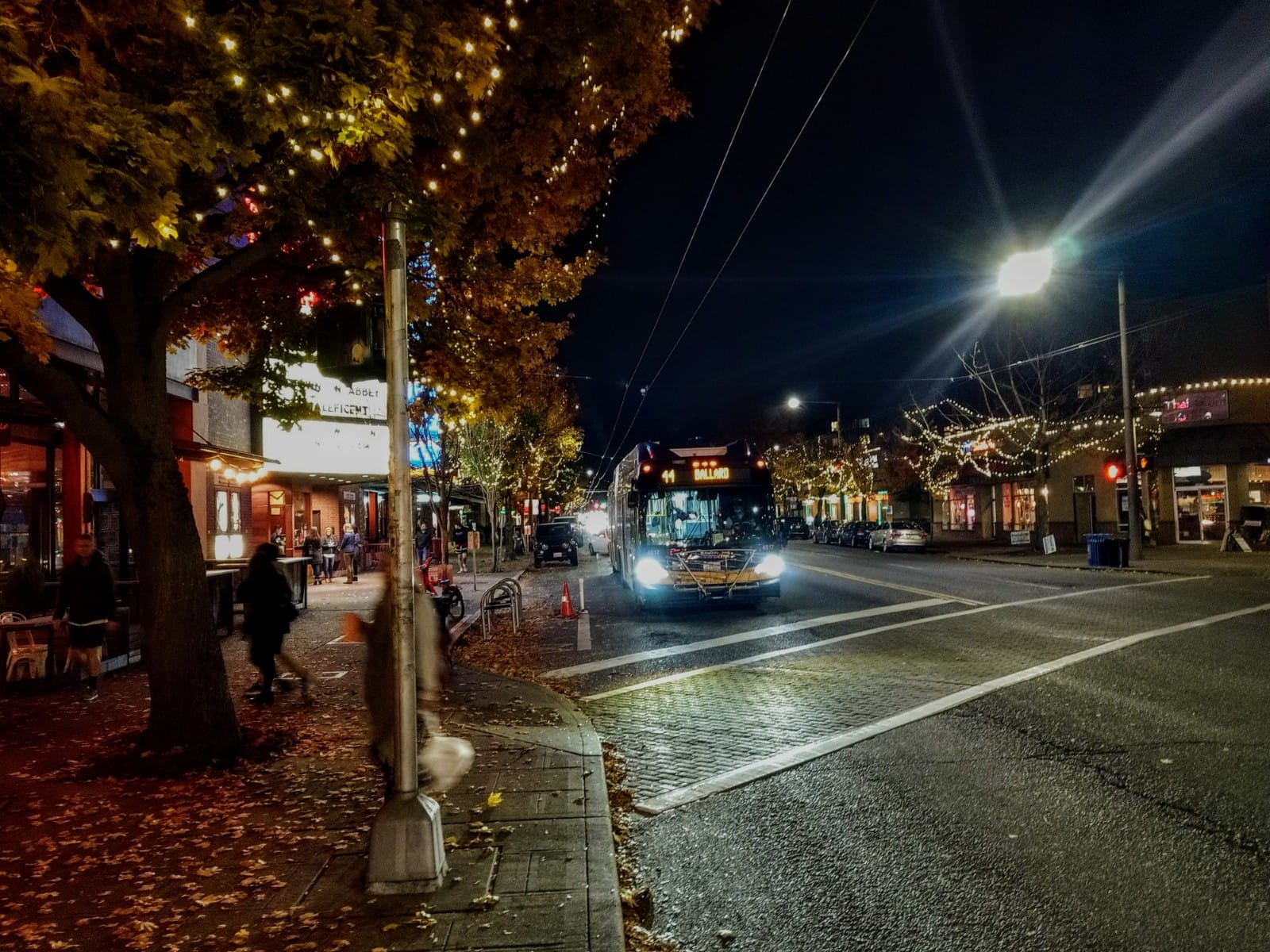
Route 44 is a workhorse, but it’s far from a racehorse. 9,300 daily riders pack themselves into the lumbering beast of burden and suffer the route’s sluggish pace and unreliability. Running east-west 5.3 miles across town from Husky Stadium to the Chittenden Locks, the Route 44
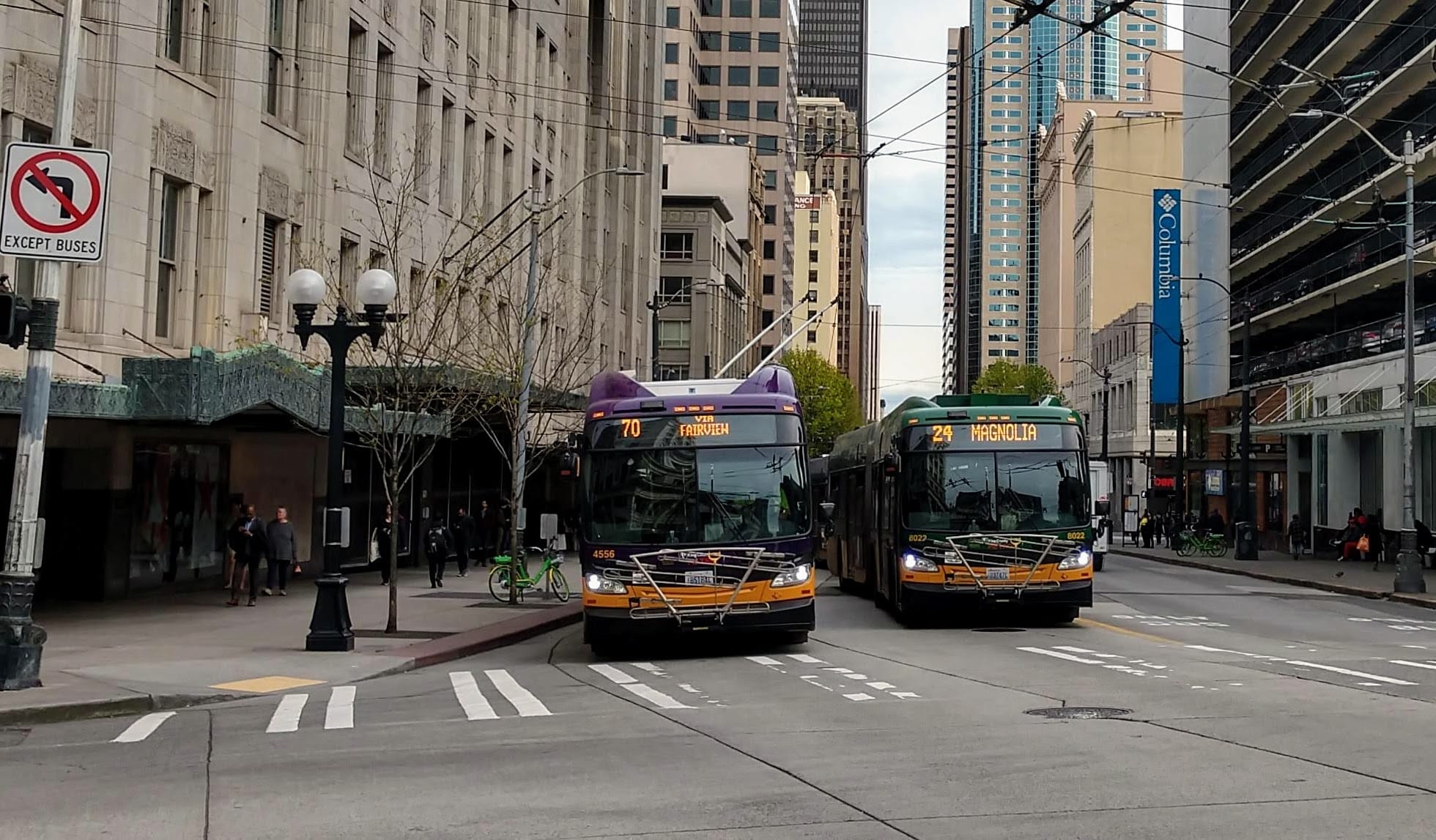
Route 70 is not among Seattle’s speedier buses, but that could change. The Seattle Department of Transportation (SDOT) is studying how to improve the route, which averaged 8,300 daily riders in 2017, and it has an online open house available for folks to comment. In 2015, voters overwhelmingly
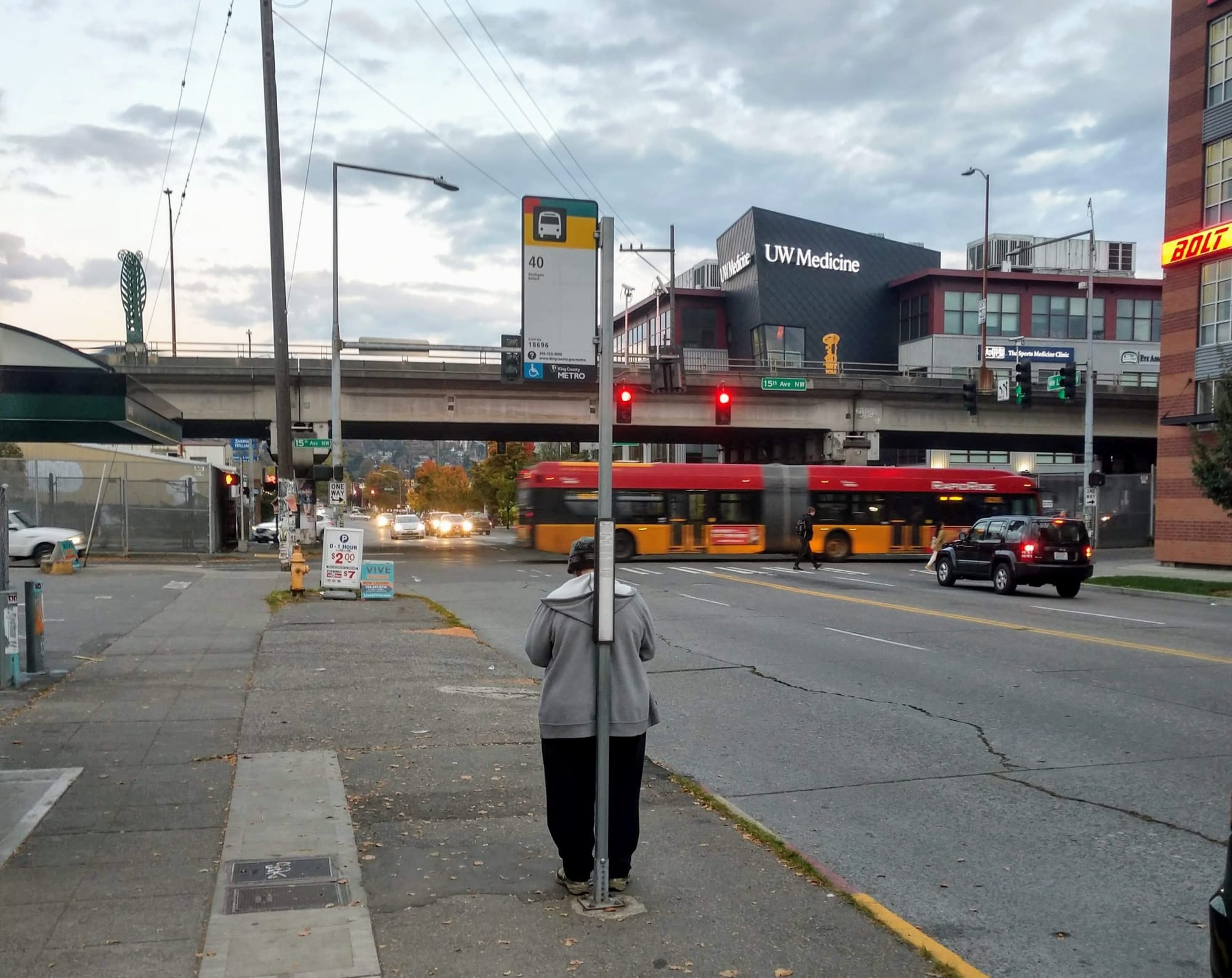
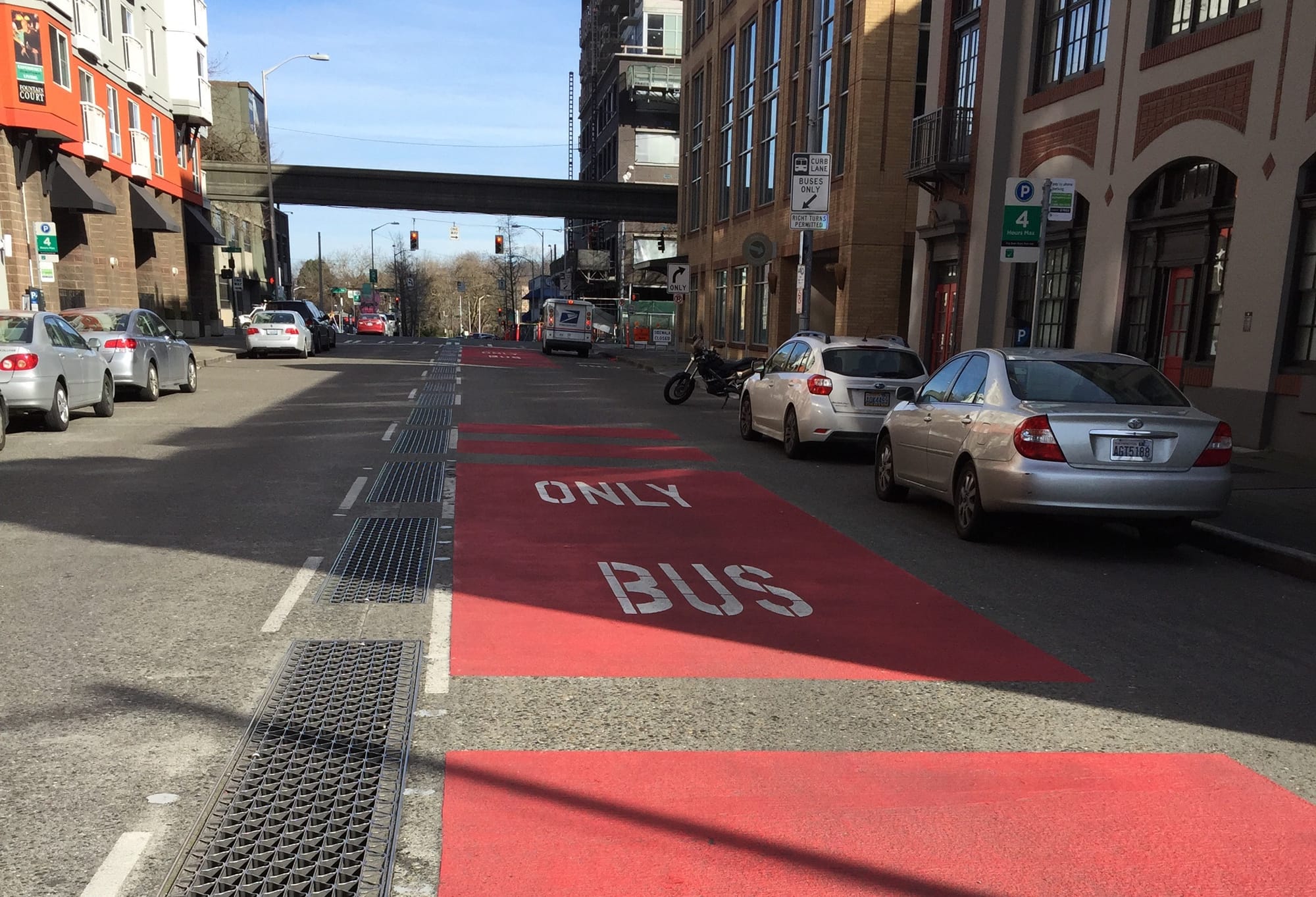
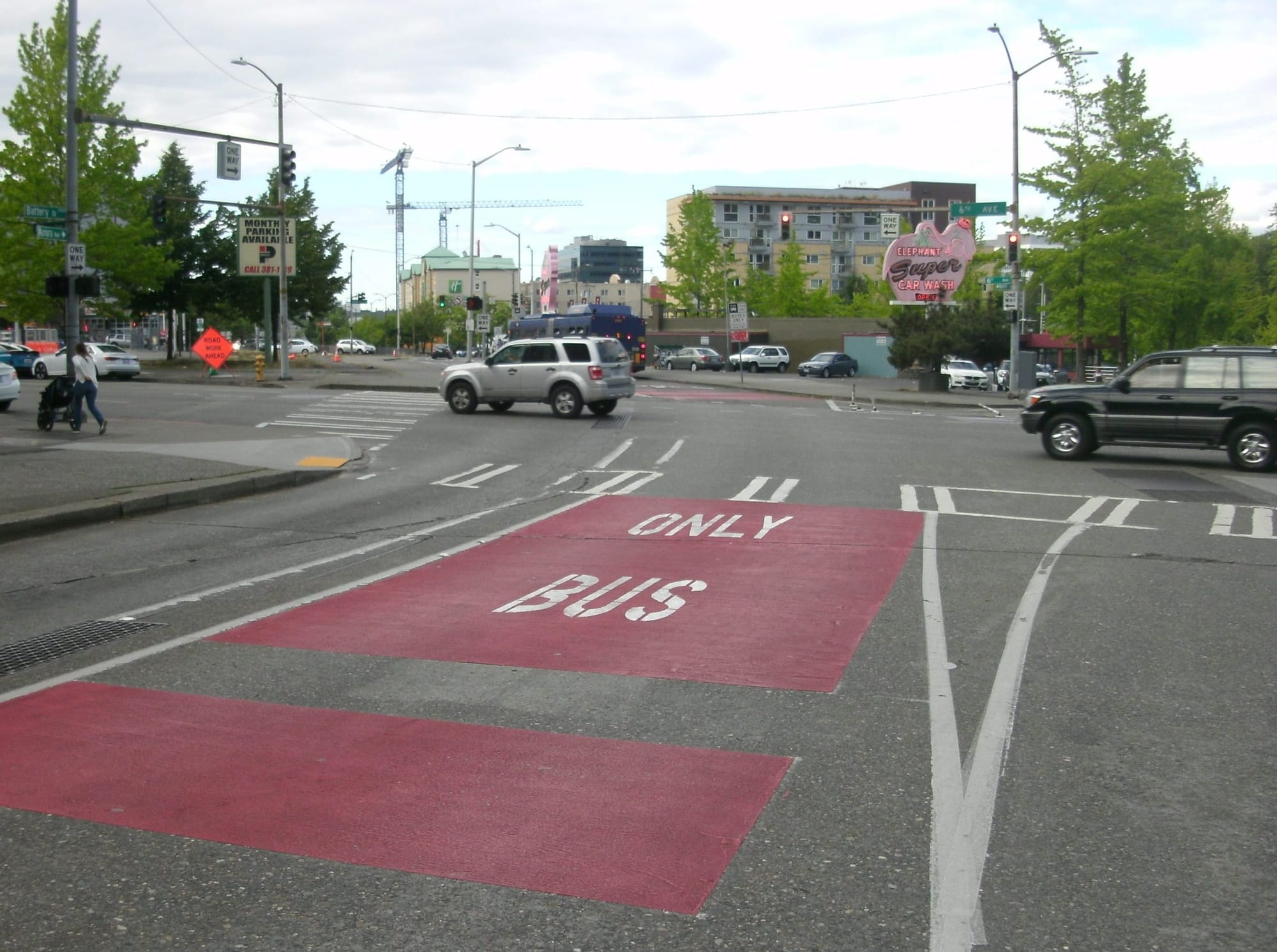
To an urbanist, there’s no sweeter sight than fresh red paint claiming a new bus lane. We have seen that sight a bit more frequently lately. The Seattle Department of Transportation (SDOT) has added about 32 blocks of bus lanes this fall, including stretches on Columbia Street, Olive Way,
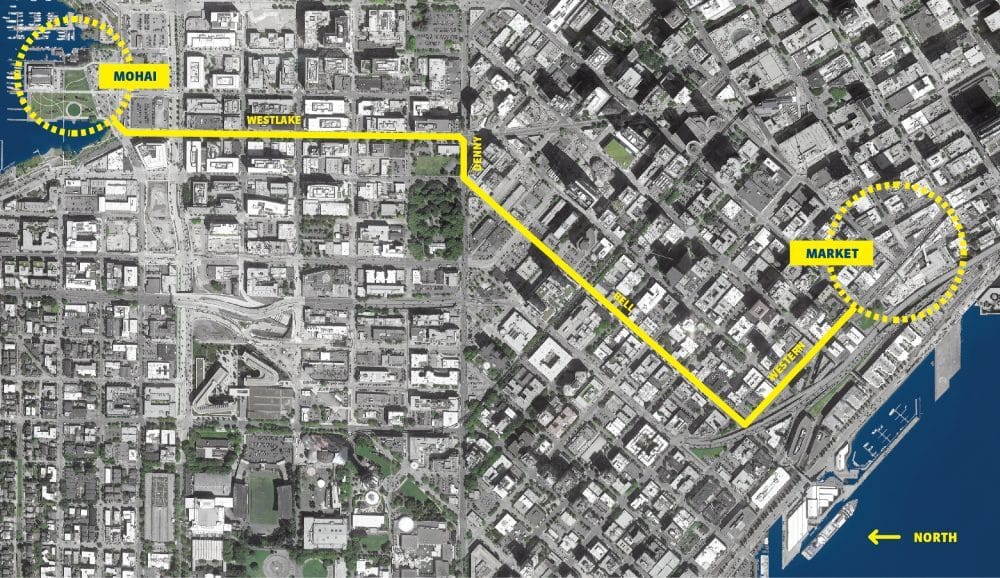
A pedestrianized Ballard Avenue and protected bike lanes on Roy Street in Queen Anne were some of the street safety improvements dealt a setback this week. The Neighborhood Street Fund projects that received the most votes were revealed to the Move Seattle Levy Oversight Committee this week, and the members
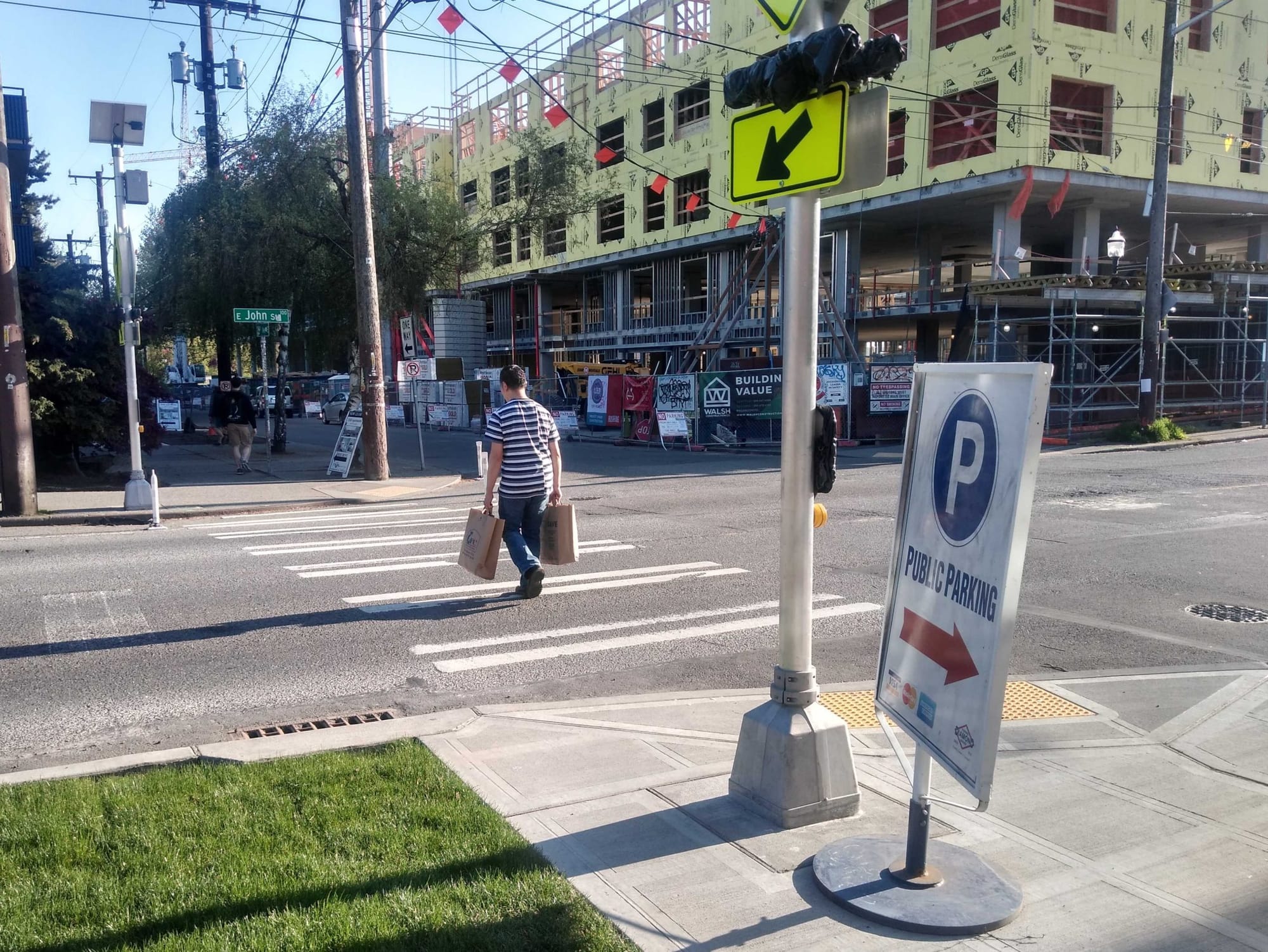
Seattle’s largest safe streets grant program, the Neighborhood Street Fund, is currently in the voting stage. Voting is open through Sunday, May 5th, with anyone with any connection to Seattle able to cast a ballot in each of Seattle’s seven council districts. The NSF program allows neighbors to
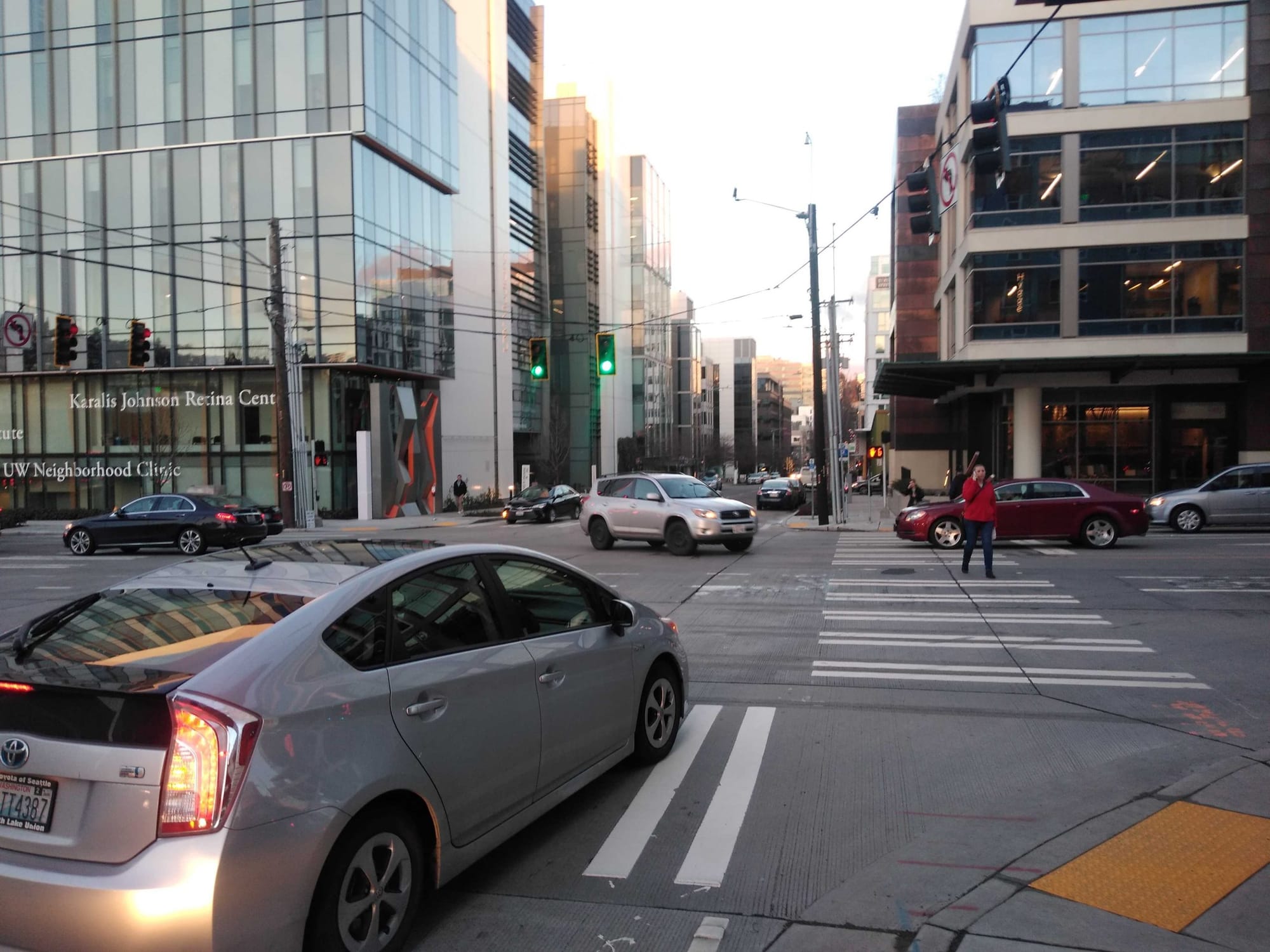
Preliminary data from the Seattle Department of Transportation (SDOT) shows the total number of serious injuries and fatalities on Seattle’s streets was virtually unchanged between 2018 and 2017, showing another year of stagnation toward our citywide goal of completely eliminating those types of collision results by 2030. This data
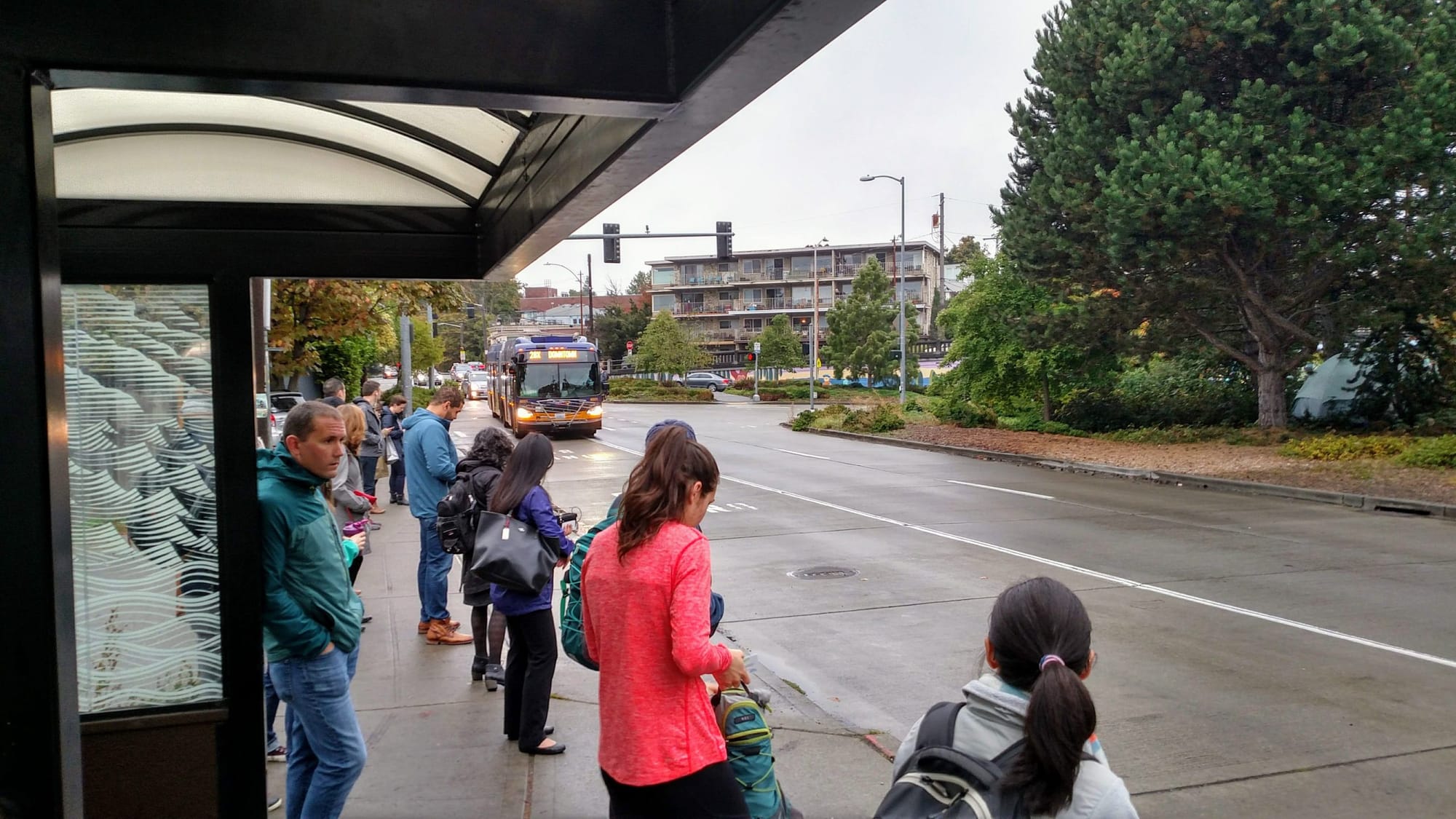
On Thursday, officials from the City of Seattle, Washington State Department of Transportation, and King County Metro held a joint press conference to discuss upcoming traffic impact responses that agencies will make in the wake of imminent closure of the SR-99 viaduct and long-term mega-construction projects happening in Downtown Seattle
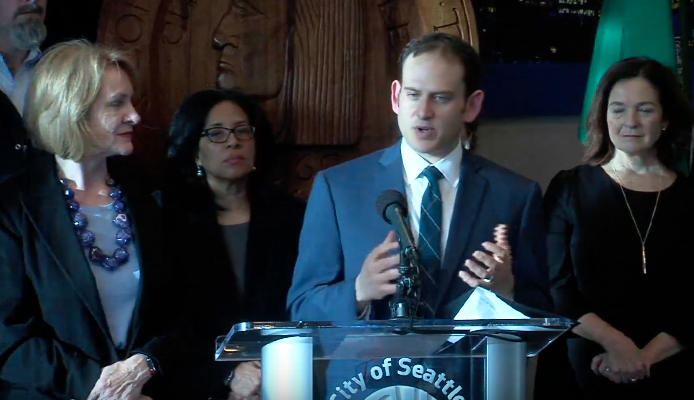
After nearly a year of interim directors, Mayor Jenny Durkan on Tuesday announced her pick to lead the Seattle Department of Transportation. Sam Zimbabwe, who will start work in early January, has spent seven years working at the District Department of Transportation, in the other Washington, most recently as the
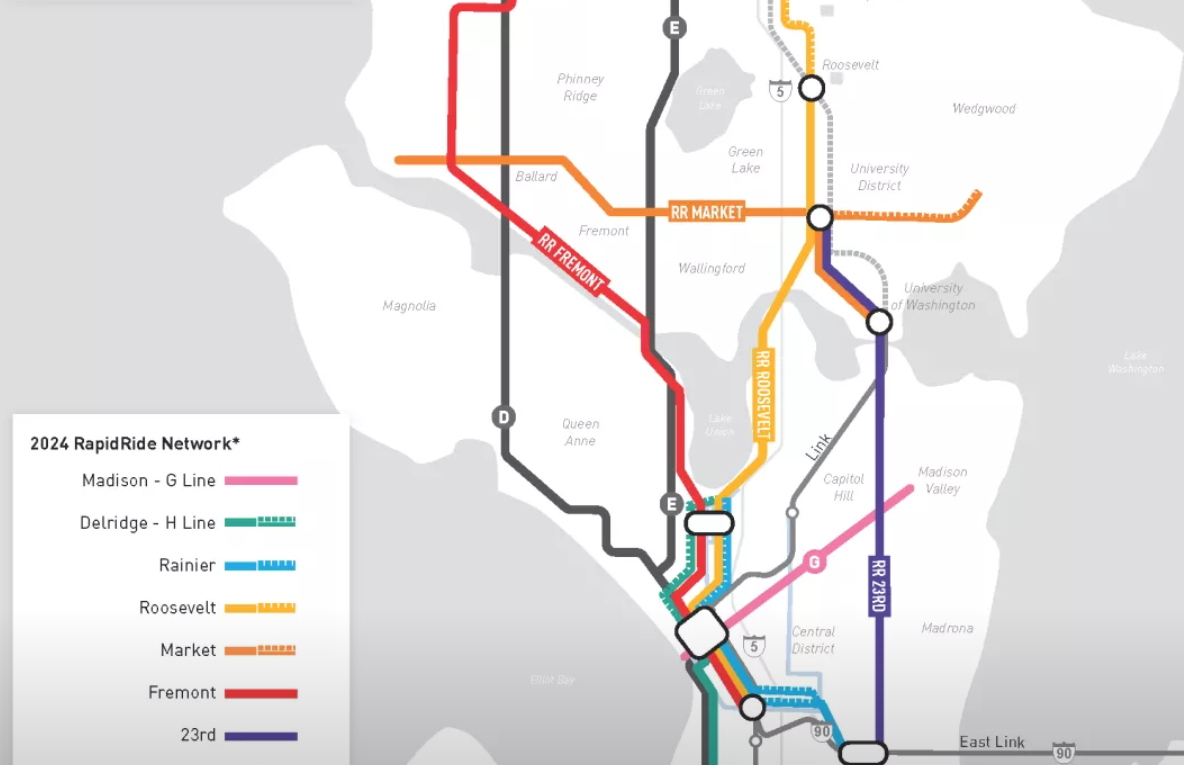
The rumors of the Move Seattle Reset have been swirling for months, but it remained unclear what that would mean beyond a sort of vague watering down of upgrades due to an estimated $96 million shortfall. Now it’s become clearer that the City is planning to abandon three of
While Lynnwood Link is slated to get its badly needed $100 million from Congress in the latest appropriation from D.C., Seattle’s RapidRide projects wait on the Feds and are just as essential in serving the city’s surging transit needs. Roosevelt RapidRide is one of the corridors that
The news on One Center City has not been very uplifting. The effort to keep Seattle moving during coming transit logjams got a re-brand to “Imagine Seattle,” but it appears to still be lacking for bold imagination and timeliness. The problem, dubbed the “Period of Maximum Constraint,” stems from convergence
$96 million dollars could be the new overall budget cap for all seven corridors that the Seattle Department of Transportation (SDOT) promised voters it would upgrade to prioritize transit, according to the newly released findings from the reassessment of the nine-year Move Seattle levy that has been taking place over
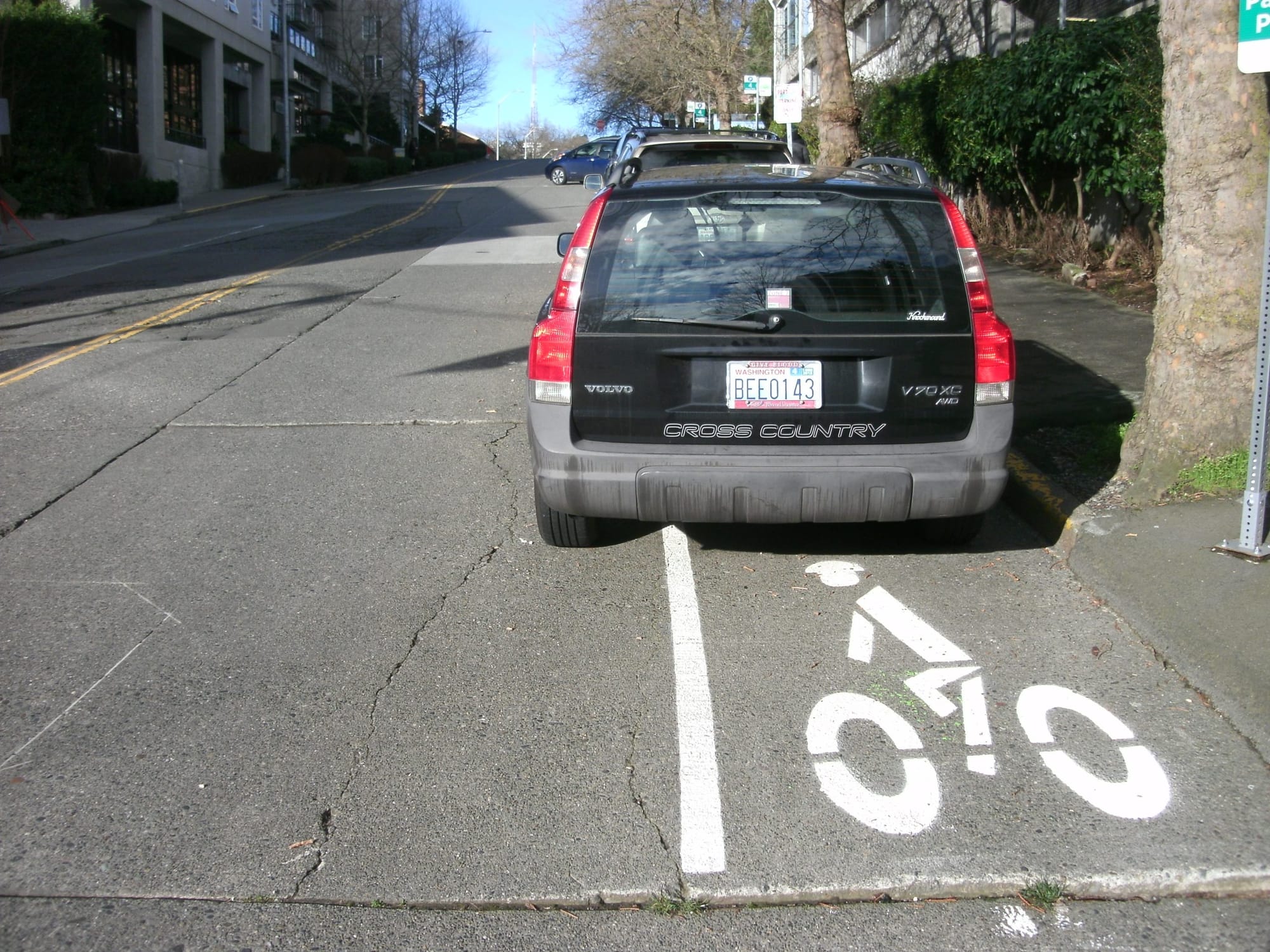
While we wait for the full results of the Durkan administration’s reassessment of spending and deliverables in Seattle’s nine-year Move Seattle transportation levy, details are starting to emerge on where exactly we are in certain programs. Last Wednesday, Interim Seattle Department of Transportation (SDOT) Director Goran Sparrman and
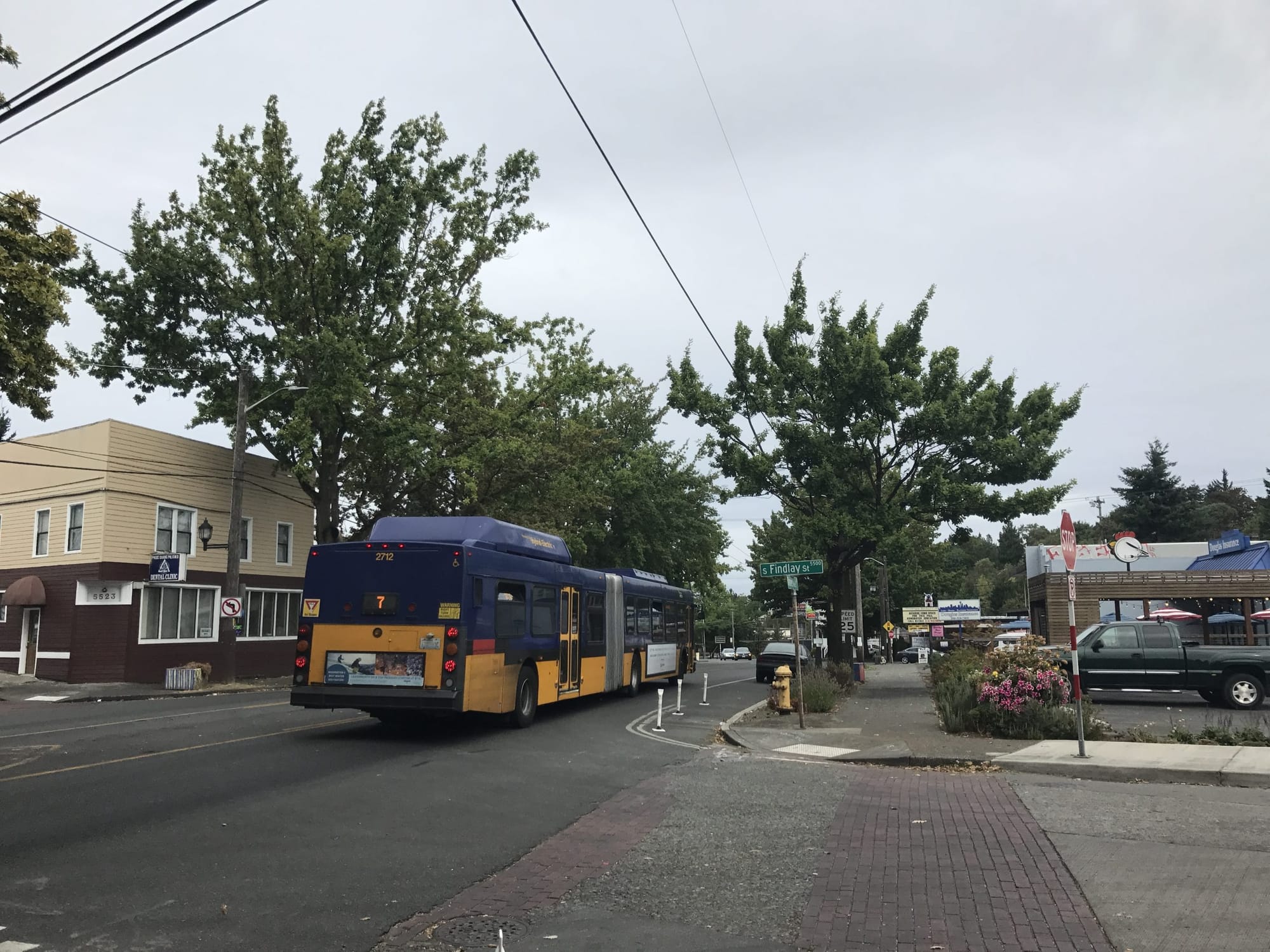
The Rainier RapidRide Line is coming to the Rainier Valley in 2021 and will provide very frequent 24-hour service and improve the quality of bus operations, bus stops, and bus design. The route will largely replace the existing Route 7, one of the busiest routes in the King County Metro
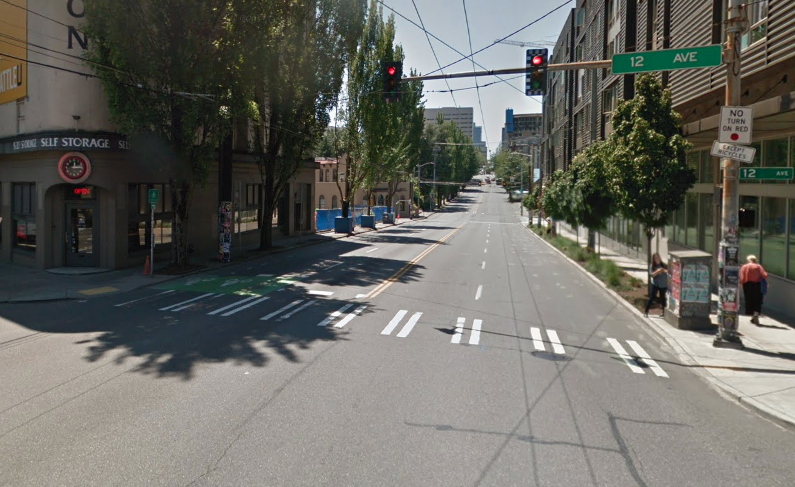
Seattle’s annual traffic report includes a map of the locations where pedestrian collisions occurred, with the number increasing with the size of the blue dot. Looking at 2016’s map, the data is much like previous years: it shows that pedestrians are most frequently involved in collisions in the
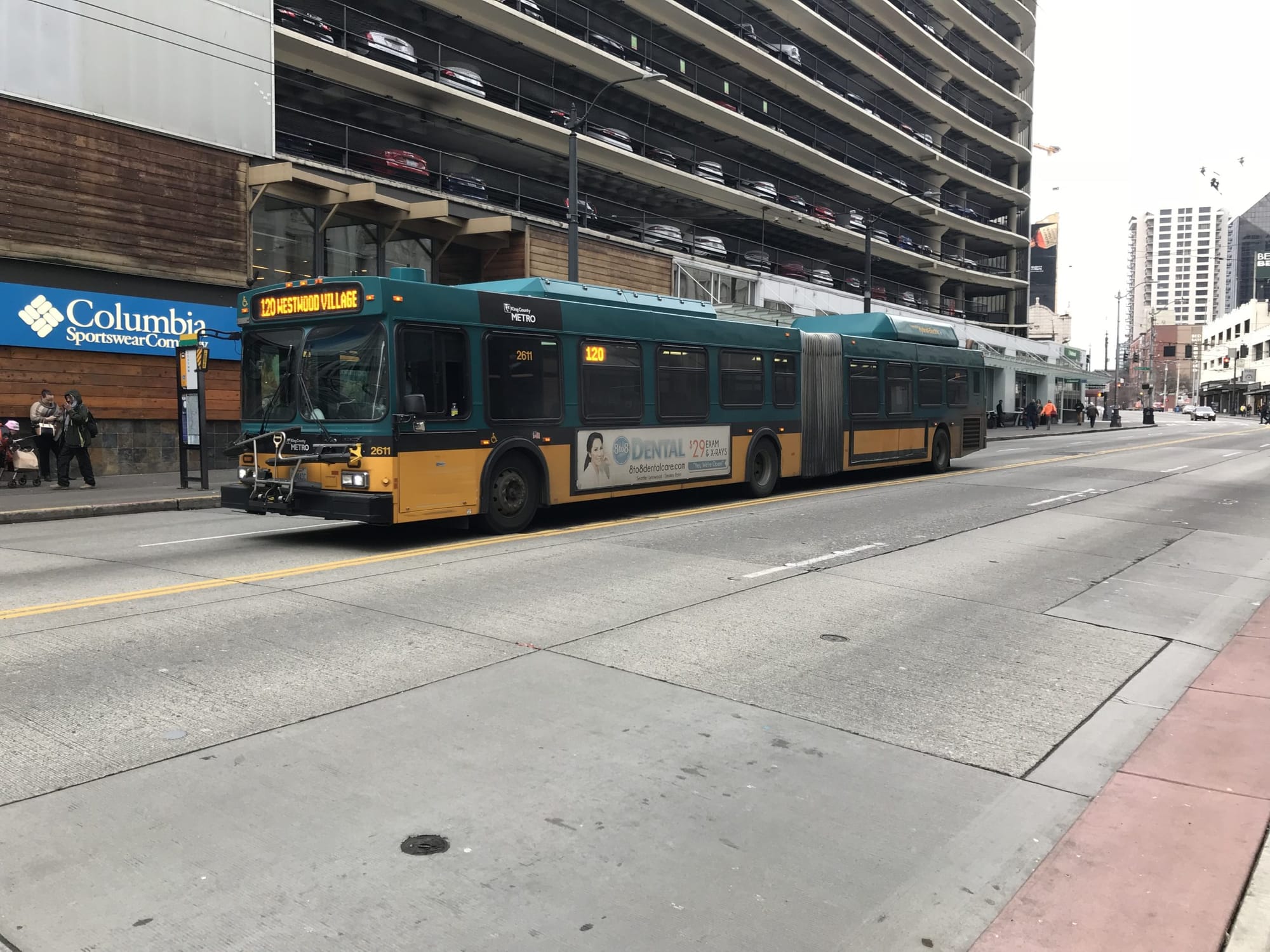
In 2020, King County Metro Transit will relaunch the Route 120 as the RapidRide H Line offering greater frequency, increased span of service, and improved service quality. The route threads together communities from Downtown Seattle to Burien by way of Delridge and White Center on a 13-mile corridor. On weekdays,
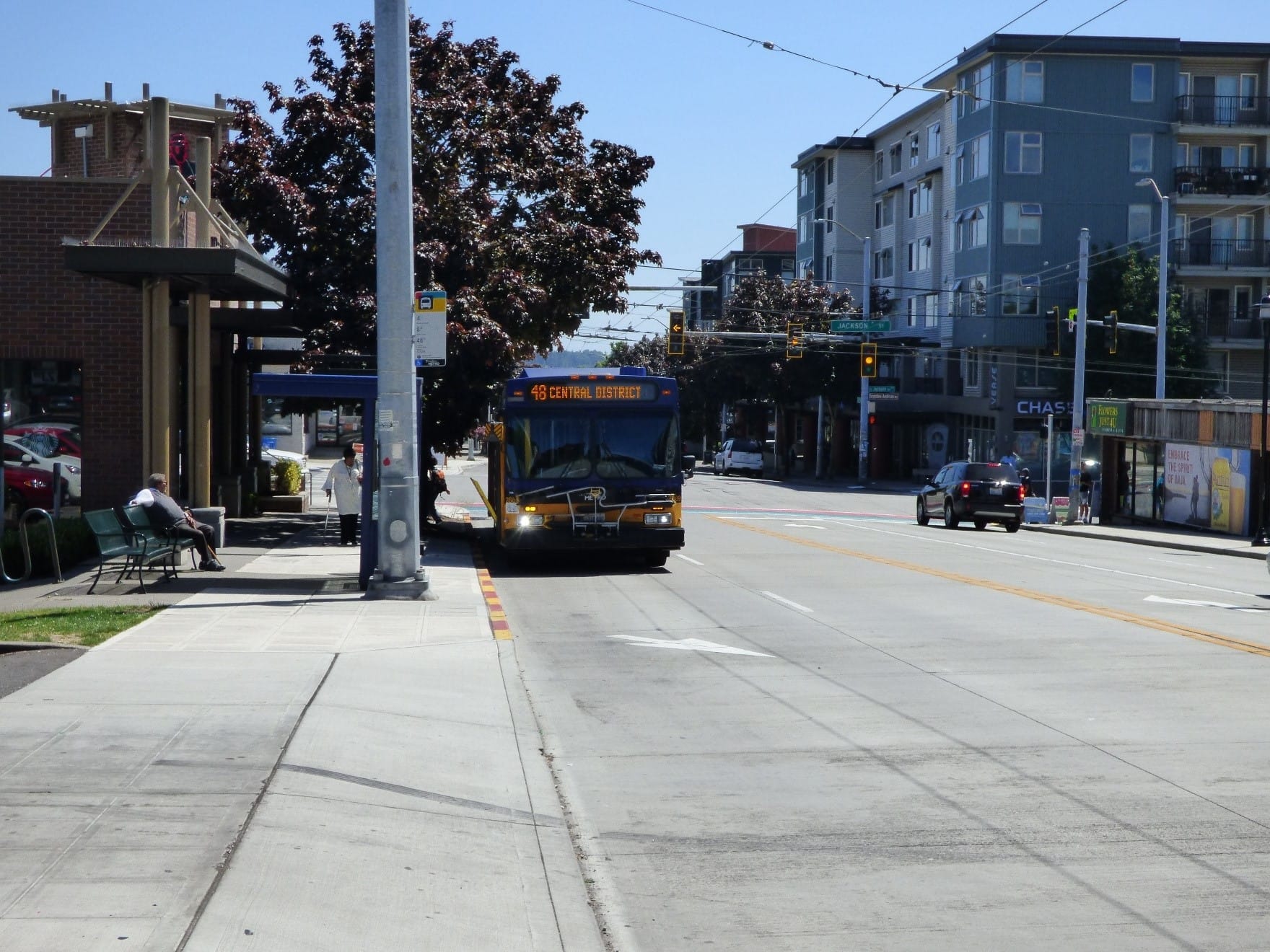
The Seattle Department of Transportation (SDOT) is in the midst of planning the second phase of corridor improvements to 23rd Avenue, a main thoroughfare linking neighborhoods from Montlake to the Rainier Valley. SDOT completed work on the first phase of the project earlier this year, which included a 1.4-mile
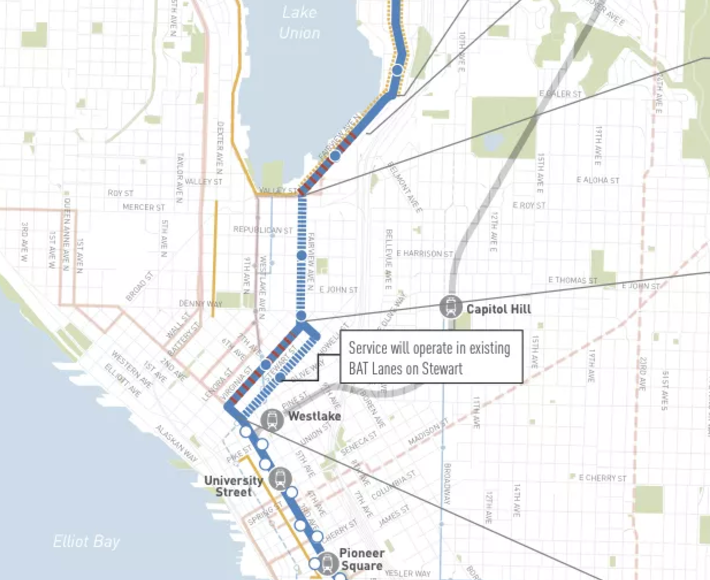
On Tuesday, the Seattle City Council got an update on the proposed Roosevelt RapidRide corridor. Seattle Department of Transportation (SDOT) staff shared details on the Locally Preferred Alternative (LPA) for the line, a required milestone for federal funding, which point to a transit line mimicking the one conceived in earlier
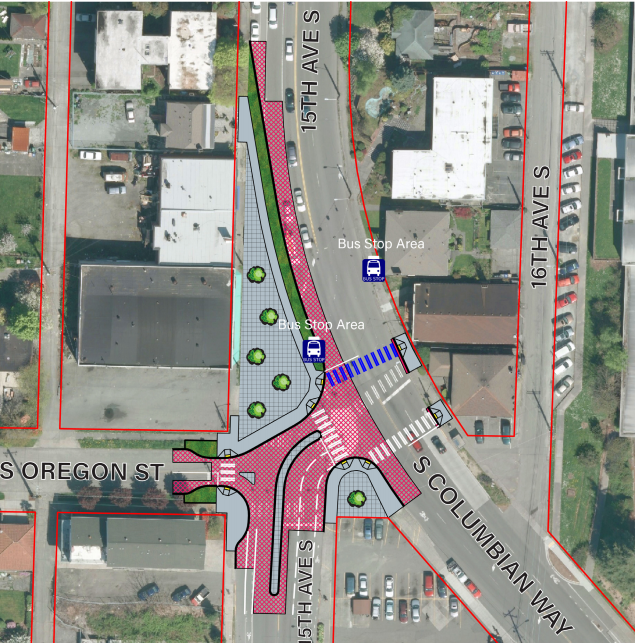
We have been covering the selection process all year long for the beefy neighborhood projects that are funded through the Neighborhood Street Fund program, a collaboration between the Department of Neighborhoods’ District Neighborhood Councils and the Seattle Department of Transportation (SDOT). This year, with Seattle’s new transportation levy providing
One of the main points made by the anti-movement in the lead up to last year’s vote on a Seattle-specific transportation levy, the nine-year Levy to Move Seattle, was the idea that promises had been made to Seattle voters in the previous transportation levy (Bridging the Gap) had not
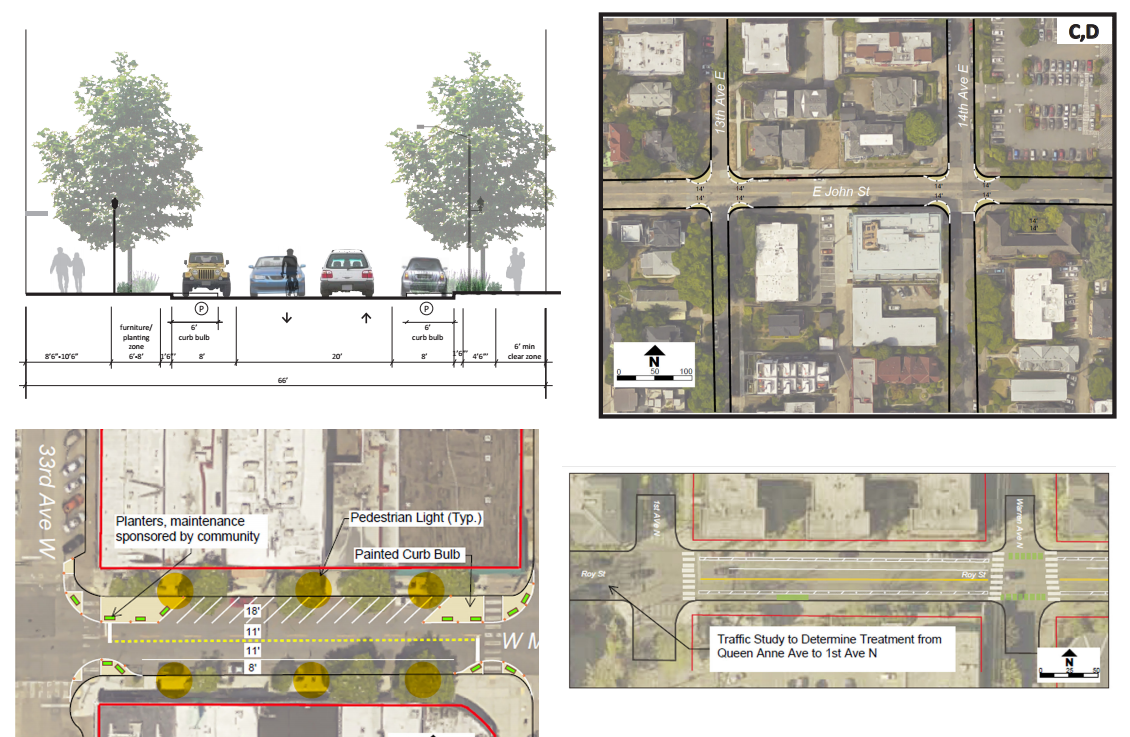
One of the biggest stories of the year for neighborhood groups has been Ed Murray’s dissolving of the District Neighborhood Councils. As we covered before, one of the biggest tasks that the DNCs had on their plates was a front-line say in the distribution of grant money, namely in
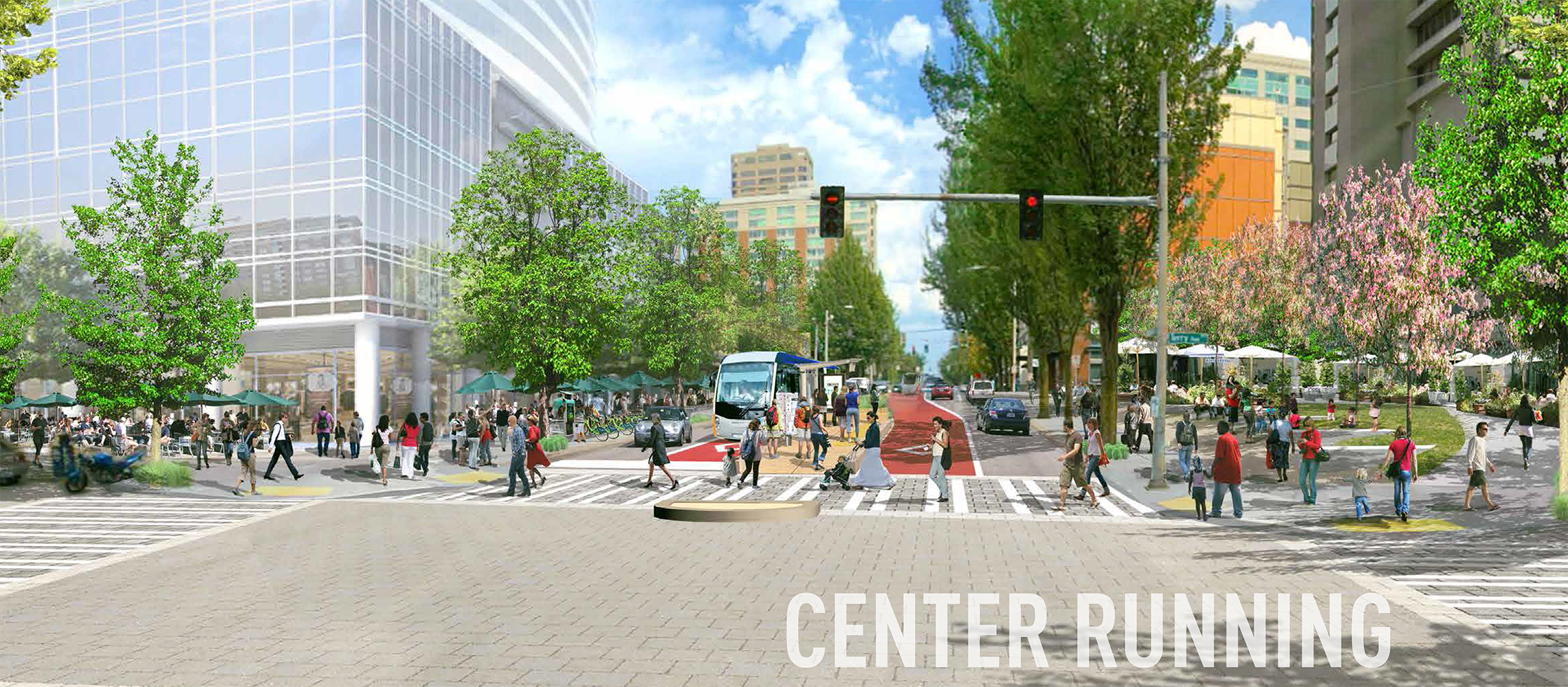
I covered the rollout schedule of the next batch of RapidRide+ bus routes. The seven corridors already account for more than 60,000 in weekday ridership according to 2015 numbers. The Seattle Department of Transportation (SDOT) expects the RapidRide+ upgrades to increase ridership by 50,000. Given the existing ridership
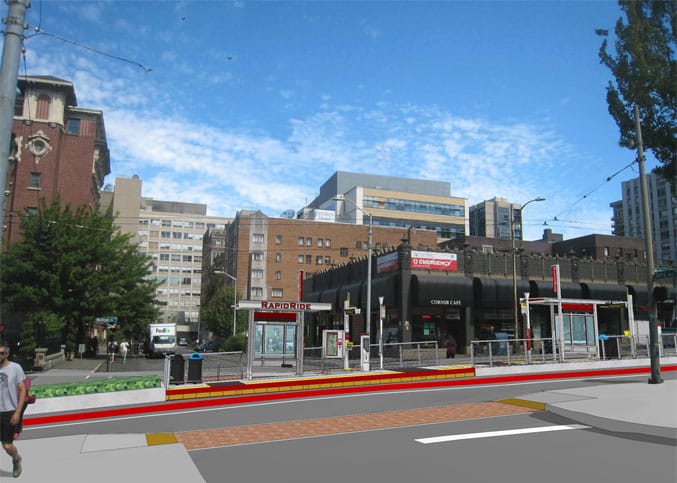
Relative to other medium-sized American cities, Seattle has a good bus network. What it doesn’t have is a true bus rapid transit (BRT) line. The Seattle Department of Transportation (SDOT) wants to change that with “Madison Bus Rapid Transit,” as it has labeled a new project in a corridor
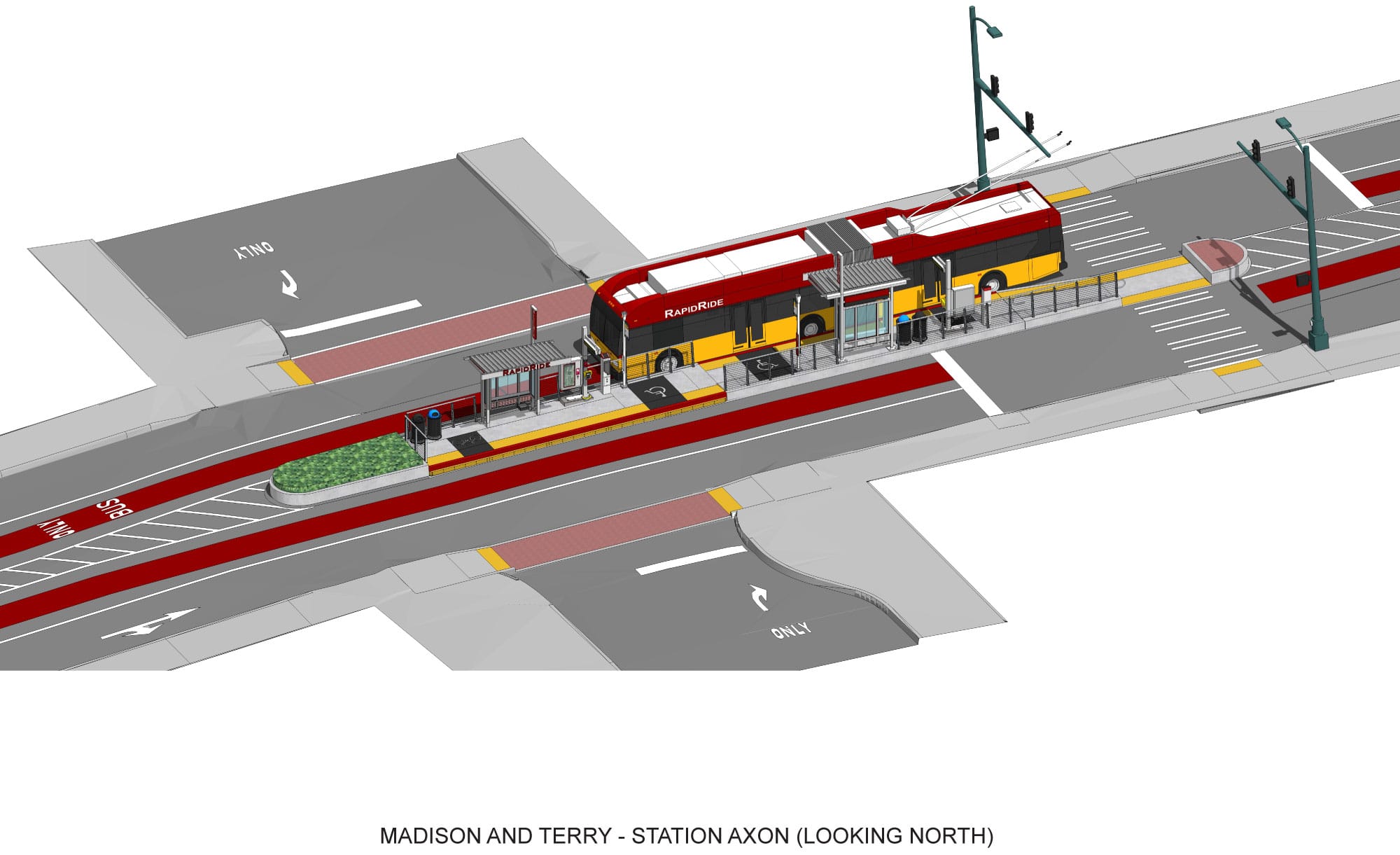
On August 3rd and 4th, the Seattle Department of Transportation (SDOT) held public open houses where they unveiled the 30% design for its Madison Street Bus Rapid Transit (BRT) project. Identified in the 2012 Seattle Transit Master Plan as a priority corridor for High Capacity Transit and later designated as
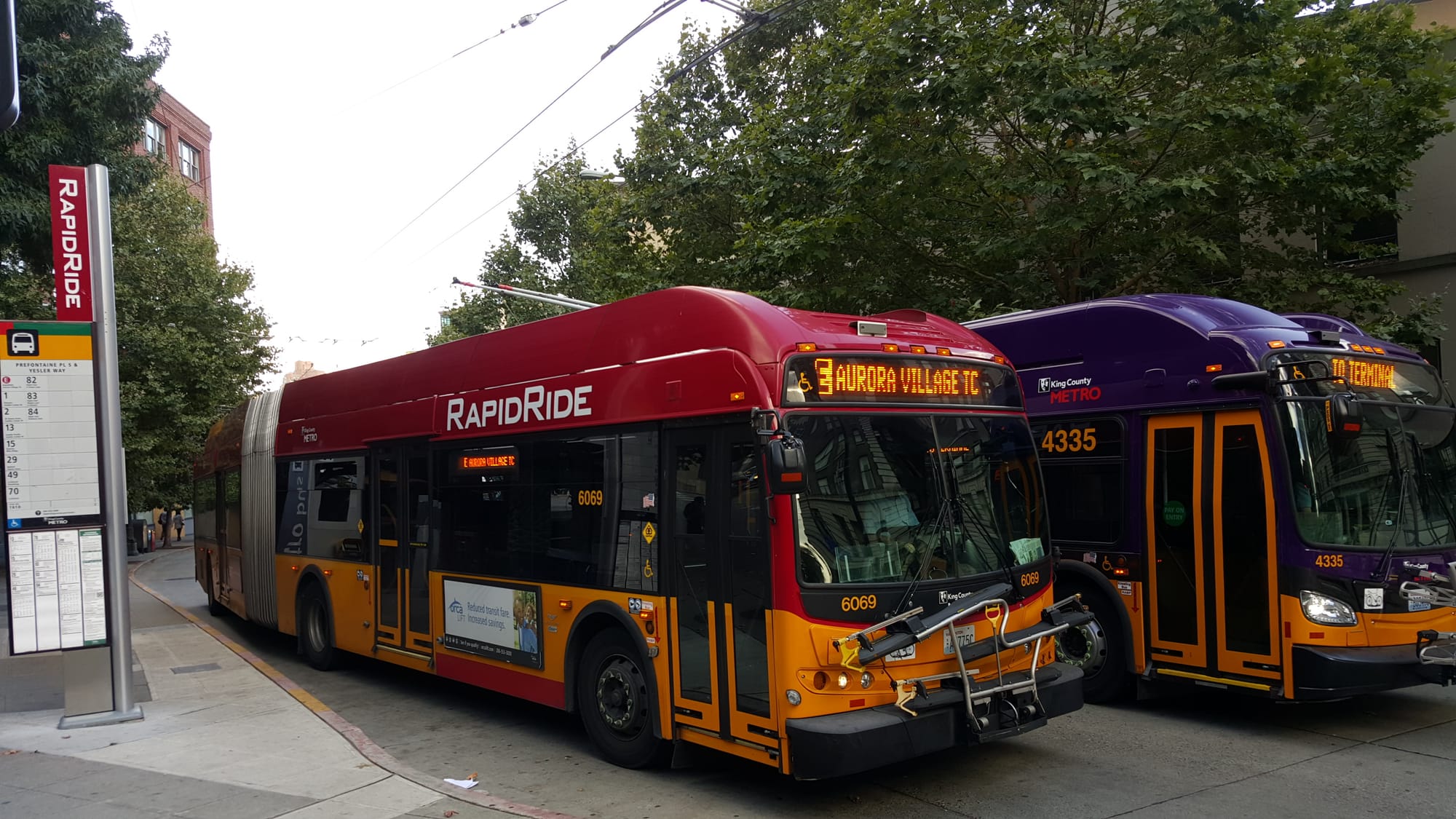
The Seattle Department of Transportation (SDOT) revealed on Saturday its preliminary timeline for rolling out the seven RapidRide+ lines promised in the Move Seattle transportation levy. Madison and Delridge come first in 2019, whereas the 23rd Ave E upgrade isn’t slated until 2024. Seeing the timelines makes the bus
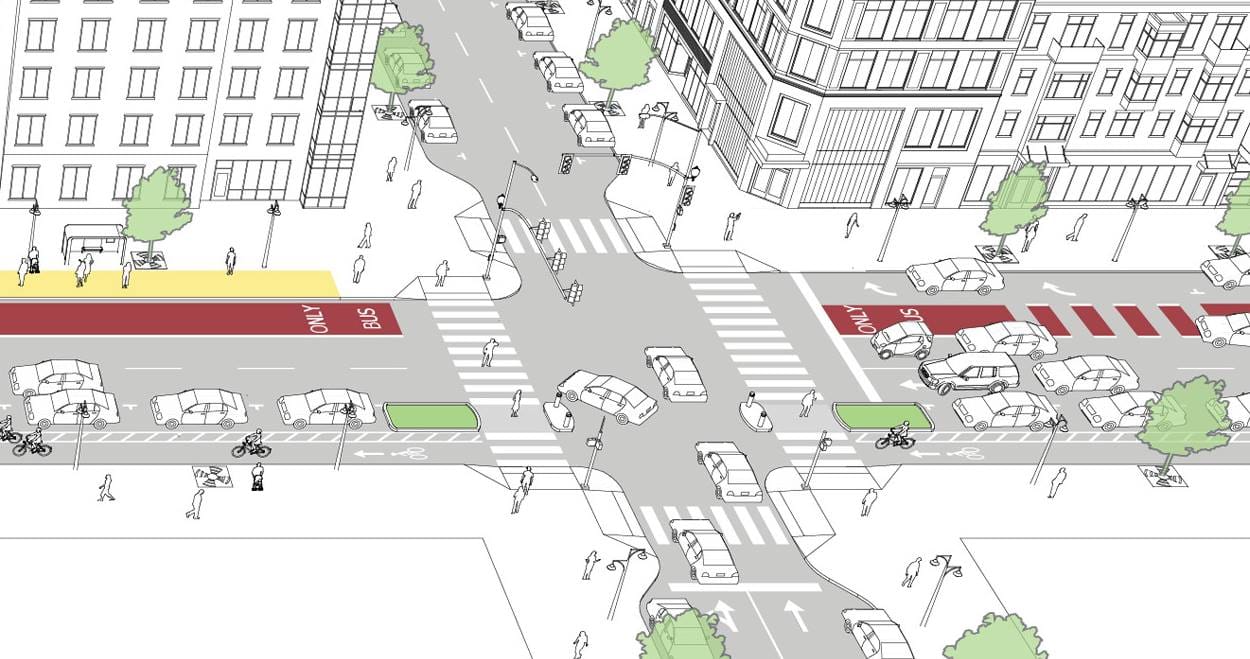
How can Seattle’s transit, walking, and biking advocates work together to create a safe and reliable transportation system? The Move Seattle levy promised to implement 7 “Rapid Ride Plus” corridors by 2024, with two of those currently in the planning stages. The levy also promises to implement walking and
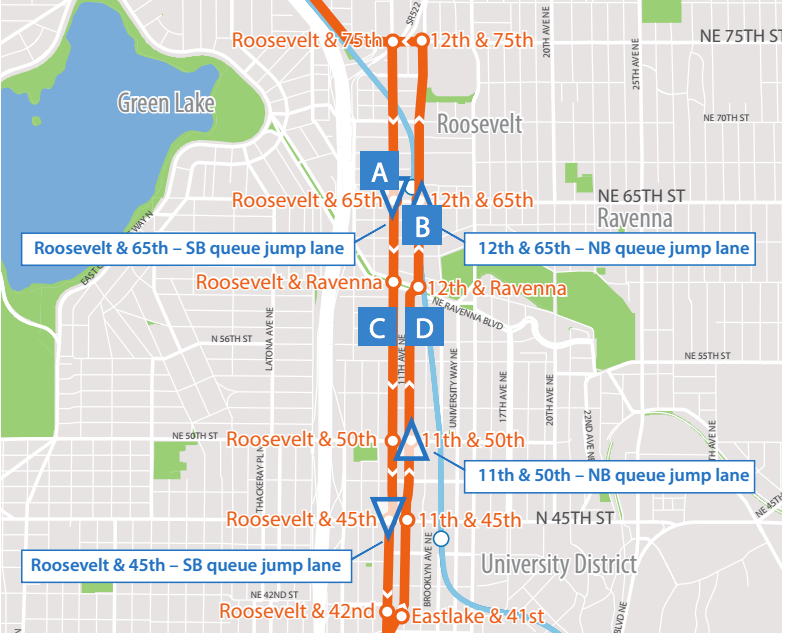
Almost all transit advocates are in agreement that the proposal that the Seattle Department of Transportation (SDOT) unveiled in late June for improvements to turn the Eastlake and Roosevelt corridor into a high capacity transit corridor leaves much to be desired. SDOT was tasked with analyzing the level of investment