📰 Support nonprofit journalism

Research

New Round of Studies Underscore Benefits of Building More Housing

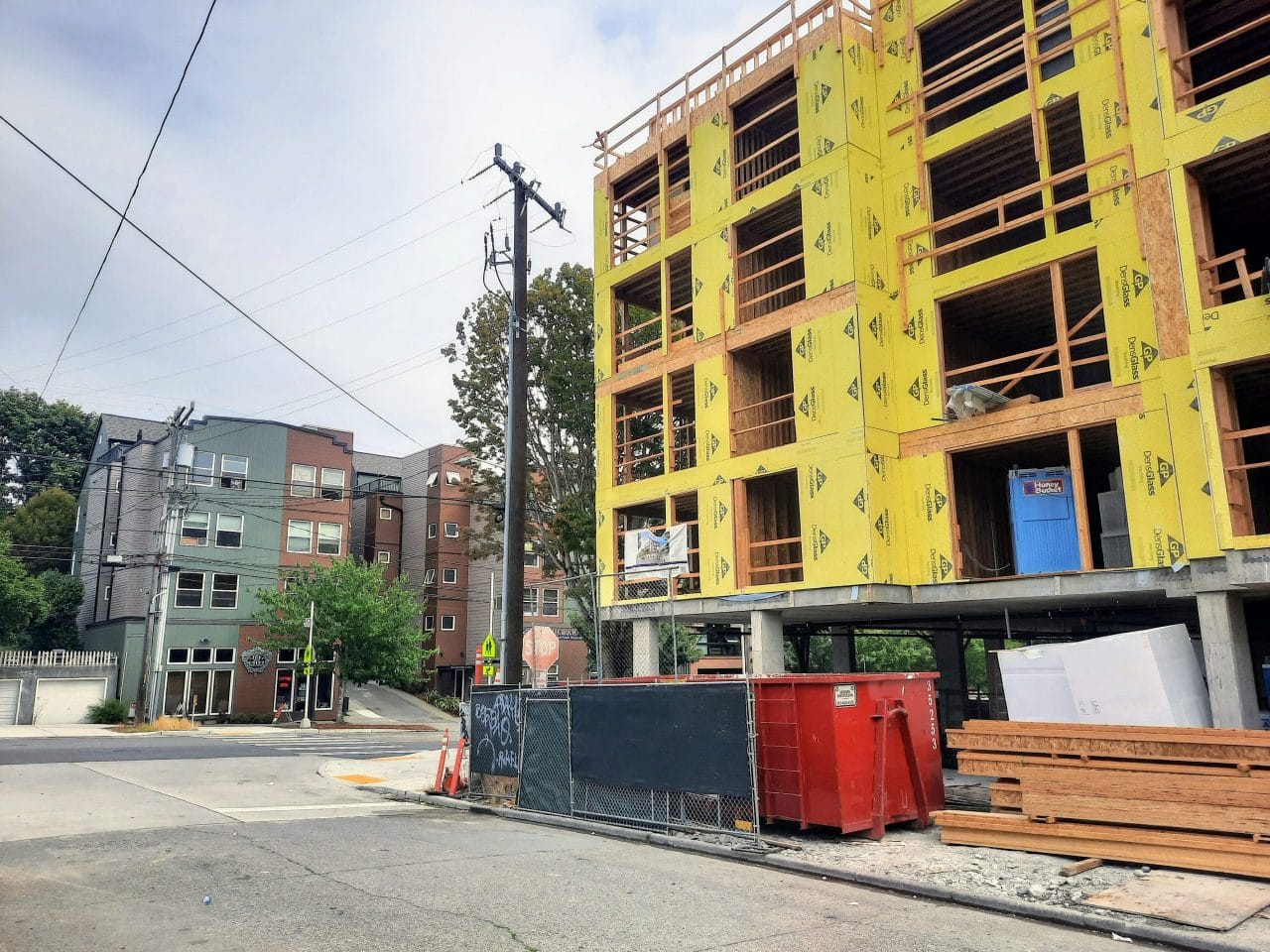
Recently, a flurry of studies about the effects of new housing supply has emerged. They rebuff skeptics, who argue against building more housing. In a research roundup, University of California Los Angeles (UCLA) researchers Shane Philips, Michael Manville, and Michael Lens conducted and arranged a review of the new literature.

Smart Grids: Technology for a Green Urban Energy Future

The buzzwords “smart grid” have been floating around in environmentalist circles, national security circles, and it’s even made an appearance in urbanist media. Hype surrounding the “smart grid” claims major environmental benefits, increased affordability, and energy security. So, what is the “smart grid” and what does it look like?

Claim a Free Book and Join the Anti-Racism Discussion

When America elected a White Nationalist three years ago, we ramped up our work to better understand structural racism, Whiteness, and how unjust systems stay stubbornly in place. Do you want to explore why oppressive systems keep getting reproduced generation after generation, despite good intentions? Do you want to strengthen

Mapping Historic Ballard Grand Reveal Today

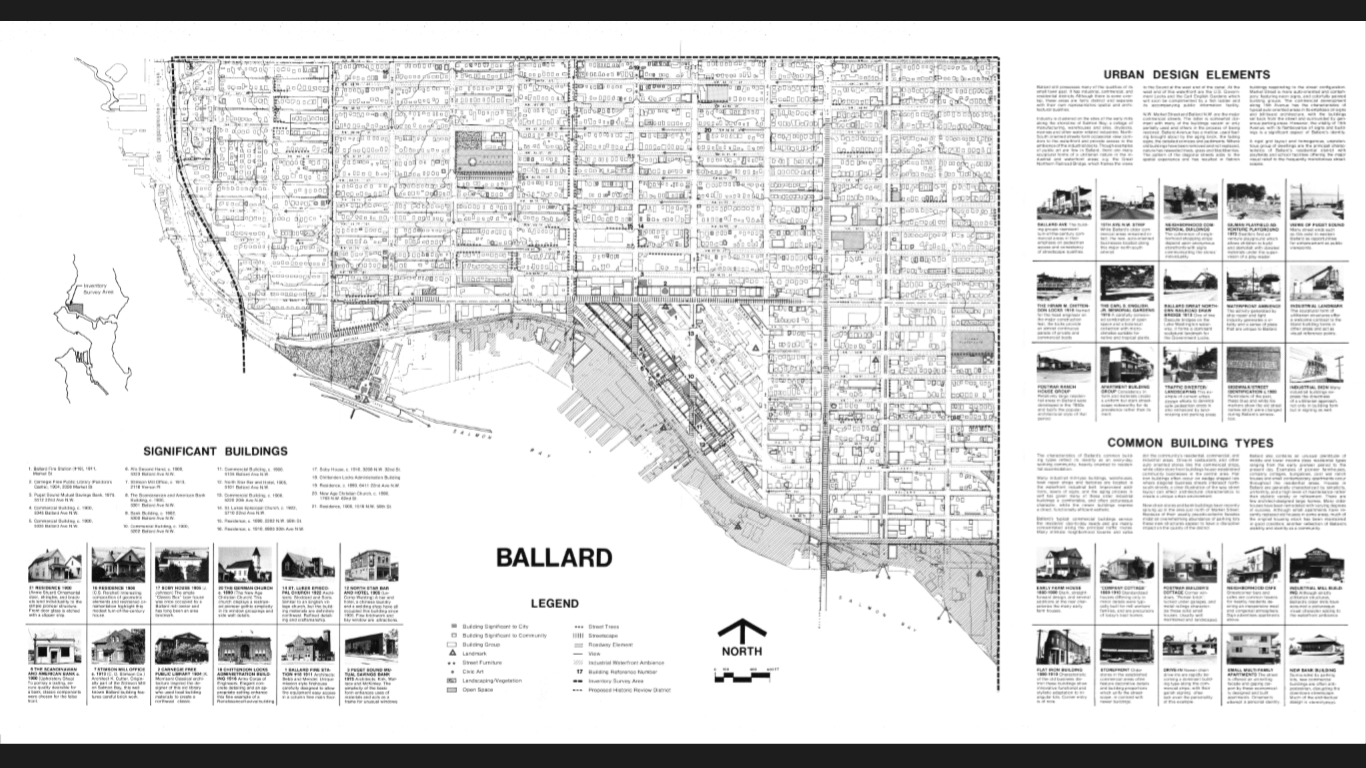
It’s been a long haul since the November kick-off, but wait until you see what over a hundred volunteers mapped over 1,000+ hours and what it reveals. There’s an extraordinary amount of historic buildings in Greater Ballard. The maps created from all the data (7,300+ structures,

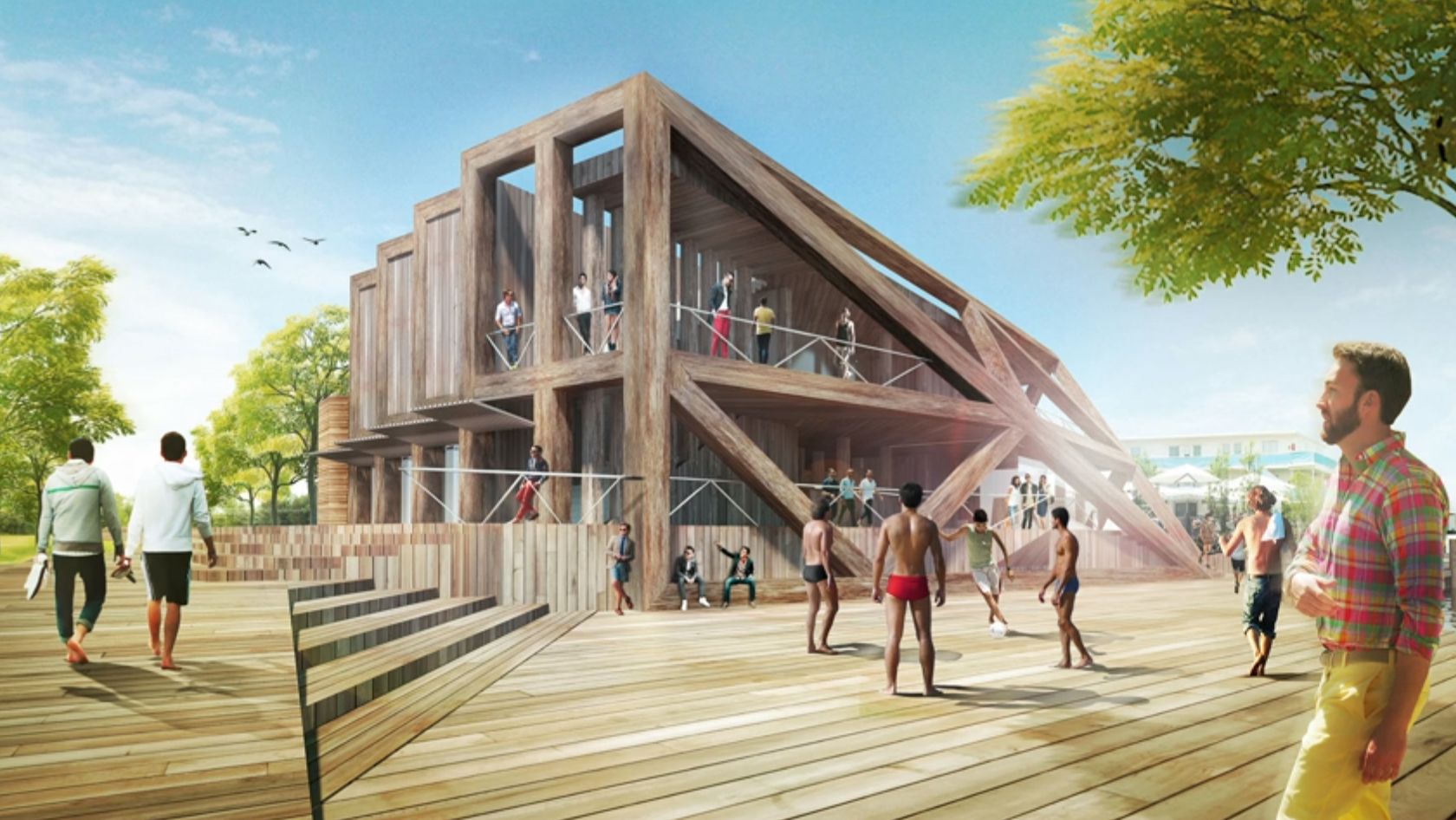
Sunday Video: Design Shaped By The Community

“Americans spend 90% of their time indoors” explains Marc Kushner in this animated talk in which he discusses how architecture shapes us and triggers our emotional connections to places. He discusses how designers shift between being innovative and relying on traditional symbols as they respond to changing style, technologies, and

Sunday Video: Life Between Buildings

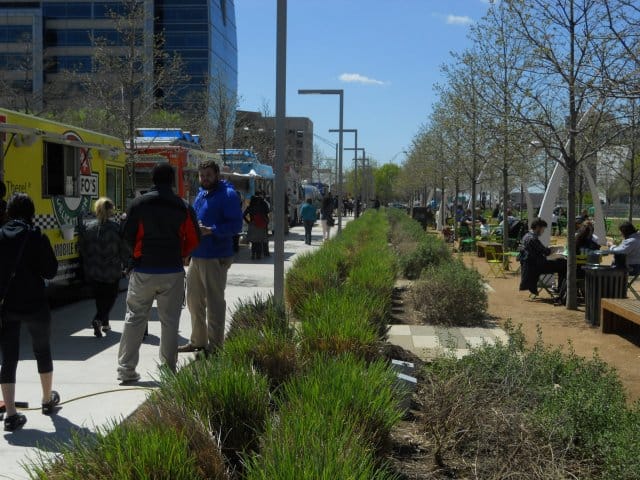
Tobias Lau, of Social Action, described how prior to learning about the innovative research about social life and experiences in cities led by Danish architect Jan Gehl, he had considered city development as “something that happened in front of me. Not something I could take part in.” As Lau gained

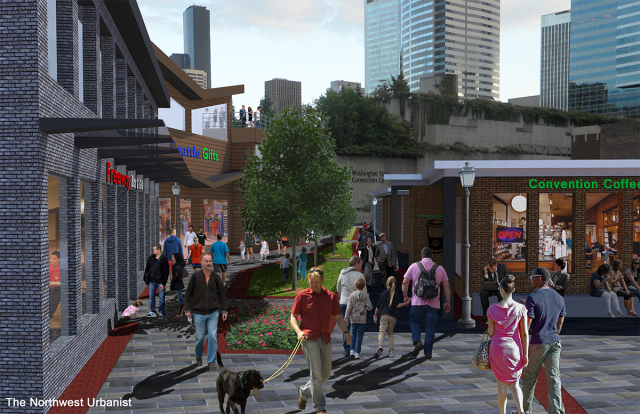
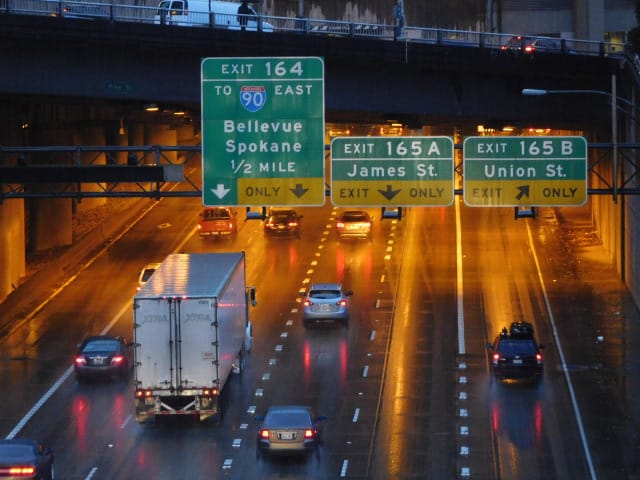
Lidding I-5 in Downtown Seattle: The Time To Act Is Now

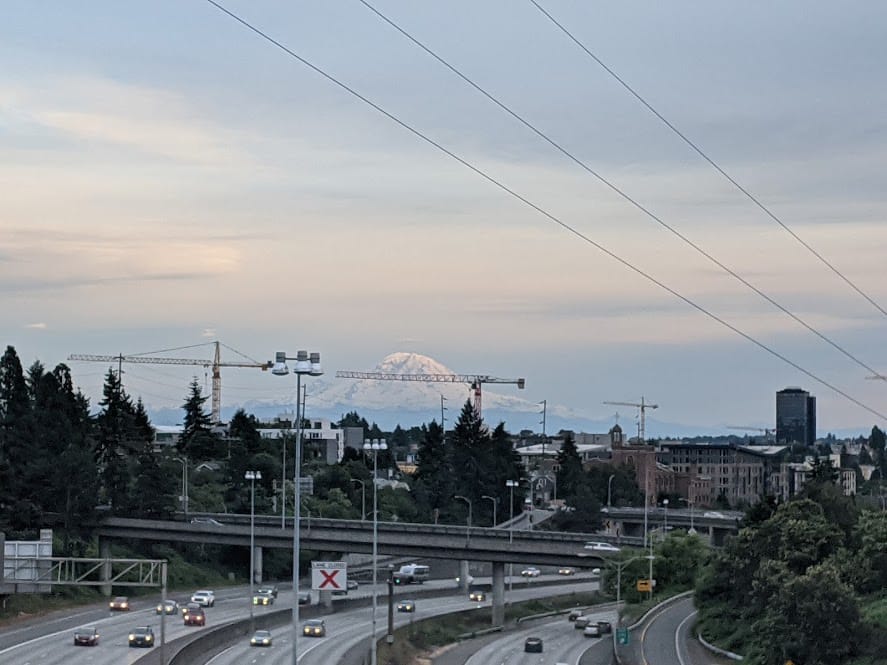
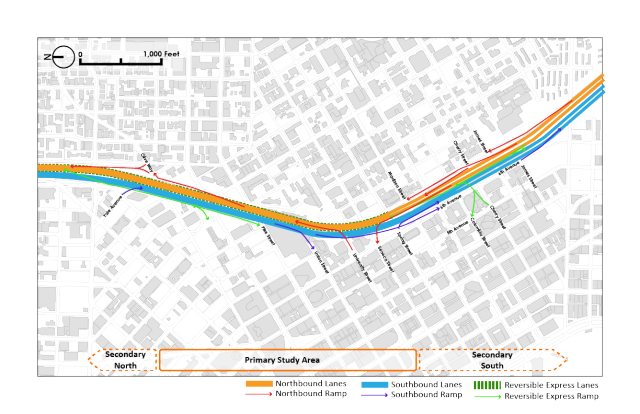
Amid Seattle’s rapidly growing inner neighborhoods remains the urban scar of I-5, a massive concrete and steel ribbon that is the lasting legacy of 20th century transportation engineers. It helps move thousands of people and tons of freight every day through the biggest city in the Pacific Northwest, but

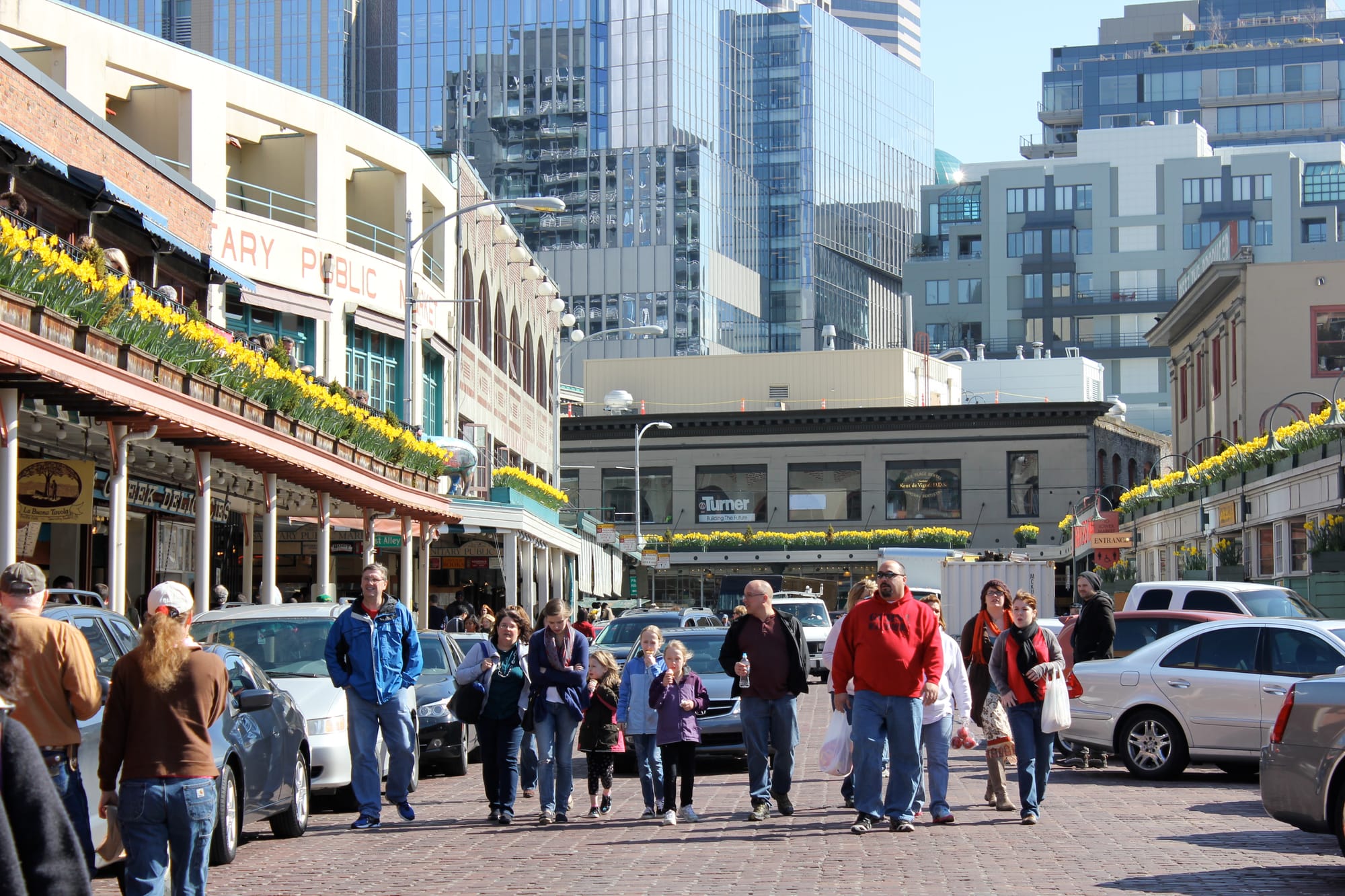
Observing People in Pike Place, Part 2

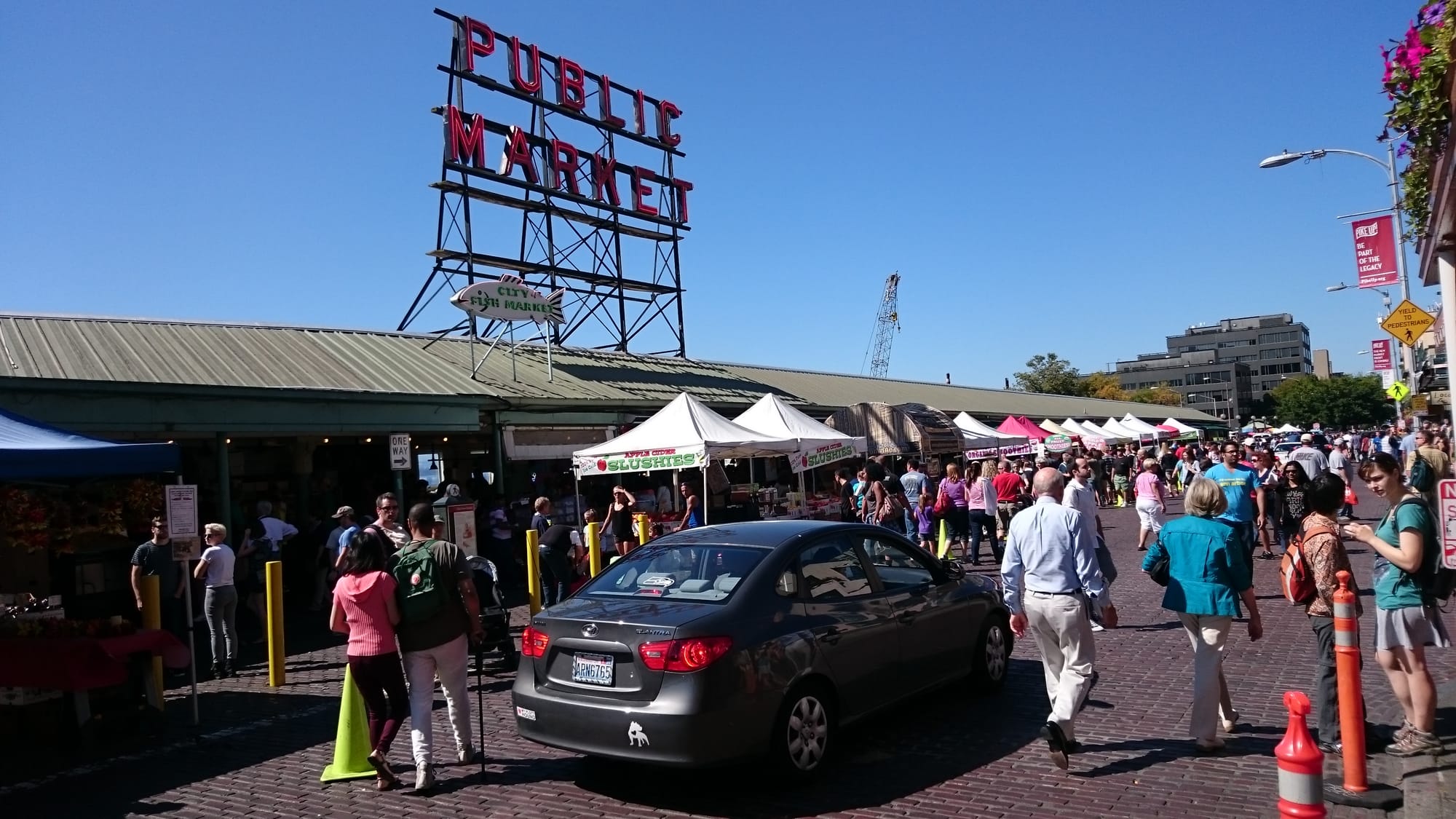
Article Note: This is the second installment in a series on observations of people in Pike Place. See Part 1 for a brief background of public life studies, and observations of the existing design features and transitory activity at Pike Place. This part focuses on stationary activity.  As discussed in

Observing People in Pike Place, Part 1

Article Note: This is the first installment of a series on observations of people in Pike Place. Part 1 focuses on existing design features and transitory activity.  “…please look closely at real cities. While you are looking, you might as well also listen, linger and think about what you see”

Sunday Video: The Value of Data Sharing

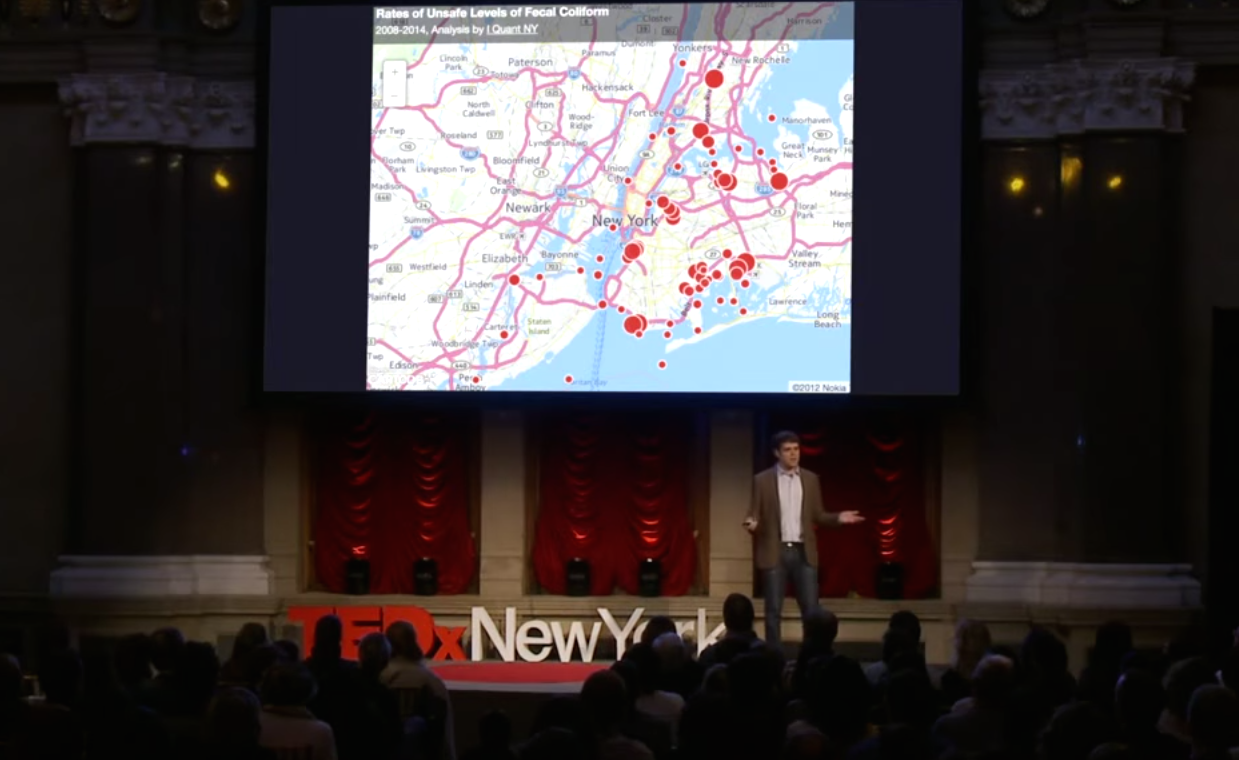
Releasing data captured by government agencies in an accessible way to the public, has the potential to produce interesting insights about city life. Ben Wellington highlights how open data can empower citizens and help to make places better.

Sunday Video: The Power of Storytelling Through Data

Ben Wellington uses data in innovative ways to tell interesting stories which enhance our understanding of cities. In comedic fashion, Wellington explains some of the quirky New York data sets he has mapped, and what they can tell us about the city. He demystifies the complexity of data, highlightin

Top Apps Emerge from Seattle’s Commute Hackathon

At the end of Seattle’s Hack the Commute on Sunday night the judges selected three potentially game-changing software applications for further development. Over the weekend 14 volunteer teams of data scientists, transportation experts, designers, and software developers created prototypes of smartphone tools that could improve the travel experience across

Galway’s Lessons for Seattle

I recently went to Galway, Ireland, which was my first time out of North America. I had a ton of fun, and I also learned lots and lots. This is the first in a series of posts where I will try to share some of what I’ve learned. As

Is Seattle The Fastest Growing Big City In The US?

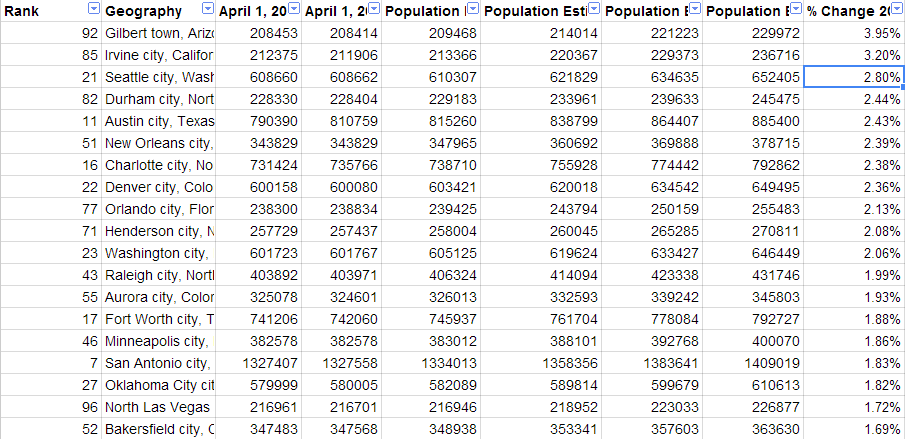
Yesterday morning the Census Bureau published a press release titled, “South, West Have Fastest-Growing Cities, Census Bureau Reports; Three of Top 10 are in Texas Capital Area.” The article has links to the best estimates for growth between July 2012 to July 2013. Sure enough, three cities in central Texas

More Evidence To Build More Housing

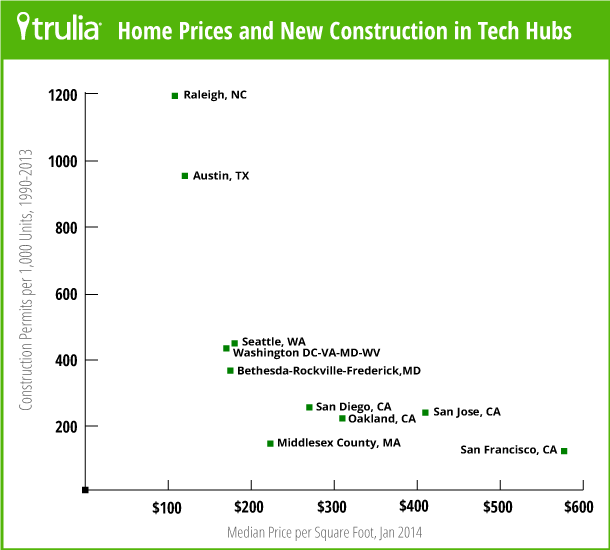
If you are concerned about housing costs, you should know that building a lot more housing will be critical to control or reduce costs. We previously discussed a graphic that showed how the cost of homes seemed to correlate with the number of permits for new housing. You can see

Revisiting A Rapidly Changing Seattle: South Lake Union

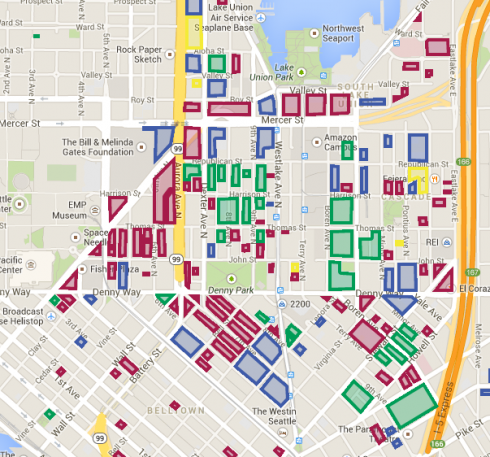
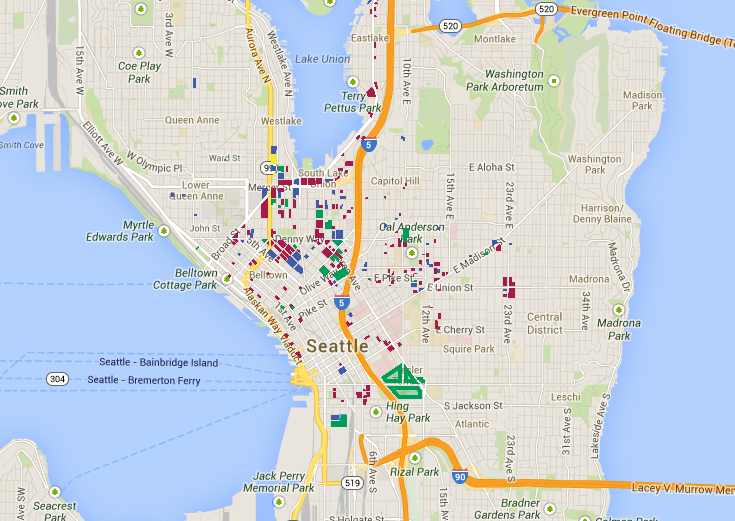
Color Theming: Red = Developable, Green = In Design/Planning, Blue = Under Construction, and Yellow = Completed It’s been only three months since I first wrote about A Rapidly Changing Seattle. In that article, I highlighted the amazing amount of development taking place in Seattle and the city’s capacity for growth.

Seattle Neighourhoods: Not Just for Single-Family Homes

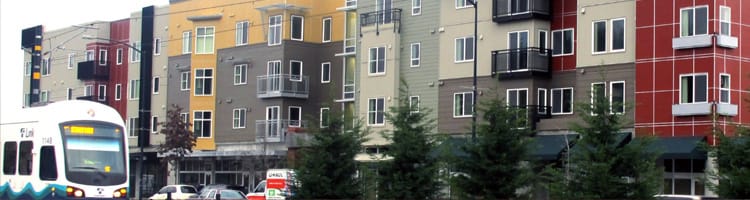
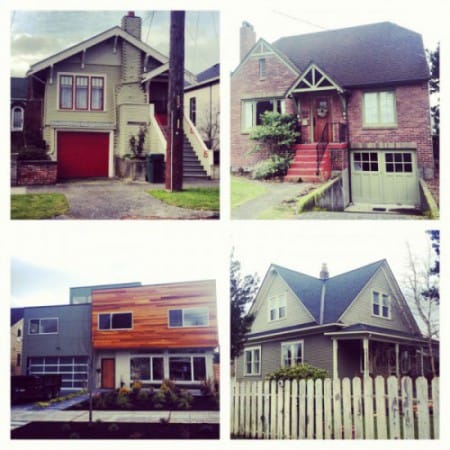
Look around a residential neighbourhood in a typical American city, and you will see an ocean of single-family detached homes. There is a myth that it has always been this way. In reality, many cities have historically allowed a diverse mix of buildings and uses in residential neighbourhoods: duplexes, row

A Rapidly Changing Seattle

We all know Seattle is in the midst of a development renaissance. But just how much development are we experiencing and where? What will that growth look like? And will we still have room for further growth in the future? I set out in search of answers to these questions.