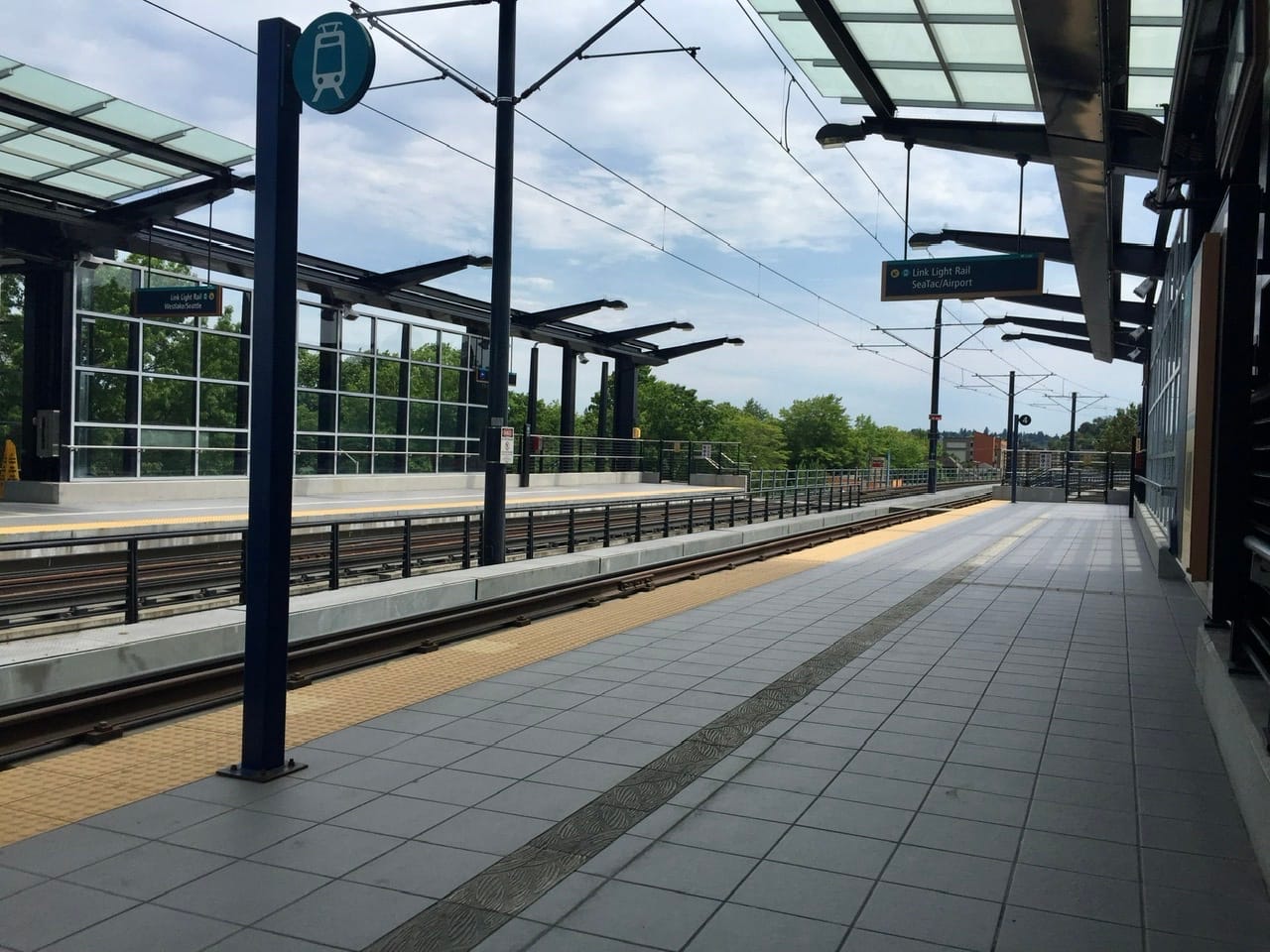
It almost seems like every other week these days you hear about another light rail-involved collision in Rainier Valley. And the reason for why is obvious: at-grade running trains cross more than a dozen intersections on Martin Luther King, Jr. Way S. Each of those crossings introduce risk for collisions with people walking, rolling, biking, and driving — the latter being the most frequent culprit for instigating collisions. In a report from 2019, we detailed how Link trains were the subject of one collision every 40 days in Rainier Valley since 2009.
Light rail collisions are bad all the way around. They injure and occasionally kill people. They delay service and cause cascading service problems. They create bad press and views of rail. And these collisions increase service costs and can cause fleet availability problems if equipment must be taken out of service for repairs.
While Sound Transit should make strategic improvements to enhance safety along the corridor, there is a better long-term solution to the operational problem of at-grade light rail in Rainier Valley. That solution involves four parts:
- Constructing an elevated light rail bypass via Rainier Avenue S between Mount Baker and Rainier Beach Stations;
- Converting the existing at-grade segment between Mount Baker and Rainier Beach Stations to a streetcar line;
- Adding several infill stations on the existing at-grade segment; and
- Extending the existing at-grade segment to the First Hill Streetcar line.
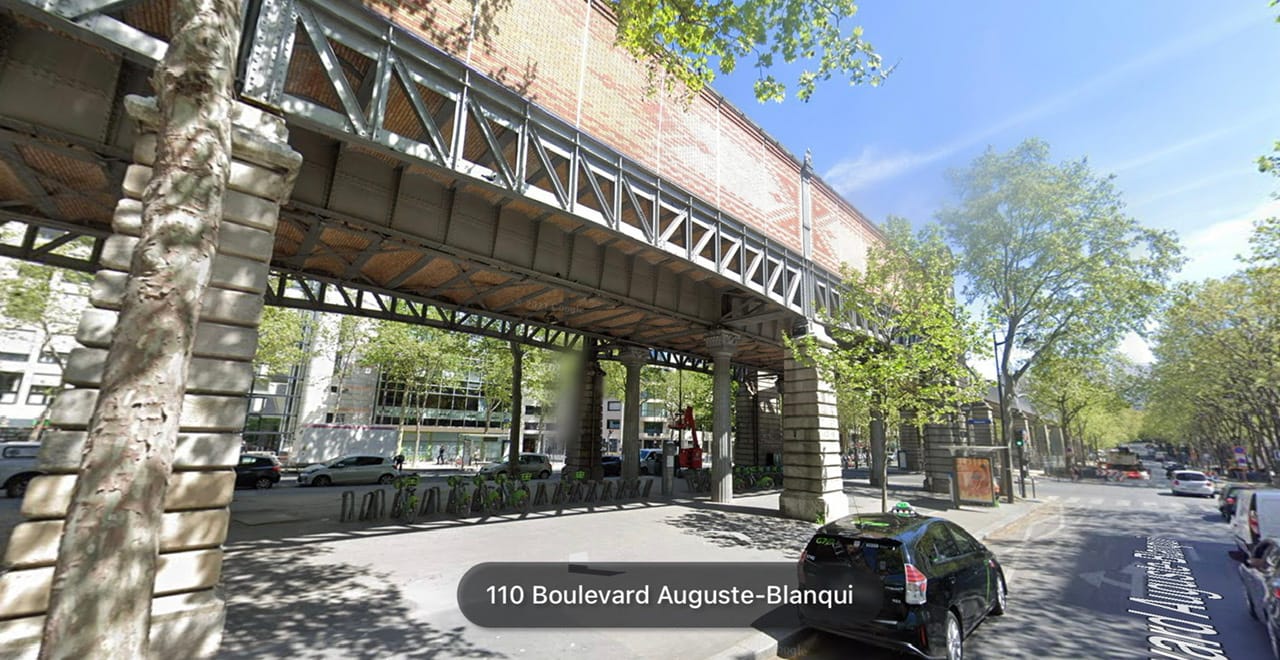
While some may be allergic to the notion of elevated rail, it is a widely used international best practice in active urban districts and works phenomenally well. In cities spanning the globe, from Vancouver and Paris to Busan and Medellín, elevated rail plays a critically important role in creating urban districts and puts the right technology to use for the right situation.
Principally, this project would improve traffic safety throughout Rainier Valley. It would also be quite affordable to complete, improve and connect service on multiple corridors, avoid abandoning existing facilities, and could open up the potential for creative uses under elevated railways. As with any transit project, however, this would mean various disruptions to businesses, residents, and local traffic. But since it would be conducted in phases, impacts could be minimized and short, and appropriately mitigated through strong community assistance and stabilization programs.
A bill in the Washington State Legislature is pending review and approval, but if adopted would provide a potential new funding source for Seattle and Sound Transit to use to fix the corridor as part of a Sound Transit 4 package.
New elevated light rail bypass
To facilitate conversion of the existing light rail corridor between Mount Baker and Rainier Beach Stations, Sound Transit could construct an elevated light rail bypass mostly along Rainier Avenue S. The existing elevated Mount Baker Station sets up this option well right near the junction of Rainier Avenue S and Martin Luther King, Jr. Way S.
Sound Transit could essentially turn the elevated segment right at the end of the southern Mount Baker Station platforms. Enough right-of-way and public property exists to facilitate this. From there, the agency could run an elevated line along the length of Rainier Avenue S with relative ease, though some jogs in the street could impact speeds of trains. Once approaching S Henderson Street, the alignment could curve westward and follow S Henderson Street until about Renton Avenue S. At this point, the alignment would be best served by transitioning underground as a cut-and-cover alignment to tie into the alignment just south of Rainier Beach Station. This is because of a combination of intersections, the Chief Sealth Trail, and high-tension powerlines.