Now that the 2019 Washington State elections are mostly decided, I’ve been reflecting on who won and lost. A lot of candidates lost. Some would say that Big Business, transportation, and poor people lost. Affirmative Action lost. But to me, the biggest loser might have been the most important out of all of them: the environment.
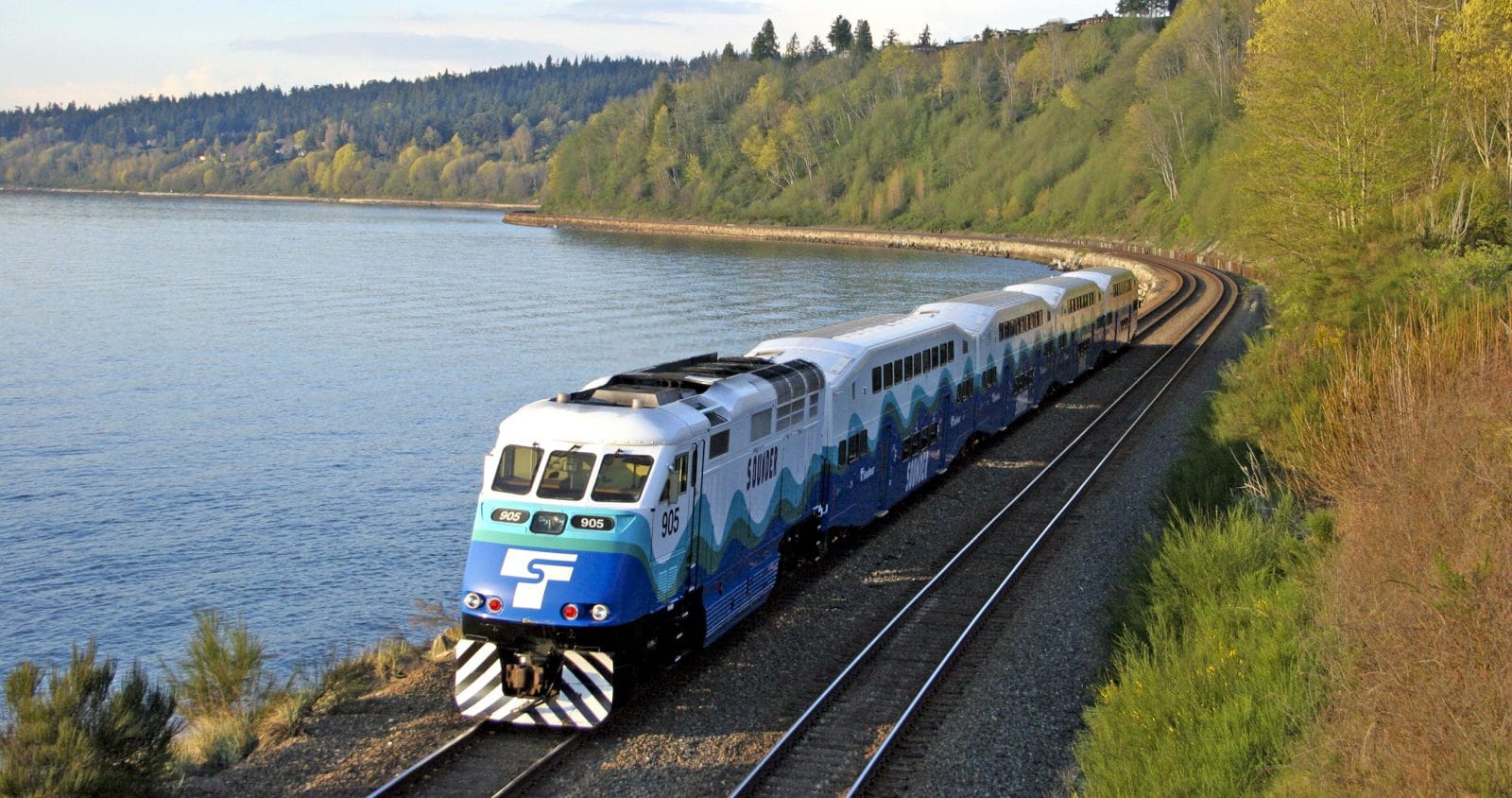
Tim Eyman’s passing of Initiative 976 will greatly impact transportation and low-income and transit dependent individuals, but let’s just focus on the environmental impact it will have for this thought. Barring judicial intervention, transportation projects all over the state will now have to be delayed, find funding from other sources, or get cut all together with a projected $4 billion hole into funding. If projects such as light rail get delayed or cut all together, then people will be forced to continue using their personal vehicles for transportation, which has been proven to be a negative effect on the environment. We need more light rail so we can start getting more people out of their vehicles, especially in busy Seattle where the population keeps ballooning and doesn’t look to slow down any time soon.
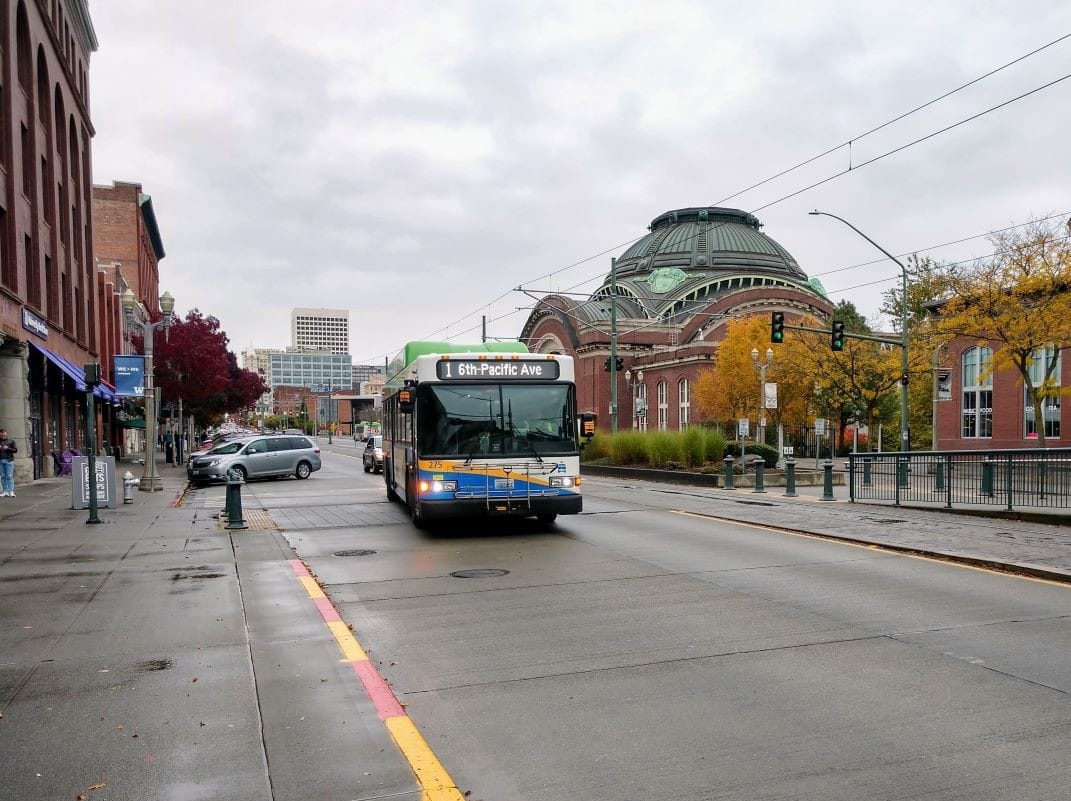
Cities all over the state will likely see bus service hours cut, and Seattle alone might see as much as 175,000 annual bus service hours cut. Again, this effects low-income individuals who might not have other transportation options, and it will likely force others to go back into their cars instead of taking the bus. We need more bus service to battle climate change, especially with plans of getting more electric buses into service in Washington State.
Bringing car tabs down to $30 likely seemed like a benefit to most drivers, especially those who have financial struggles. And I can also see the perspective of smaller, rural parts of the state that might not see as many of the benefits of state transportation projects as other parts of the state due to density. However, I could argue at length about how it will actually end up costing these individuals more money in the long run from delayed or cut projects to personal vehicle depreciation. Potholes and vehicle longevity don’t mix well.
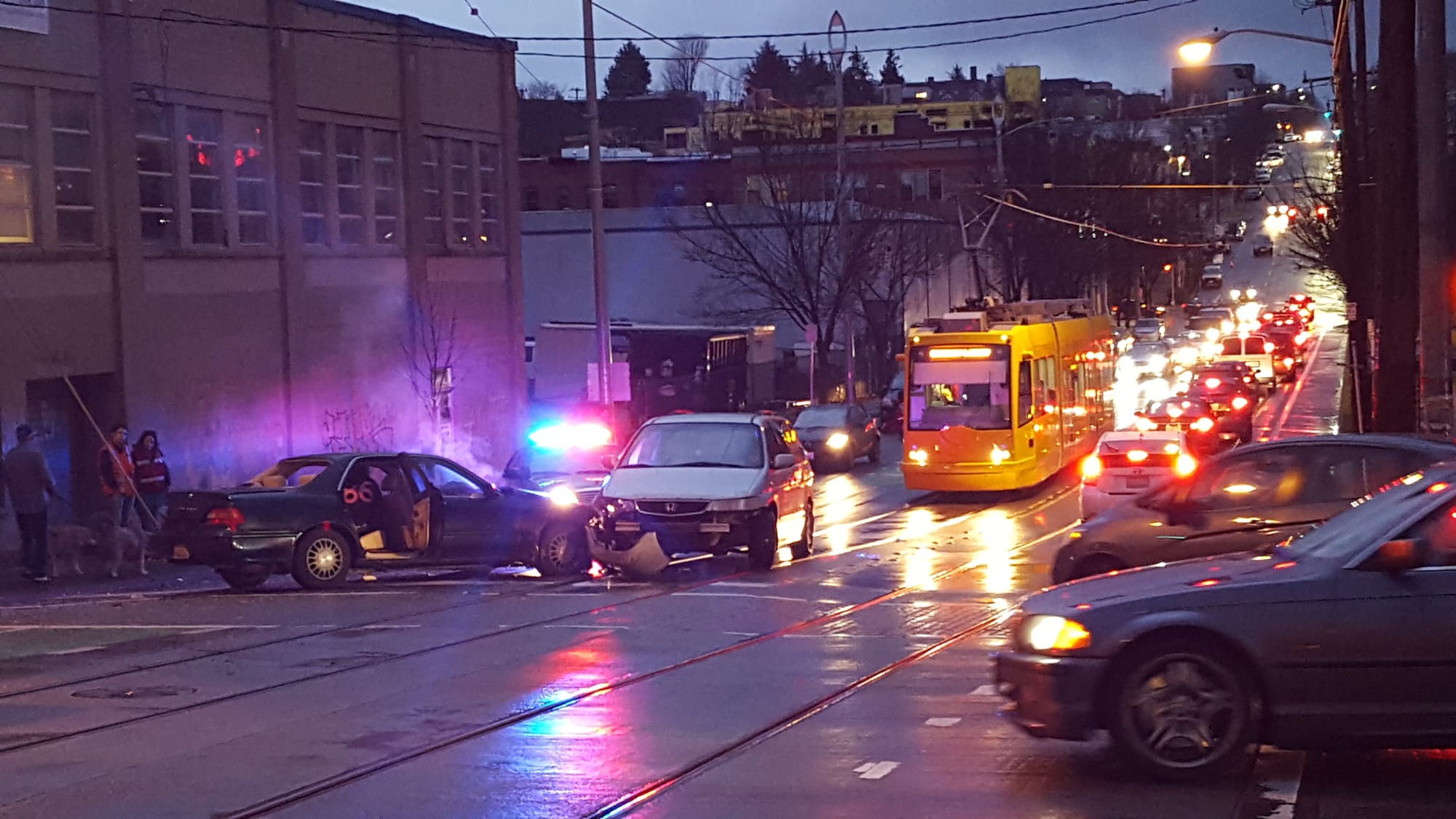
These reduced car tab prices encourage drivers to drive their personal vehicles more when we should be trying to encourage more people to get out of their personal vehicles for environmental reasons. If more people have to use their personal vehicles, then that means the roads will be more congested, which causes more traffic. And when those people are sitting in traffic with their engines idling, that’s worse for the environment. Yes, transit doesn’t reach everyone and easily yet, but it’s getting better. Seattle residents who have a 10 minute walk to a frequent transit route grew from just 25% in 2015 to 70% in 2019.