In 2015, after 14 years of car ownership, I decided to go car-free. I had been living in Wallingford for six years, and I was working at the University of Washington, a short walk or bike ride away. The U-District light rail station was about to open, and I realized I could save money and travel healthier while reducing my climate impact. By 2017, Seattle was a national leader in micromobility–transportation provided by very light vehicles such as scooters and bikes. After all, we’re a city of innovation known for inventing and adopting technologies that change the world; companies like Amazon, Microsoft, and Boeing were born here.
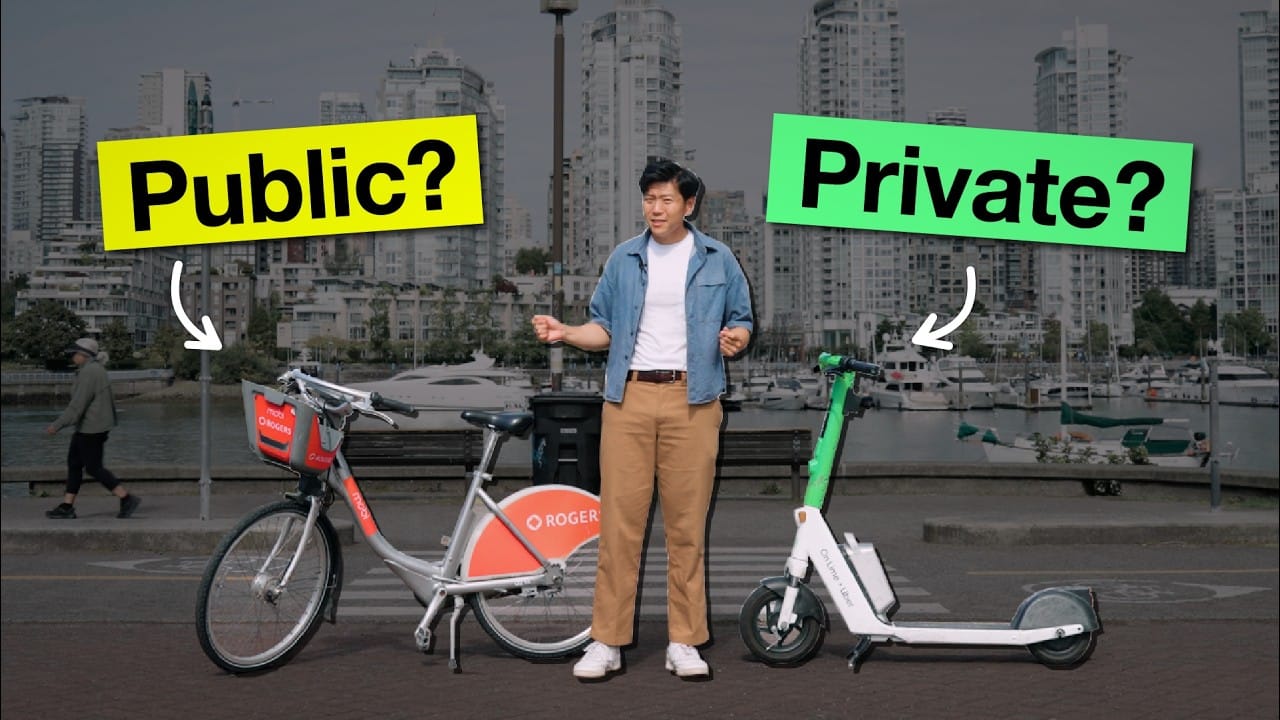
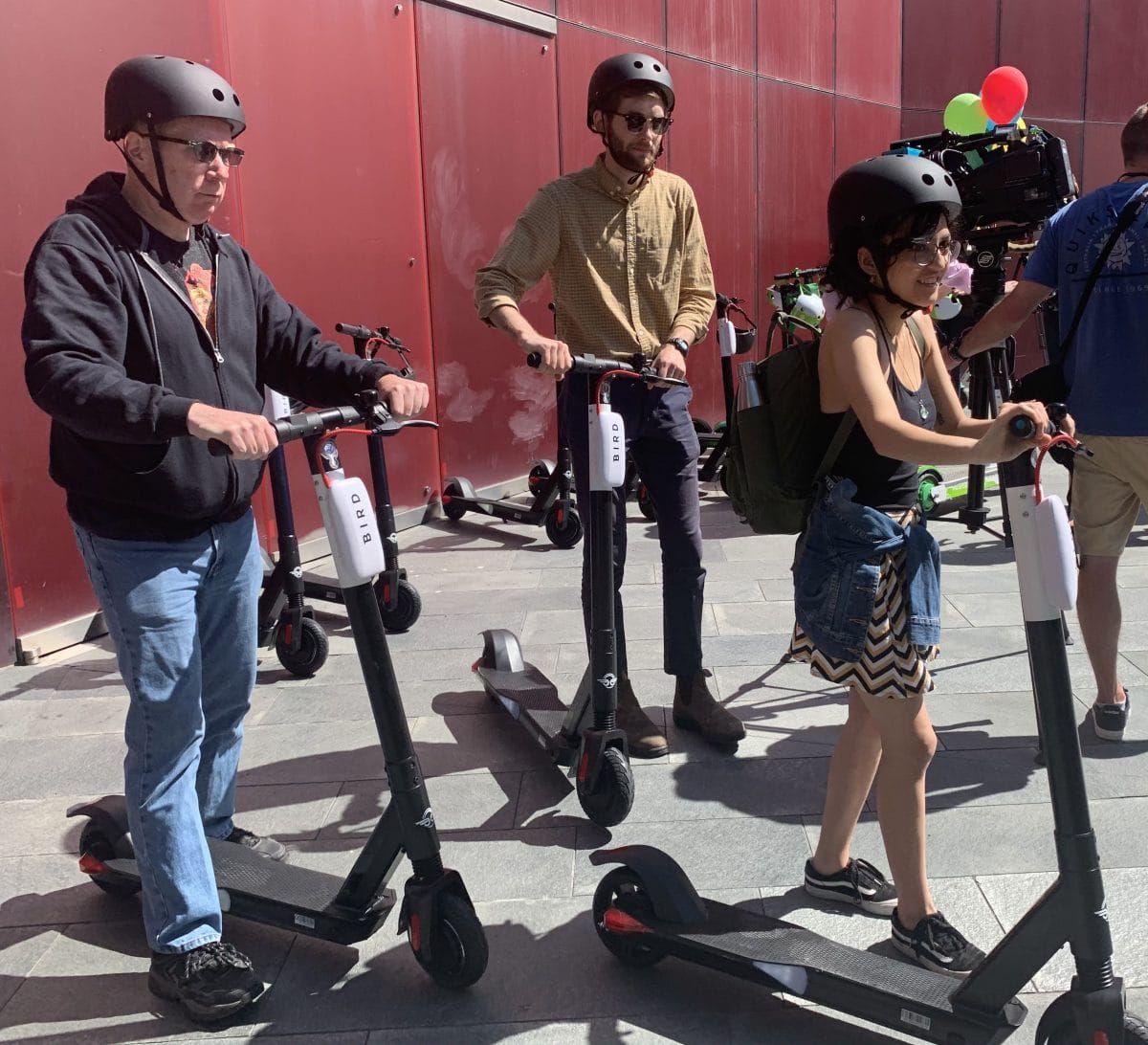
We were one of the first major cities to launch a dockless bike share program, and with over one million rides in under a year, we were at the beginning of a wave of transportation options that swept across the country. However, we’ve yet to take advantage of electric scooters, part of the personal transportation revolution occurring thanks to micromobility innovation. Now our city is falling behind on our 2013 Climate Action Plan, which aims to reduce greenhouse emissions while also supporting vibrant neighborhoods, economic prosperity, and social equity. The longer we wait to bring e-scooters to Seattle, the more we continue to fall behind our own climate goals and allow congestion to increase.
We could have used scooters to aid mobility during the viaduct closure. We could use scooters to alleviate traffic when we face a 10-week partial light rail shutdown in January of 2020. We’ve remained on the sidelines while many other Pacific Northwest cities such as Portland, Spokane, Tacoma, Everett, Bothell, Redmond, and more have launched popular and successful scooter programs.