As we forge ahead into 2026, we look back at The Urbanist articles that made the biggest waves in 2025. We’re honored that you joined us for the ride. Thanks for reading, sharing, and supporting our work! The Urbanist took big strides in 2025 and we want to keep that moment rolling in the year ahead.
Some themes definitely jump out in our biggest stories of the year. Readers love reading about the reforms within Washington State around the use of streets and how more sustainable transportation is encouraged or hampered. 2025 was a big year for parking reform, with passage of a statewide measure and several cities going beyond that minimum standard to repeal off-street parking mandates on new buildings altogether.
Of course, in a long-running trend, Urbanist readers also devoured news pertaining to Sound Transit and regional rail, of either the Amtrak or high-speed rail variety. Sound Transit inaugurated service to Federal Way in December 2025 and is on the cusp of delivering East Link light rail across Lake Washington in spring of 2026.
1) First-in-the-Nation Shared Streets Law
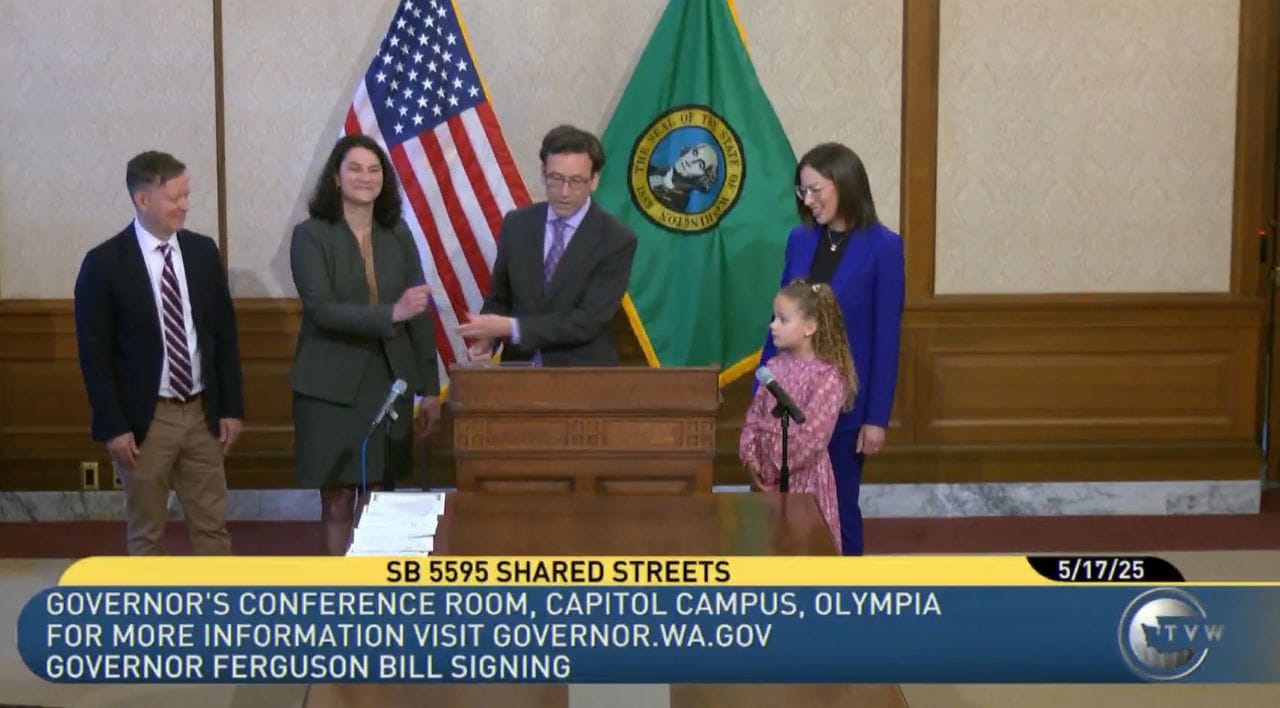
Our most-read story of 2025 was a deep dive from Mark Ostrow delving into the impact of a bill he helped make happen as an safe streets advocate. Pedestrian-focused “shared streets” will be much easier to implement in Washington state thanks to Senate Bill 5595. Readers, like Mark, were dreaming on the possibilities. Check out or revisit the piece to see what could be in store, with examples gleaned from European pedestrian street standouts.
2) Washington’s Sweeping Parking Reform
In addition to passing shared streets reform, Washington also passed an ambitious statewide parking reform during the 2025 session. In February, Ryan Packer provided the definitive coverage of that big news, detailing how the bill cleared a key hurdle in the state senate. The prod for cities to lessen parking mandates will boost homebuilding over the long run.
3) Bremerton Ditches Parking Mandates
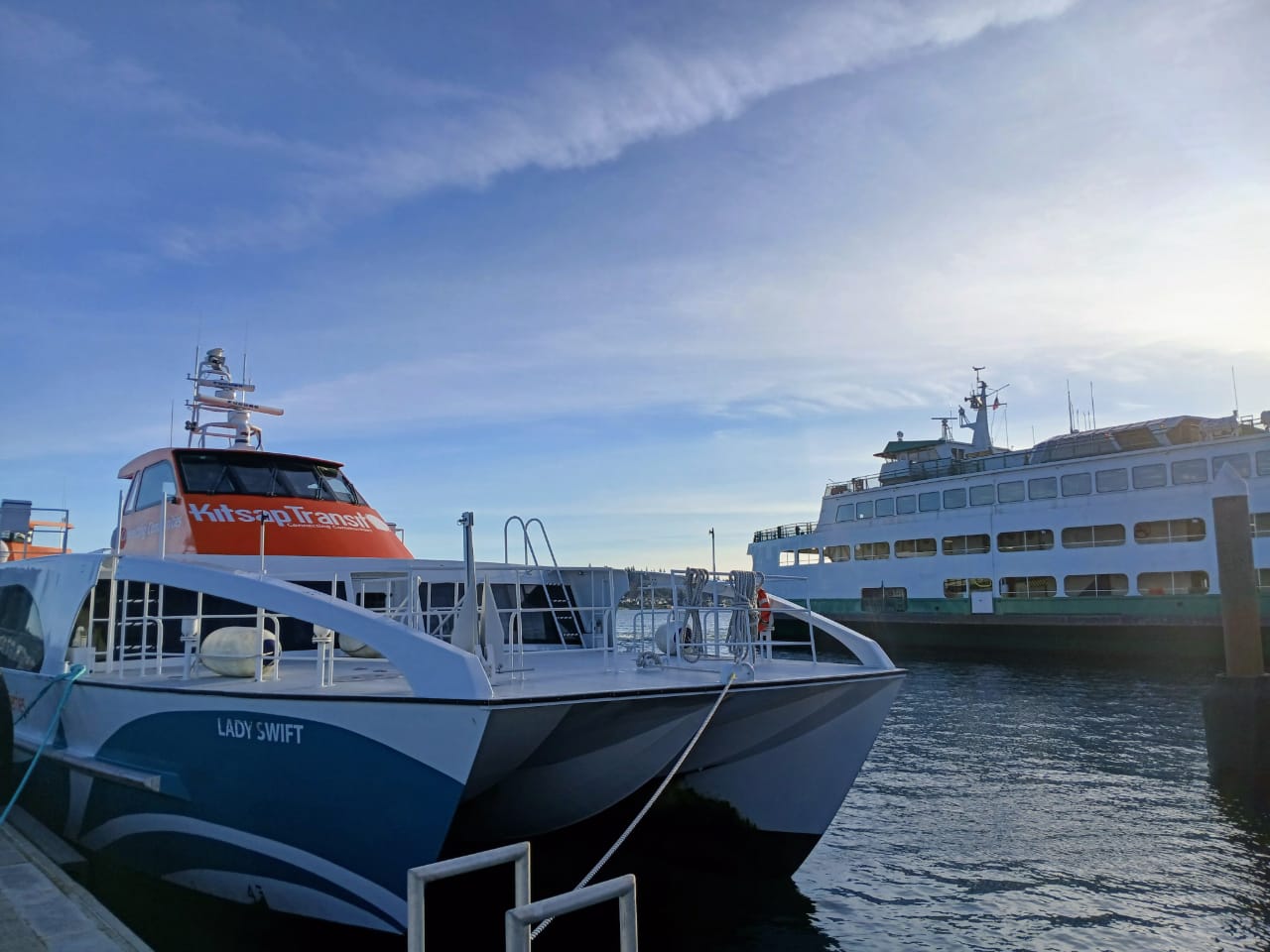
Given a nudge from the state, some cities opted to go beyond the bare minimum, repealing parking mandates altogether and doing so ahead of when the state policy would force their hand. Bremerton — the Kitsap County seat across Puget Sound from Seattle — was one such city, and this news made for our third most-read story of 2025.
4) Appeals Delay Harrell’s Growth Plan
In February, The Urbanist broke news that homeowner activists from some of the most exclusive neighborhoods in Seattle were appealing Mayor Bruce Harrell’s growth plan. The appeals — coupled with how late the Harrell Administration had been in submitting the plan — forced the city to push back its timeline for approving the plan, missing a state deadline by a year. Thanks to new state laws defanging appeals to housing growth plans, the City ended up being able to get the appeals dismissed relatively quickly, particularly when compared to similar appeals previously.
5) Cascadia Forges Ahead on High-Speed Rail
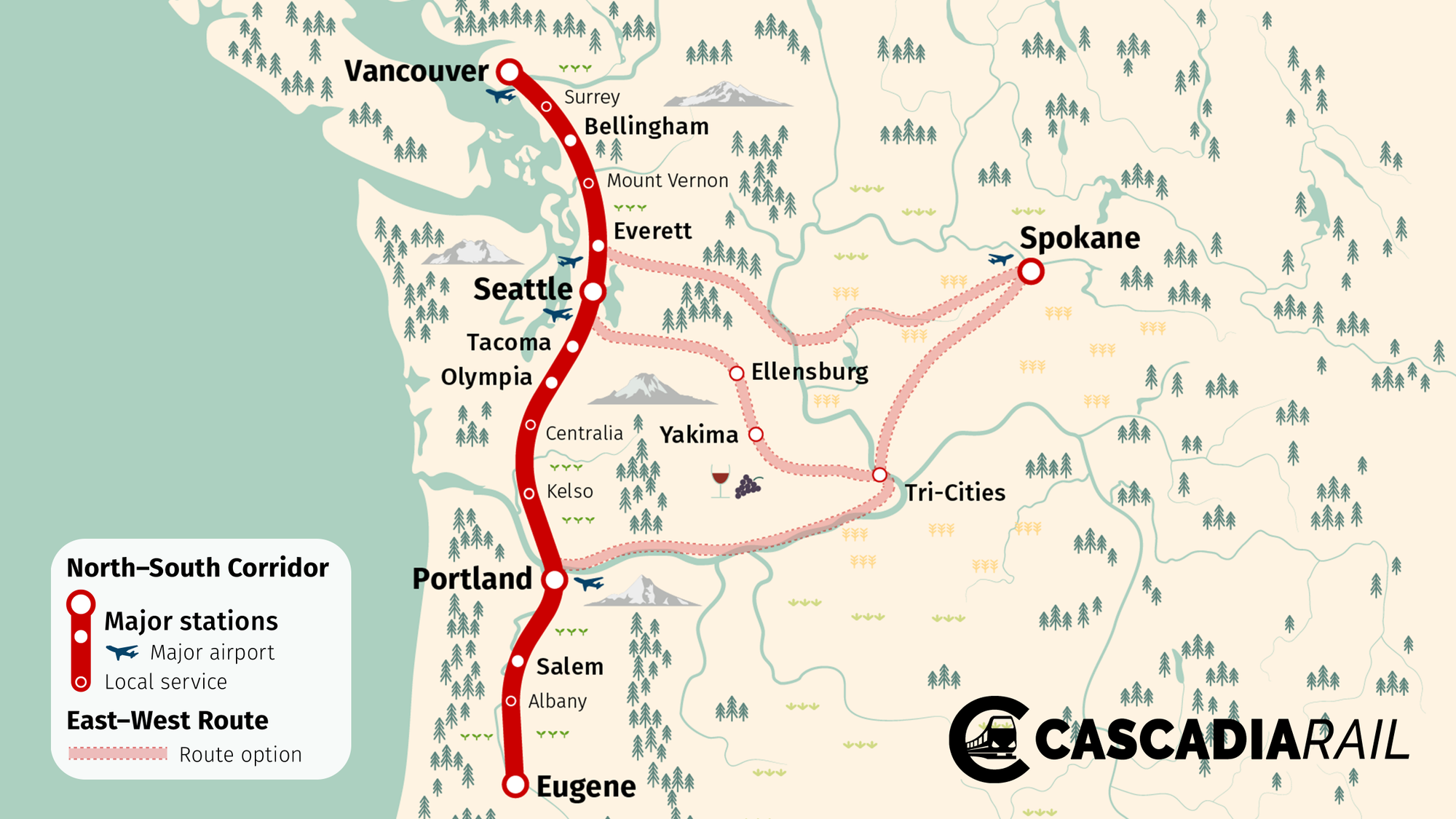
In late October, leaders from across the Pacific Northwest gathered in Seattle for a Cascadia Innovation Corridor conference that touched on on-going plans to create a high-speed rail corridor connecting Seattle to Portland and Vancouver, British Columbia. Despite the headwinds creating by construction cost inflation and hostility from the federal government, government and corporate officials from across the region largely reaffirmed their commitment to pursue the vision. But the plan is still years in the making and potentially decades away from completion, with funding hurdles to clear.
6) New Preferred Route for Tacoma Dome Light Rail
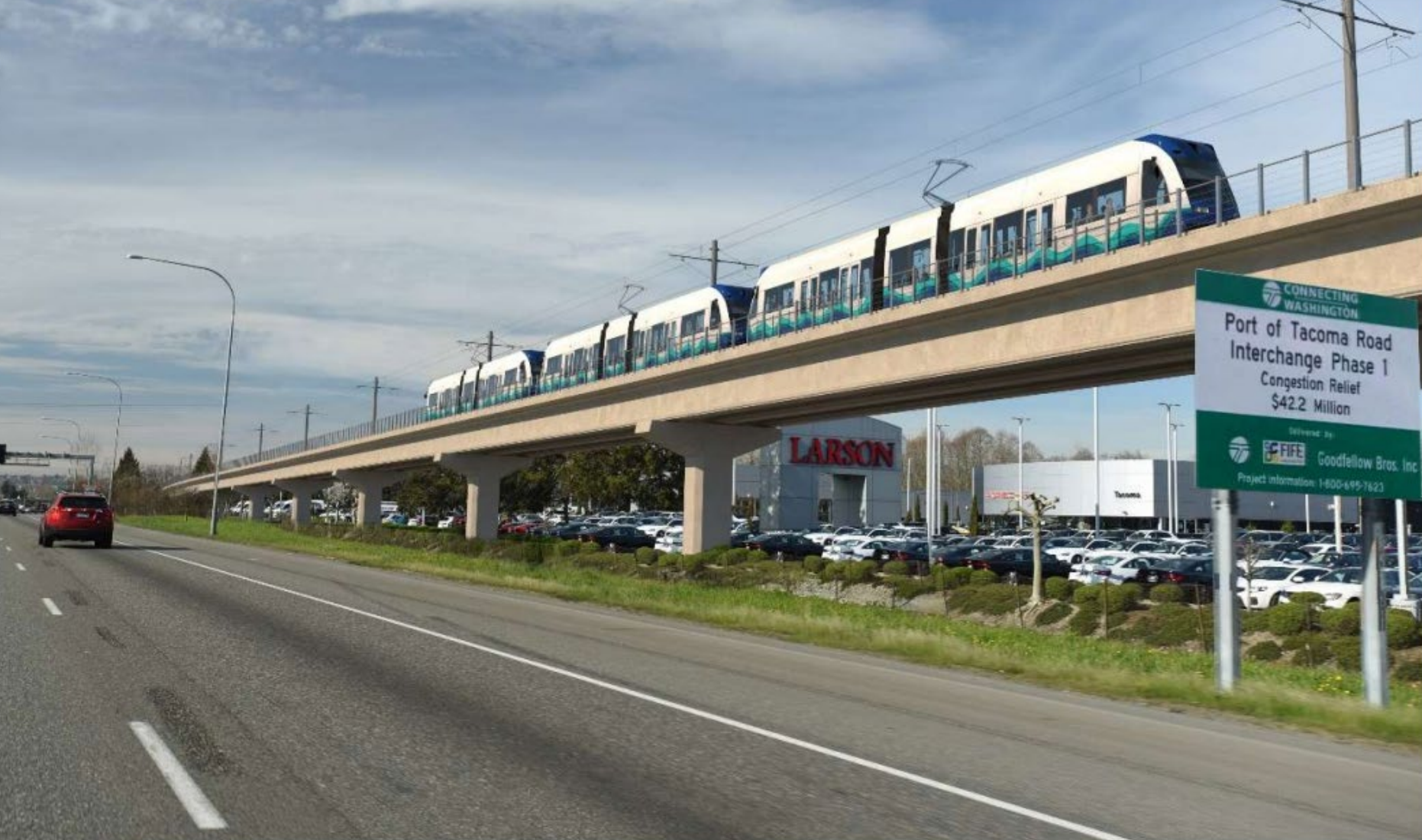
Without a ton of fanfare, Sound Transit modified its plan for light rail to Tacoma, dropping its earlier I-5 alignment and moving the planned line to SR-99 in a June revision. Up and down the agency’s light rail “spine” from Tacoma to Everett, advocates for transit-oriented housing have argued that SR-99 is a better fit than I-5, with better opportunities for building housing and community connections. Sound Transit has largely resisted those calls, only using SR-99 right-of-way when backed into a corner, as is the case with the Tacoma Dome Link Extension, which ran into numerous snags with the I-5 alignment. The agency hopes to open the line in 2035.
7) Sneak Peek at New Airo Trains for Amtrak Cascades
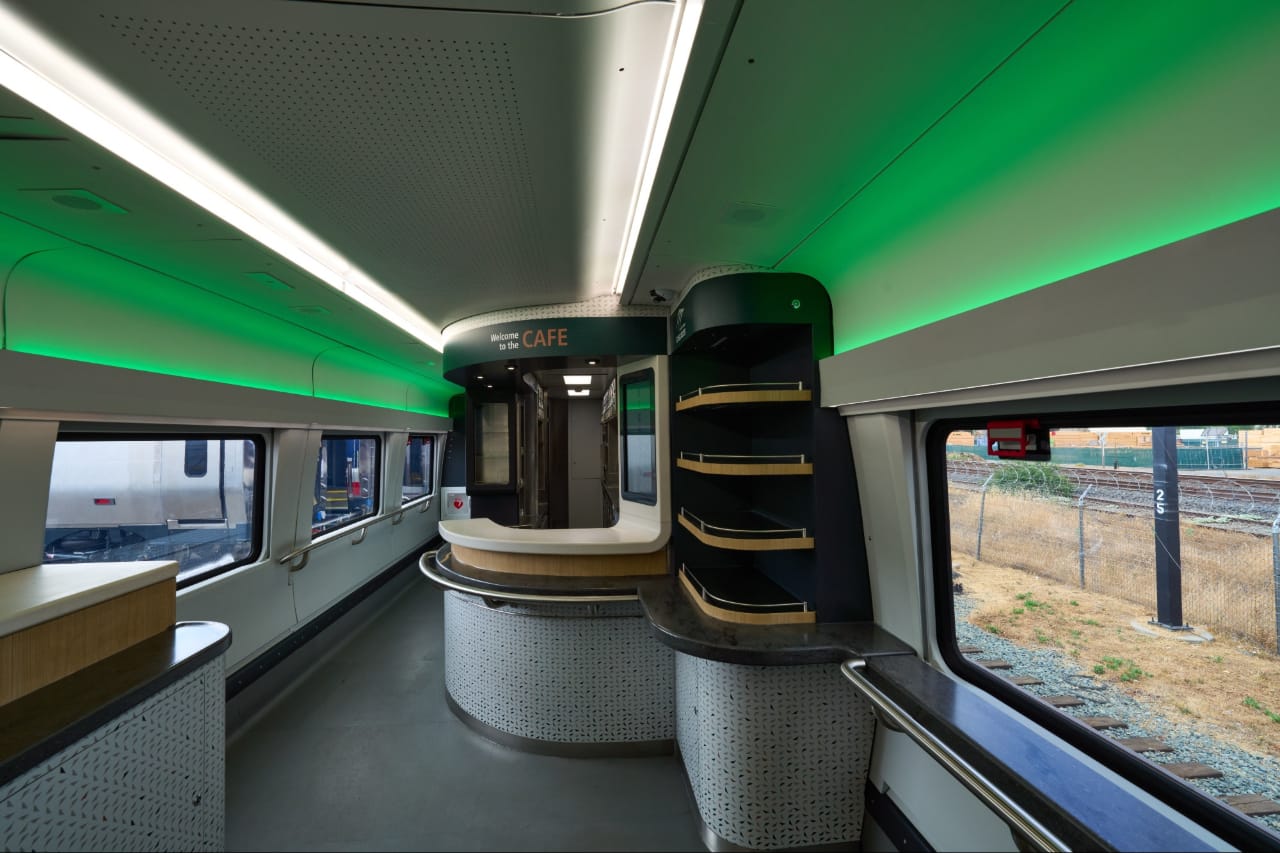
In some ways, Amtrak Cascades had a rough 2025, with a number of disruptions and a reduction in capacity tied to the need to pull aging Horizon traincars out of service and replace them with smaller Amfleet II cars. However, Amtrak is also working to launch brand new Airo trains on Cascades service in 2026 and it revealed new images of the soon-to-launch trains that garnered a ton of attention this summer. Even with the disruptions, Amtrak set a new record for ridership in 2025 both in Amtrak Cascades and nationwide.
8) A Return to Parochialism for Sound Transit Board
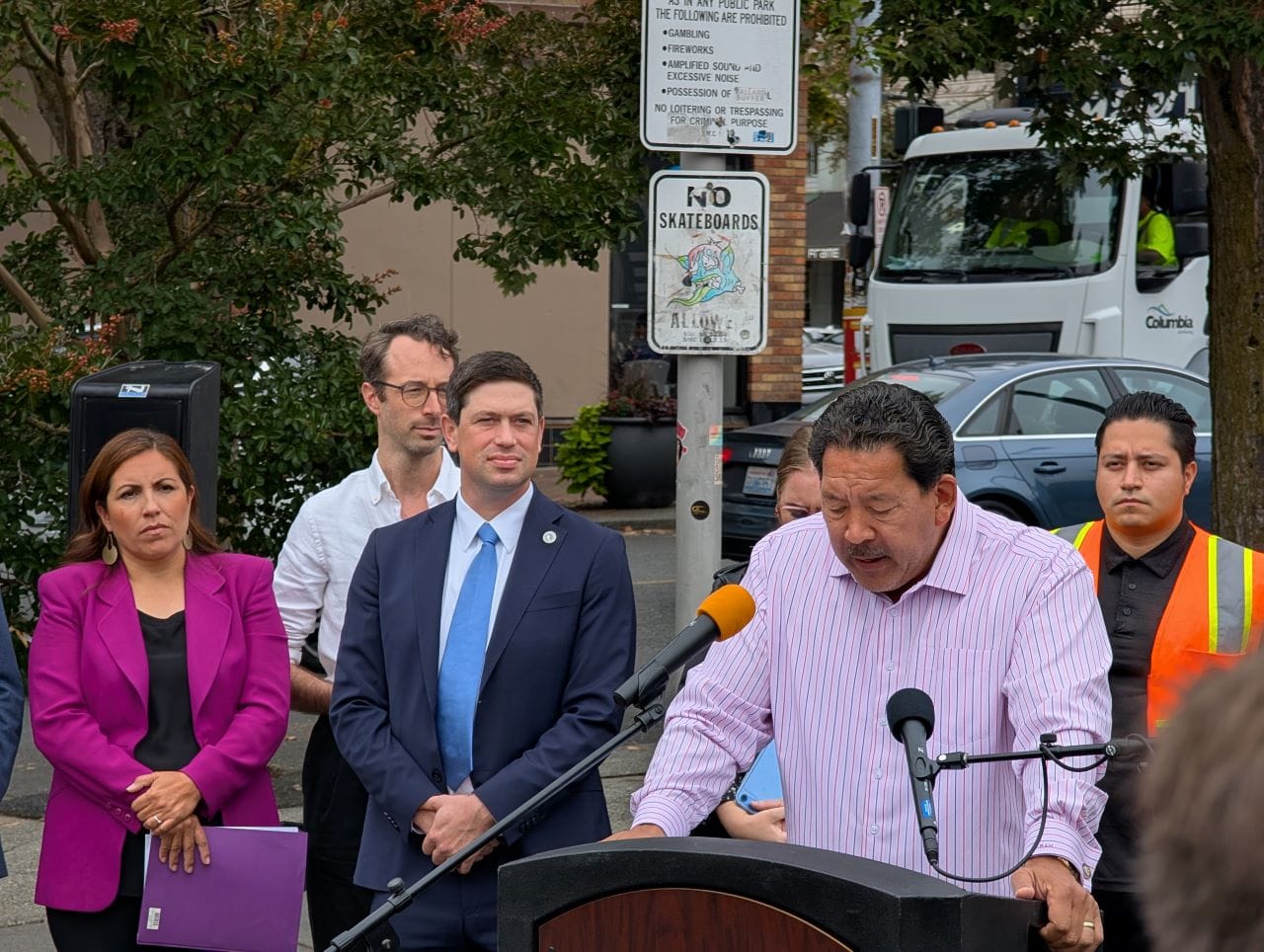
Recently, budget woes have dominated Sound Transit deliberations, with the agency estimating its long-range expansion plans are short more than $30 billion. This has sparked heated debate with some suburban boardmembers arguing that Seattle projects should be downsized and take a backseat to “completing the spine” — the 62-mile corridor from Tacoma to Everett. Seattle representatives firing back to argue their projects should not lose priority. From both corners, the saber-rattling appeared at least partially an election season ploy. In a September article, I wrote about how parochialism threatens to undermine Sound Transit mission and long-term success.
9) 2 Line Hurdles Go Beyond I-90 Bridge
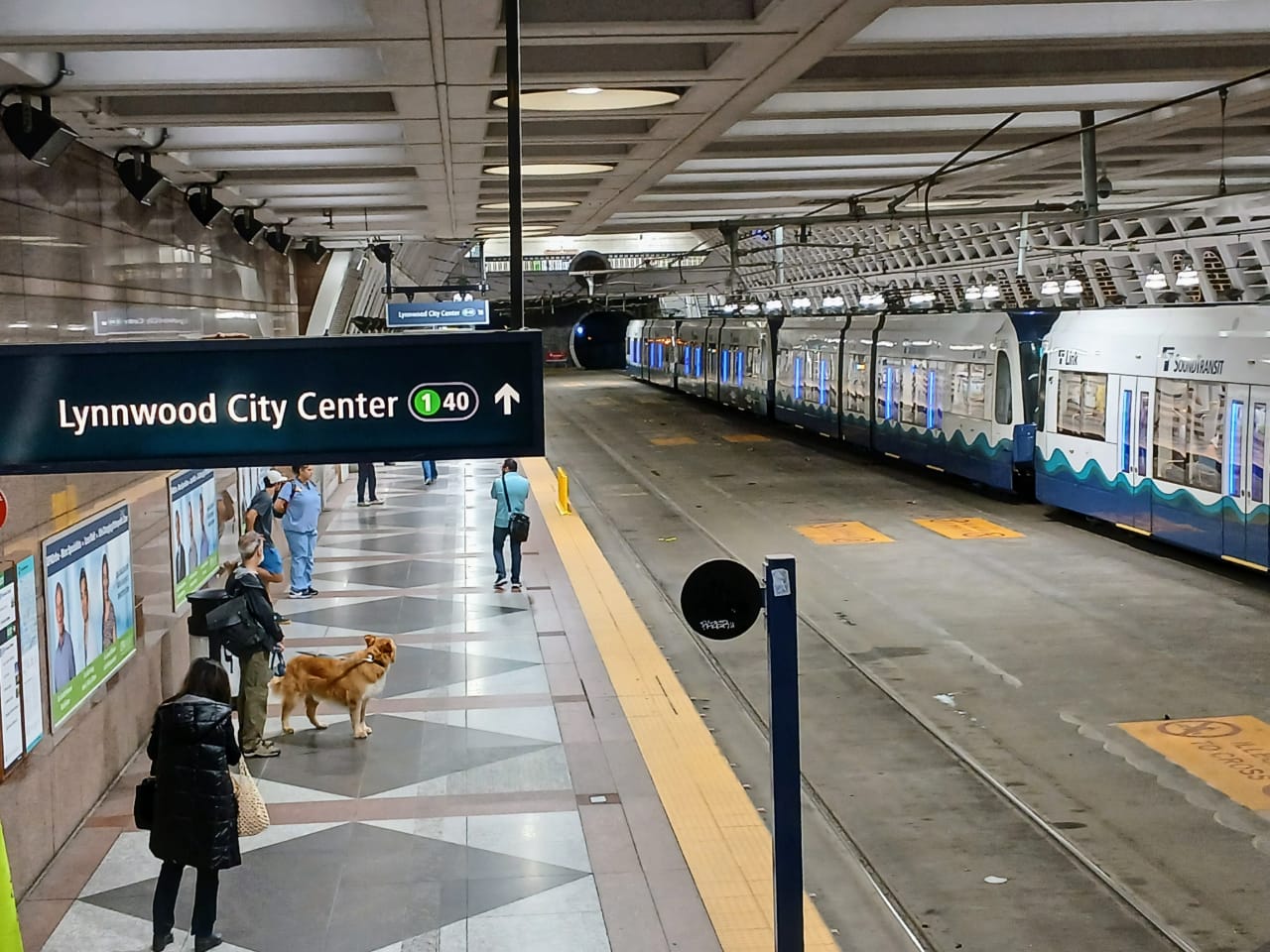
Sound Transit is in the midst of clearing the hurdles necessary to begin sending 2 Line trains across the Lake Washington I-90 floating bridge tracks. However, Ryan Packer reported on issues down the line trying to fit 1 Line and 2 Line trains in a Downtown Seattle Transit Tunnel that will be increasingly taxed to maintain desired headways.
10) Federal Way Light Rail Opening Moved Up
Readers were excited by the news this July that Federal Way Link would open before the year was out. Sound Transit was able to meet that deadline, clearing the way for 2026’s most anticipated rail opening: getting across I-90 sometime this spring.
Honorable mentions
Finally an honorable mention for two stories that came in just out of the top 10. Our primary endorsements writeup this summer was widely read, signaling strong enthusiasm behind The Urbanist’s slate of candidates, which ended up doing very well in the election.
Another story that nearly climbed into the top 10 was a late breaker with Ryan Packer’s story on some hiccups with the rollout of state e-bike rebates, quickly getting big readership over the last week.