Yet designing for cars continues to be a problem in the city’s fastest growing neighborhood.
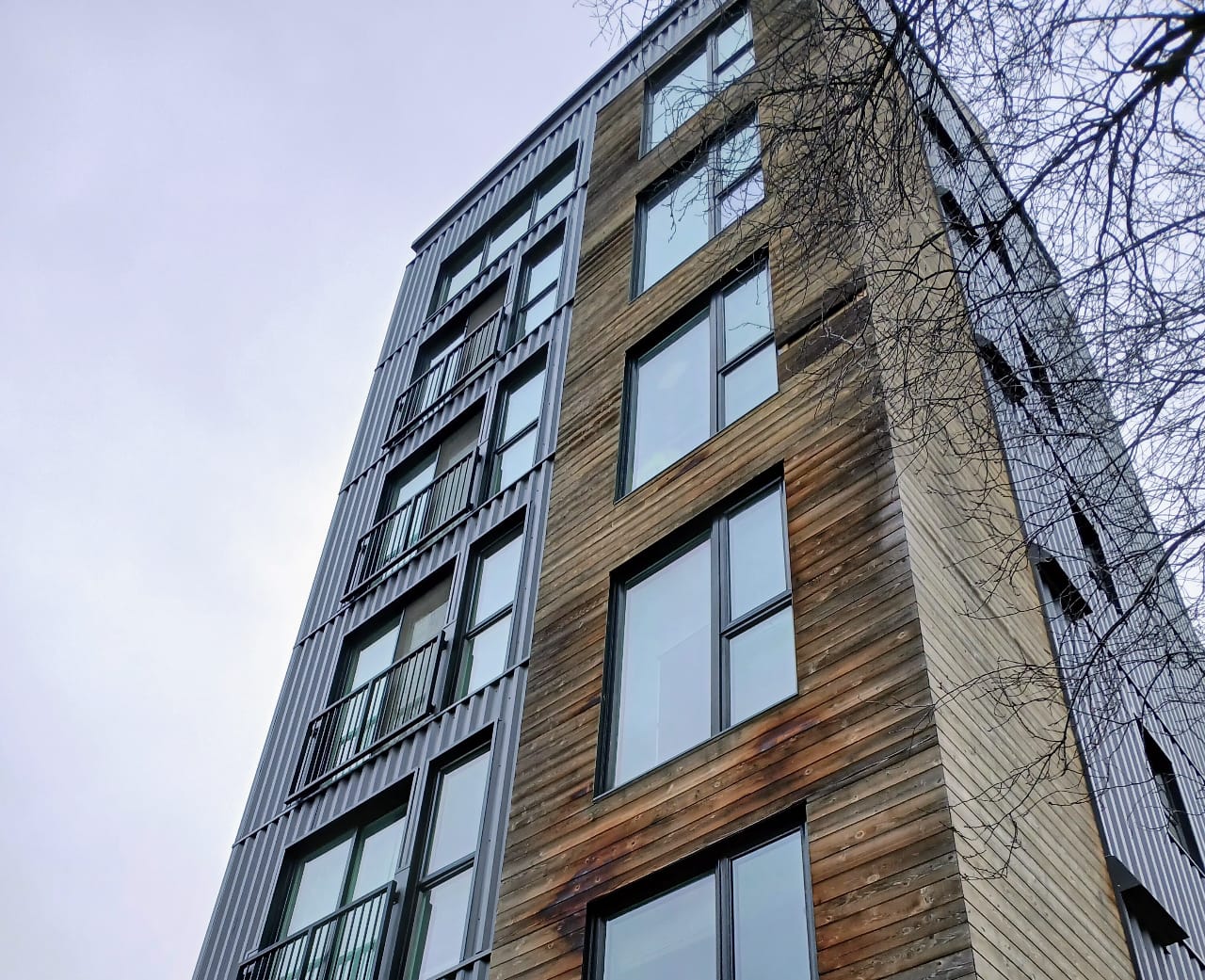
When cataloging development in Kirkland, it’s evident where the City has focused much of its development capacity: Totem Lake, a neighborhood defined by its strip malls, car dealerships, car services, light industry, and office buildings, is taking on the most growth of the city’s neighborhoods. The zoned capacity, and thereby scale of change, is peerless compared to Kirkland’s other neighborhoods. But is the City properly addressing all the neighborhood level planning needed to make sure the growth is livable for future residents? In this article, the first of a three-part series focused on Kirkland, we’ll explore the significant development plans for Totem Lake and what kind of new neighborhood they seemed poised to create.
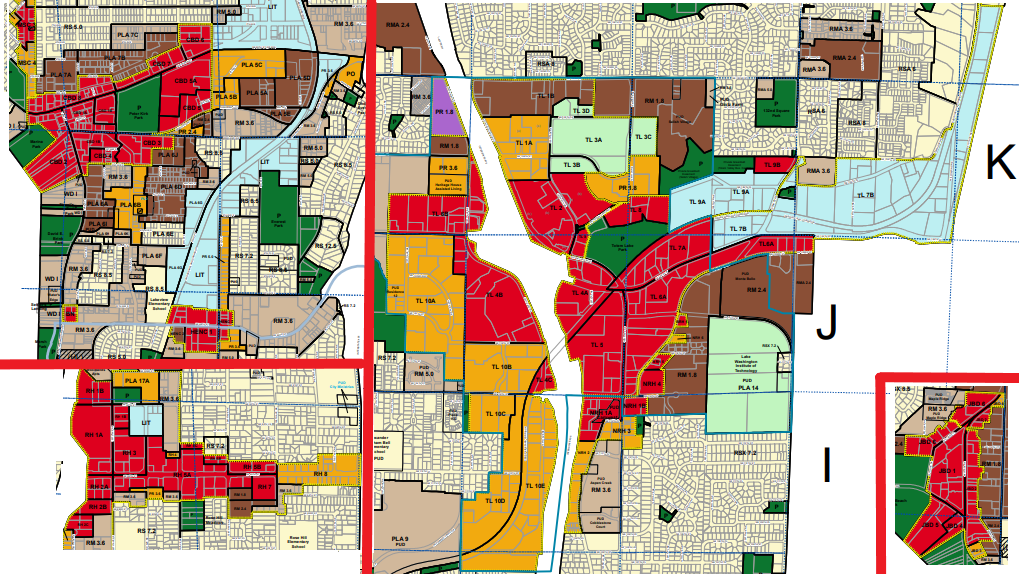
While tracking down recent, ongoing, and proposed development, it’s unmistakable why Totem Lake is the center of growth in Kirkland. There wasn’t a critical mass of single-family homeowners to push back against increases in density unlike in most other areas. Additionally, the industrial and commercial zoning mean there are larger lot sizes available for developers to purchase.
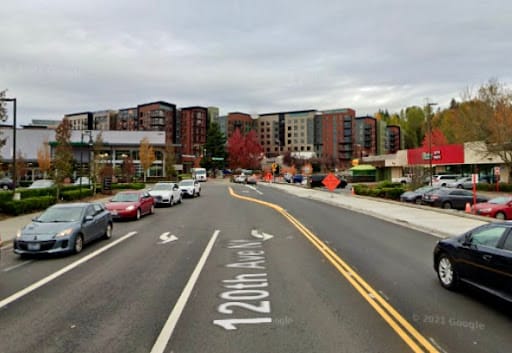
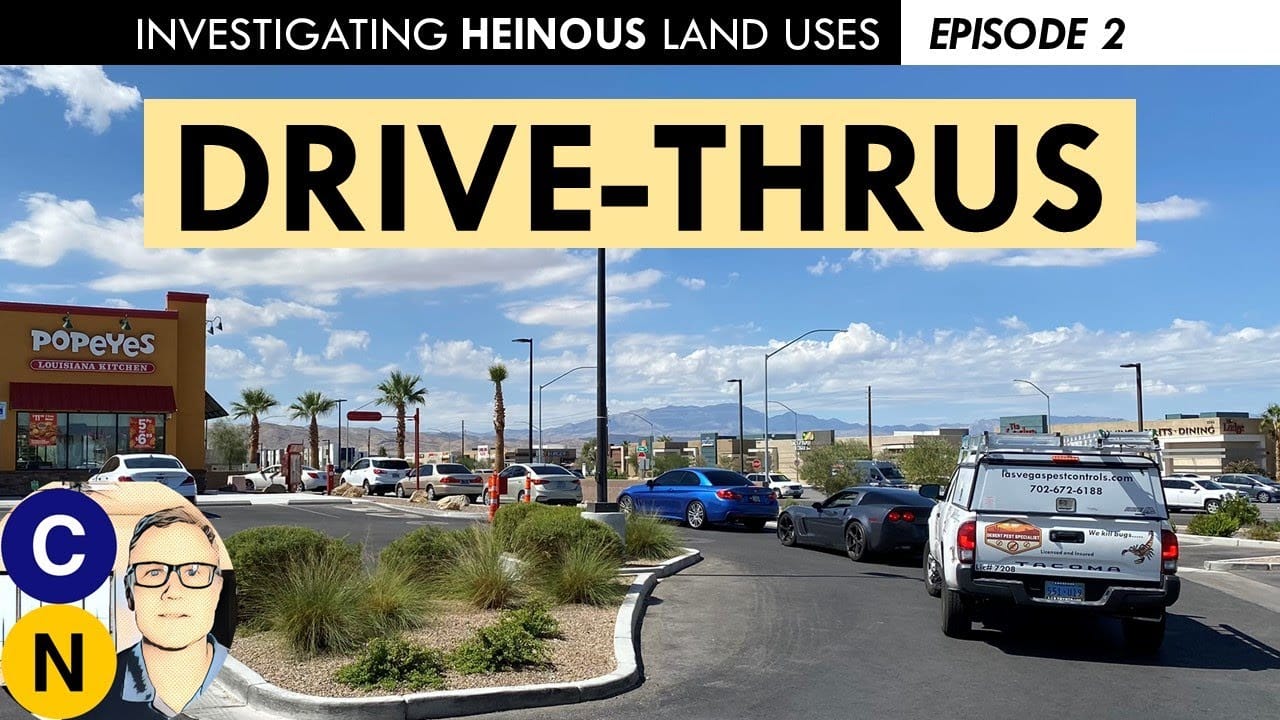
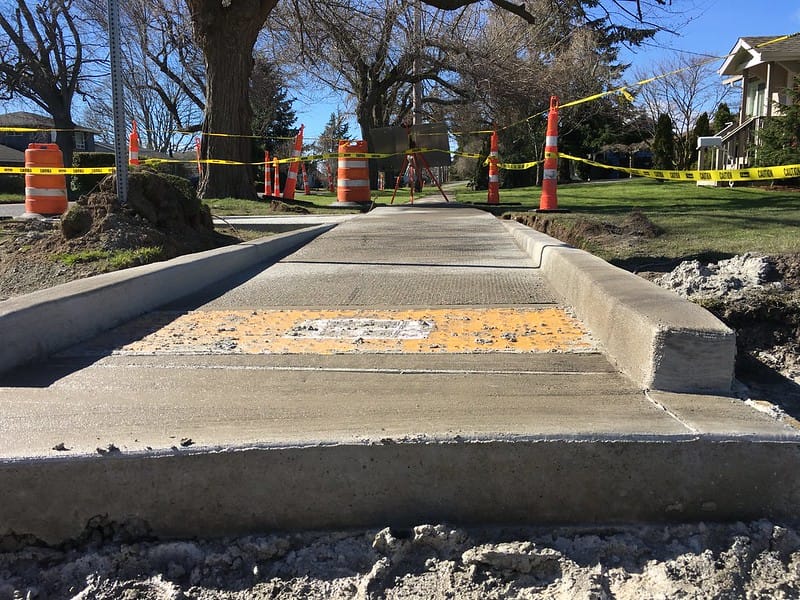
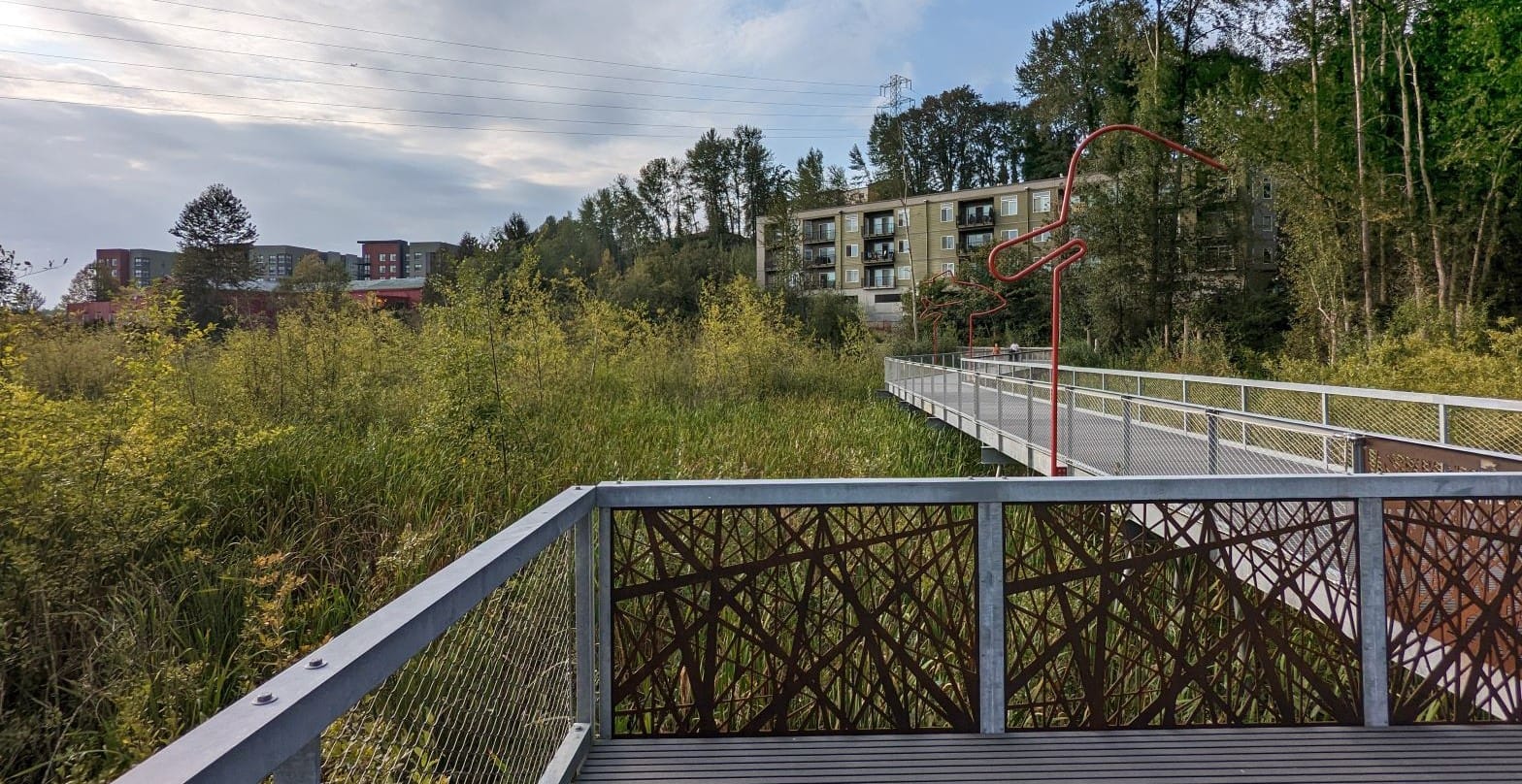
But this history in built environment and infrastructure has lent tremendous challenges for an upcoming neighborhood. Walking around Totem Lake, I juggled feelings of urbanist euphoria, confusion, surprise, and terror. One moment, I was strolling in an awesome wetland park walkway. In the next, I was navigating a patchy sidewalk network set against wide stroads, which combine commercial activity with high speed traffic, like 120th Avenue NE.
I-405’s bisection of Totem Lake also had me crossing a wide maze of pedestrian/car conflict prone highway ramps to navigate the neighborhood. Both the vision and reality for Totem Lake can be seen on the ground. This story can also be told through the active evolution of the neighborhood.