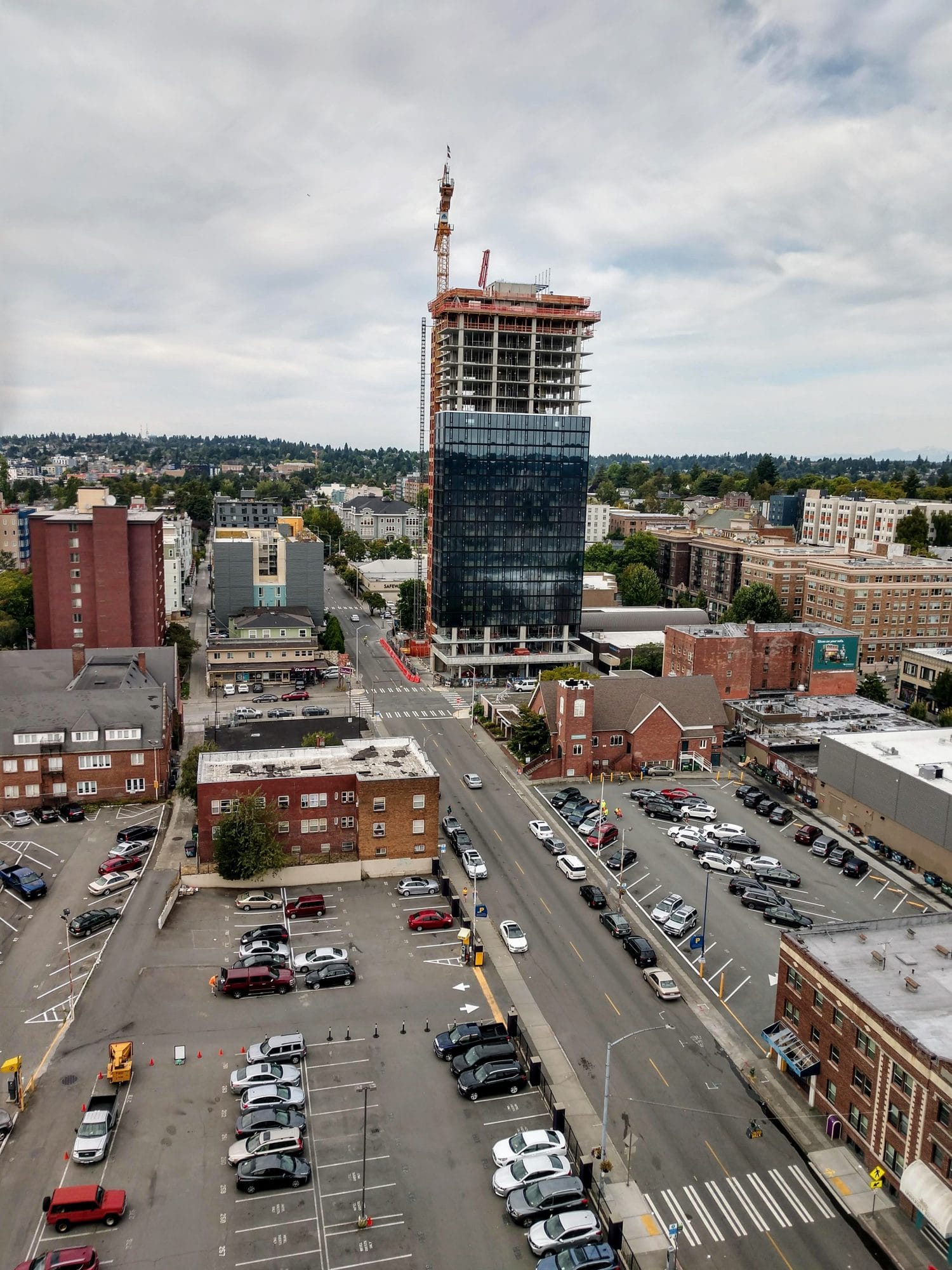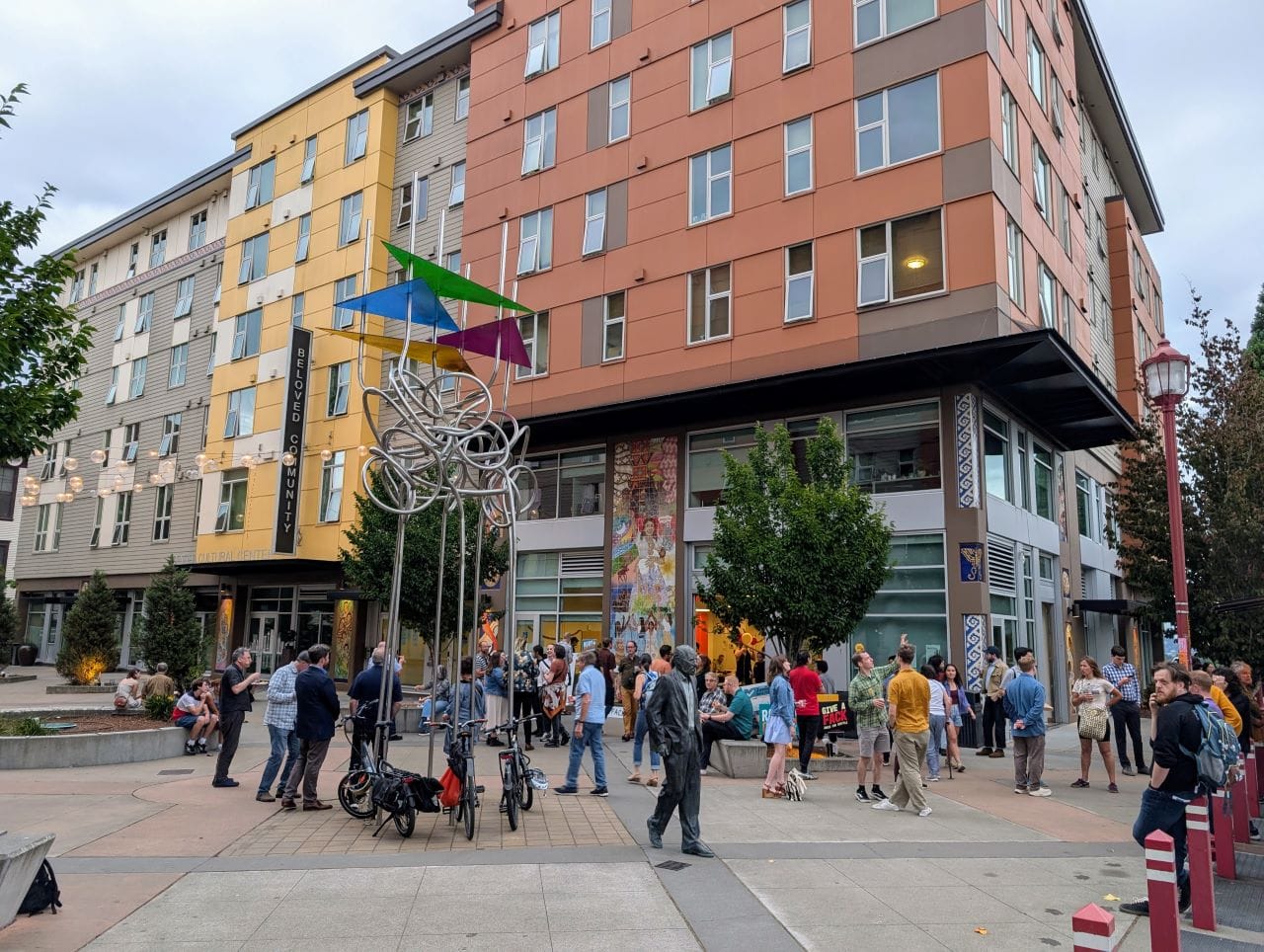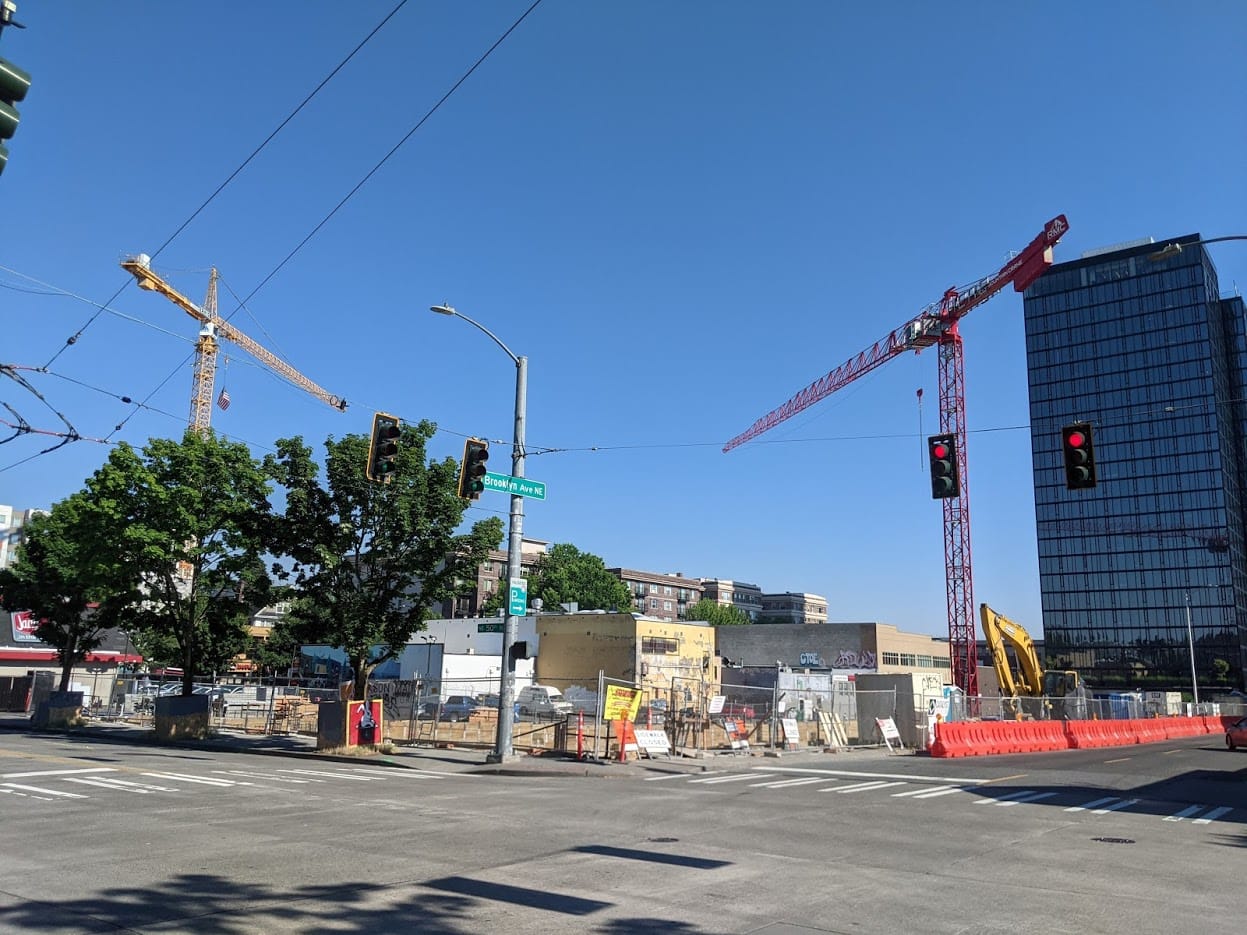
If you still need proof that Seattle is not dying, just take a look at the development activity undergone, ongoing, and forecasted in the University District (U District, for short). There’s so much going on in this one neighborhood that this article will be part one of a three-part series on the development in and around the U District. Part one will cover the lowrise and midrise apartment development above NE 47th St, opened or in permitting from 2019 to present.
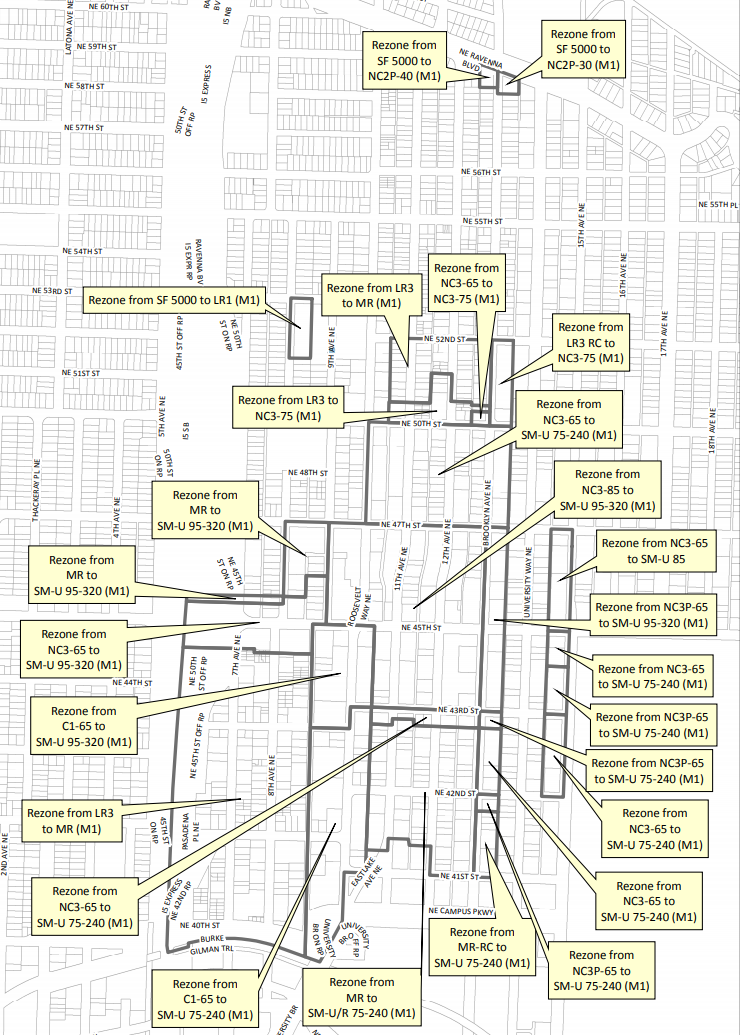
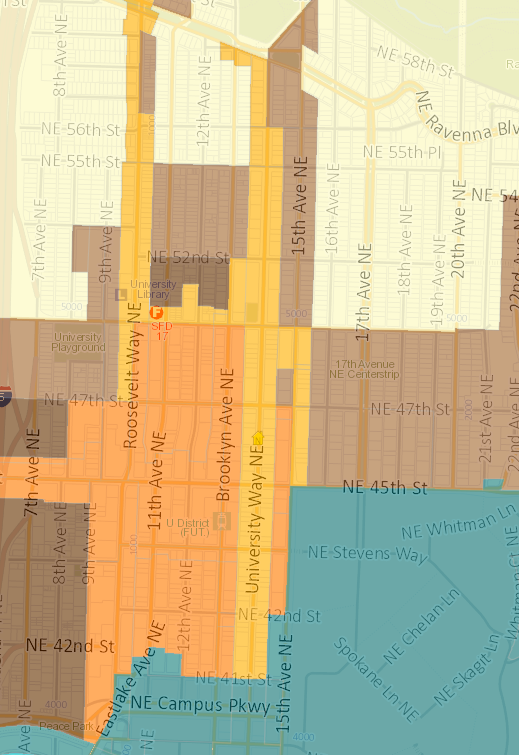
U District Station, opening on October 2nd, is the epicenter of this development spree. There’s also of course the giant University of Washington (UW) campus. The Ave (University Way NE) and the UW are the main draws of the U District. NE 45th St and Roosevelt Way NE connect the neighborhood to the wider city. I’ll be using 22nd Ave NE as the east border of the neighborhood. The topographical change and closeness of the area west of 22nd with U Village makes the sliver feel separate from the U District and a part of the U Village’s neighborhood. UW campus, I-5, and NE Ravenna Blvd will be used as the other borders for the U District for the series.
When the U District was the first neighborhood to be rezoned in 2017 and implement the Mandatory Housing Affordable (MHA) program, local opponents managed to lobby the city council to exclude The Ave and a few more blocks to the west. In 2019 and with the election of Alex Pedersen to the city council, the area was excluded again and sent off to the Office of Planning and Community Development to prepare a Supplemental EIS. Whether it was lowrise, midrise, mixed-use or residential, zones remained static in the area. Meanwhile, in the southwest highrise zoning was introduced and lowrise zoning was eliminated. Today, we can see the impact of this dynamic playing out, with a widening dichotomy between highrise and midrise/lowrise development in the neighborhood.
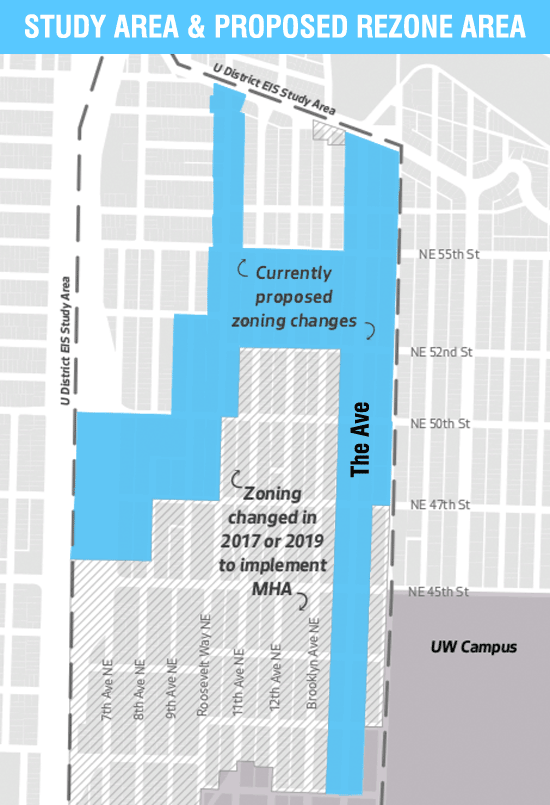
By only examining the development above NE 47th St, minus The M tower that kicked off the tower boom, we can capture all of the recent development and permitting in the U District’s old zoning. Also included are a few projects within new highrise zoning that opted to make their projects midrises. We’ll start with the northernmost project that didn’t get caught up in the zoning pause, you can see the tiny striped blip in the image above. Its parcel’s zoning became mixed-use midrise from single-family.
Starting with Ravenna through 52nd St
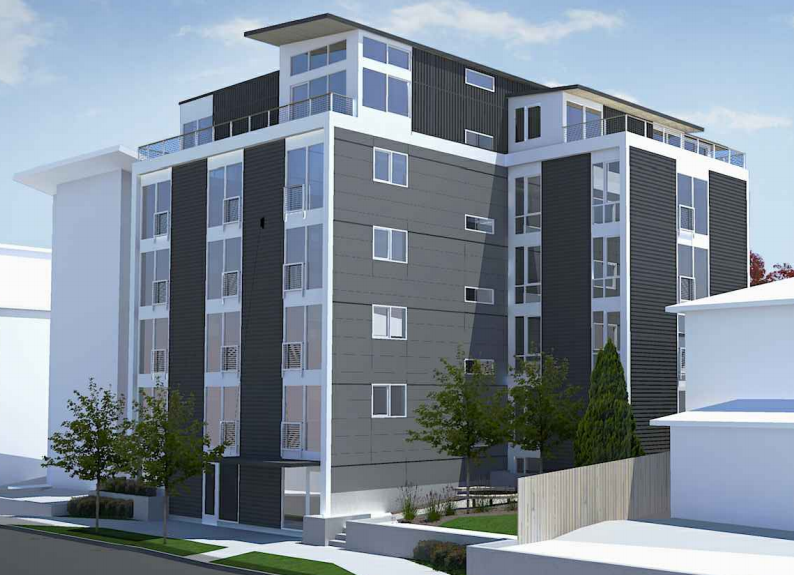
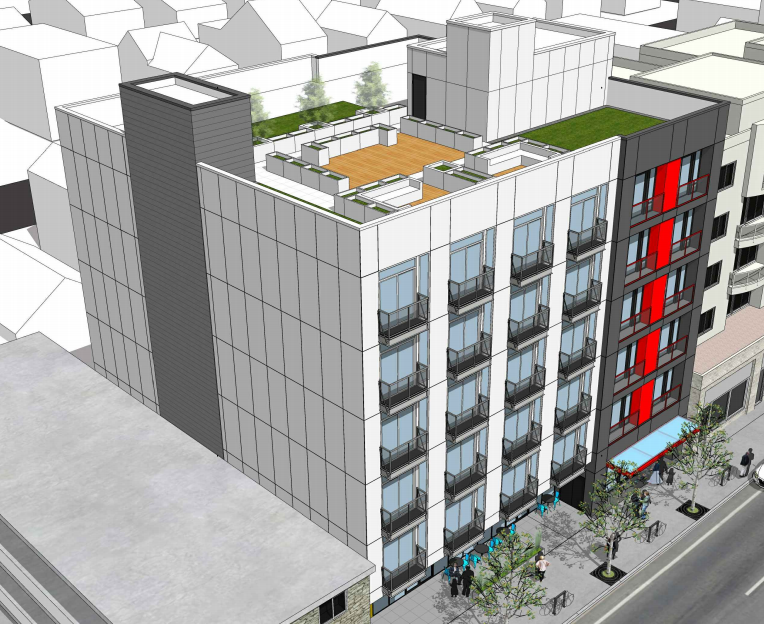
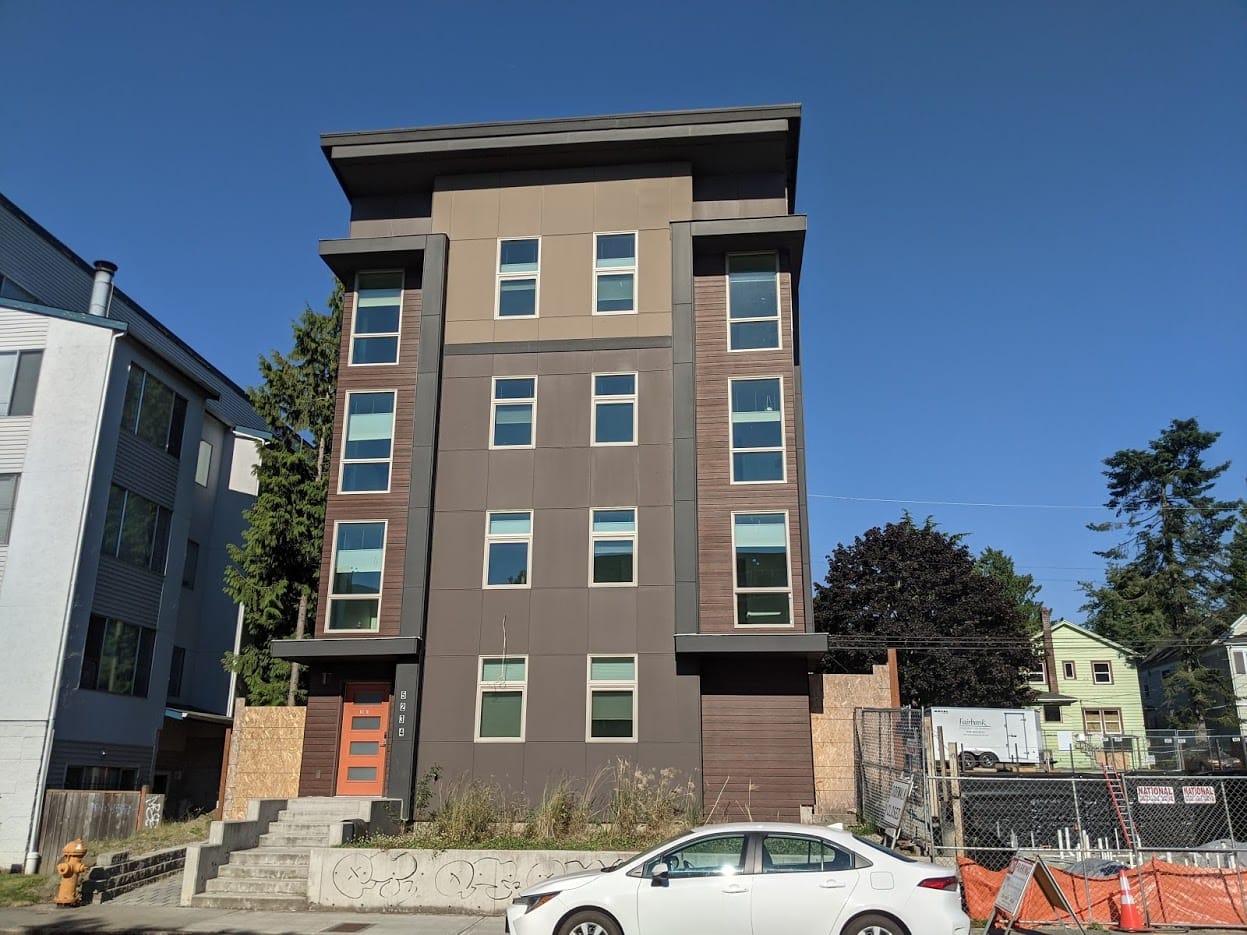
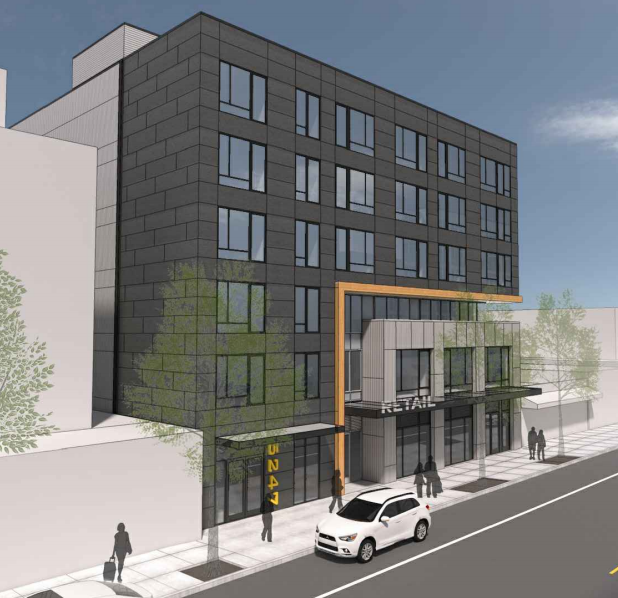
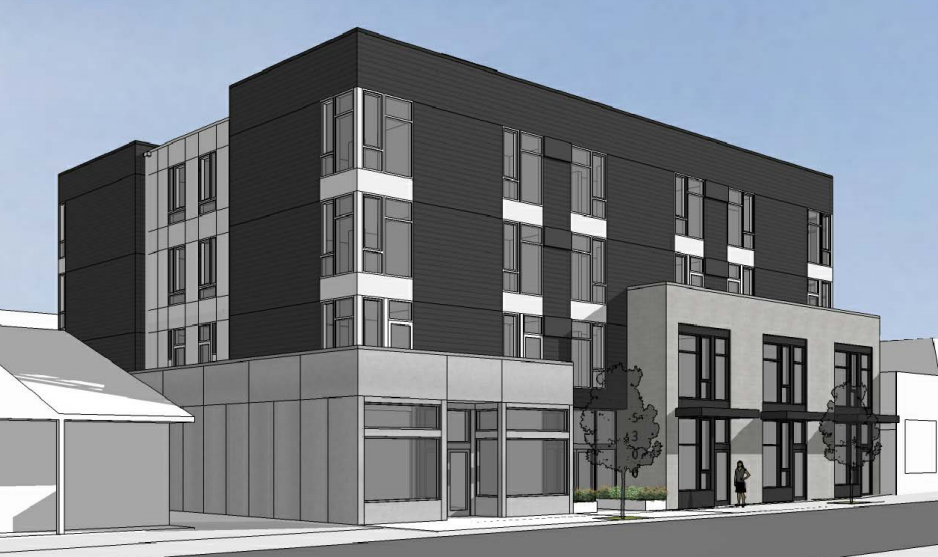
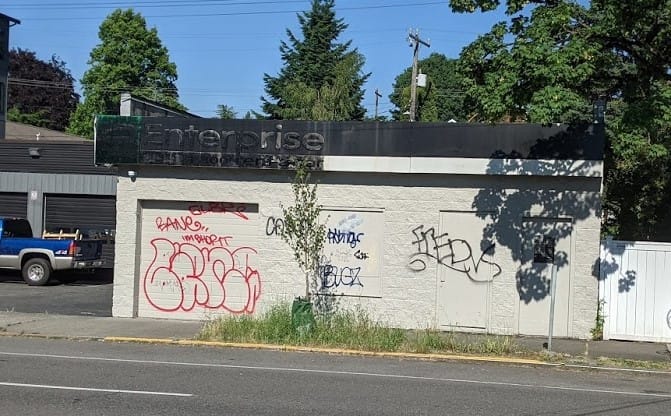
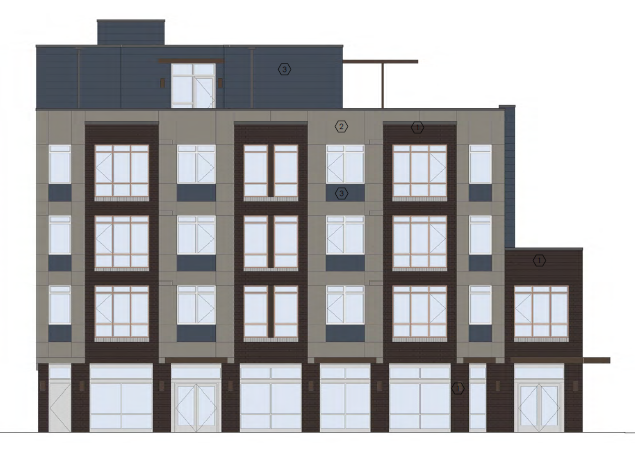
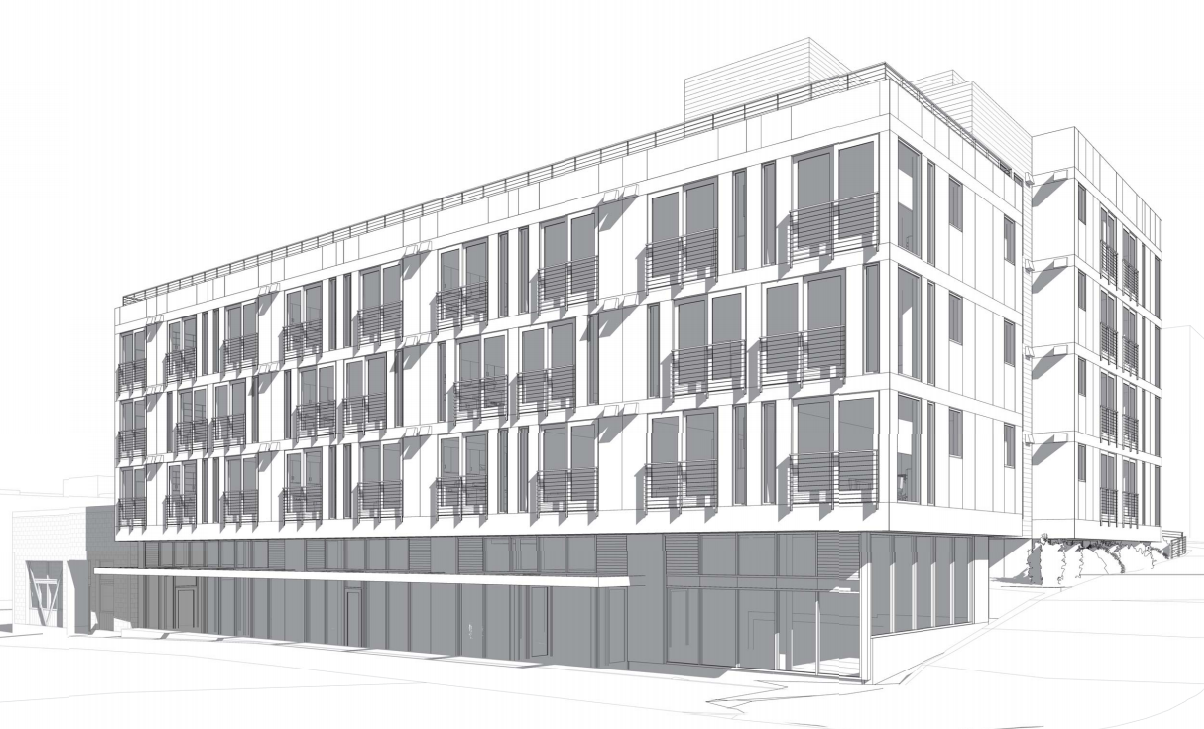
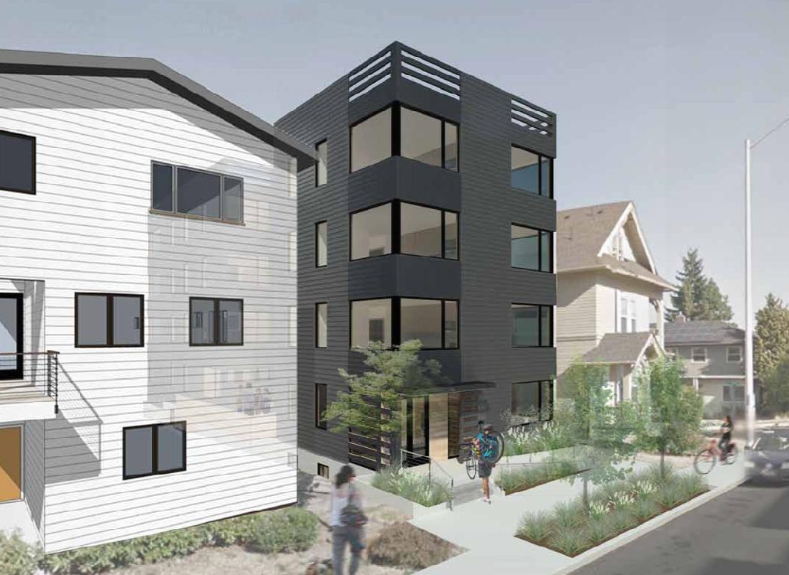
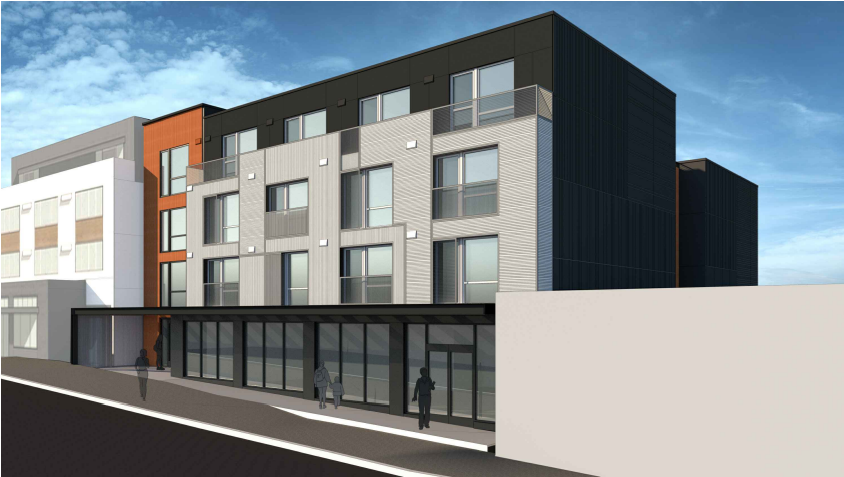
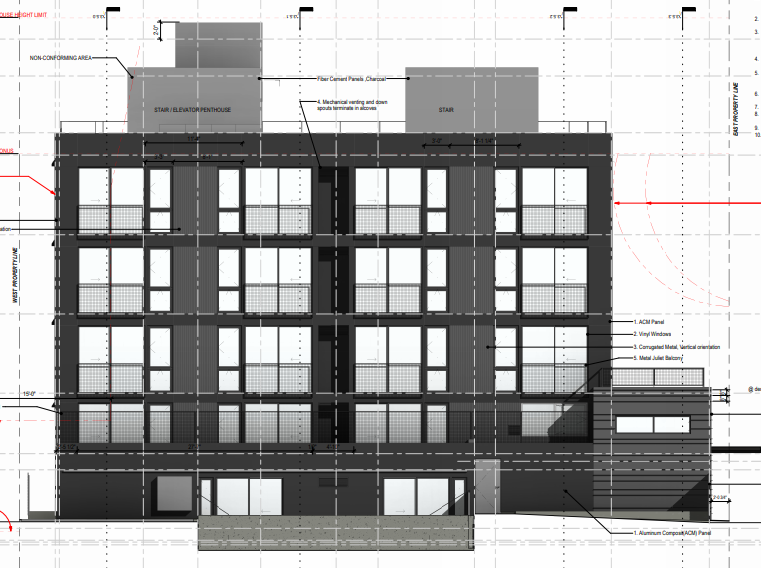
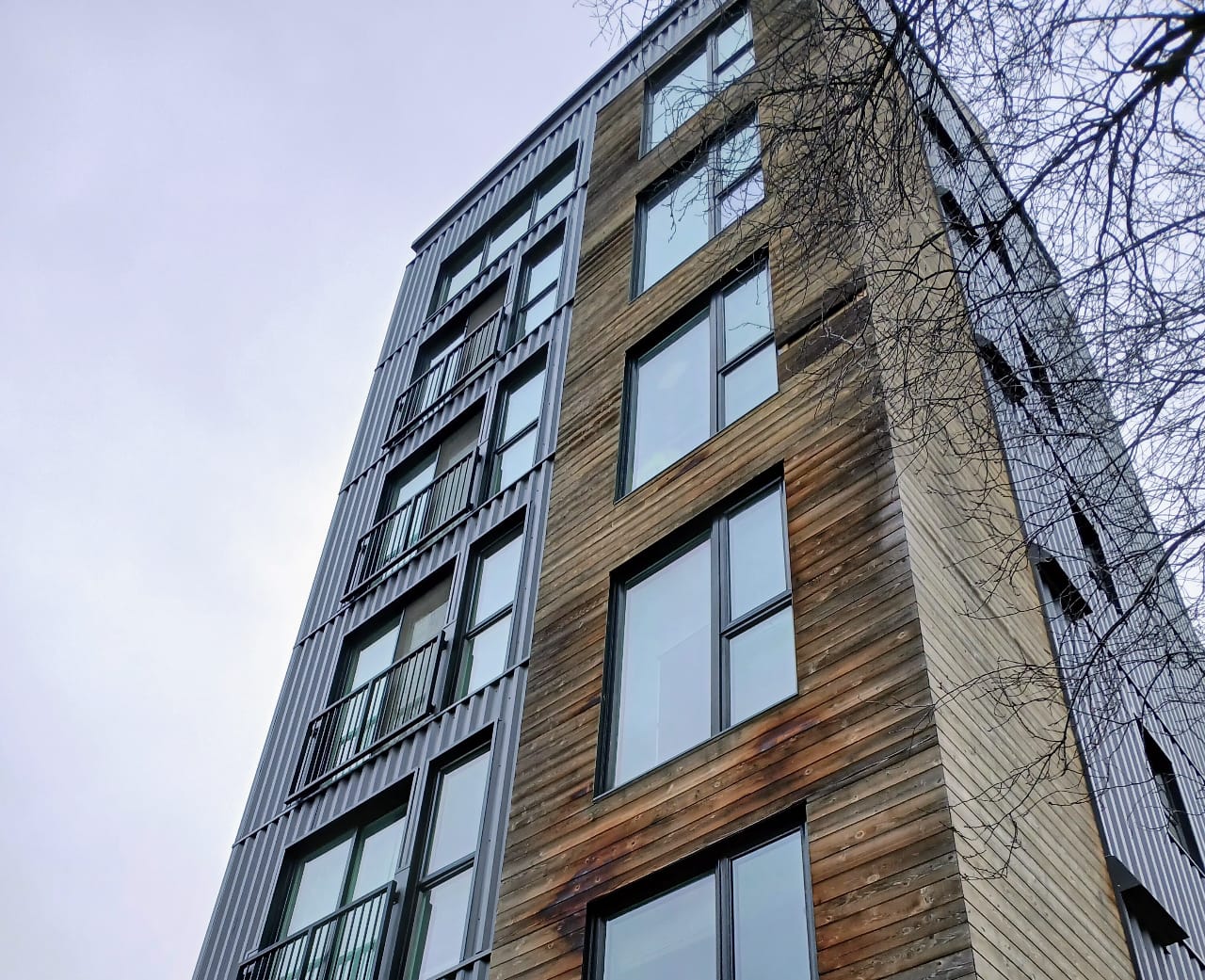
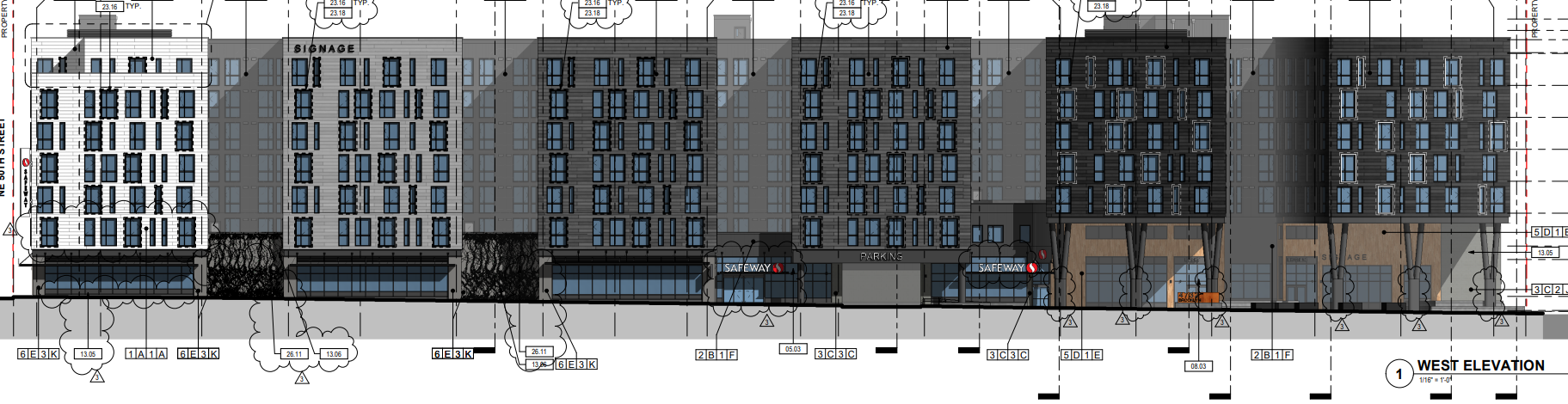
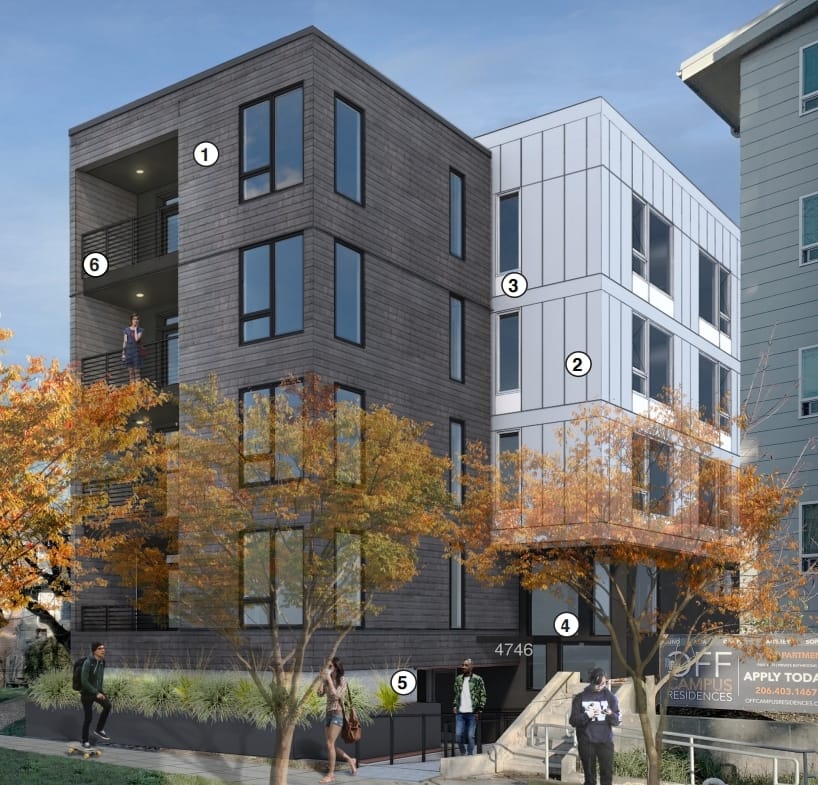
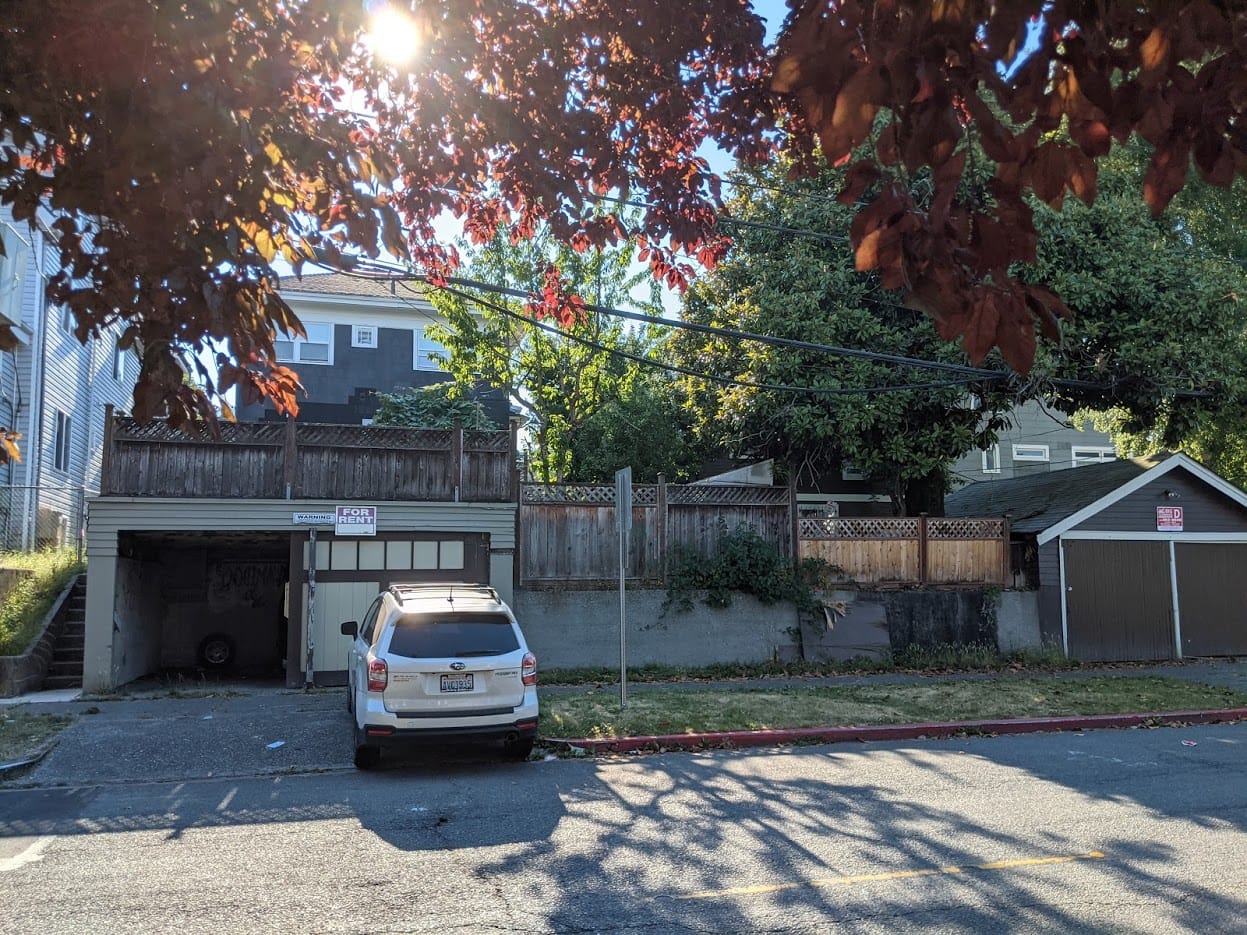
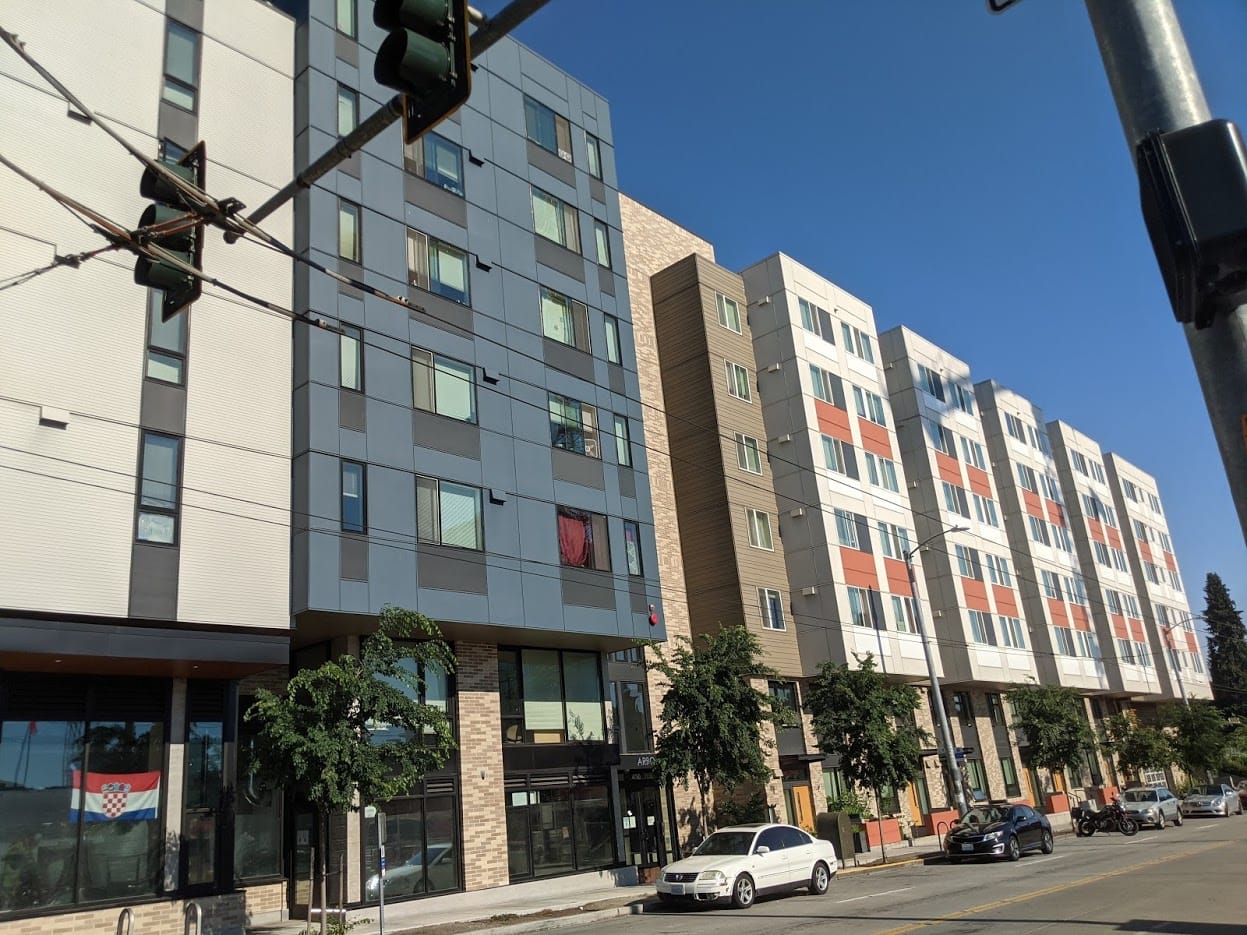
Down to 50thAfter we pass NE 52nd St, the recently liberalized zones and their MHA requirements start to emerge in substantial numbers. Midrise residential and mixed use are flanked by shorter mixed use midrise and residential lowrise. In the band of blocks between NE 52nd and NE 50th St, we also start to see a significant increase in development compared to the paused upzoning north of the band.Stopping at 47th St for nowThe trend of increased development as we move south to the next band of blocks continues. This increase, so far, is entirely due to the lowrise upzoning directly north of the University’s NE 45th St border, which is made up of UW’s Greek Row, older single-family and multifamily homes, and now lowrise apartment buildings. The blocks between NE 50th St and NE 47th St also have some highrise zoning on them, but outside of the completed The M Seattle the projects on this span have chosen to stick with midrises.Unsurprisingly, students appear to be the target market for the developers. The housing type of SEDUs dominates the projects built, building, and potentially to be built in the U District. Small apartments are becoming commonplace in the neighborhood. In total, 1,276 units have been permitted, been under construction, or have been built since 2019 north of NE 47th St alone. At least 1,576 units could be provided in U District midrises and lowrises north of NE 47th St, if all the projects currently in permitting eventuate into apartment buildings.On increasing housing supply, the neighborhood has no issue providing its share of housing. On affordability, the U District appears to struggle with only up to 13 on-site performance units from MHA requirements proposed so far. That’s 13 units out of 1,576 possible units, we’re not even breaking a percentage point of truly affordable units in the listed projects. Sure, SEDUs could be considered affordable and are a valuable type of housing to add to the supply. It’s just hard to consider the dollar to square footage ratio truly affordable, when SEDUs are made market-rate. This is not to say that these projects are not helping us address the affordability crisis. Just look at the projected MHA payments: even in the swathes of non-MHA zones in the northern half of the U District, over $6.5 millions dollars are being paid into MHA, which will pay for affordable housing. I would just be more heartened if more developers provided affordable options on their properties and widely distributed the affordable options.
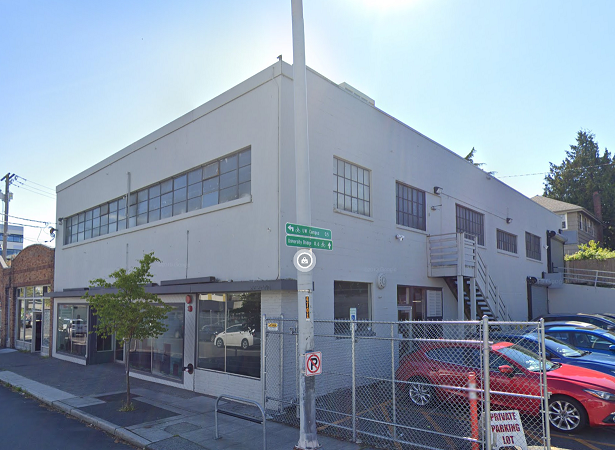
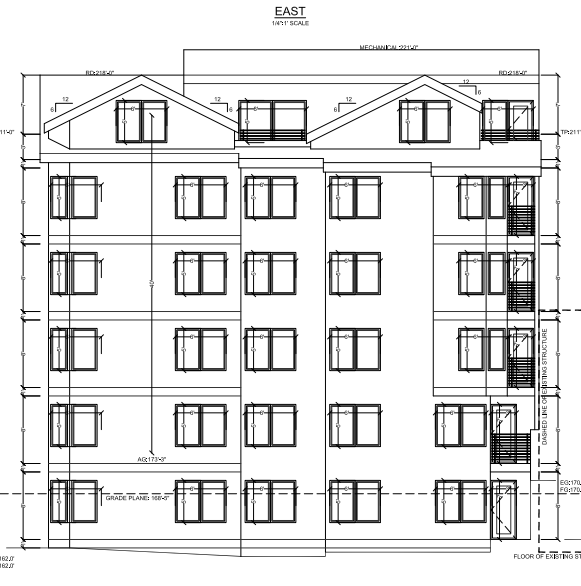
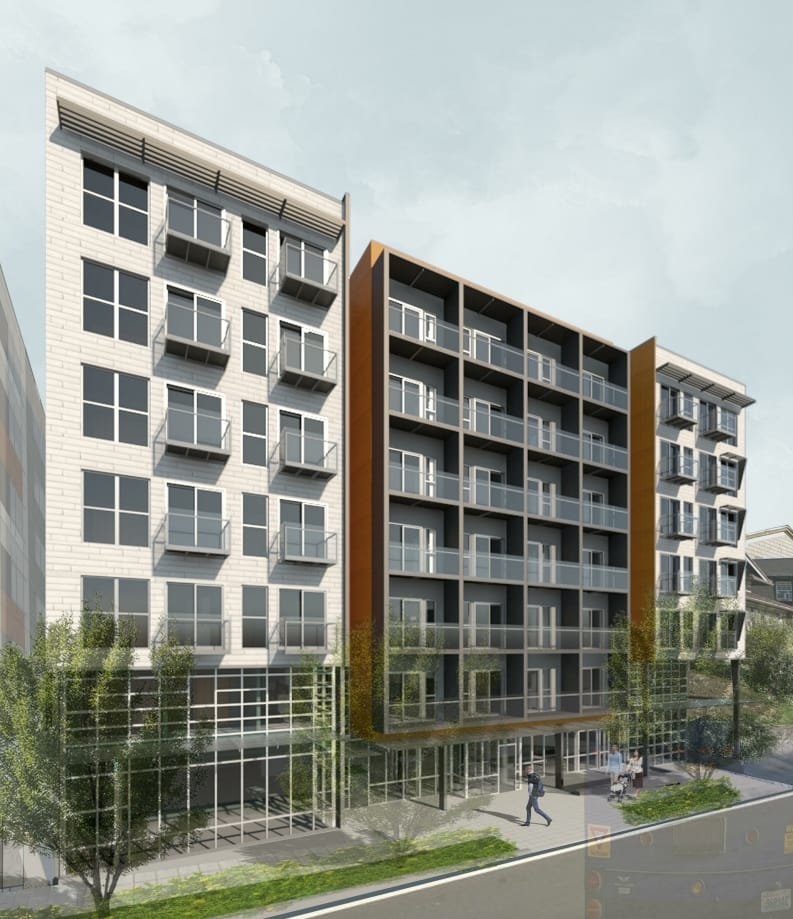
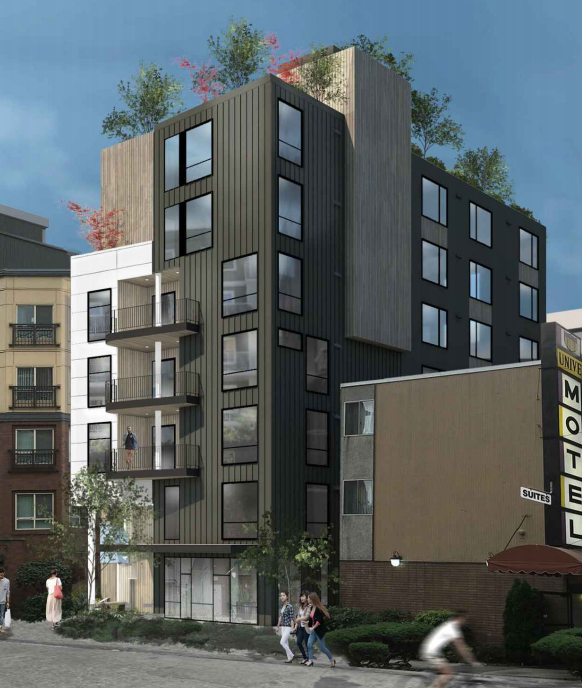
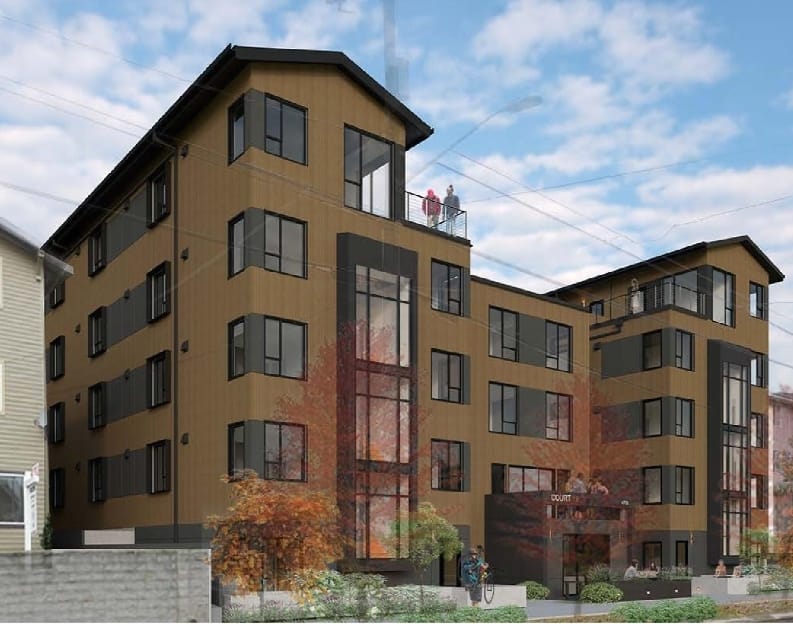
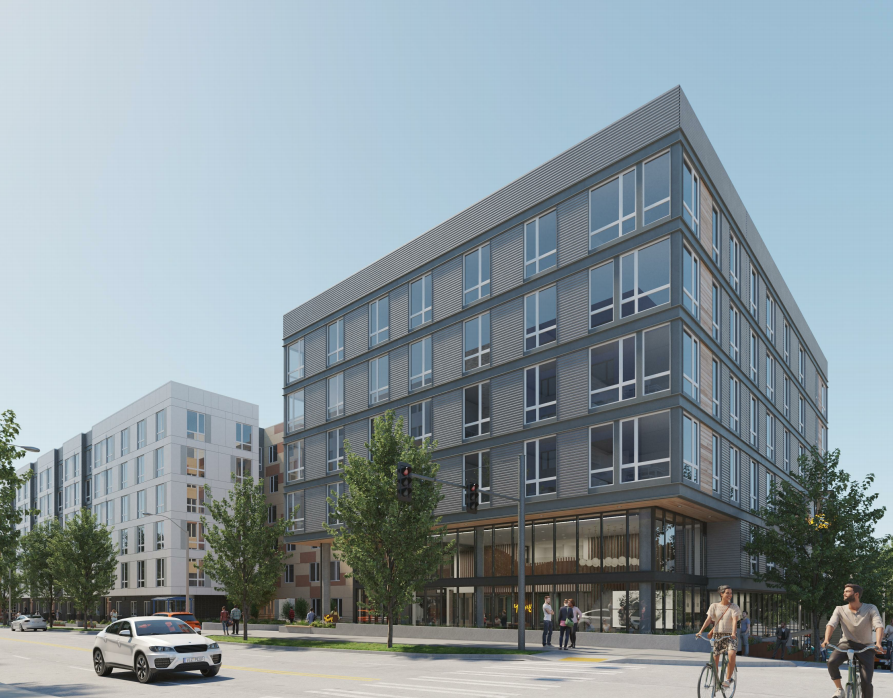
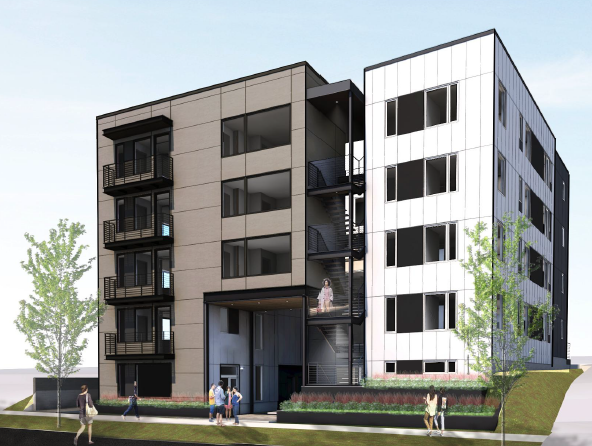
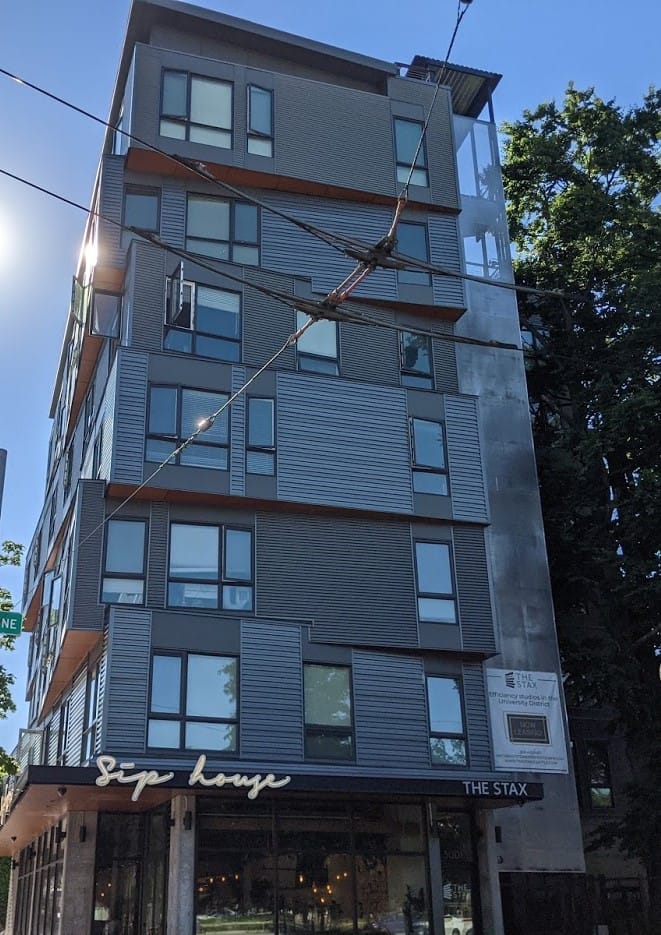
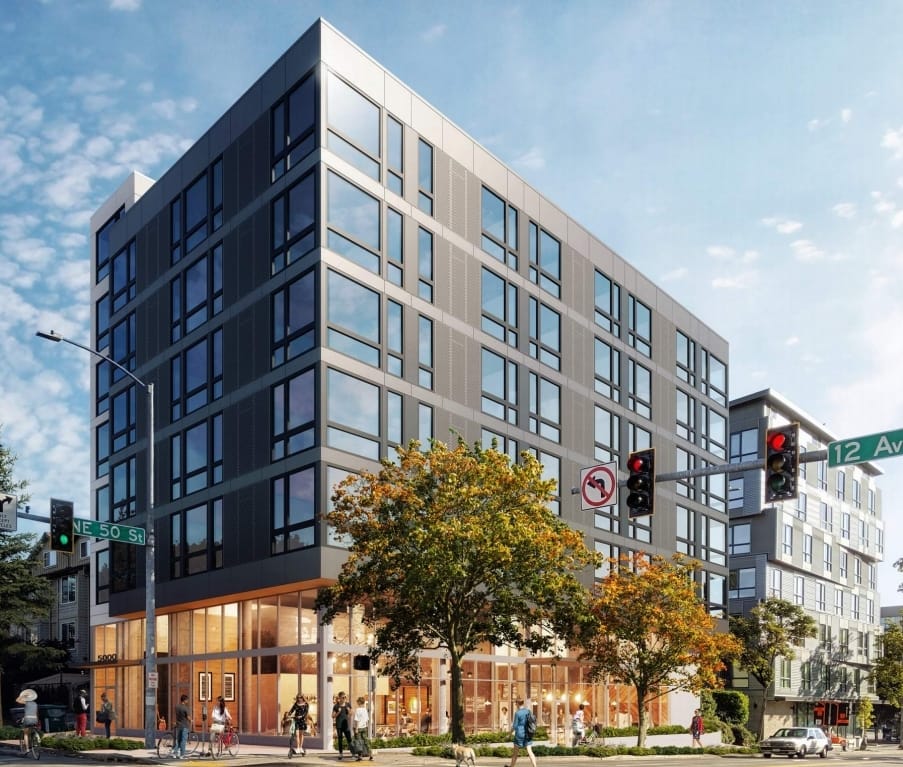
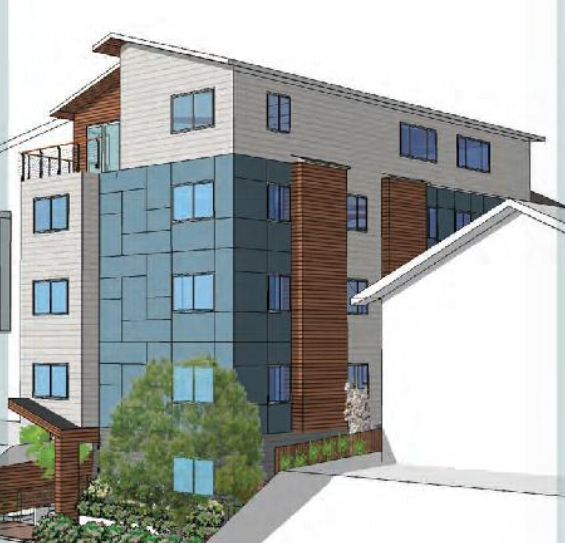
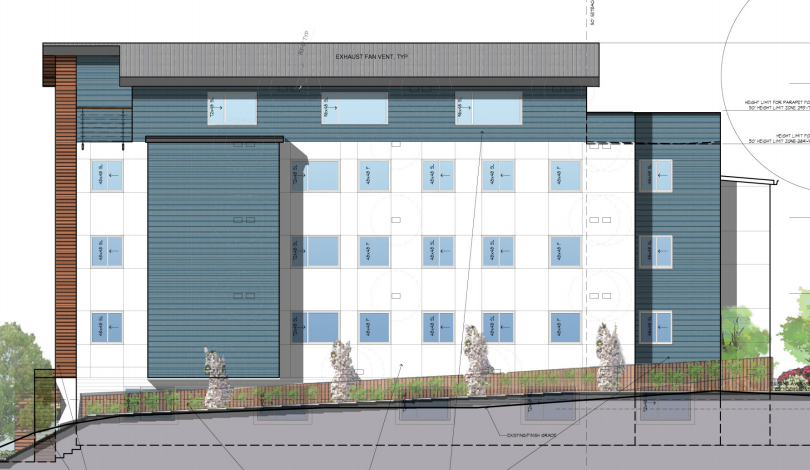
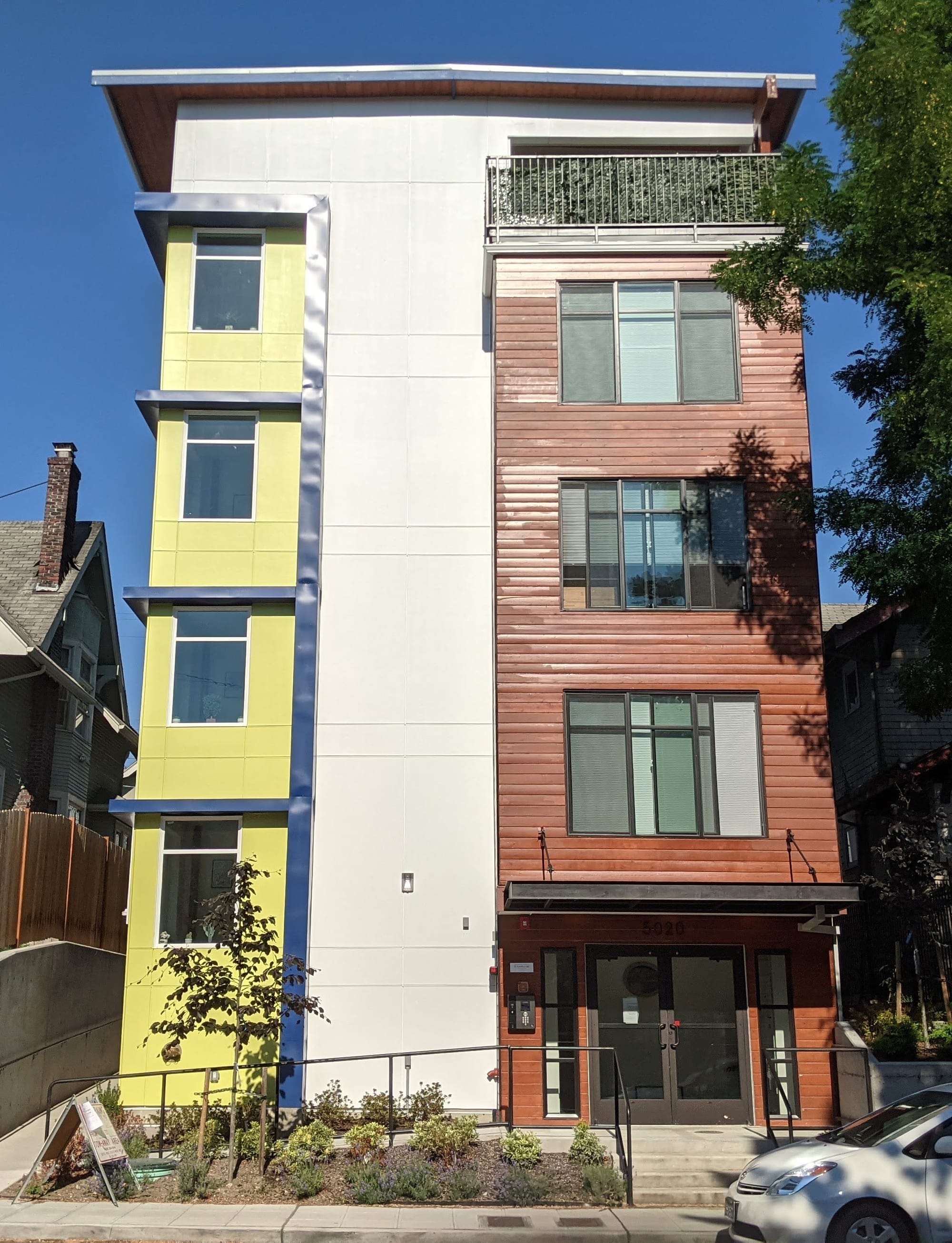
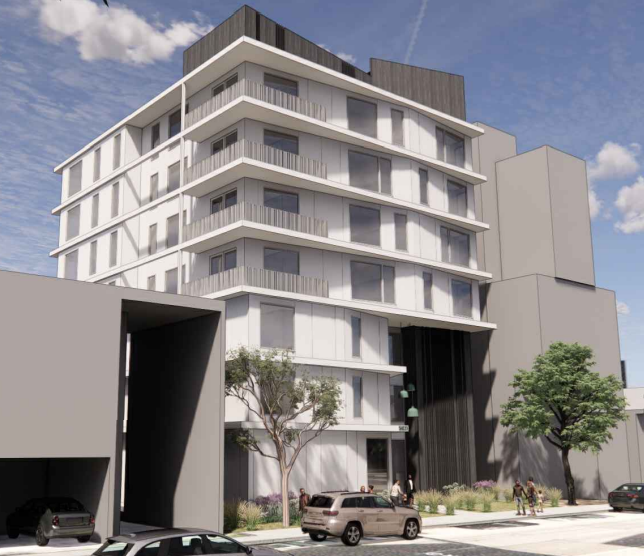
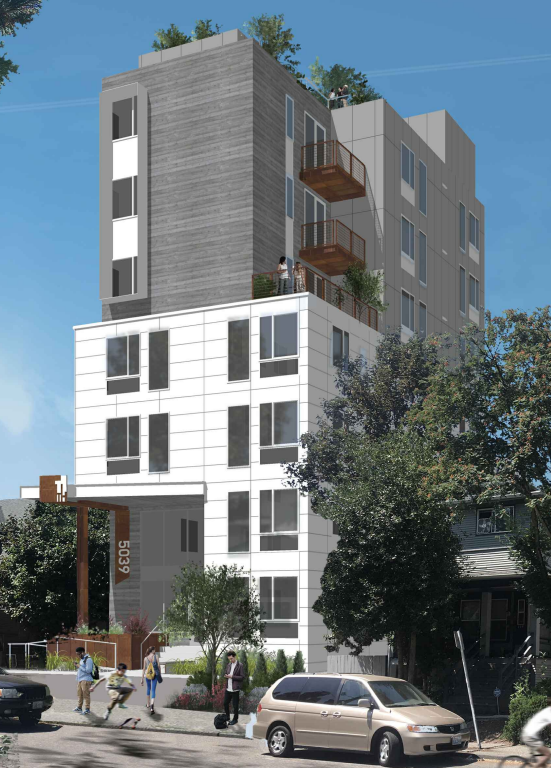
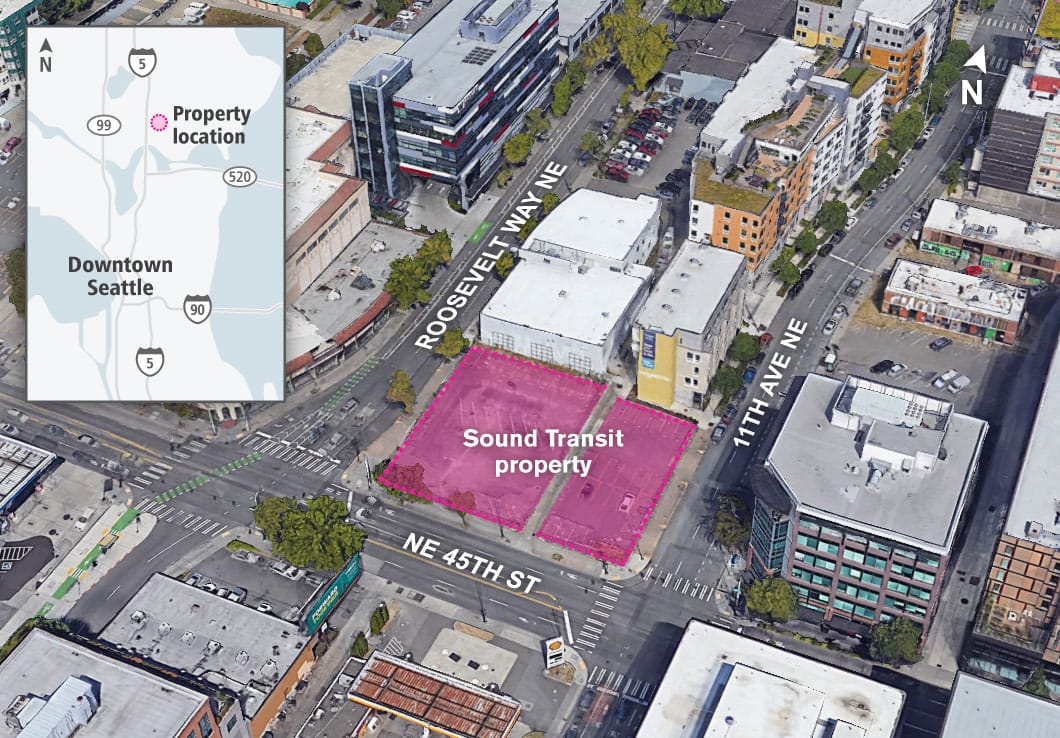
Looking south to the rest of the U District, highrises loom and the MHA contributions loom even larger — a magnitude larger. Sound Transit’s transit-oriented development site is also there, and the agency appears to be pitting affordability against maximizing density — at least in an early survey. Based on a 2020 Incentive Zoning-Mandatory Housing Affordability Report by the Office of Housing, affordable housing investment into the neighborhood is missing. Meanwhile, the neighborhood pays the most into the program. While it may be cheaper to develop affordable housing in other neighborhoods, we shouldn’t just let a monoculture of market-rate housing thrive in a single neighborhood.
Part two will feature the highrise development in the U District and the continued transformation. We’ll also have a small aside to discuss the U District TOD conundrum.