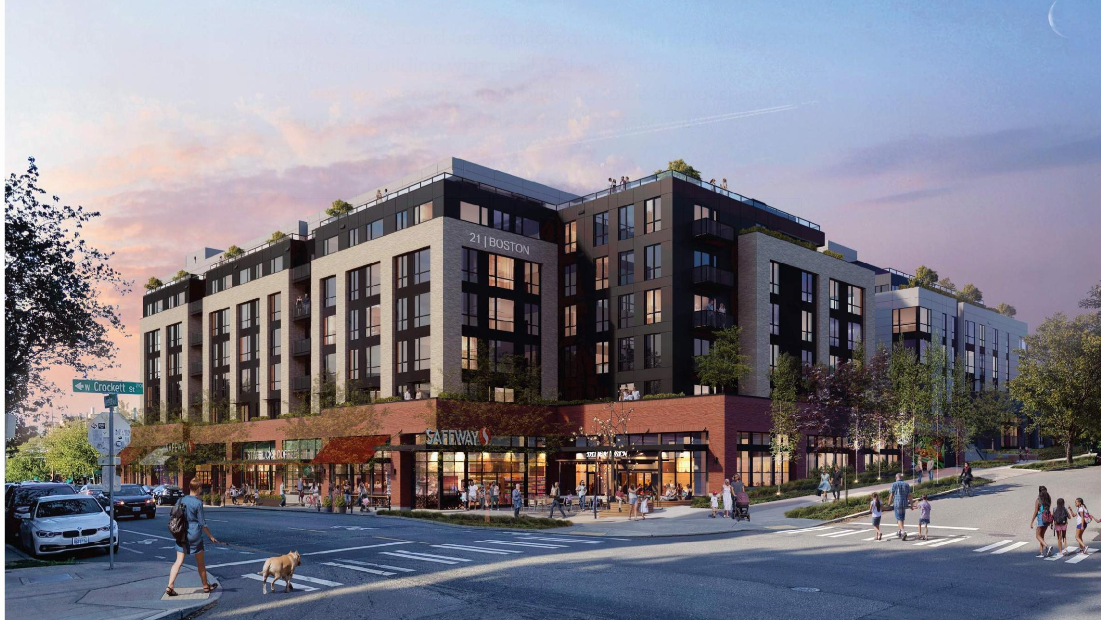
Facing gripes about brick color and other minutia, 323 homes will need to wait.
In 1994, Councilmember Jim Street proudly predicted Queen Anne would be effectively off limits to new development thanks to the interventions of anti-housing activists in the neighborhood planning mandated by the 1990 Growth Management Act.
“I’m prepared to predict, as we speak, that planning in Queen Anne will be as close to zero (in increasing density) as you can possibly get,” Street said, discussing the Queen Anne Urban Village designation, which was skinny enough on top of the hill to keep most of the tawny neighborhood off limits–especially when paired with the need for approval from groups infiltrated by homeowner activists.
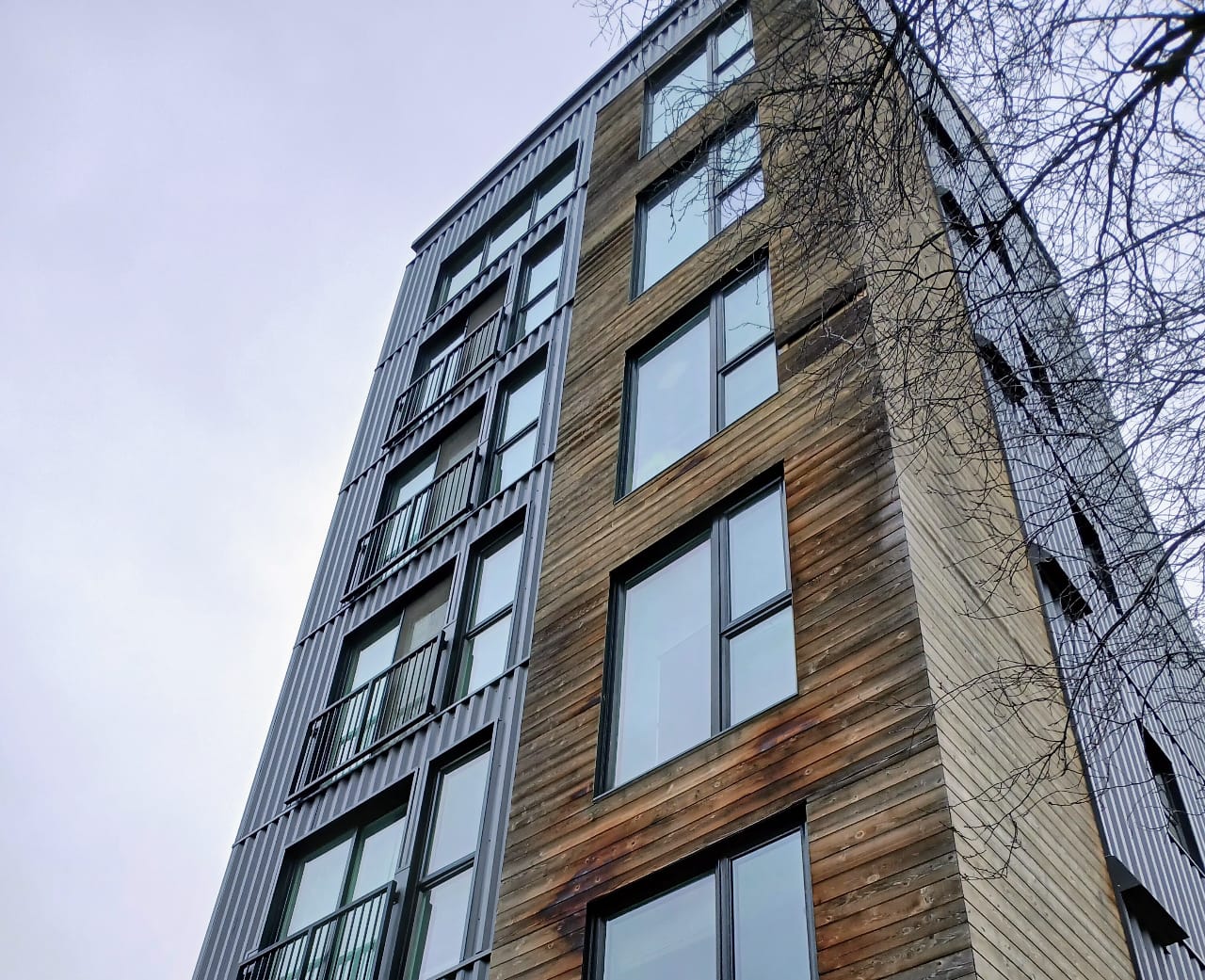
Last night, Queen Anne took another step toward proving out Street’s prediction, as the local design review board yet again declined to approve a design for Queen Anne’s Safeway redevelopment in the works since the Obama administration. The project would bring 323 homes atop a brand new expanded Safeway grocery store along with streetscape improvements. At 474,000 gross square feet (minus exemptions for residential underground parking and ground-floor retail) in an “M1 intensity” 75-foot zone, the development would contribute about $10 million $6 million in Mandatory Housing Affordability (MHA) payments or set aside 29 homes on-site for low-income households (below 60% of area median income) due to 9% affordability requirements in the zone.
The West Design Review Board didn’t seem too concerned about housing affordability as it required the developer to come back yet again with revisions at another meeting to address their nit-picking about minor design features. In a marathon three-and-a-half-hour meeting, boardmembers quibbled with all manner of details from the proper size of planters, modulating storefronts, the number and caliber of businesses likely to call that frontage home, and whether the developer has really earned it.
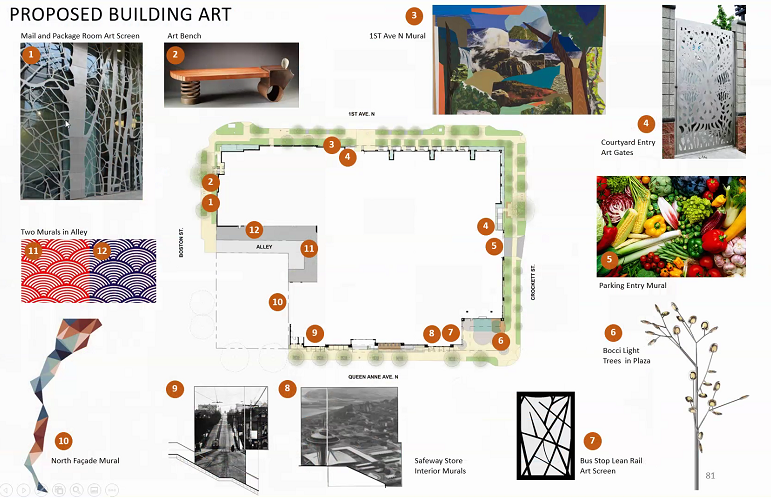
Murals were promised on every blank wall, brick added in abundance, bocci light trees sprouted, festival lights strewn about, benches made arty, gates customized with metal latticework, and a pedestrian plaza promenading through the whole shebang, but still it wasn’t enough to impress the board.
The City planner tasked with the project, Joe Hurley, commended the board’s thoroughness and commented they should erect a statue of the developer and architect if they make it through this gauntlet, which seems a terrible way to run a city if it feels like winning the Super Bowl to get a simple apartment building built. “I’m glad the Board is doing a really good, thorough, deliberative review,” Hurley said, calling the project “legendary” as reported by Mark Ostrow of Queen Anne Greenways, who tweeted the meeting.
To some urbanists and pro-housing activists from the sidelines, the continued delay of this Queen Anne project was calling into question the very existence of the design review process in its current format. The design review boards consist of five volunteer members appointed by the Mayor and City Council. One seat is reserved for a design professional, two for community members, one for a development professional, and one for a business or landscape design professional. Meetings are staffed by one City planner from the Seattle Department of Construction and Inspections–Hurley in this case.
The West Design Review Board is composed of Brian Walters as the design professional, Steven Porter as the development professional, Jen Montressor as the landscape design professional and business representative, and Patreese Martin and John Morefield as community representatives, though both are architects too. All five members are White, it would appear, which is true of most of the eight design review boards. (The Central Design Review Board is the only one with a Black member while no Latinos appear to be represented on any of the boards.)