On Monday, Seattle City Councilmembers will decide whether a 0.1% or 0.2% sales tax goes before voters in November. Their decision will impact transit service in Seattle for years to come.
Even though the stay-at-home order might feel like it has dragged on for an eternity, the truth is that we are still only experiencing the beginning of the impacts wrought by the Covid-19 pandemic on our lives. Intellectually, we might be aware that deficits caused by the pandemic are cratering city and state budgets, but most of us have yet to really experience what that loss of public funding will mean on a personal level as we move deeper in a recession.
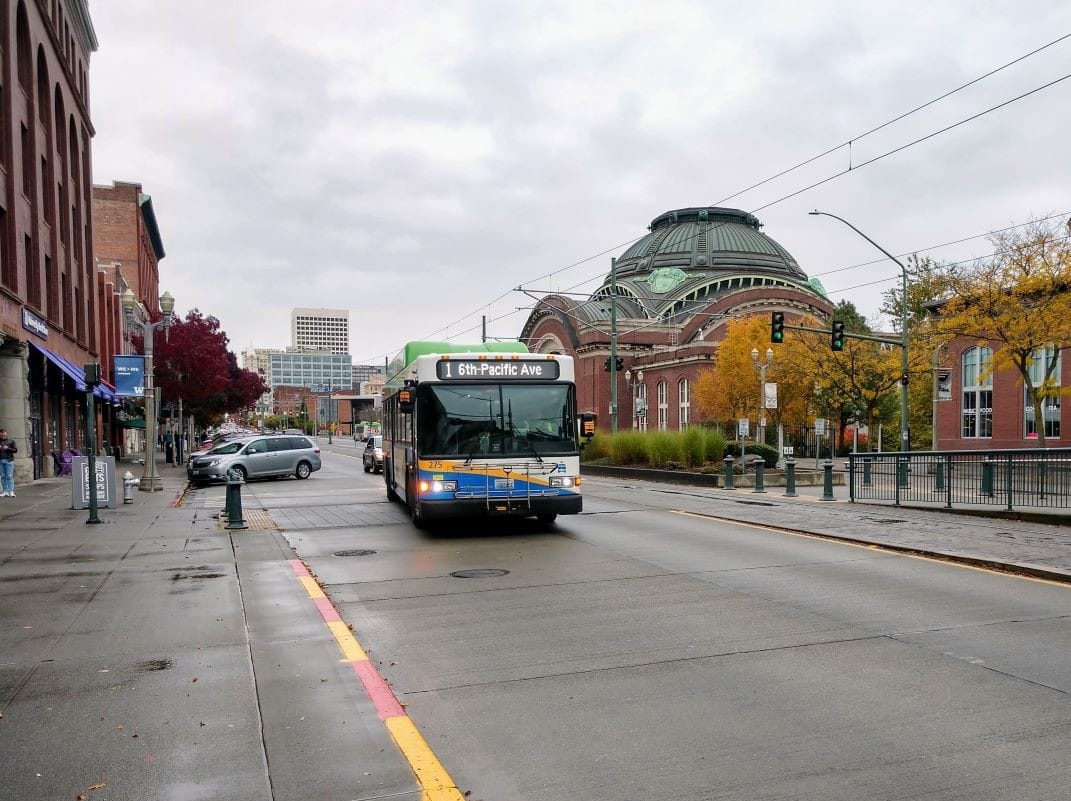
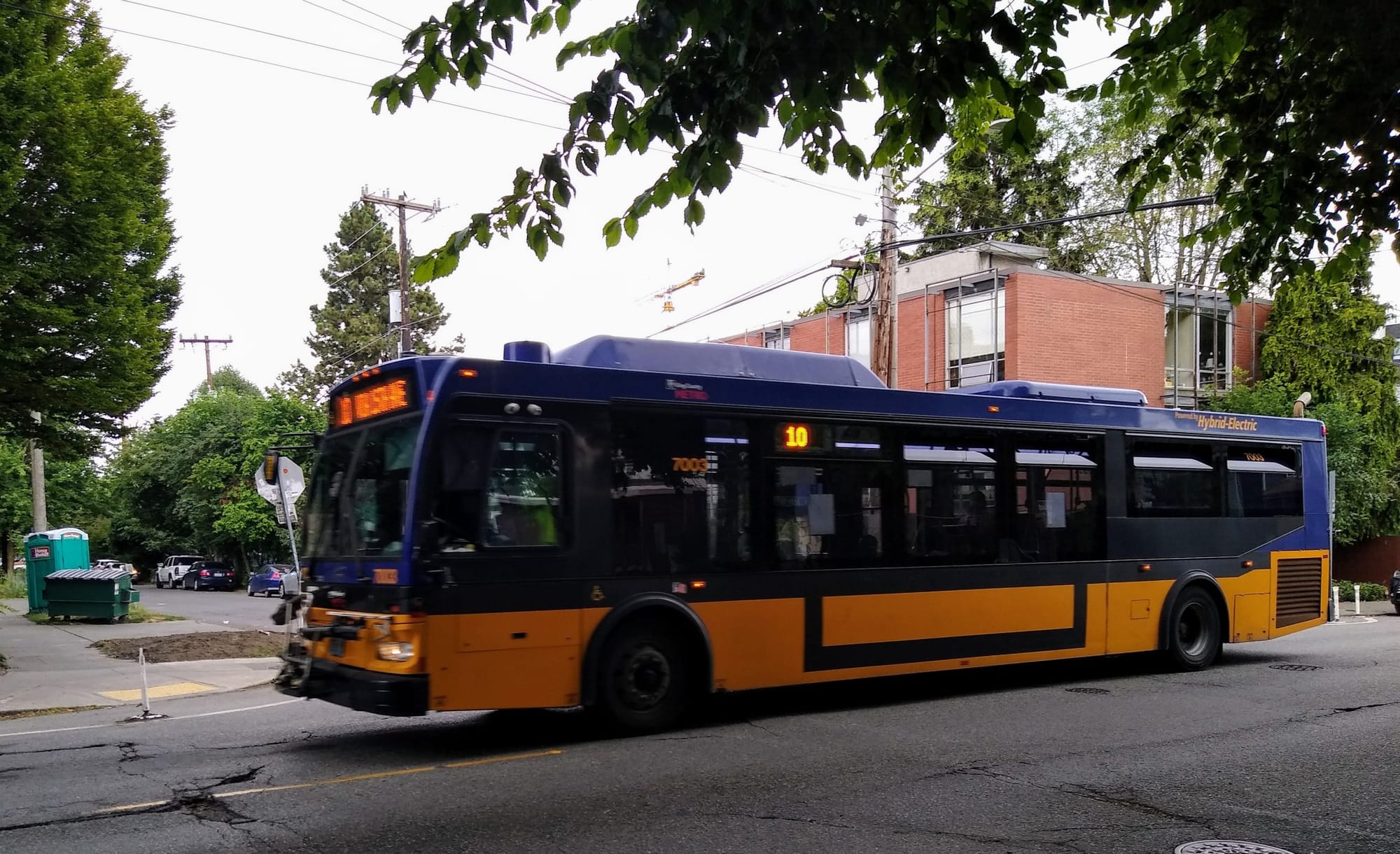
For many Seattleites, the moment that reality crashes in might be a simple, but fundamental one: a late bus that transforms into a bus that never arrives. Or a reduction in service announcement posted on a route that provides essential travel to work or medical appointments.
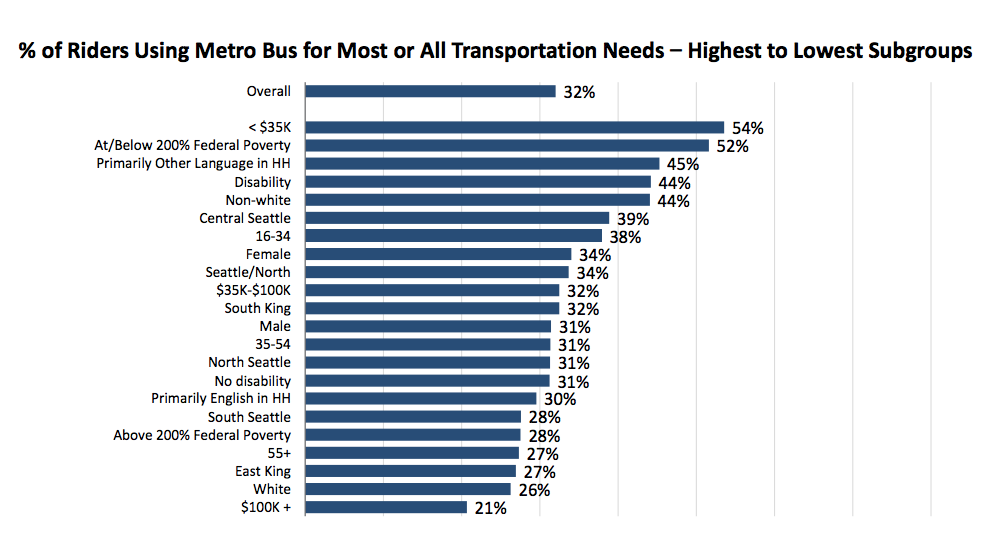
While for some Seattleites, a loss of transit service might spur irritation for a variety of reasons, for people who are transit dependent, a community that disproportionately includes many members who low-income, disabled, or people of color, loss of transit service is devastating. For people who are transit dependent, service reductions can equate to job loss, and they also increase the challenges around finding housing. Imagine how difficult it is to find an affordable place to live right now in Seattle. Now imagine you are transit dependent, and need to find housing near transit that you rely on for access to work. A reduction in transit service would negatively impact your life on so many levels.
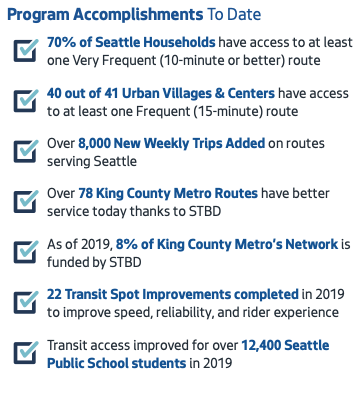
These potentially devastating impacts on many Seattleites is something the Seattle City Council will need to consider as it moves to approve either a 0.1% or 0.2% sales tax funding Seattle Transportation Benefits District (STBD) on Monday. The STBD has been a vital source of transit expansion in the city since 2010, adding tens of thousands of hours of additional service and furthering Seattle’s progress toward attaining the status of a “10-minute” transit city.
Pre-Covid-19 local transit advocates and government leaders were optimistic that the STBD could be improved upon by transforming it into a countywide measure funded on progressive revenue. Unfortunately, budget losses sustained by the Covid-19 crisis, pushed King County to back off from supporting the measure leaving Seattle to continue on alone.
The Covid-19 recession is placing the City of Seattle in all kinds of difficult situations, and determining how much to fund the STBD as it comes up for renewal is no exception. When Mayor Jenny Durkan first put forth her proposal for the STBD, she acknowledged that maintaining the 0.1% sales tax for the next six years will result in a loss of transit service because it does not replace the lost $60 vehicle license fee while sales tax revenue has dipped during the recession. Calling it “the hard, but fiscally prudent decision,” in an SDOT blog post, the Mayor tried to frame her STBD proposal as part of an “equitable recovery.”
But can a decision that so disproportionately impacts transit dependent low income, disabled, and people of color communities really be framed as “equitable”? And while the Seattle City Council has registered concerns over the regressive nature of the sales tax, is it truly accurate to frame a tax whose funds are disproportionately invested in improving the lives of low-income Seattleite as regressive?
On July 17th, Councilmember Tammy Morales (District 2) introduced an amendment raising the sales tax from 0.1% to 0.2%. “This amendment is intended to buy back as many hours as possible. If we raise the rate then we can buy back over 100,000 hours of transit to prevent the kind of enormous cuts we are looking at,” said Morales. “We have to do everything we can to maintain the routes, to support low-wage workers, and preserve as much transit as possible.”