The United Nations’ Intergovernmental Panel on Climate Change (IPCC) issued a report on Monday underscoring its past warnings that governments must act decisively and immediately to stave off climate catastrophe. Although many American leaders issued remarks in response, few could boast of having taken tangible actions to meaningfully change our current course — among them Seattle Mayor Jenny Durkan.
Yet Mayor Durkan often boasts of Seattle’s environmental leadership, and she did so again this week at a public event as part of Foreign Press Center’s Climate Mayors’ program.
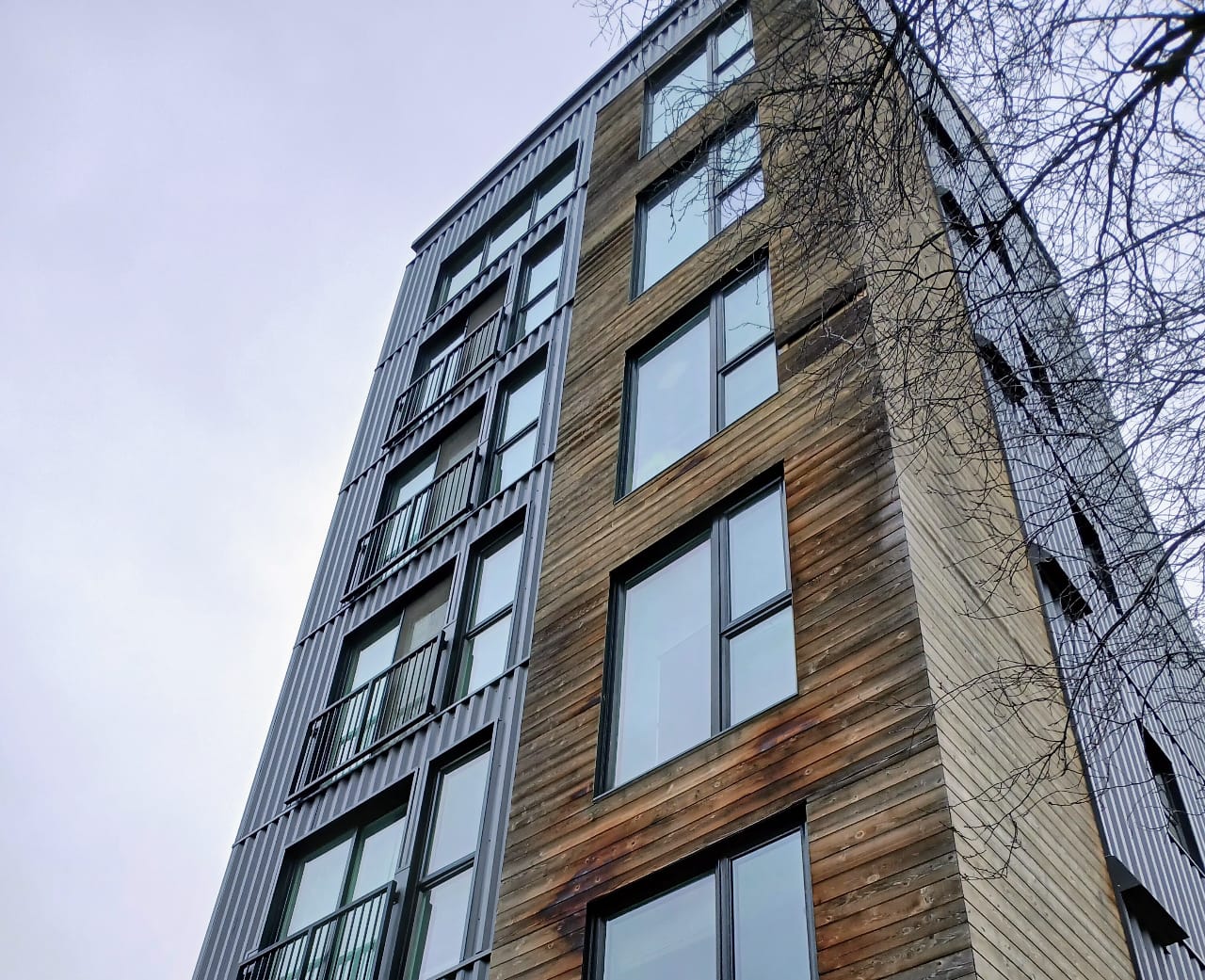
“In Seattle, we’ve been taking very proactive steps for — in our battle against climate,” Mayor Durkan said in her speech. “Our greenhouse gas emissions come primarily from two areas — transportation infrastructure and transportation, and our buildings. So we’ve been pushing very hard to get our buildings to be more friendly for the climate, and I just signed one of the most aggressive energy codes in the country to move forward on that, as well as a pilot to develop buildings that are actually zero net emissions.”
However, data shows that Seattle’s carbon footprint has crept up during Durkan’s tenure, and the Mayor has been notably hesitant to take aggressive actions to tackle the city’s number one source of emissions: transportation, which accounts for two-thirds of the city’s carbon output. Mayor Durkan had pledged to pass road congestion pricing in her first term, but later abandoned that pledge after conducting a preliminary study that led to a sketchy plan. The lack of specifics in her remarks hinted at that cloudy record on transit and climate.
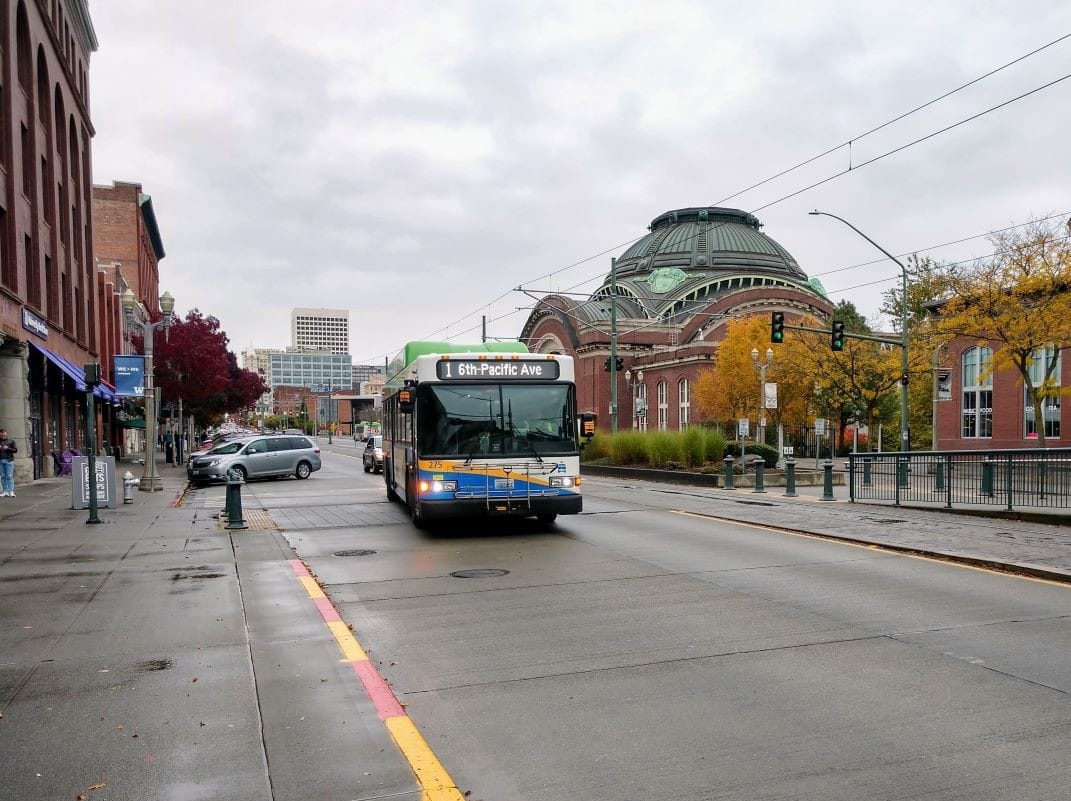
“On the transportation side, we’re — we are really pushing as much as we can transit in every fashion, as well as the ability to have that seven-minute city where people can walk or roll to where they need to get,” she said.