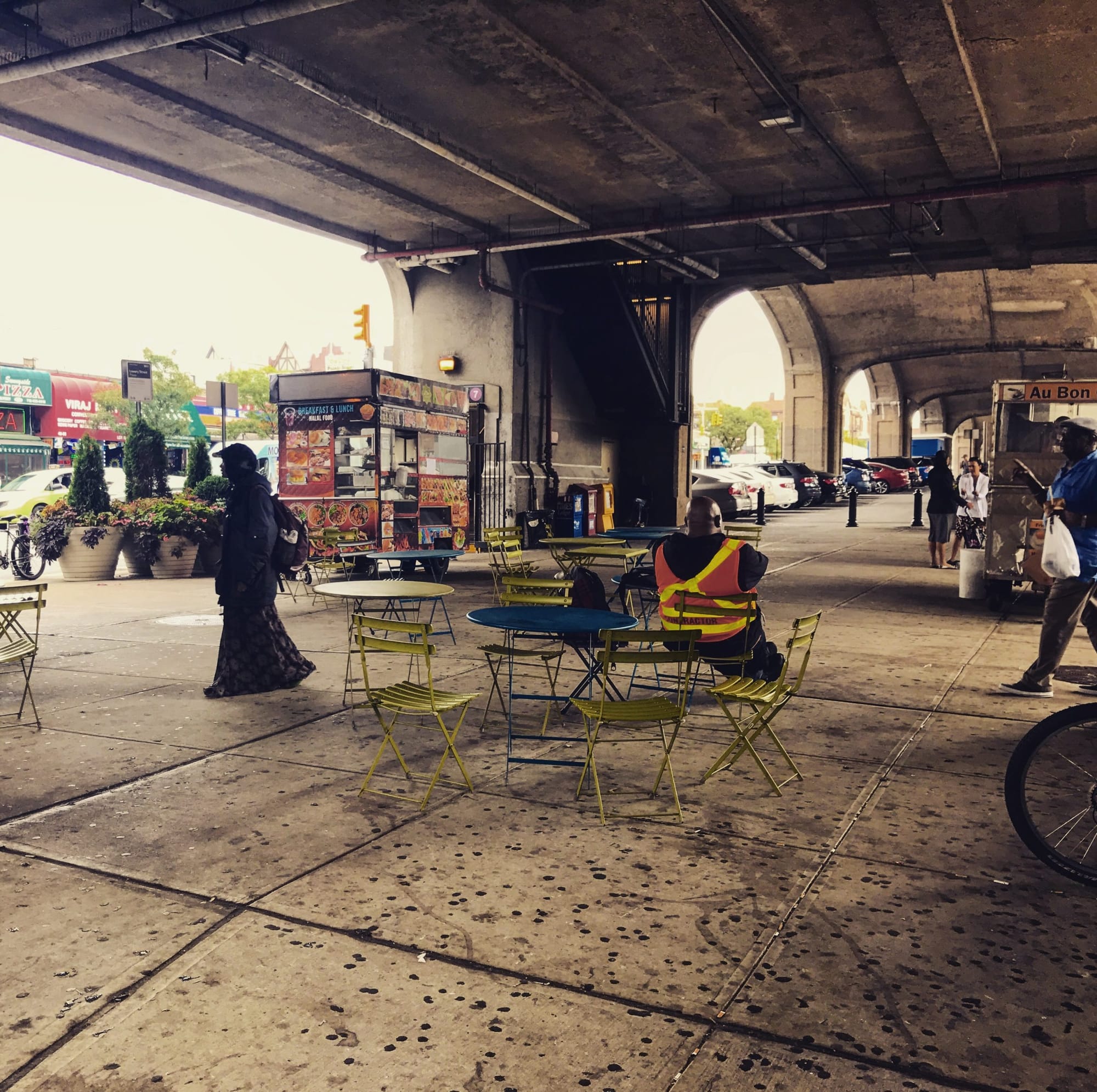
The sorriest: It’s official, Seattle has the sorriest bus stop America.
Poor incentive: The commuter parking benefit is inducing people to drive to work causing more congestion and pollution for cities.
Good incentive: Meanwhile, Washington, DC is looking at a plan that would pay commuters to walk or bike to work.
Better data: King County Metro Transit is launching better systems for real-time arrival information this weekend.
Hyperdogggle: Hyperloop One, the boondoggle brainchild of Elon Musk, has gotten a big round of investor money, but it’s still a long way to getting beyond concept.
Skateboard FTW: Geekwire pitted multiple modes against each other during a peak travel time in Seattle to see which is fastest (spoiler: the skateboard wins).
Mergeburbs: Merging suburbs may be a practical solution to save them if they are dying, says urbanophile Alex Renn.
Smaller mansions: Mercer Island looks to discourage some of the largest mansions ($) being built on the island community.
More than pay: Cities need more than just high paying jobs, especially if they are going to welcome big corporations like Amazon.
Car-free zones: Greater Greater Washington took a deep dive this week into the secret sauce of what makes car-free zones work.
City tweets: A Twitter account is tweeting images of cities and describing them.
Inefficient plan: Maryland’s governor wants to spend lavishly on new highways, though they would be tolled.
Uber woes: London just decided to ban Uber for non-compliance, but perhaps services like Uber could help rural areas in need of mobility options.
Cheap bikeway: Fort Collins was able to build five miles of bikeways for under a million dollars, but there are good reasons why it was so cheap.
Deadend line: Under Armour wants a light rail extension to their campus in Baltimore, but it would limit future expansion if built as proposed.
Station access: Some residents along the future Federal Way Link extension remain concerned about station access.
Unaffordable: If rent were affordable, households would be paying at least $6,200 less per year.
Skyrocketing emissions: Vizualize the increase of carbon emissions as skyscrapers.