Legacy entertainment saved?: Amazon is picking up Landmark Theaters. Will that save the Guild 45th and the Seven Gables?
Deadly right hooks: Data from Toronto suggests most people driving don’t pay attention when turning right adding reason to fear the deadly “right hooks”.
Missing middle YVR: Vancouver, British Columbia has big plans to provide a lot more housing types across the city.
Up in flames: Fires in recent years have been getting bigger and that’s likely to worsen in the years ahead ($).
New chief: Carmen Best has been confirmed as Seattle’s new police chief.
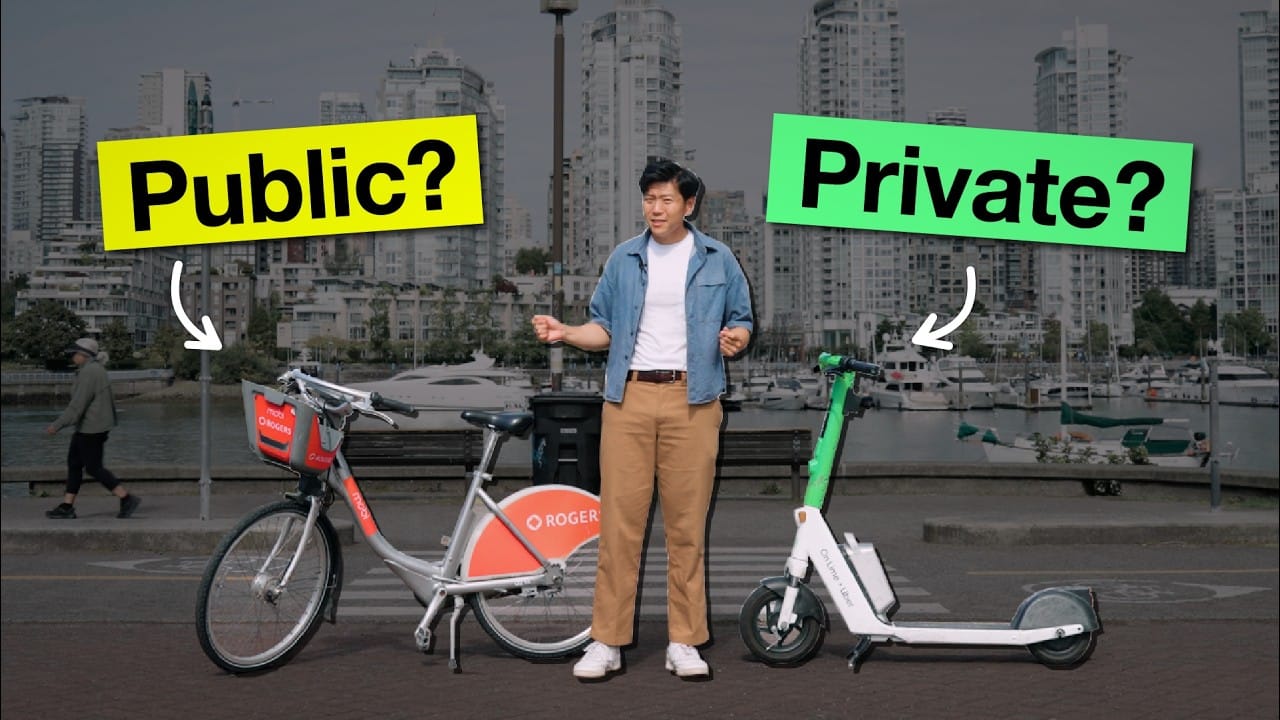
More options: Lime Bikes has expanded its discount program.
PDX parking policies: Sightline says that Portland now has the smartest parking policies in the Northwest.
Bus network redesign: Columbus redesigned its bus network and saw ridership grow.
Decongesting: In talking about decongestion charging, it’s important to talk about corresponding transit investments, David Lawson says.
Draconian spitefullness: Trump’s regime still will not release $1.4 billion in congressionally-approved transit dollars.
Creeping on Amazon: Google will expand in South Lake Union with another tower ($).
Bang for your buck: Where are the big cities that you can stretch your dollar in?
Living Battery Street: A local architecture firm has an idea to transform Battery Street’s soon-to-be-defunct tunnel into a living park.
Damaging policy: Trump’s ill-advised trade war is dramatically increasing the cost of construction, particularly for steel.
Go by train: Orlando’s SunRail, a commuter rail corridor, has been expanded further south.
Security theater: Los Angeles has partnered with the Transportation Security Administration to bring body scanners to the Metro rail system ($).
Community investment: In the Rainier Valley, an affordable housing project will include a performing arts space.
Fighting the man: Teens suing the federal government over climate change will take their challenge further up the judicial food chain.