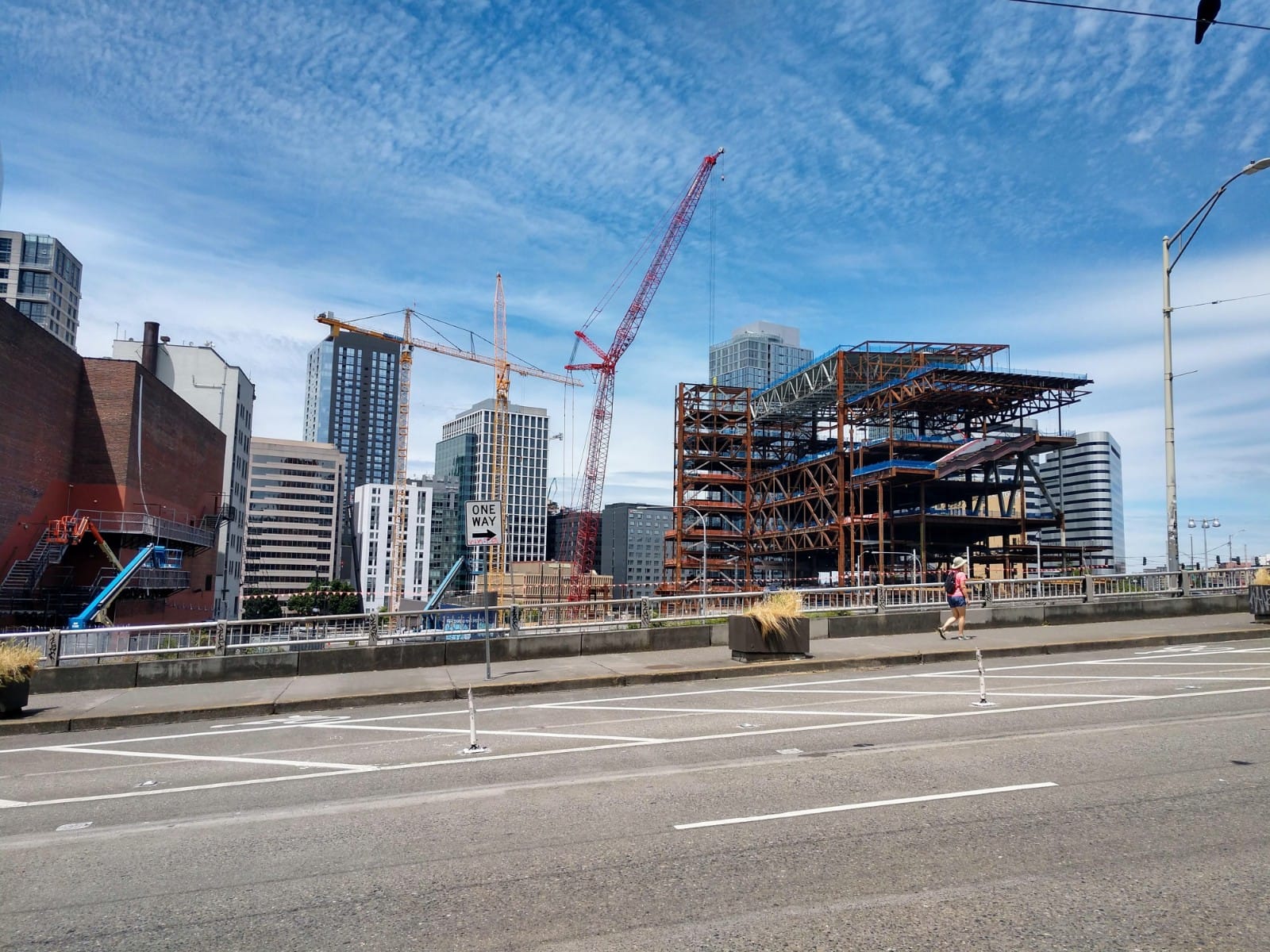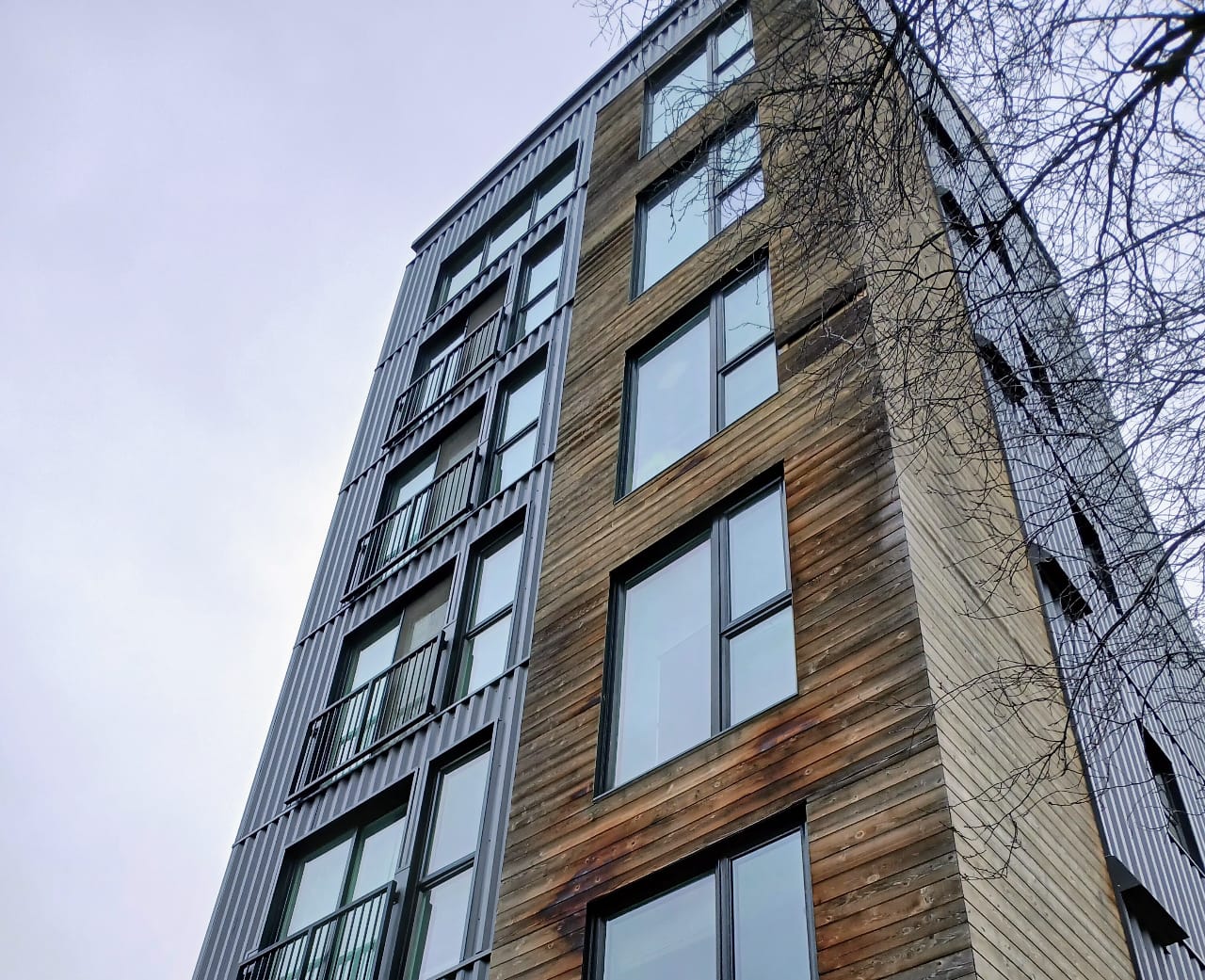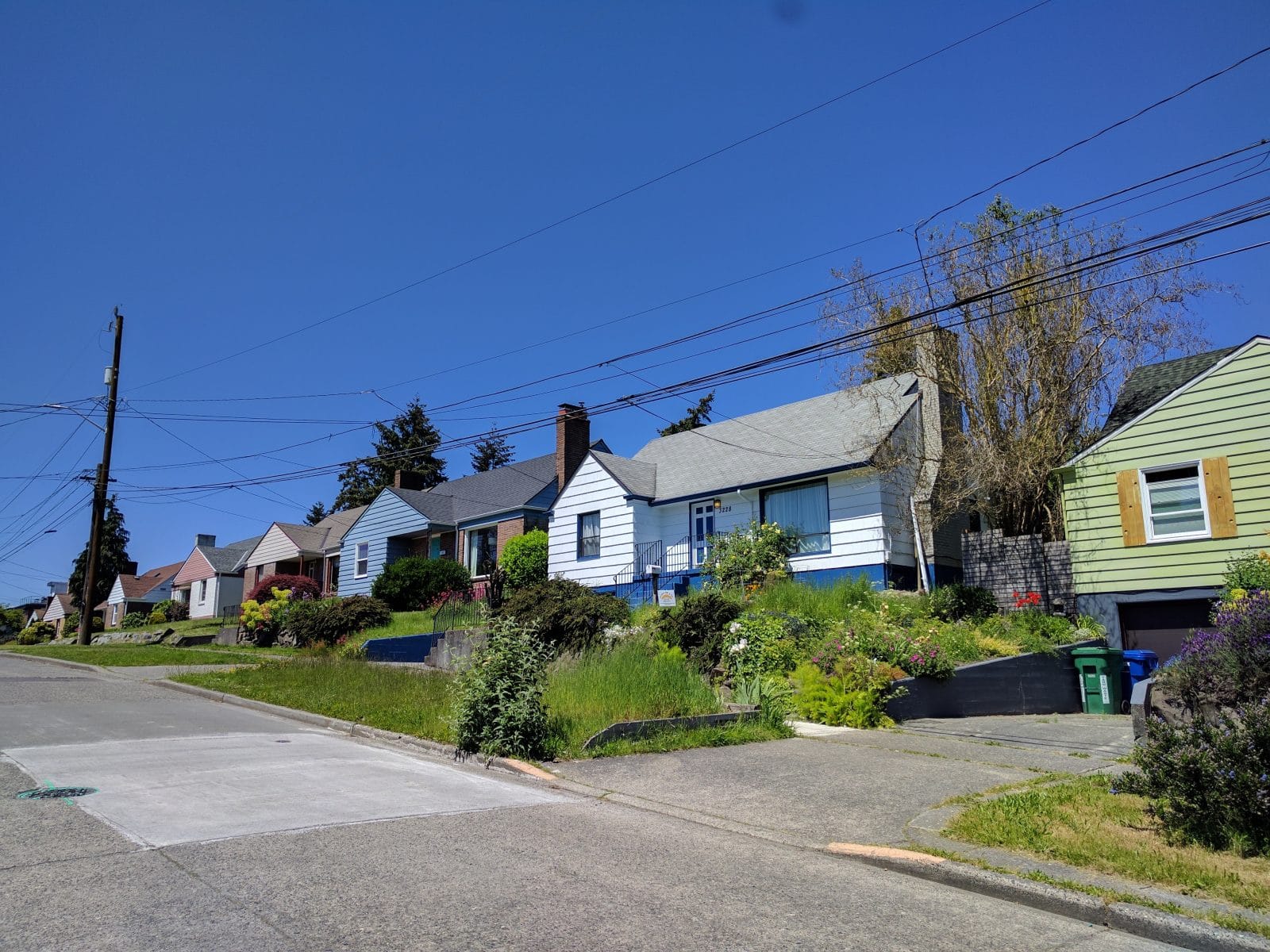
Yesterday’s report that Seattle’s housing prices rose 11.6% over where they were in November 2019 comes as zero surprise to anyone who has toyed with the idea of buying a house in the last year. Folks are hunkering down and fixing up. That extra room is an office and that kitchen got an upgrade, if you had them already. Without being tied to a workplace or a commute, white collar workers are finding that they can live where they want. Just as many people are making that home in the city as are departing to the suburbs. The housing market is as tight as it has been in the last 20 years.
Which means that Seattle is still in a housing crunch. On top of the existing statewide shortage estimated at 225,000 units, the region needs to build capacity for at least one and a half million new residents. Some projections put this deadline at 2050, but it’s going to be needed much sooner based on climate migration studies.
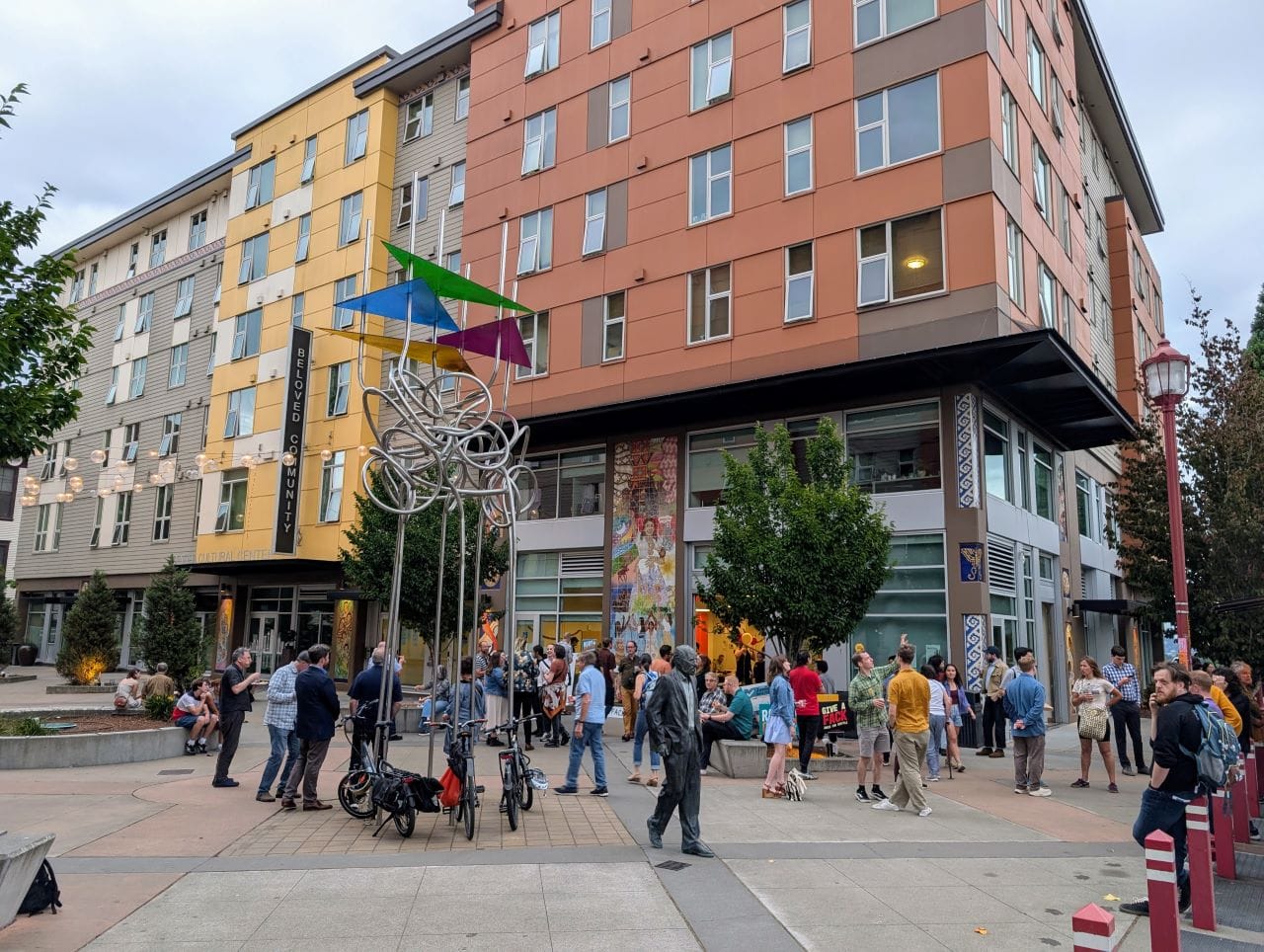
There are proposals for density under glamor names like “the 15-minute city” which many other places just call “the city.” Others develop wacky concepts that insist the incoming population needs to be focused into new “hub cities” in underdeveloped areas along I-5. Then there’s a concept many label as a simple solution to the affordability and supply problem: Upzoning. It is the go-to for many urbanists every time there is a report about unavailable housing. Or unaffordable housing. Or that the baseball team lost. Or just a random Tuesday. We love upzones.