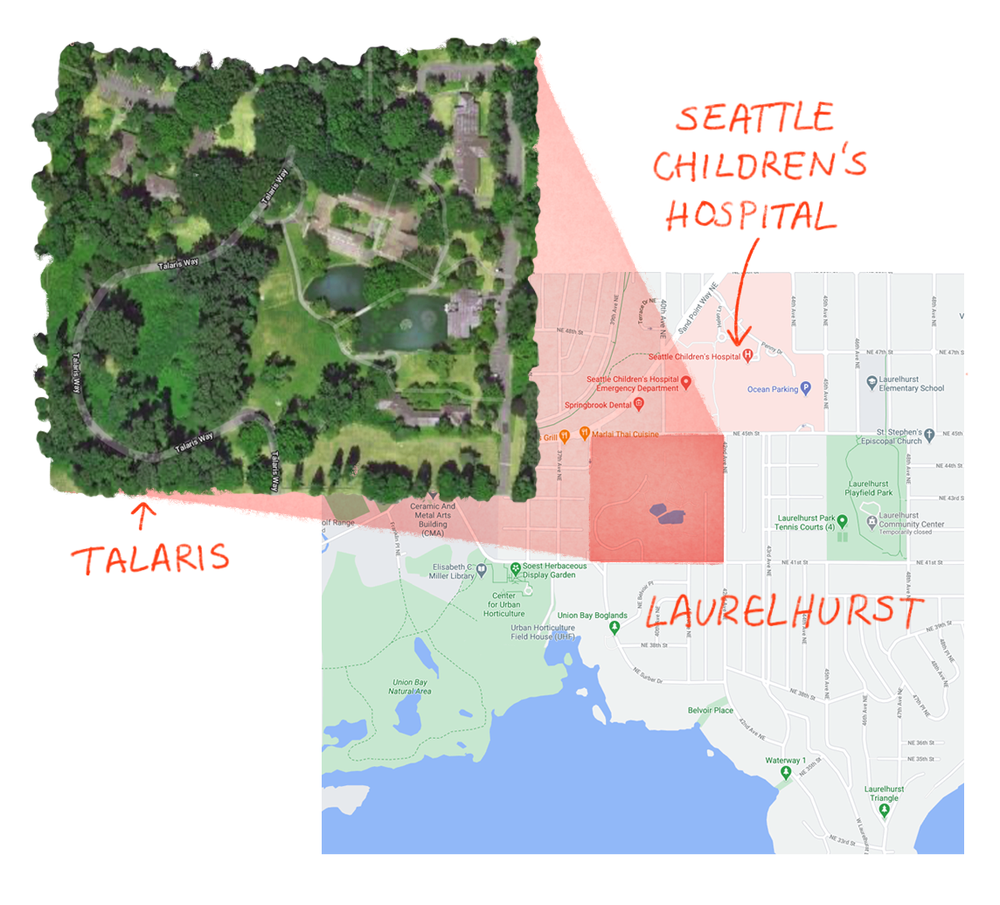
Many areas in the North End of Seattle historically kept out communities of color. It contained a patchwork of racial covenants, and banks furthered exclusion by discriminating who they would loan to and where through a system of redlining. Most of Seattle’s anti-displacement efforts have rightly centered on areas in the Central District, Chinatown-International District, Rainier Valley, and the Duwamish Valley. Seattle’s growth is happening in narrow areas of our city, while other areas have continued to live in a suburban-like bubble.
Recently, City Council candidate Nikkita Oliver stated: “It’s no secret that Seattle has a legacy of exclusionary zoning, and our zoning has played a huge part in the problem as to why we don’t have enough housing. About 12% of the land is getting 85% of the development, and it’s happening in such a way that not only is it not developing enough housing, it’s also creating displacement in neighborhoods where people are already very much at risk.”
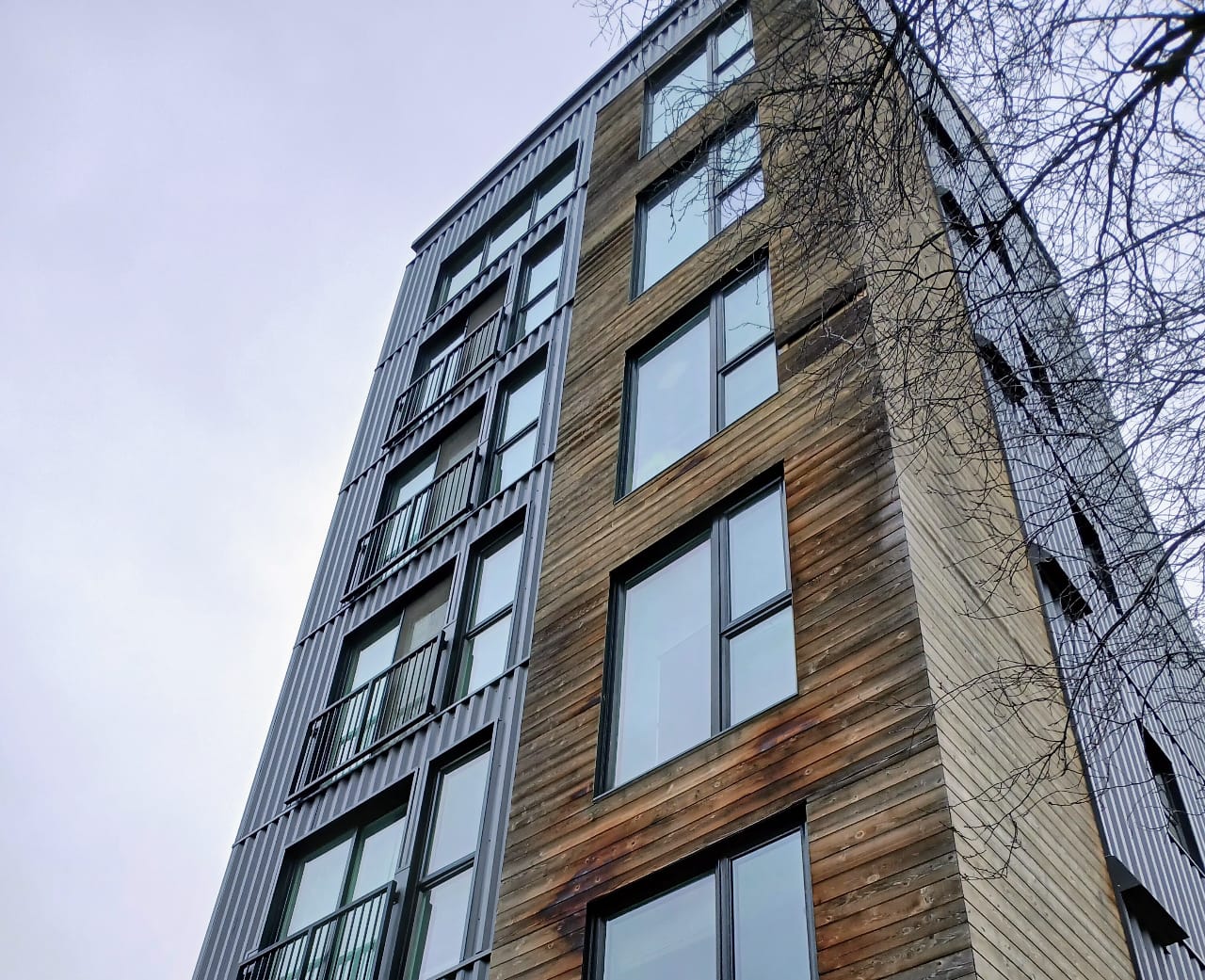
The lack of land use changes that would allow more affordable housing options in areas like Laurelhurst, near Children’s Hospital, has increased pressure on other areas of the city for development. There is a scarcity of housing, particularly for working class families around the University of Washington, too. Bad zoning policy is one culprit that forces people out of our city, and into long, stressful, climate-unfriendly commutes.